
alexanders
Also known as: alisanders; black lovage; black pot-herb; horse parsley; stanmarch; Thanet celery
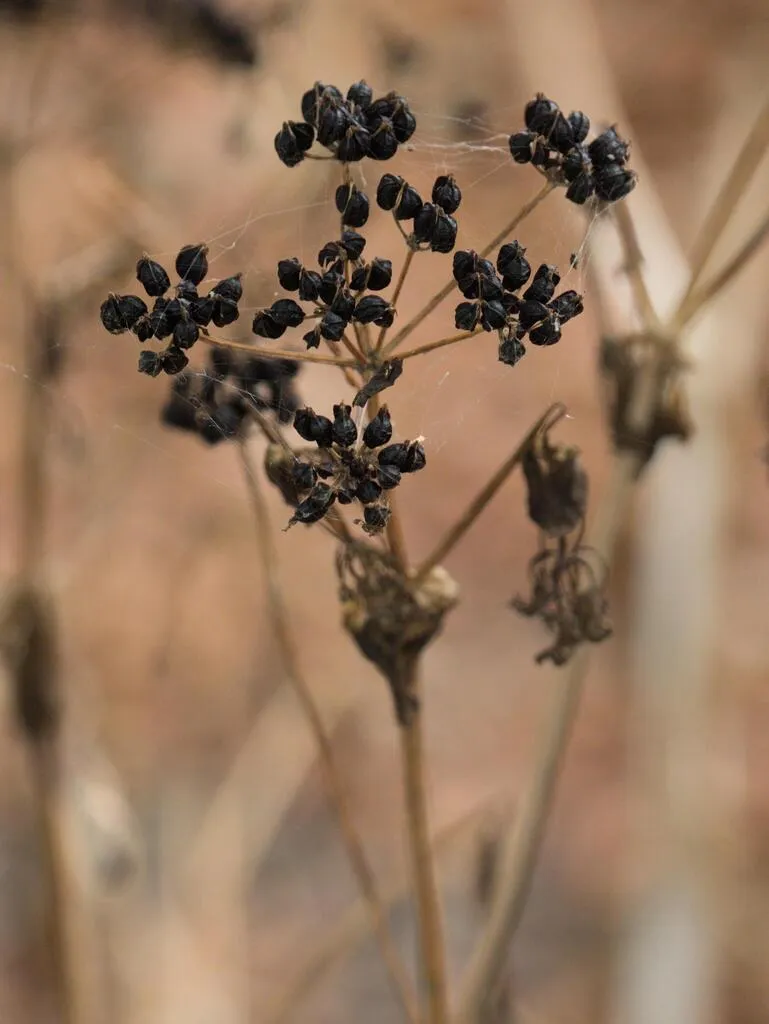
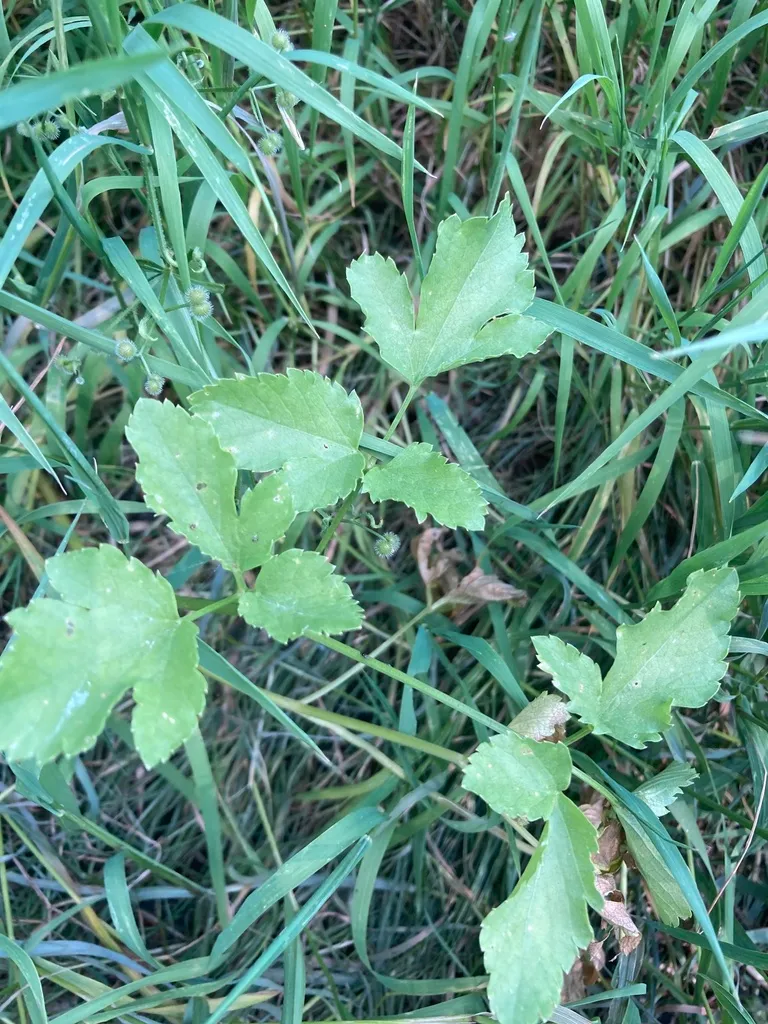
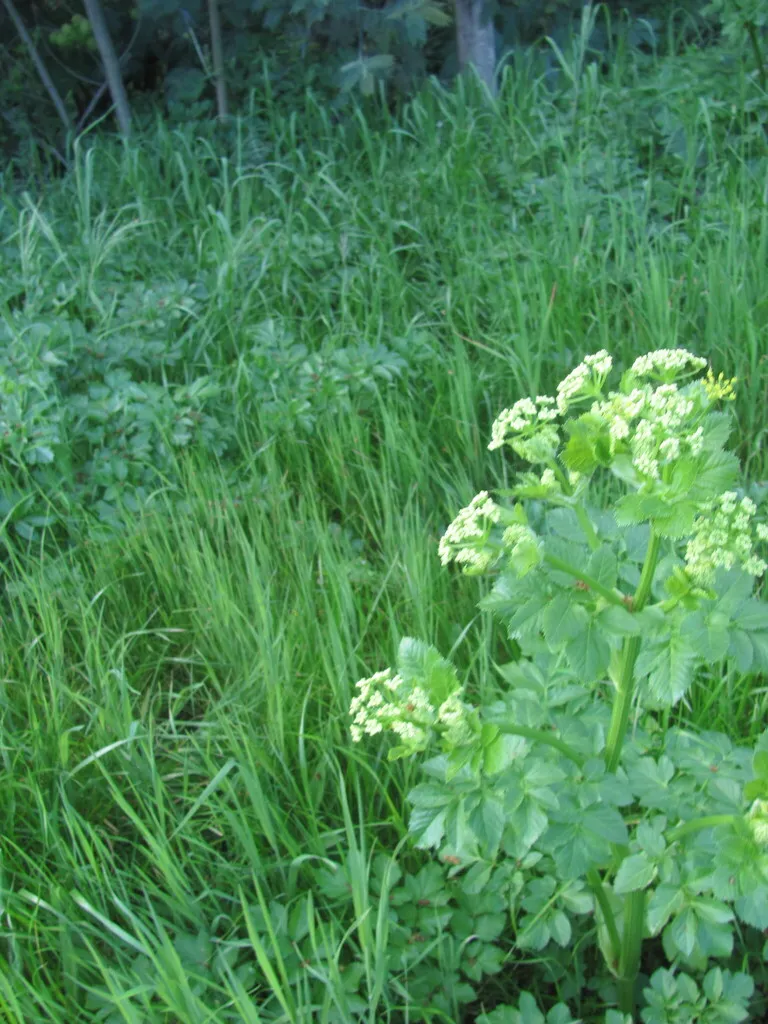
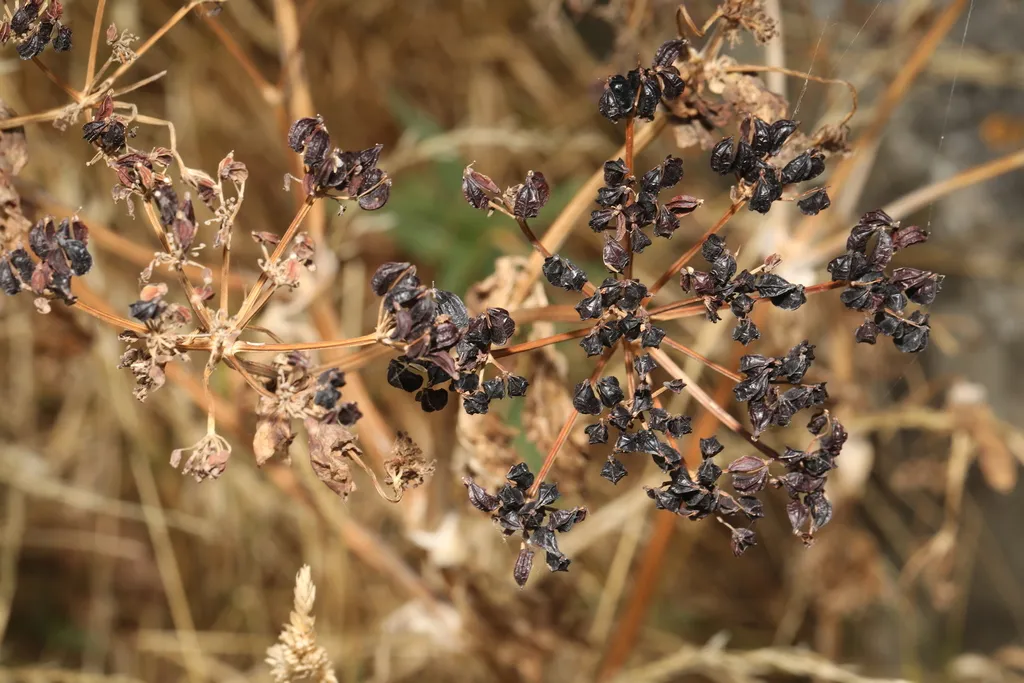
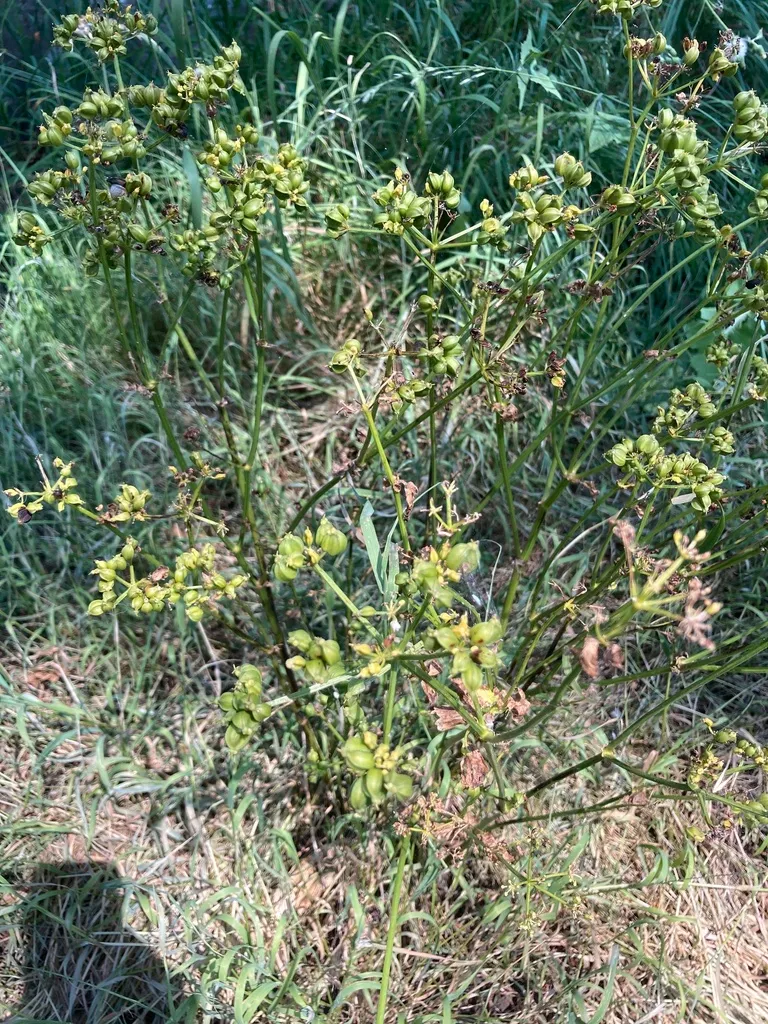
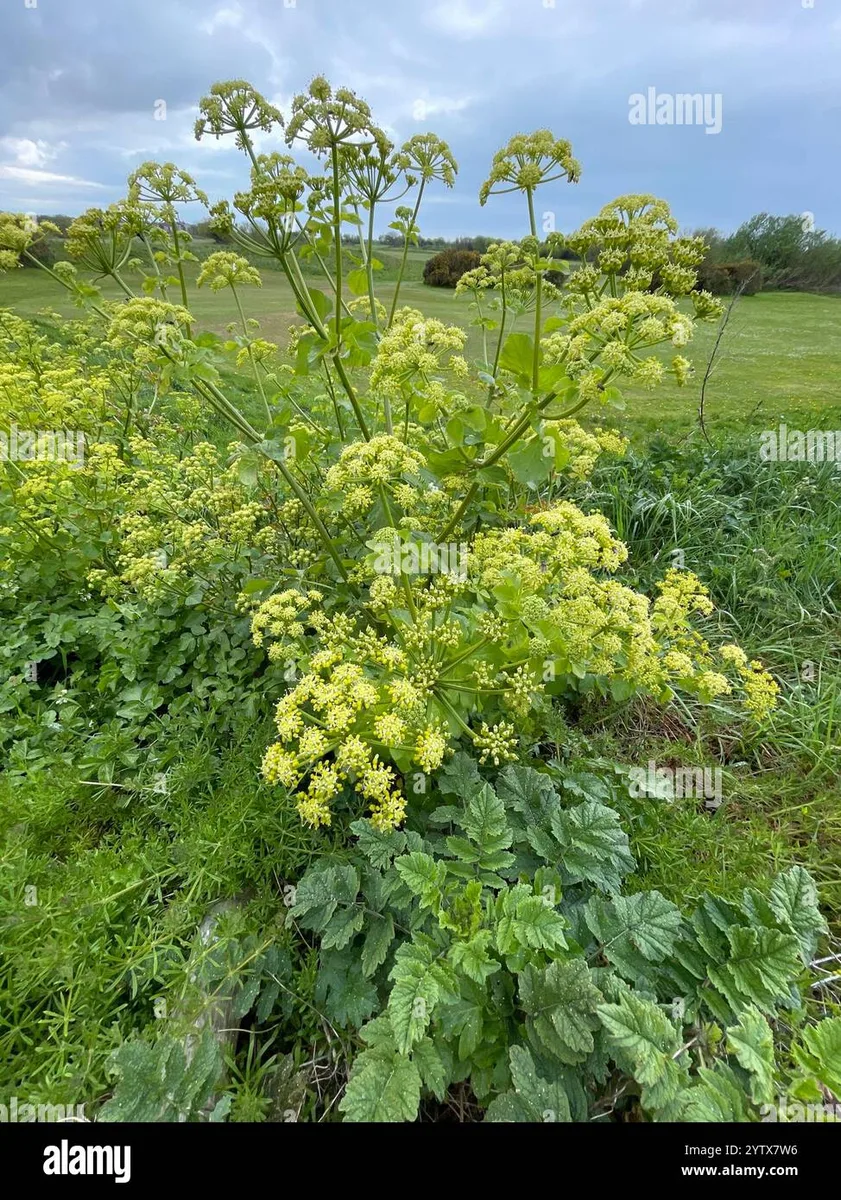
A vigorous, semi-evergreen biennial of the umbellifer family, growing to 75-120 cm high with a solid stem which becomes hollow and grooved with age. The leaves are bluntly toothed, the flat segments ternately divided. The plant bears greenish-yellow flowers in umbrella-like clusters with a pungent, myrrh-like scent.
Scientific classification
- Species
- alexanders (Smyrnium olusatrum)
- Genus
- Smyrnium
- Family
- Apiaceae
- Information to be completed
- Toxicity
- Annual Biennial
- Plant type
- 1-1.5 metres
- Height
- 0.1-0.5 metres
- Spread
- Deciduous
- Foliage
- Clump forming
- Habit
- Spring · Summer · Autumn · Winter
- Season of interest
- Full sun
- Sunlight
- Information to be completed
- Ideal temperature









alexanders pictures
Distribution of alexanders
Distribution map
Mediterranean
Information to be completed
Culture
Information to be completed
Toxicity
Information to be completed
Quick identification of alexanders
Information to be completed
alexanders care guide
- Moderate regular watering, allowing brief slight drying between soakings
- Watering
- Full sun
- Sunlight
- Information to be completed
- Ideal temperature

Watering
Moderate regular watering, allowing brief slight drying between soakings
Fertilizing
 Fertilizing
Balanced perennial feed every four weeks from spring through summer
Pruning
 Pruning
Not required
Propagation
 Propagation
Propagate by seed. See sowing vegetable seeds
Growing
 Growing
Best grown in a free draining soil in full sun. Grows well in coastal areas.
People also ask
Information to be completed
Common pests and diseases
Diseases
Generally disease-free
Pests
Generally pest-free
Explore the plant health library →




