
few-leaved blood lily
Also known as: Information to be completed
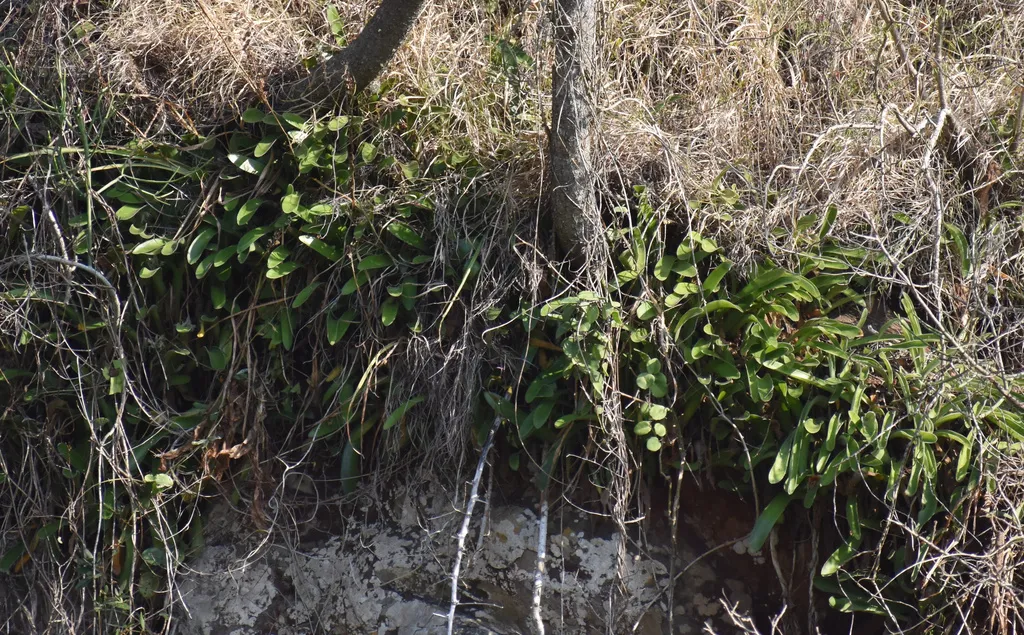
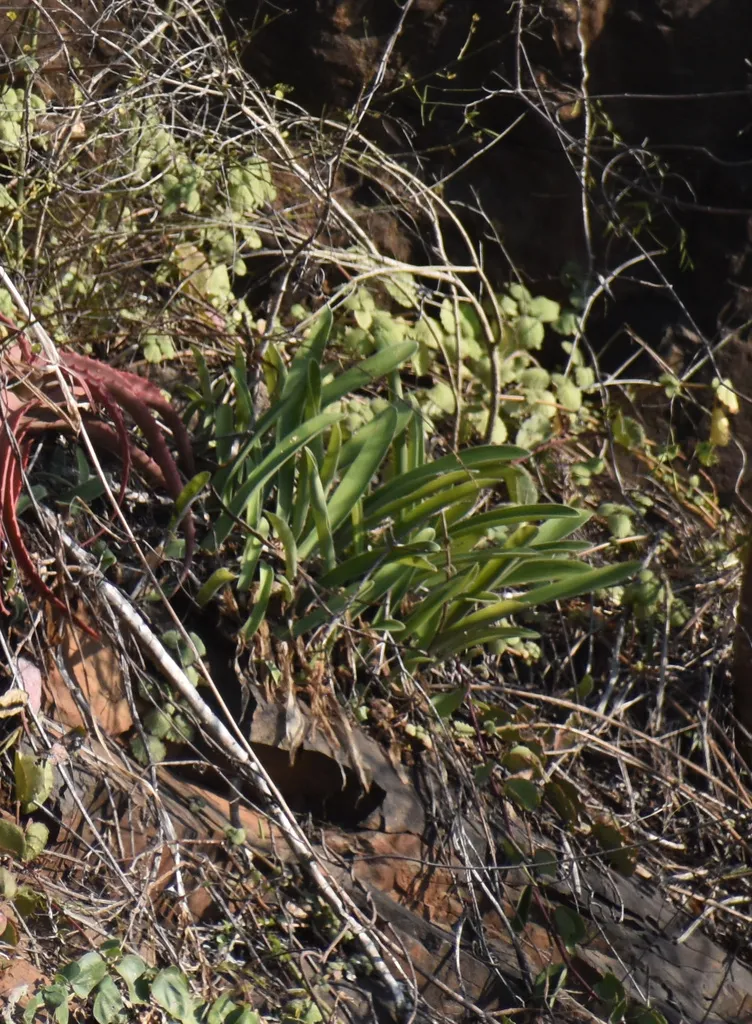
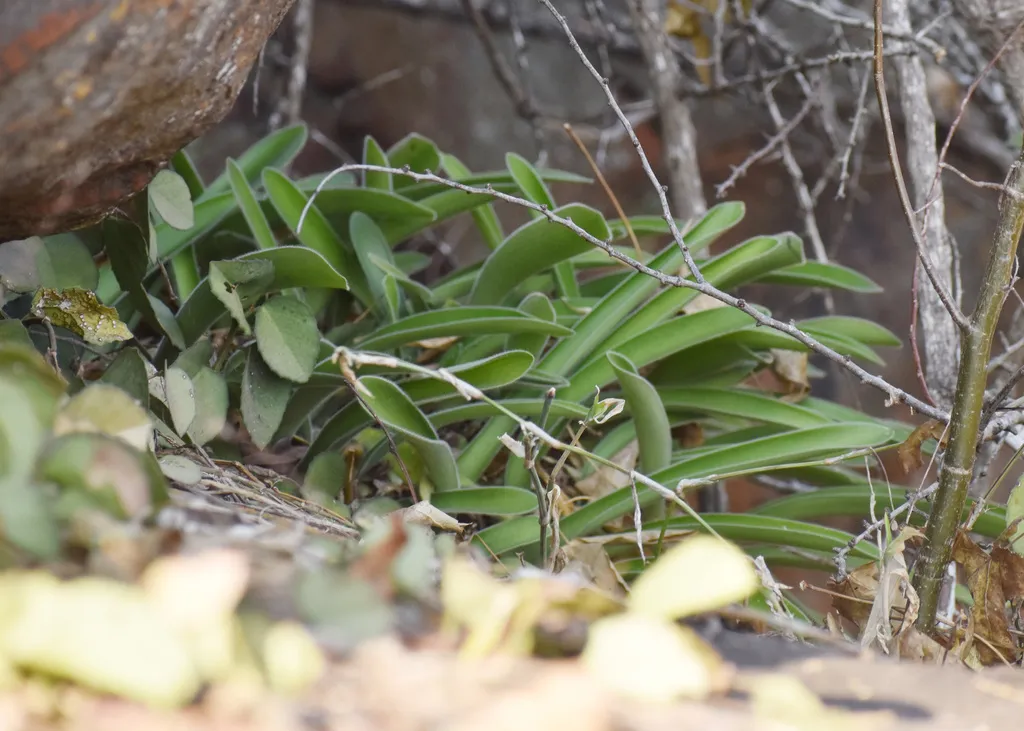
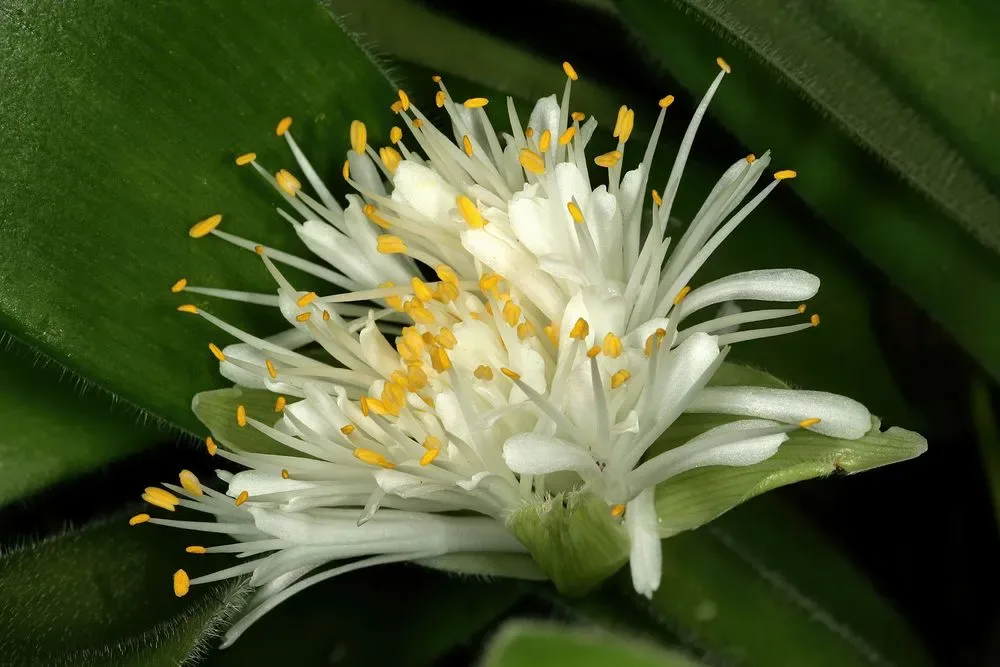
H.pauculifoliusis an evergreen, bulbous perennial to 30cm, with one or two spreading, broad, strap-shaped, hairy leaves per bulband brush-like clusters of small white flowers held within broad greenish-white bracts, and sometimes followed by red berries
Scientific classification
- Species
- few-leaved blood lily (Haemanthus pauculifolius)
- Genus
- Haemanthus
- Family
- Amaryllidaceae
- Order
- Asparagales
- Class
- Liliopsida
- Phylum
- Magnoliophyta
- Ornamental bulbs - not to be eaten. Wear gloves and other protective equipment when handling
- Toxicity
- Conservatory Greenhouse · Houseplants · Bulbs
- Plant type
- 0.1-0.5 metres
- Height
- 0.1-0.5 metres
- Spread
- Evergreen
- Foliage
- Tufted
- Habit
- Spring · Summer · Autumn · Winter
- Season of interest
- Full sun · Partial shade
- Sunlight
- Information to be completed
- Ideal temperature









few-leaved blood lily pictures
Distribution of few-leaved blood lily
Distribution map
- Native
- Introduced
- Cultivated
Source:WCVP v16 · Royal Botanic Gardens, Kew · CC BY 3.0 · Boundaries:WGSRPD / TDWG
Toxicity
Ornamental bulbs - not to be eaten. Wear gloves and other protective equipment when handling
few-leaved blood lily care guide
- Moderate regular watering, allowing brief slight drying between soakings
- Watering
- Full sun · Partial shade
- Sunlight

Watering
Moderate regular watering, allowing brief slight drying between soakings
Fertilizing
 Fertilizing
Balanced perennial feed every four weeks from spring through summer
Pruning
 Pruning
No pruning required
Propagation
 Propagation
Propagate by seed or remove offsets in early spring
Growing
 Growing
Under glass grow in loam-based potting compost with added leaf mould and grit in full light. Flowering will be prolonged if light levels are reduced when the buds open. Water freely when in growth and apply a dilute balanced liquid fertiliser monthly. Keep just moist when dormant and do not pot on regularly as flowering is best when congested. See haemanthus cultivation
Common pests and diseases
Diseases
Generally disease-free
Pests
Generally pest-free
Explore the plant health library →




