
Angelica pubescens
Also known as: Information to be completed
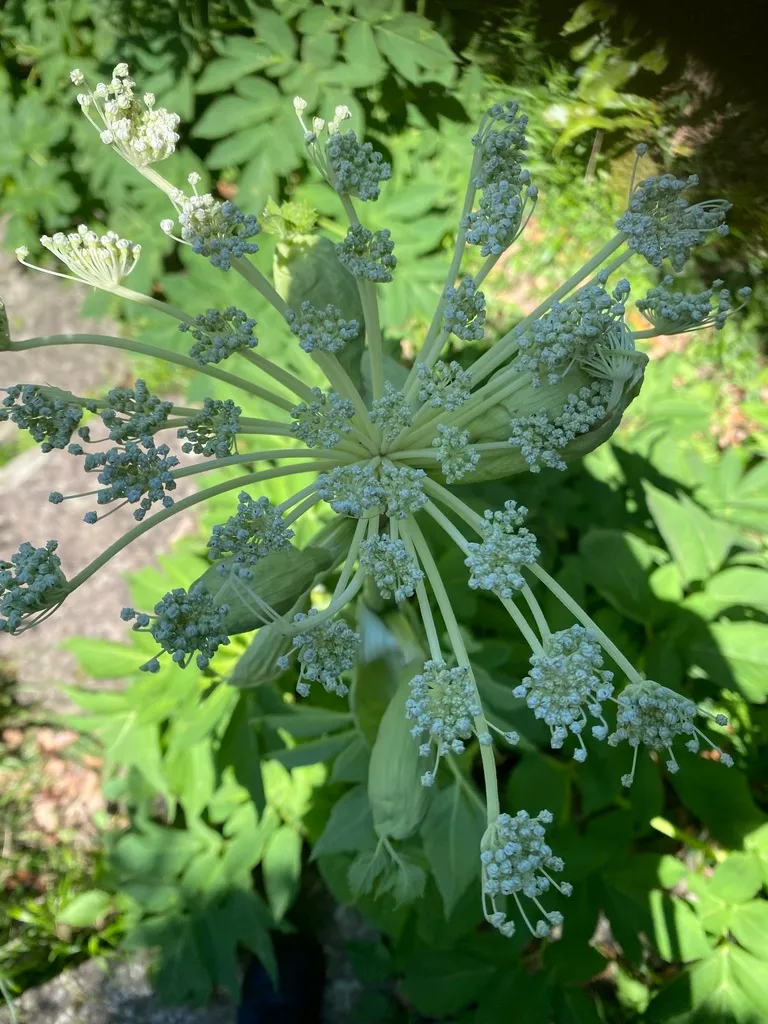
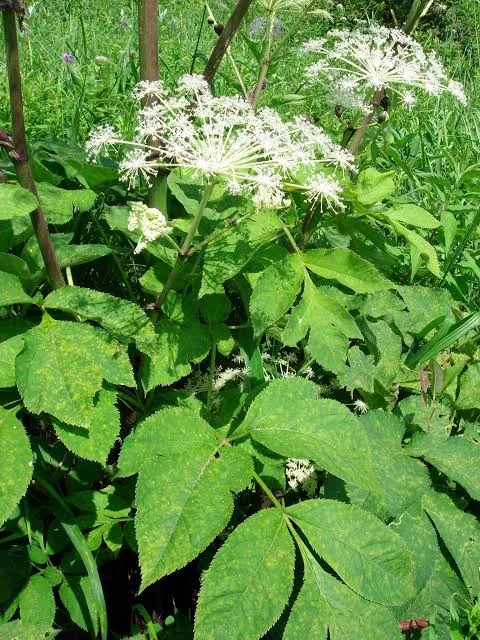
This umbellifer is native to Japan and China and is a medicinal plant used in Chinese medicine. A tall to giant upright herbaceous biennial or short lived perennial plant with doubley divided tripinnate leaves up to 1 m long, the leaflets being 5–10 cm long and slightly furry or fuzzy. In the first year the plant builds up a rosette of leaves. The flower stalks appear in the second year in late spring to summer and the tall heads of tiny flowers are white and fluffy and arranged in large dinner-plate sized umbels.
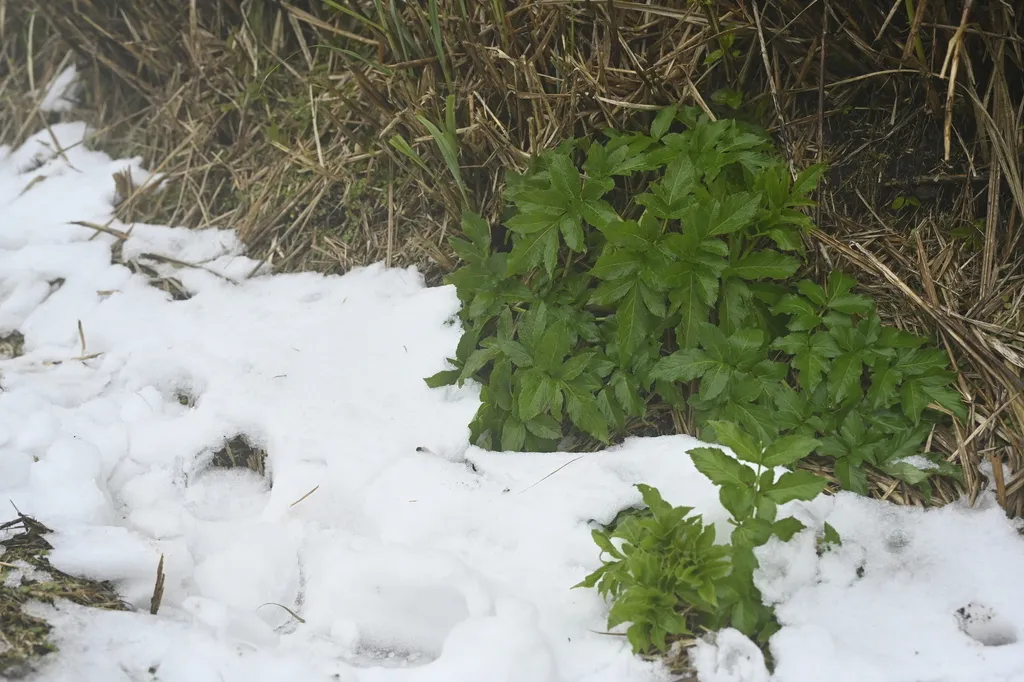
Scientific classification
- Species
- Angelica pubescens (Angelica pubescens)
- Genus
- Angelica
- Family
- Apiaceae
- Information to be completed
- Toxicity
- Herbaceous Perennial · Annual Biennial
- Plant type
- 1.5-2.5 metres
- Height
- 0.5-1 metres
- Spread
- Semi evergreen
- Foliage
- Bushy · Columnar upright · Clump forming
- Habit
- Spring · Summer · Autumn
- Season of interest
- Full sun · Partial shade
- Sunlight
- Information to be completed
- Ideal temperature









Angelica pubescens pictures
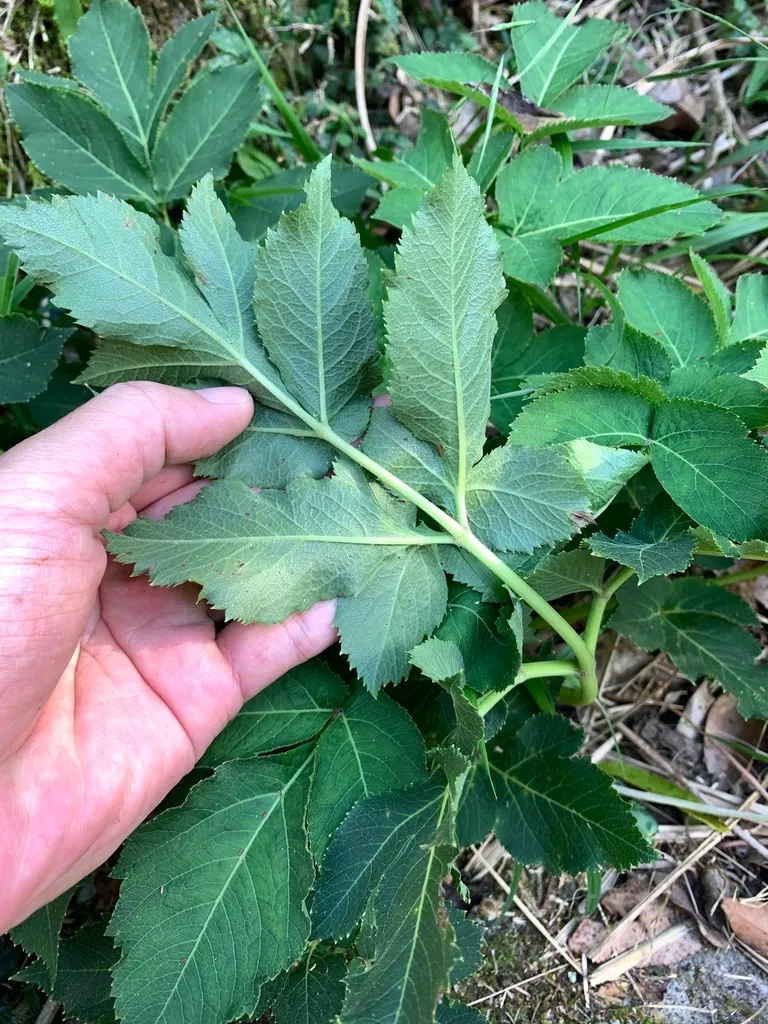
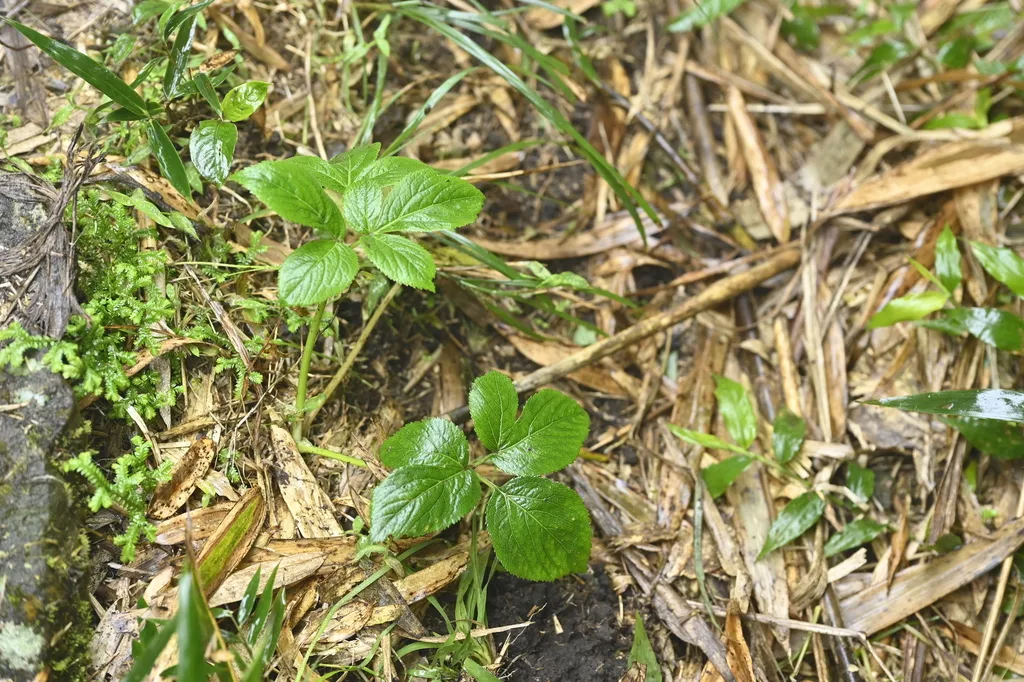
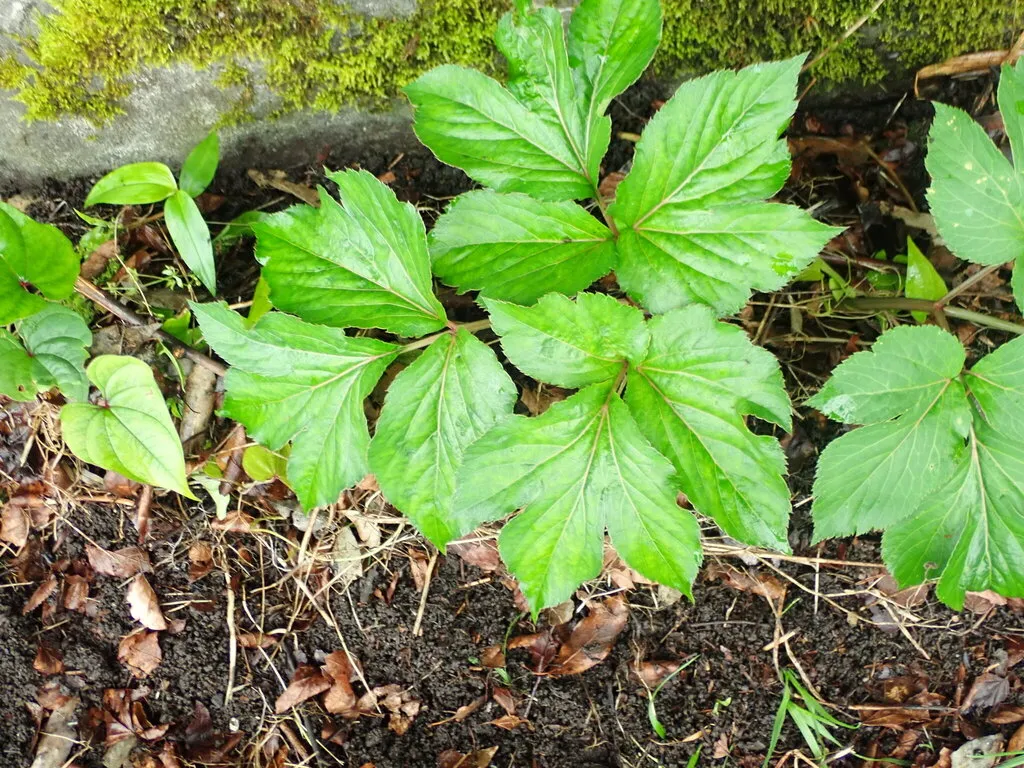
Distribution of Angelica pubescens
Distribution map
- Native
- Introduced
- Cultivated
Source:WCVP v16 · Royal Botanic Gardens, Kew · CC BY 3.0 · Boundaries:WGSRPD / TDWG
Culture
Information to be completed
Toxicity
Information to be completed
Quick identification of Angelica pubescens
Information to be completed
Angelica pubescens care guide
- Moderate regular watering, allowing brief slight drying between soakings
- Watering
- Full sun · Partial shade
- Sunlight
- Information to be completed
- Ideal temperature

Watering
Moderate regular watering, allowing brief slight drying between soakings
Fertilizing
 Fertilizing
Balanced perennial feed every four weeks from spring through summer
Pruning
 Pruning
Flowering stems can be cut down in autumn or spring.
Propagation
 Propagation
Propagate by seed sown in containers in a cold frame as soon as ripe; do not cover as seeds require light to germinate. Transplant seedlings while small; larger plants resent disturbance.
Growing
 Growing
Prefers deep, moist, fertile, loamy soil in full sun to partial shade.
People also ask
Information to be completed
Common pests and diseases
Diseases
Susceptible to powdery mildews.
Pests
Susceptible to aphids, leaf miners, slugs and snails.
Explore the plant health library →




