
celery
Also known as: Information to be completed
A biennial celery, grown as an annual with swollen, succulent stems which can be eaten cooked or raw
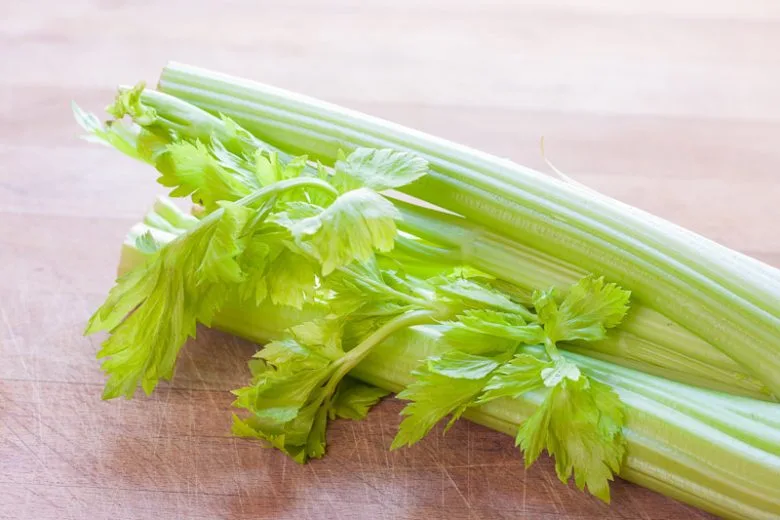
Scientific classification
- Species
- celery (Apium graveolens var. dulce)
- Genus
- Apium
- Family
- Apiaceae
- Order
- Apiales
- Class
- Magnoliopsida
- Phylum
- Magnoliophyta
- Harmful to skin with sunlight. Wear gloves and other protective equipment when handling
- Toxicity
- Annual Biennial
- Plant type
- 0.1-0.5 metres
- Height
- 0.1-0.5 metres
- Spread
- Semi evergreen
- Foliage
- Columnar upright
- Habit
- Spring · Summer · Autumn
- Season of interest
- Full sun
- Sunlight
- Information to be completed
- Ideal temperature









celery pictures
Distribution of celery
Distribution map
- Native
- Introduced
- Cultivated
Source:WCVP v16 · Royal Botanic Gardens, Kew · CC BY 3.0 · Boundaries:WGSRPD / TDWG
Toxicity
Harmful to skin with sunlight. Wear gloves and other protective equipment when handling
celery care guide
- Regular even moisture supply, drain excess water from planting bed
- Watering
- Full sun
- Sunlight

Watering
Regular even moisture supply, drain excess water from planting bed
Fertilizing
 Fertilizing
Leafy vegetable diluted feed every two weeks growing season
Pruning
 Pruning
No pruning needed
Propagation
 Propagation
Propagate by seed. See sowing vegetable seeds
Growing
 Growing
Grow in reliably moist, rich soil in full sun. For more advice see celery cultivation
Common pests and diseases
Diseases
May be susceptible to celery leaf spot
Pests
May be susceptible to slugs and snails and and celery leaf miner
Explore the plant health library →




