
American meadowsweet
Also known as: meadow sweet; pale bridewort; queen of the meadows
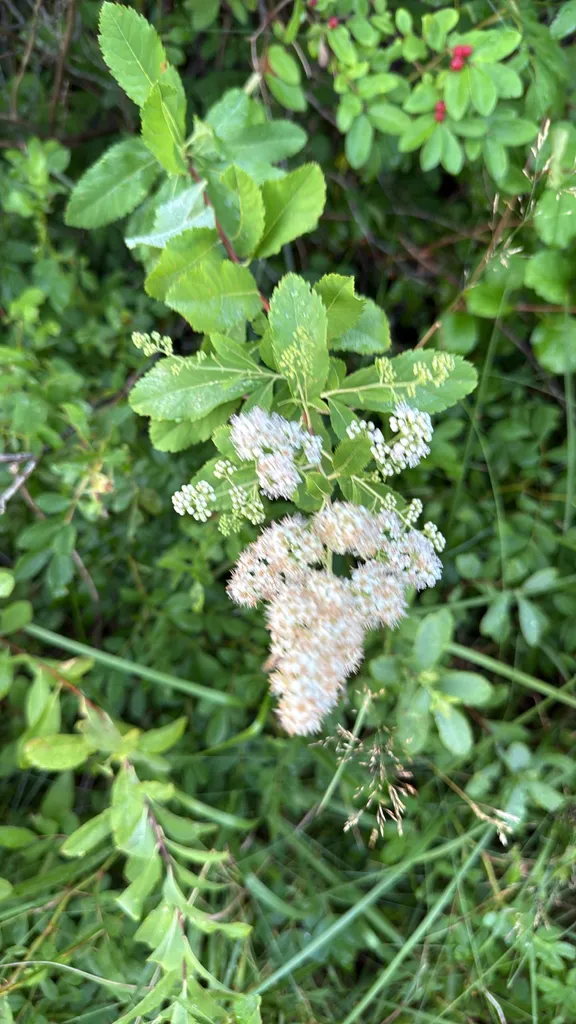
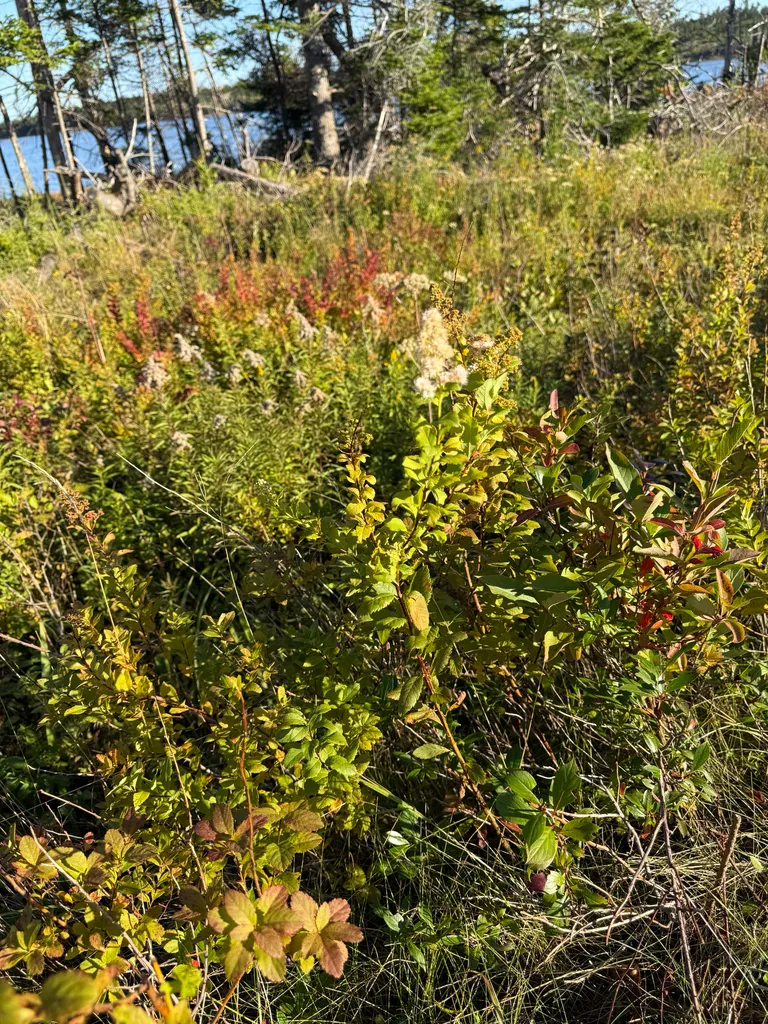
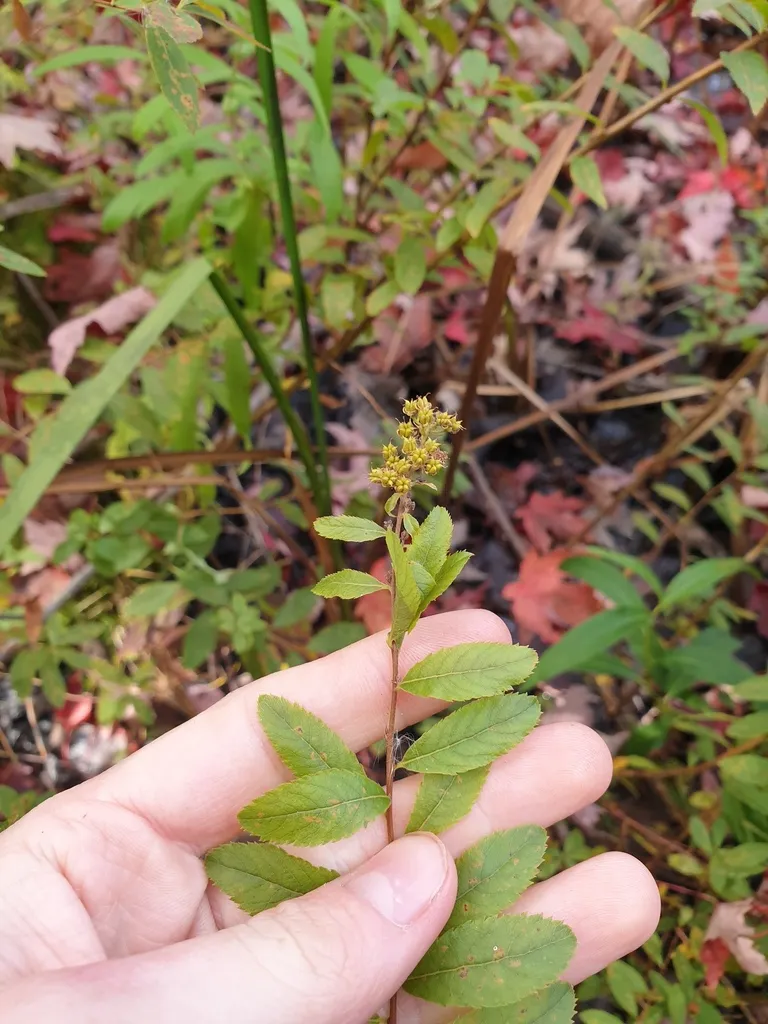
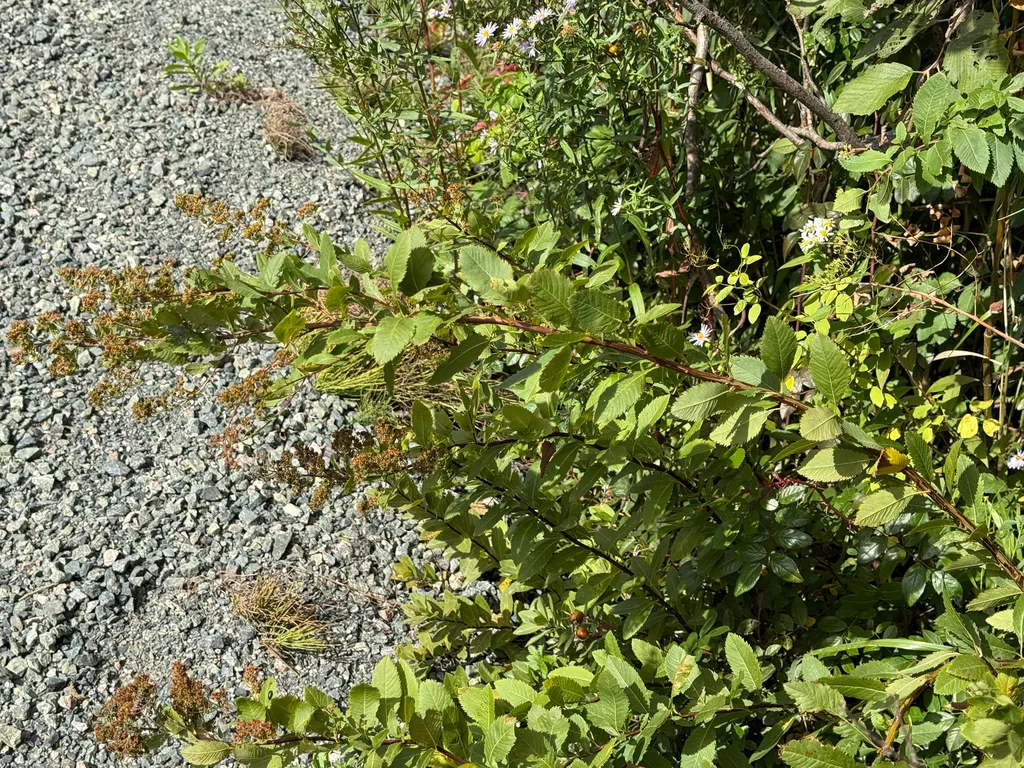
Small, upright thicket-forming shrub to about 1.2m tall, with narrow, sharply-serrated mid-green leaves on unbranched yellow-brown stems, and downy, terminal panicles of tiny white flowers produced in late summer
Scientific classification
- Species
- American meadowsweet (Spiraea alba)
- Genus
- Spiraea
- Family
- Rosaceae
- Information to be completed
- Toxicity
- Shrubs
- Plant type
- 1-1.5 metres
- Height
- 1-1.5 metres
- Spread
- Deciduous
- Foliage
- Suckering
- Habit
- Autumn · Spring · Summer
- Season of interest
- Full sun · Partial shade
- Sunlight
- Information to be completed
- Ideal temperature









American meadowsweet pictures
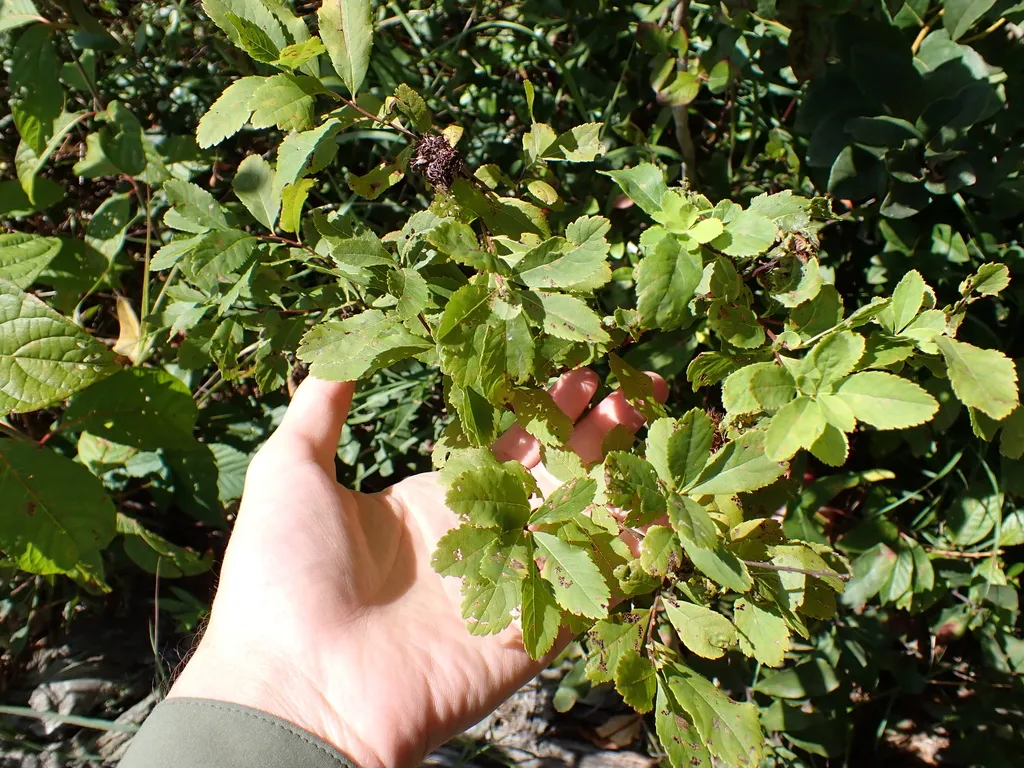
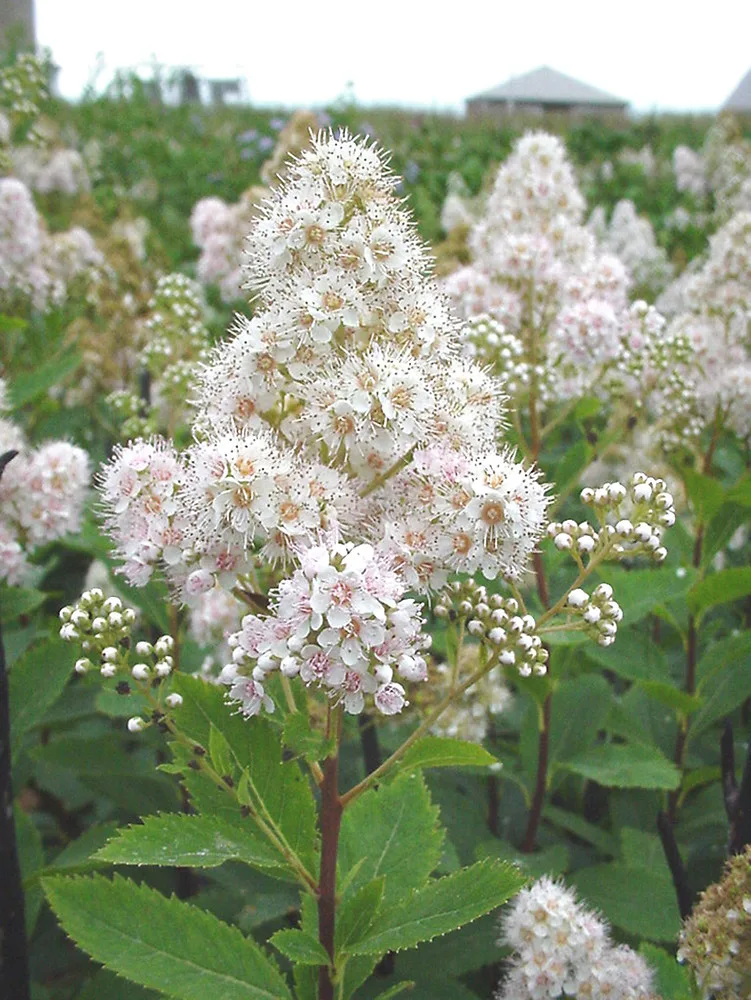
Distribution of American meadowsweet
Distribution map
Northern America
Information to be completed
Culture
Information to be completed
Toxicity
Information to be completed
Quick identification of American meadowsweet
Information to be completed
American meadowsweet care guide
- Moderate regular watering, allowing brief slight drying between soakings
- Watering
- Full sun · Partial shade
- Sunlight
- Information to be completed
- Ideal temperature

Watering
Moderate regular watering, allowing brief slight drying between soakings
Fertilizing
 Fertilizing
Balanced perennial feed every four weeks from spring through summer
Pruning
 Pruning
Shorten last year's flowering stems to one or two buds from the older woody framework. Remove thin, weak and dead shoots. Prune in early to mid-spring as growth resumes; avoid winter pruning that exposes new shoots to frost.
Propagation
 Propagation
Propagate suckering species such as S. alba by division in late summer or early spring. Propagate by softwood or semi-ripe cuttings in spring to late summer or hardwood cuttings in winter
Growing
 Growing
Grow in most moist soils, including wet and boggy soils, tolerant of all but the most extreme conditions, in full sun or light shade
People also ask
Information to be completed
Common pests and diseases
Diseases
Generally disease-free but may be susceptible to honey fungus
Pests
Generally pest-free
Explore the plant health library →




