
two-lobed cone plant
Also known as: Information to be completed
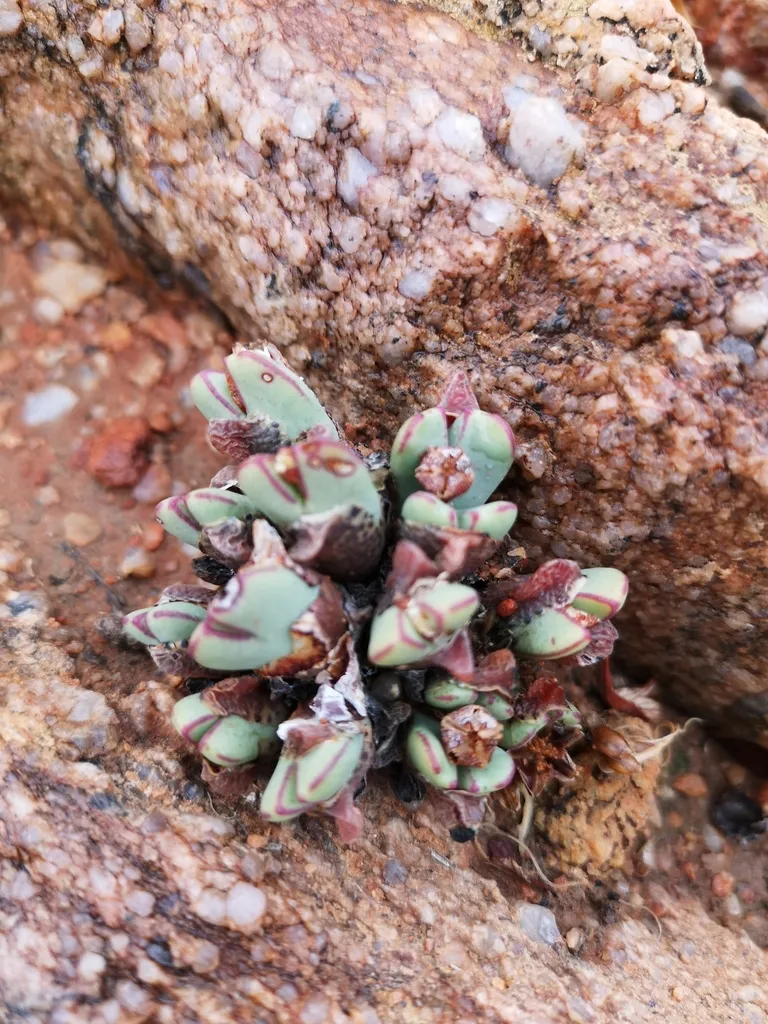
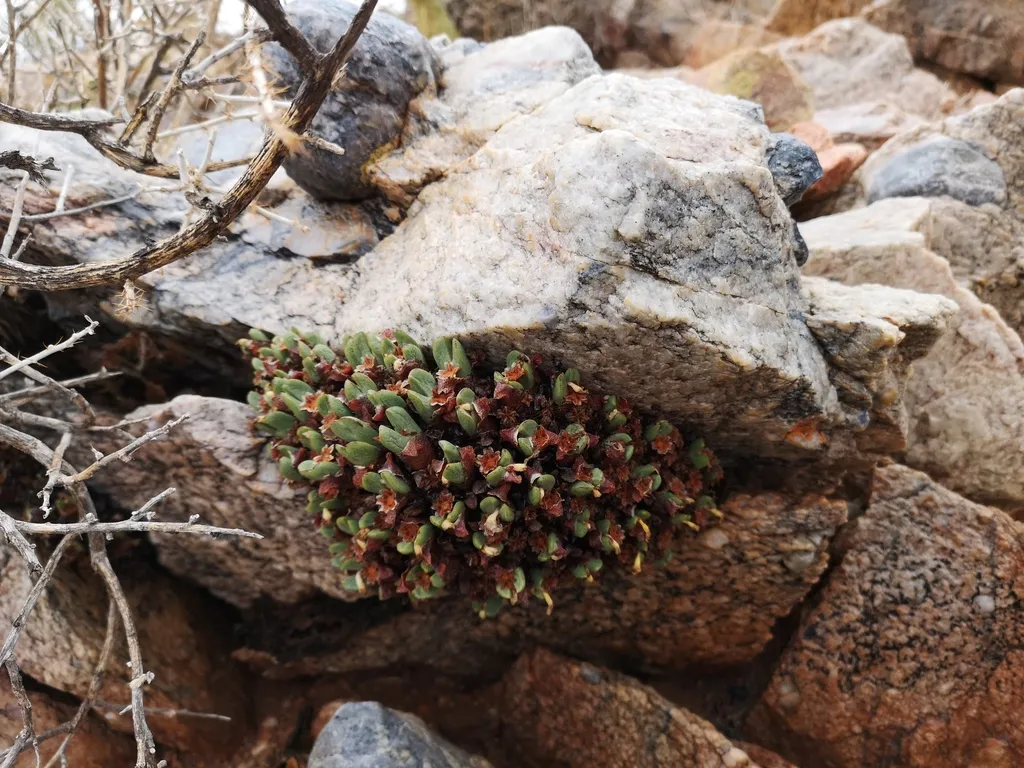
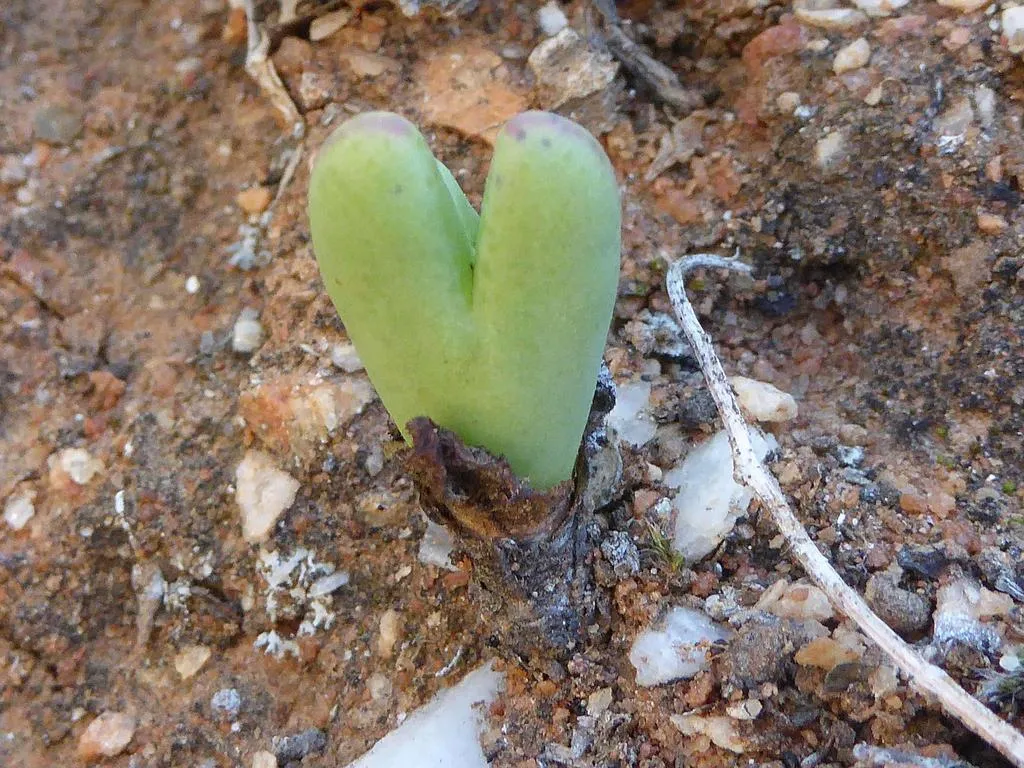
A clump-forming succulent with two very fleshy grey-green leaves, united below, and solitary bright yellow, daisy-like flowers 3cm across opening in late summer
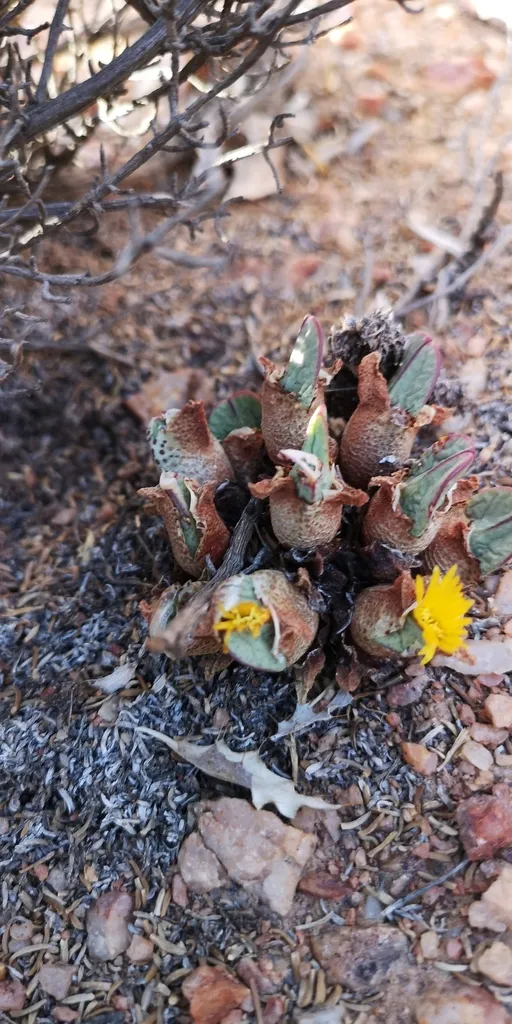
Scientific classification
- Species
- two-lobed cone plant (Conophytum bilobum)
- Genus
- Conophytum
- Family
- Aizoaceae
- Information to be completed
- Toxicity
- Cactus Succulent
- Plant type
- Up to 10 cm
- Height
- 0-0.1 metre
- Spread
- Semi evergreen
- Foliage
- Clump forming
- Habit
- Spring · Summer · Autumn · Winter
- Season of interest
- Full sun
- Sunlight
- Information to be completed
- Ideal temperature









two-lobed cone plant pictures
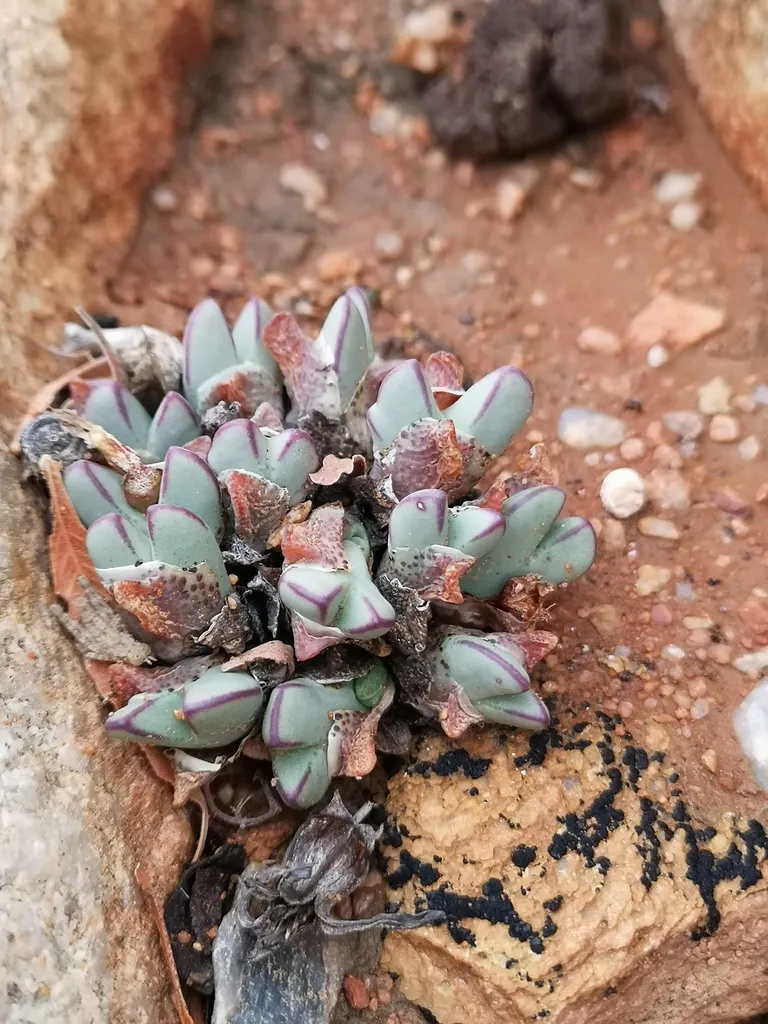
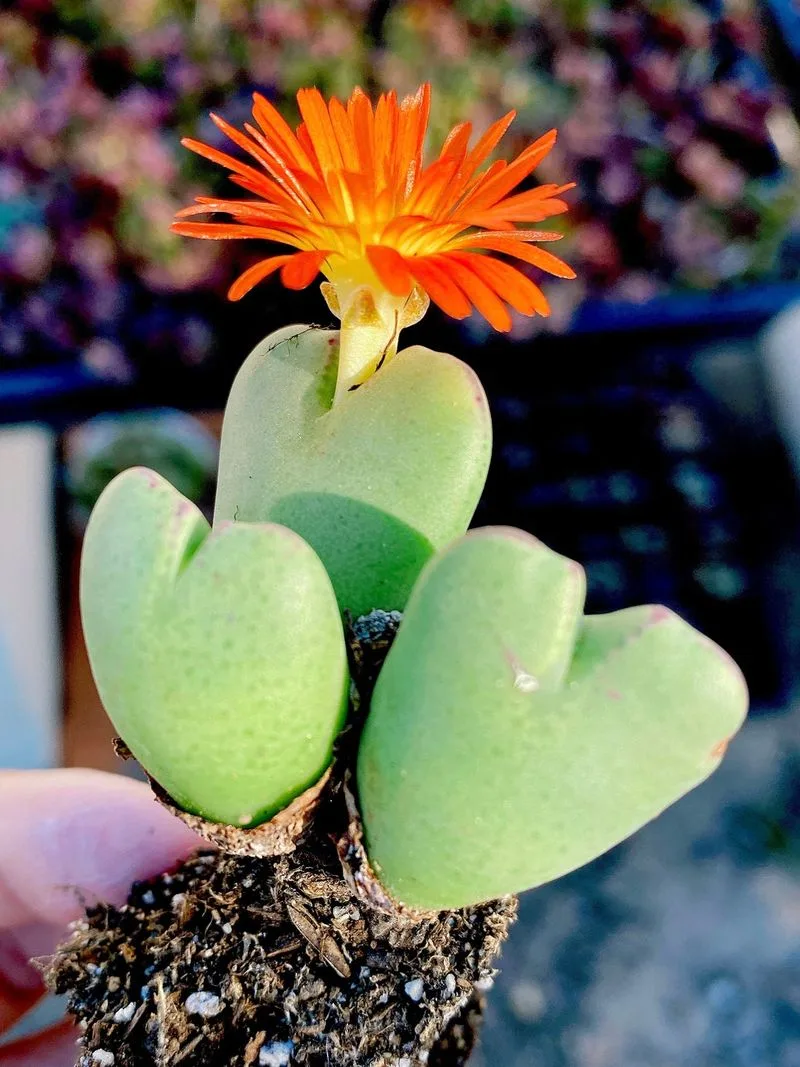
Distribution of two-lobed cone plant
Distribution map
- Native
- Introduced
- Cultivated
Source:WCVP v16 · Royal Botanic Gardens, Kew · CC BY 3.0 · Boundaries:WGSRPD / TDWG
Culture
Information to be completed
Toxicity
Information to be completed
Quick identification of two-lobed cone plant
Information to be completed
two-lobed cone plant care guide
- Water minimally, fully dry substrate between rare deep soakings
- Watering
- Full sun
- Sunlight
- Information to be completed
- Ideal temperature

Watering
Water minimally, fully dry substrate between rare deep soakings
Fertilizing
 Fertilizing
Highly diluted low-nitrogen succulent feed monthly warm months
Pruning
 Pruning
No pruning required
Propagation
 Propagation
Propagate by seed sown in gentle heat with high humidity reduce the humidity after germination. Propagate by offsets may be taken
Growing
 Growing
Grow under glass in a mixture of two parts each sharp sand and loam and one part leaf mould, in full light. Provide low humidity. Water sparingly when in growth and keep completely dry at other times. No additional ferrtilizer is needed
People also ask
Information to be completed
Common pests and diseases
Diseases
Generally diseasefree
Pests
May be susceptible to aphids
Explore the plant health library →




