
transparent cone plant
Also known as: Information to be completed
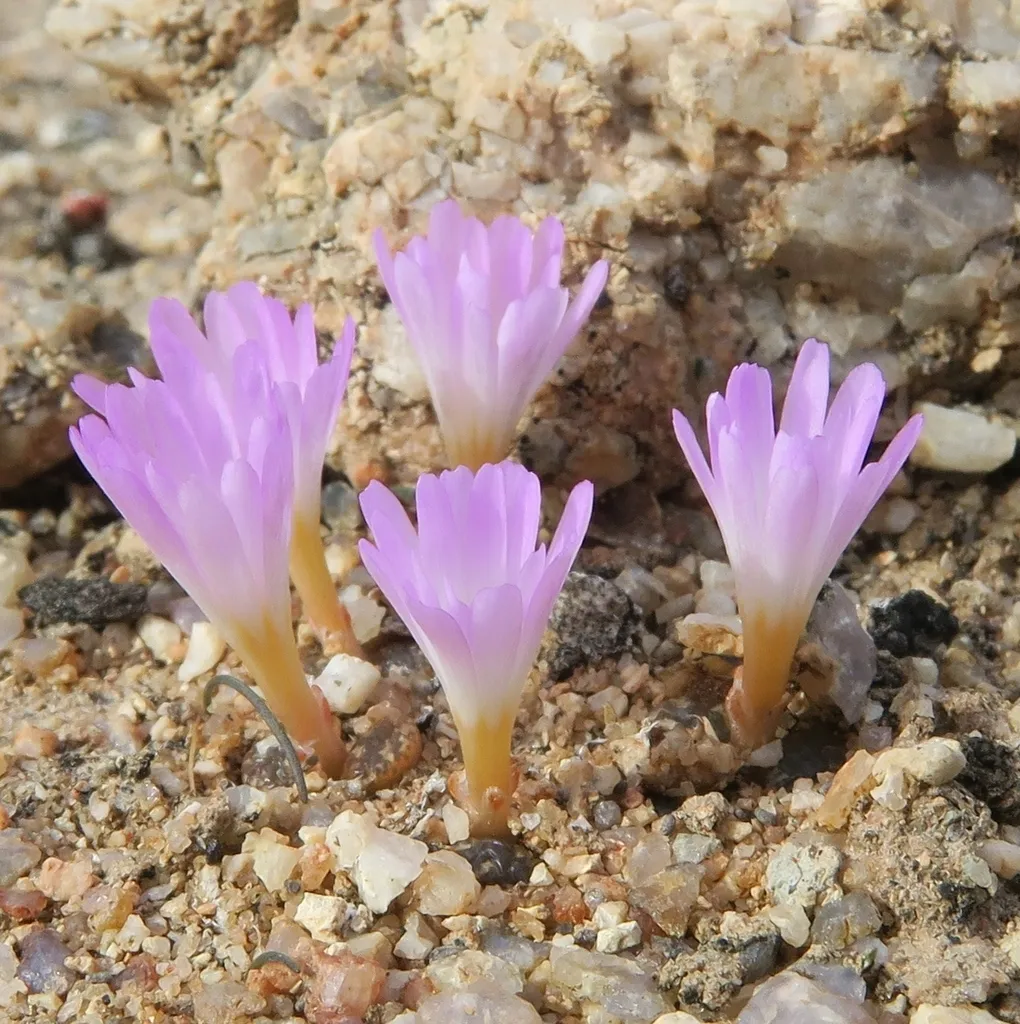
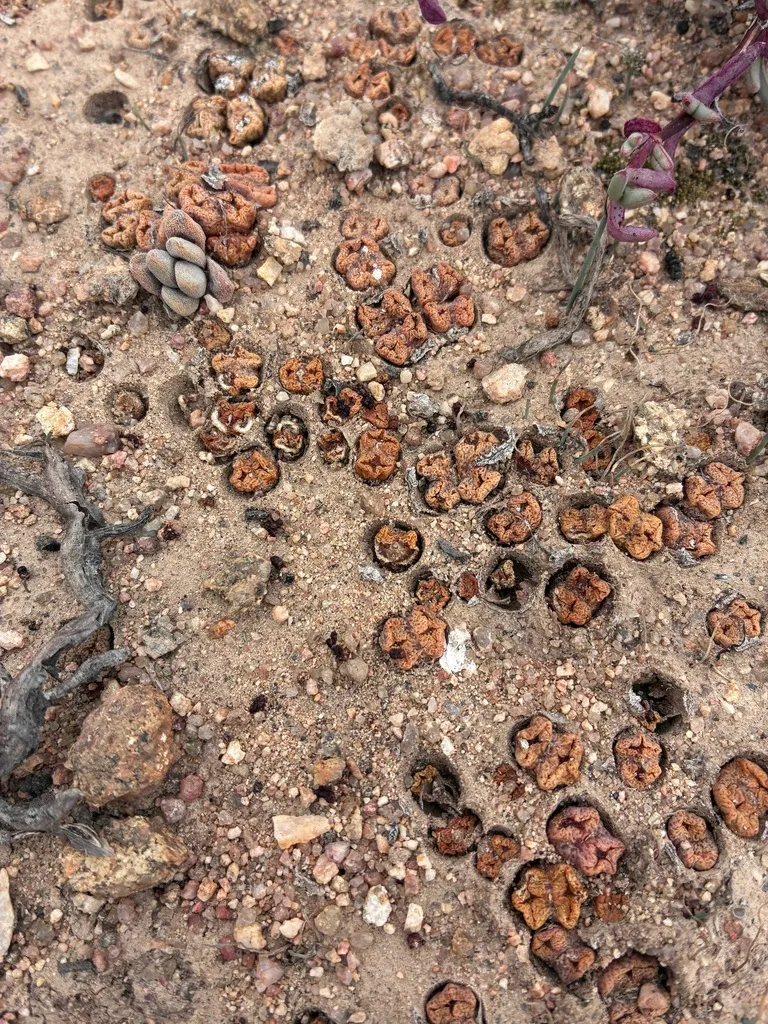
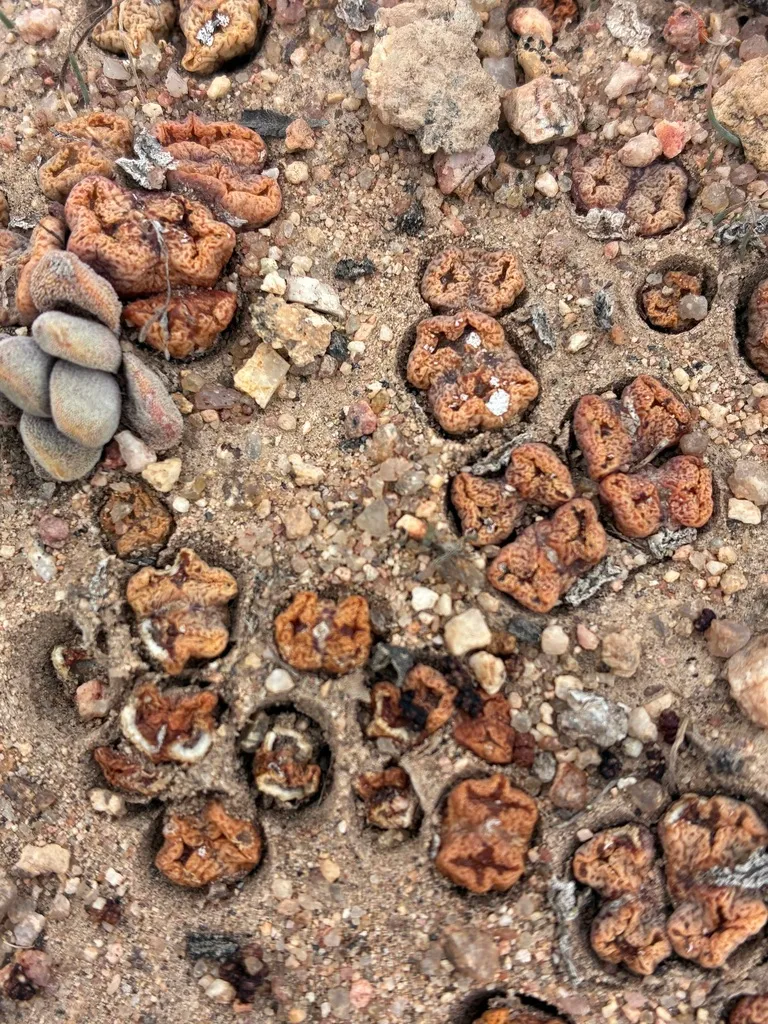
A tiny succulent plant producing grey-green to brown, fused leaf-pairs to 2cm tall. The top of the body appears covered in brown speckles. In late summer it bears bears white flowers with a yellow throat
Scientific classification
- Species
- transparent cone plant (Conophytum pellucidum)
- Genus
- Conophytum
- Family
- Aizoaceae
- Information to be completed
- Toxicity
- Cactus Succulent
- Plant type
- Up to 10 cm
- Height
- 0-0.1 metre
- Spread
- Semi evergreen
- Foliage
- Clump forming
- Habit
- Spring · Summer · Autumn · Winter
- Season of interest
- Full sun
- Sunlight
- Information to be completed
- Ideal temperature









transparent cone plant pictures
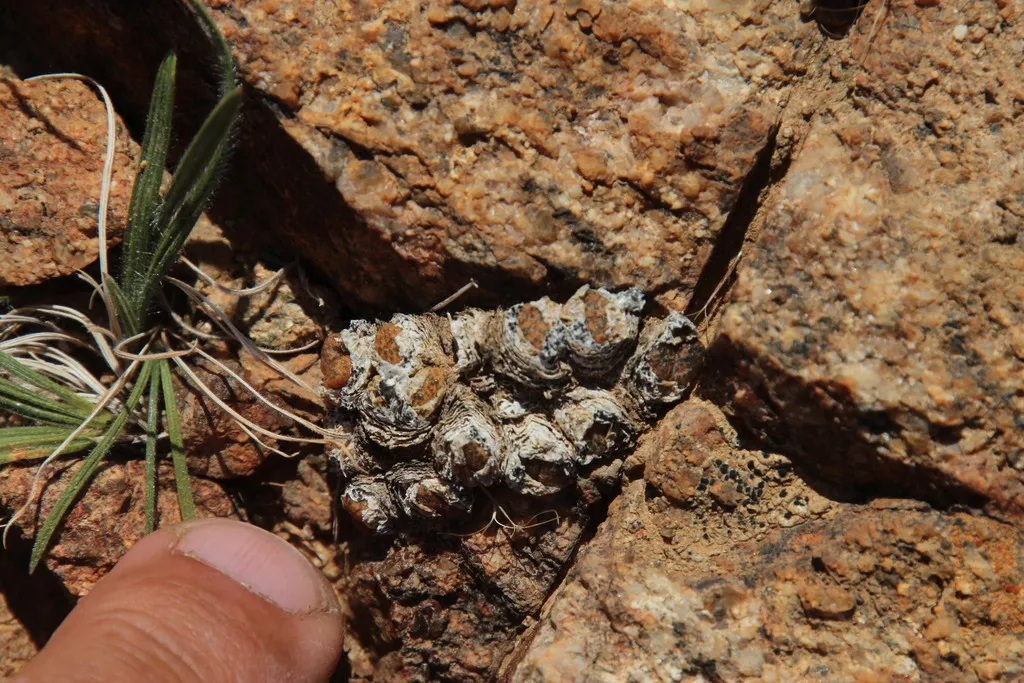
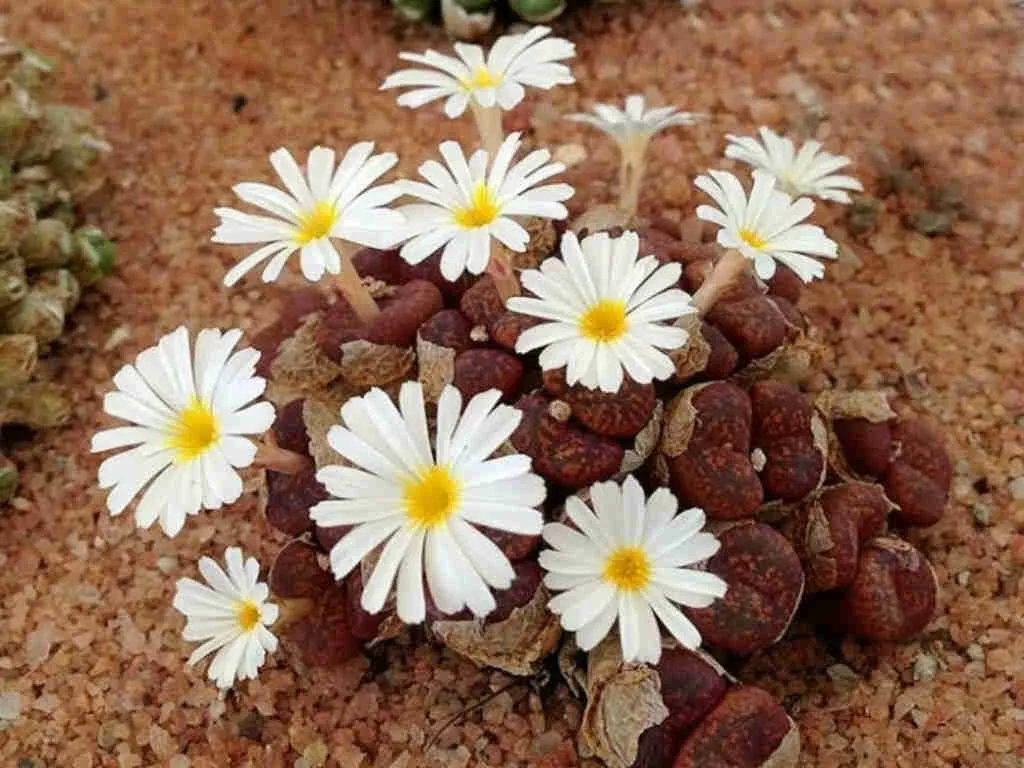
Distribution of transparent cone plant
Distribution map
South Africa (Cape)
Information to be completed
Culture
Information to be completed
Toxicity
Information to be completed
Quick identification of transparent cone plant
Information to be completed
transparent cone plant care guide
- Moderate regular watering, avoid prolonged drought and stagnant waterlogging
- Watering
- Full sun
- Sunlight
- Information to be completed
- Ideal temperature

Watering
Moderate regular watering, avoid prolonged drought and stagnant waterlogging
Fertilizing
 Fertilizing
Balanced perennial feed every four weeks spring through summer growth
Pruning
 Pruning
No pruning required
Propagation
 Propagation
Propagate by surface sowing seed at 20-25°C in late winter in moist, shady conditions. Gradually increase light and reduce humidity after germination. Separate and root complete bodies in late summer
Growing
 Growing
Under glass, grow in a mix of 2 parts loam to 1 part each sharp sand and leaf mould, in full light with low humidity. Water sparingly from late summer to early winter and again in spring; additional fertiliser is not necessary. Conophytums need a dormancy period from late spring till midsummer and should be kept dry at this time
People also ask
Information to be completed
Common pests and diseases
Diseases
Generally disease-free
Pests
May be susceptible to aphids
Explore the plant health library →




