
Alocasia brisbanensis
Also known as: Information to be completed
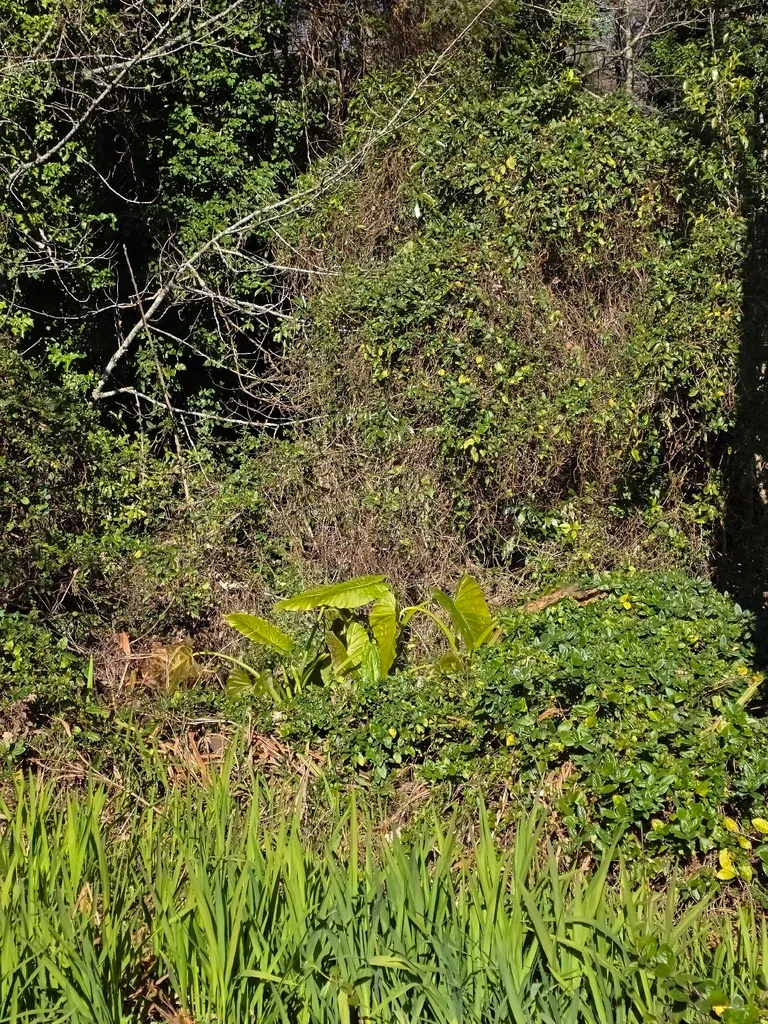
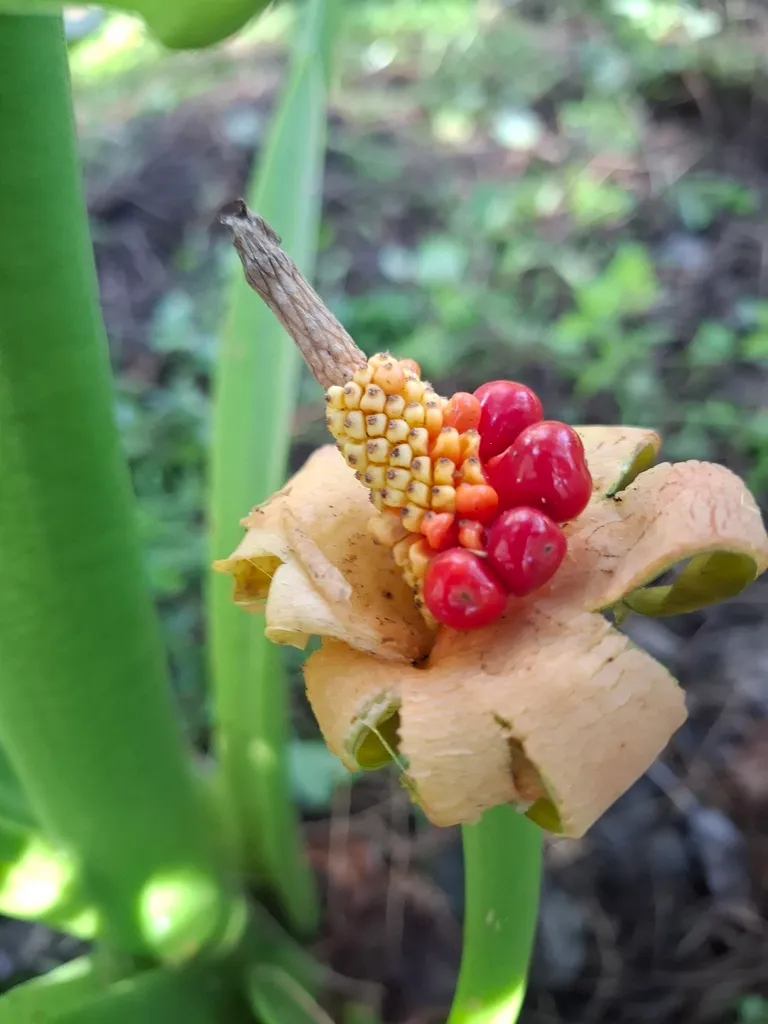
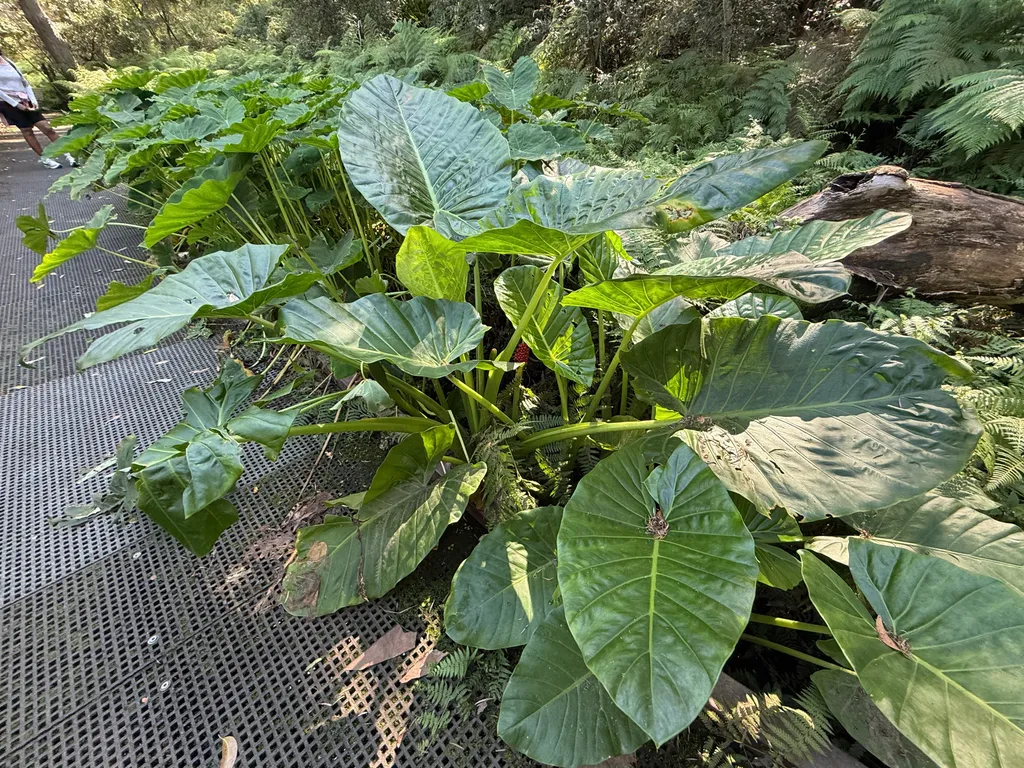
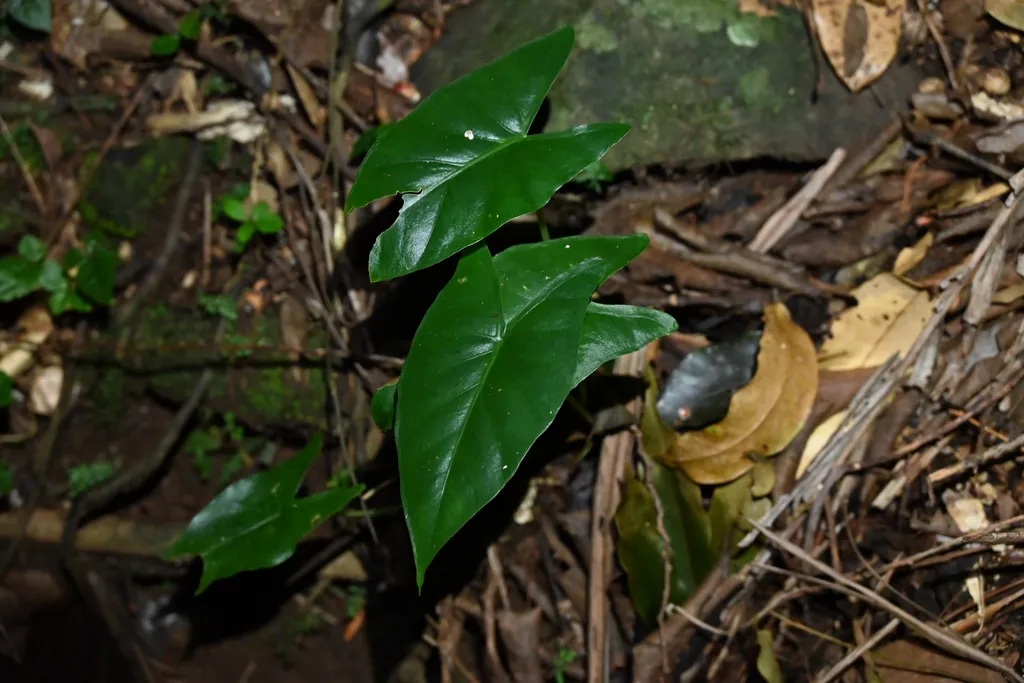
A species of rhizomatous evergreen perennials native to the rainforests of Eastern Australia grown as a foliage plant, with large, rippled, spade-shaped dark green glossy foliage on dark green stems and fragrant, green-cream flowers which appear in the summer, similar to arum lily. Clusters of red berries appear on spikes after flowering
Scientific classification
- Species
- Alocasia brisbanensis (Alocasia brisbanensis)
- Genus
- Alocasia
- Family
- Araceae
- Order
- Alismatales
- Class
- Liliopsida
- Phylum
- Magnoliophyta
- TOXIC if eaten, skin/eye irritant. Wear gloves and other protective equipment when handling]
- Toxicity
- Herbaceous Perennial
- Plant type
- 1-1.5 metres
- Height
- 1-1.5 metres
- Spread
- Evergreen
- Foliage
- Bushy · Clump forming
- Habit
- Spring · Summer · Autumn · Winter
- Season of interest
- Full sun · Partial shade
- Sunlight
- Information to be completed
- Ideal temperature









Alocasia brisbanensis pictures
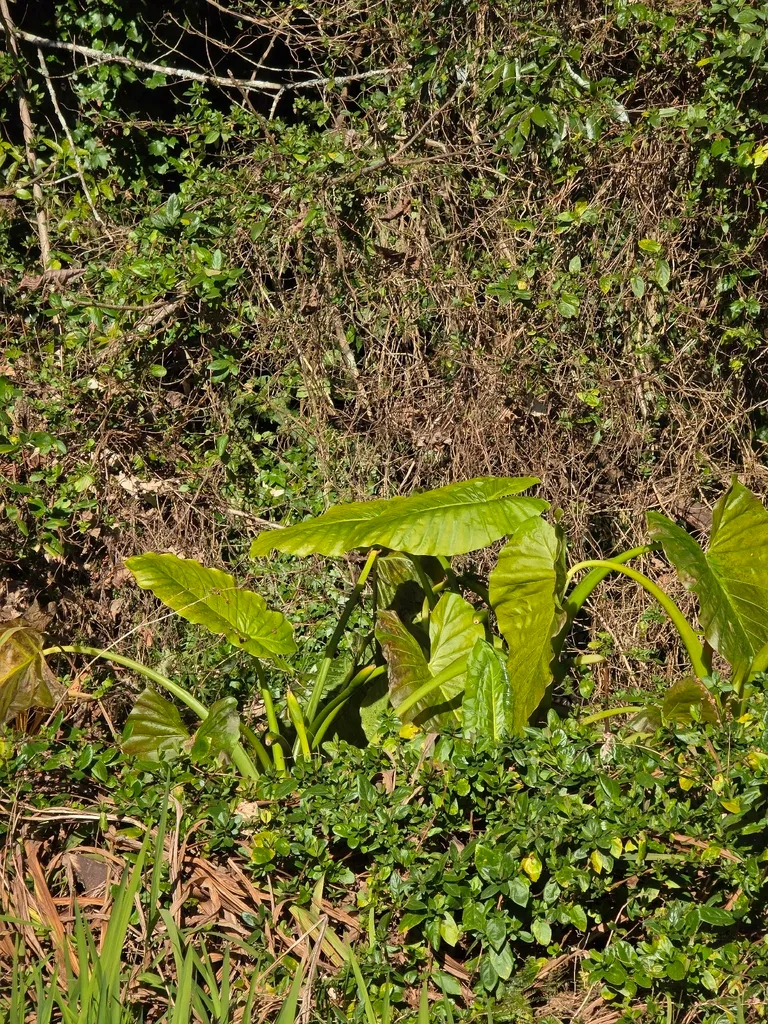
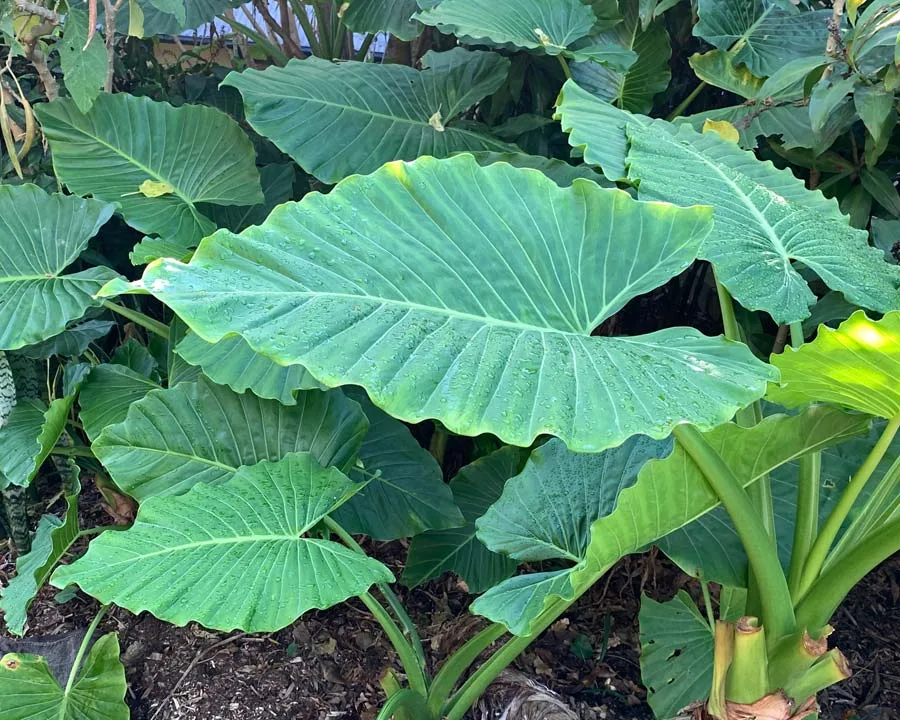
Distribution of Alocasia brisbanensis
Distribution map
- Native
- Introduced
- Cultivated
Source:WCVP v16 · Royal Botanic Gardens, Kew · CC BY 3.0 · Boundaries:WGSRPD / TDWG
Toxicity
TOXIC if eaten, skin/eye irritant. Wear gloves and other protective equipment when handling]
Alocasia brisbanensis care guide
- Moderate regular watering, allowing brief slight drying between soakings
- Watering
- Full sun · Partial shade
- Sunlight

Watering
Moderate regular watering, allowing brief slight drying between soakings
Fertilizing
 Fertilizing
Balanced perennial feed every four weeks from spring through summer
Pruning
 Pruning
No pruning required
Propagation
 Propagation
Propagate by division of offsets at the base of the plant
Growing
 Growing
Grow in a sheltered, warm location in free-draining humus-rich soil in dappled sunlight. Protect from frost and cold winds. If growing as a houseplant, place a layer of gravel or pebbles at the base of the pot to encourage free-draining. Reduce watering in winter. Feed regularly with a balanced liquid fertiliser during the growing season. See houseplant cultivation for further advice
Common pests and diseases
Diseases
Generally disease-free
Pests
May be susceptible to aphids and caterpillars
Explore the plant health library →




