
early stachyurus
Also known as: Information to be completed
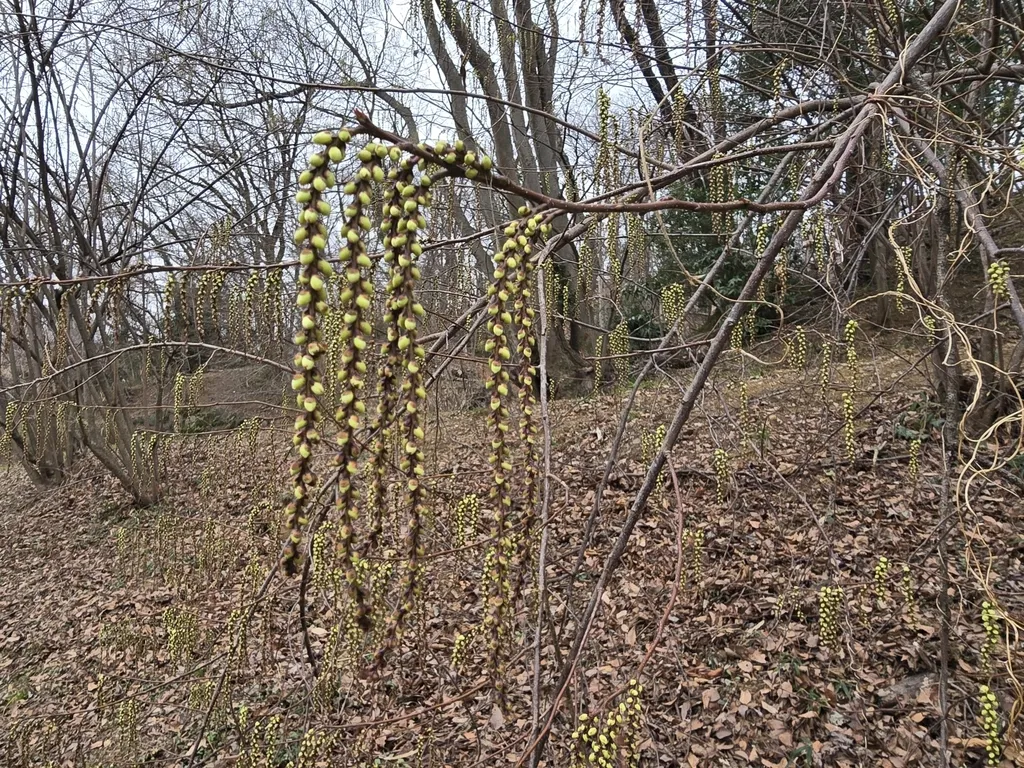
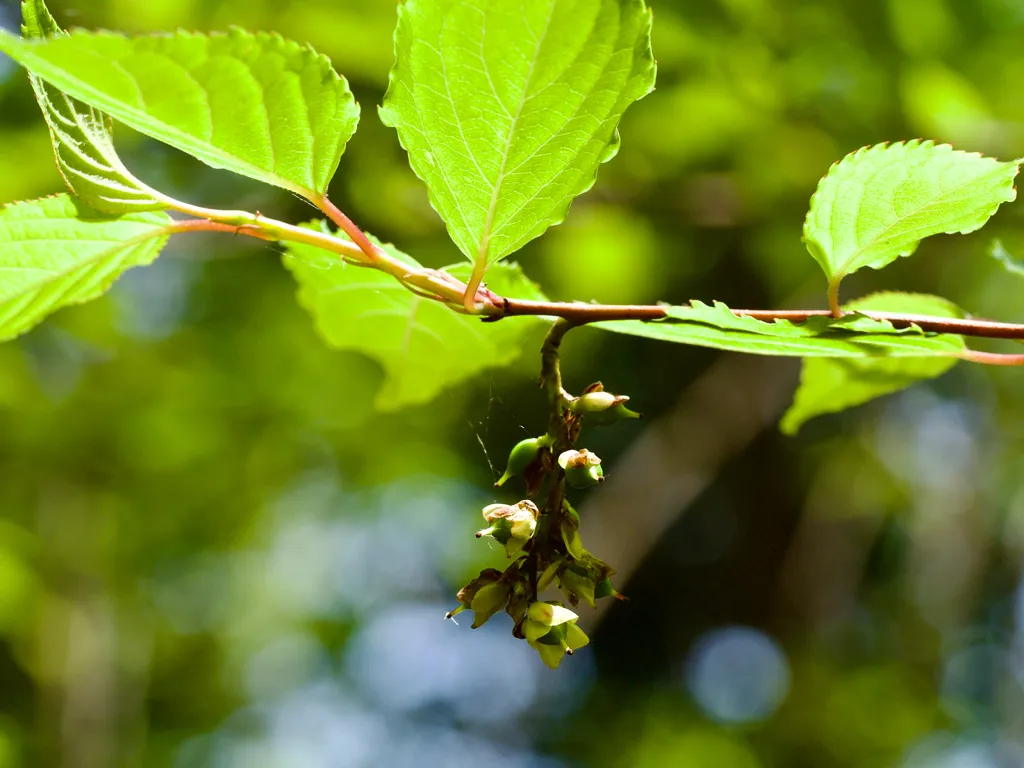
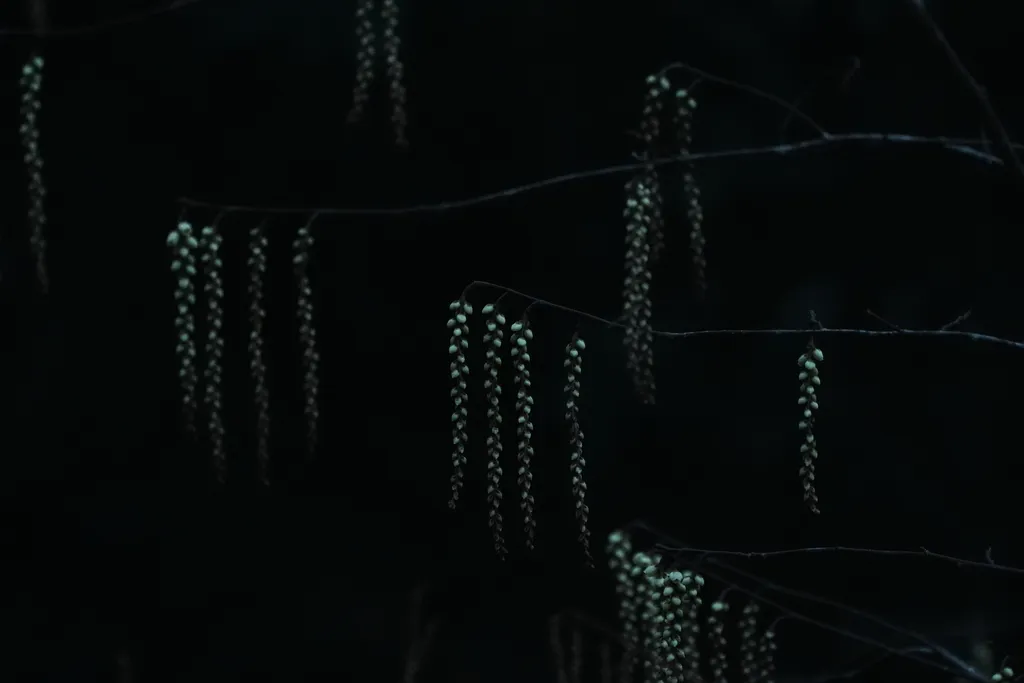
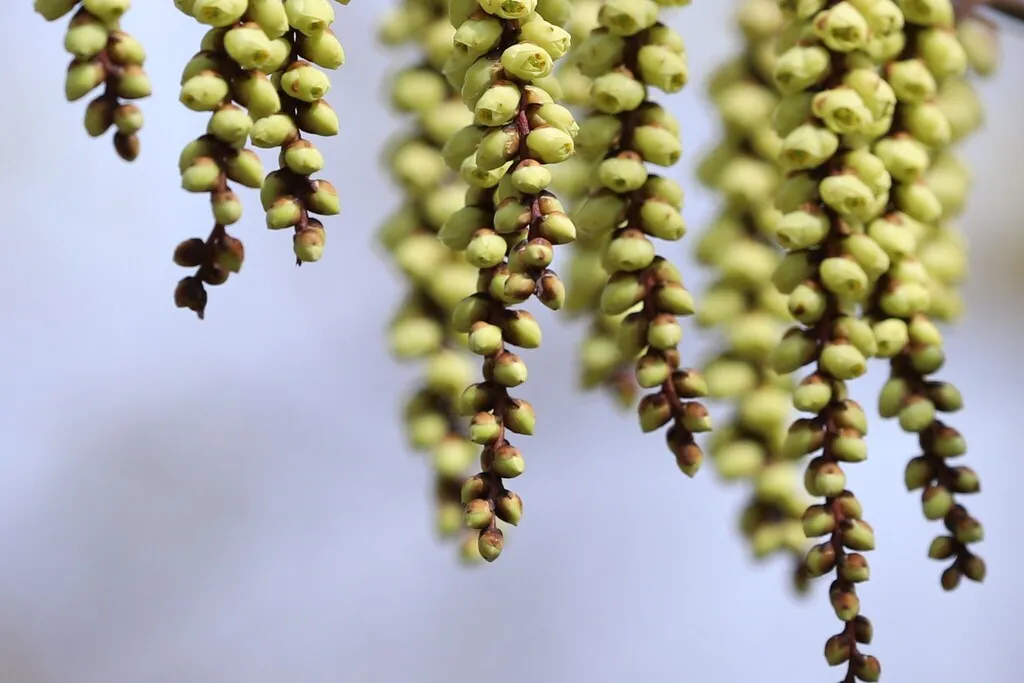
S. praecox is a spreading large deciduous shrub with slender-pointed, ovate leaves 8-15cm in length, and stiffly-drooping racemes to 8cm in length of bell-shaped, pale yellow flowers 8mm width
Scientific classification
- Species
- early stachyurus (Stachyurus praecox)
- Genus
- Stachyurus
- Family
- Stachyuraceae
- Information to be completed
- Toxicity
- Shrubs
- Plant type
- 2.5-4 metres
- Height
- 1.5-2.5 metres
- Spread
- Deciduous
- Foliage
- Bushy
- Habit
- Spring · Summer · Autumn · Winter
- Season of interest
- Full sun · Partial shade
- Sunlight
- Information to be completed
- Ideal temperature









early stachyurus pictures
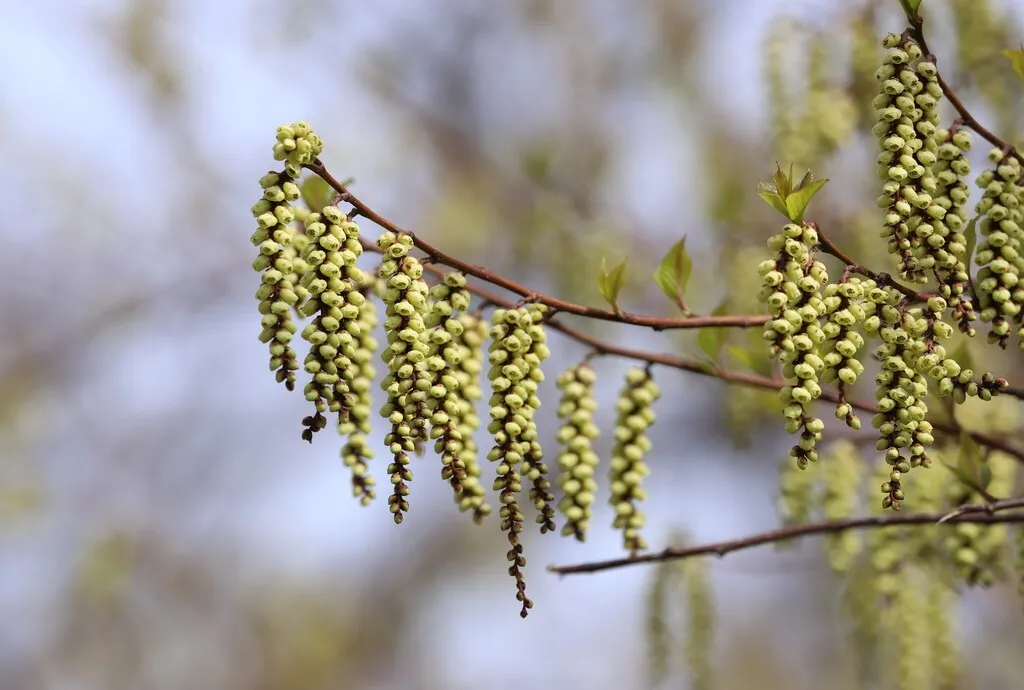
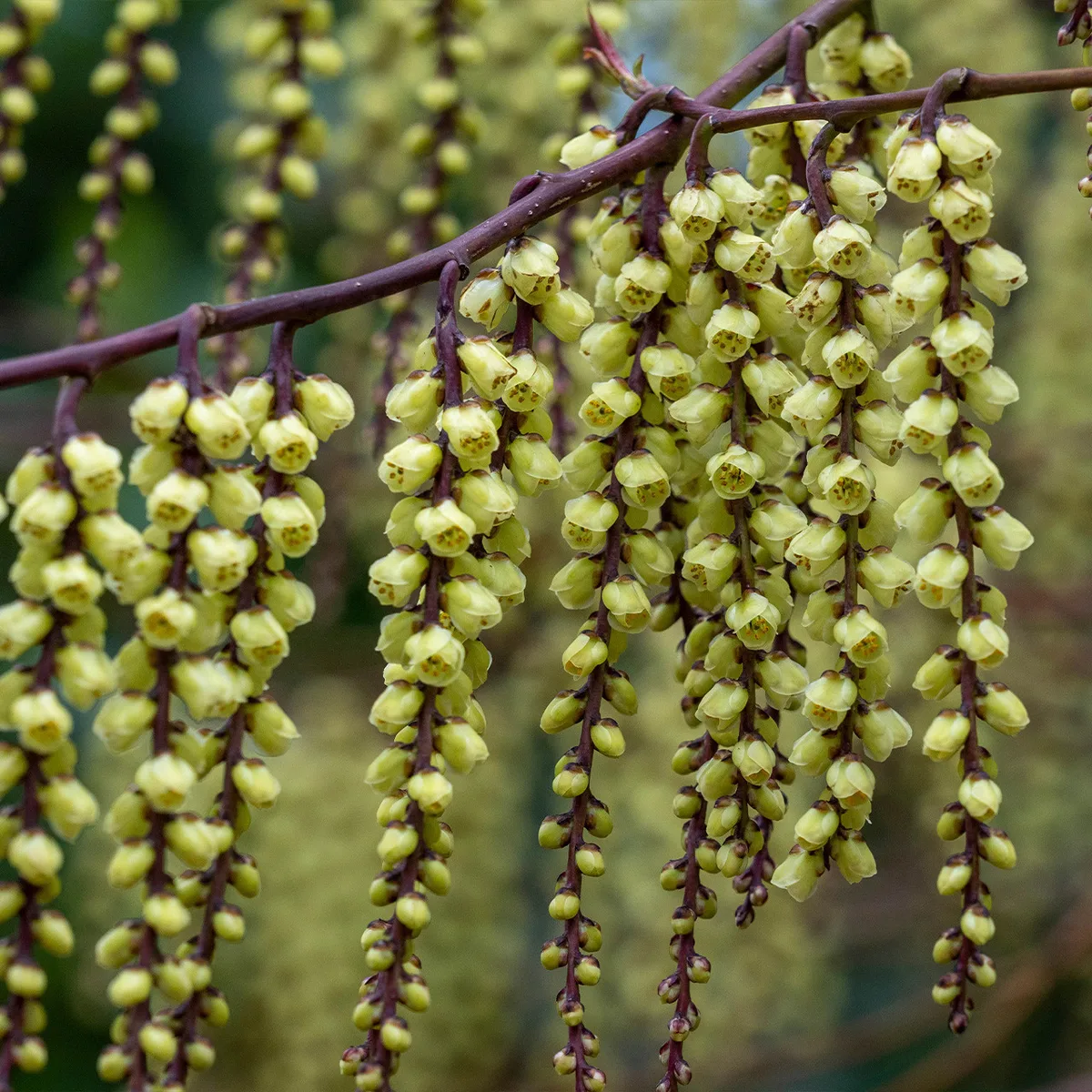
Distribution of early stachyurus
Distribution map
Japan, Korea
Information to be completed
Culture
Information to be completed
Toxicity
Information to be completed
Quick identification of early stachyurus
Information to be completed
early stachyurus care guide
- Deep soak weekly spring-autumn, minimal water supply in winter
- Watering
- Full sun · Partial shade
- Sunlight
- Information to be completed
- Ideal temperature

Watering
Deep soak weekly spring-autumn, minimal water supply in winter
Fertilizing
 Fertilizing
Balanced woody shrub feed applied once at spring bud break
Pruning
 Pruning
Little pruning is needed. Remove diseased, damaged, crowded or crossing shoots and unwanted growth. Timing depends on the plant: generally late winter or early spring; plants prone to bleeding and deciduous magnolias need different timing, and deciduous azaleas and lilacs are pruned after flowering.
Propagation
 Propagation
Propagate by seed or heeled semi-hardwood cuttings
Growing
 Growing
Grow in light moist but well-drained, humus-rich, neutral to acidic soils. Suitable for shrub border or for growing in woodland garden or against a wall
People also ask
Information to be completed
Common pests and diseases
Diseases
May be susceptible to honey fungus in gardens where it is present but insufficient data to determine degree of susceptibility
Pests
Generally pest-free
Explore the plant health library →




