
ivory-flowered bladdernut
Also known as: Information to be completed
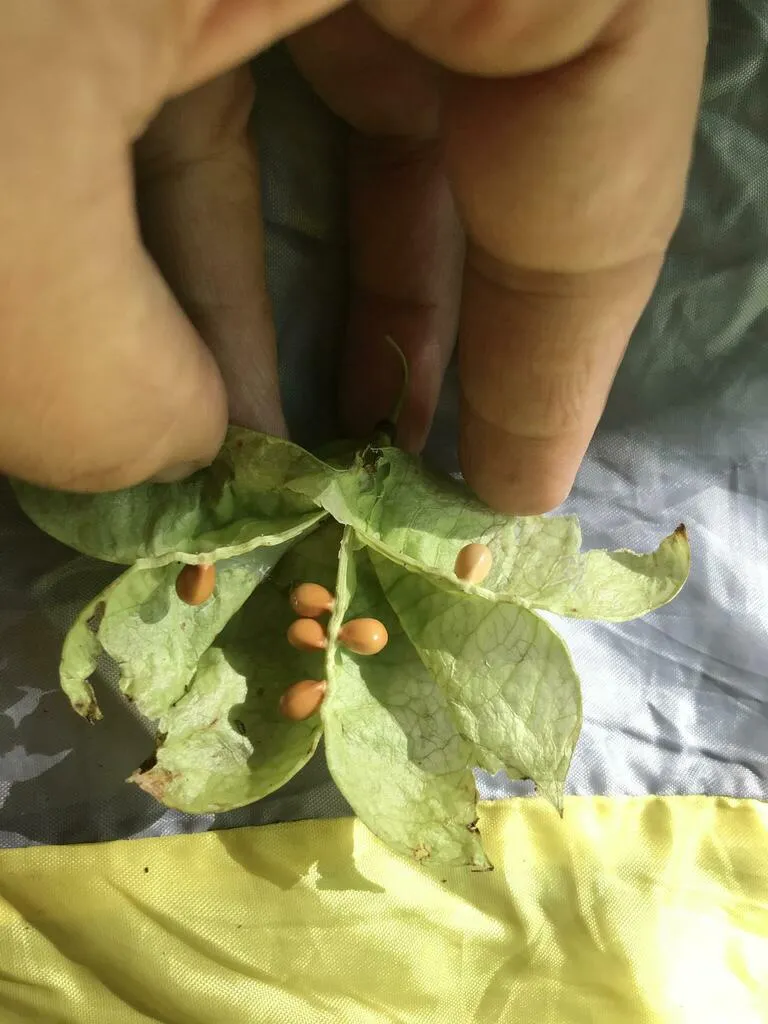
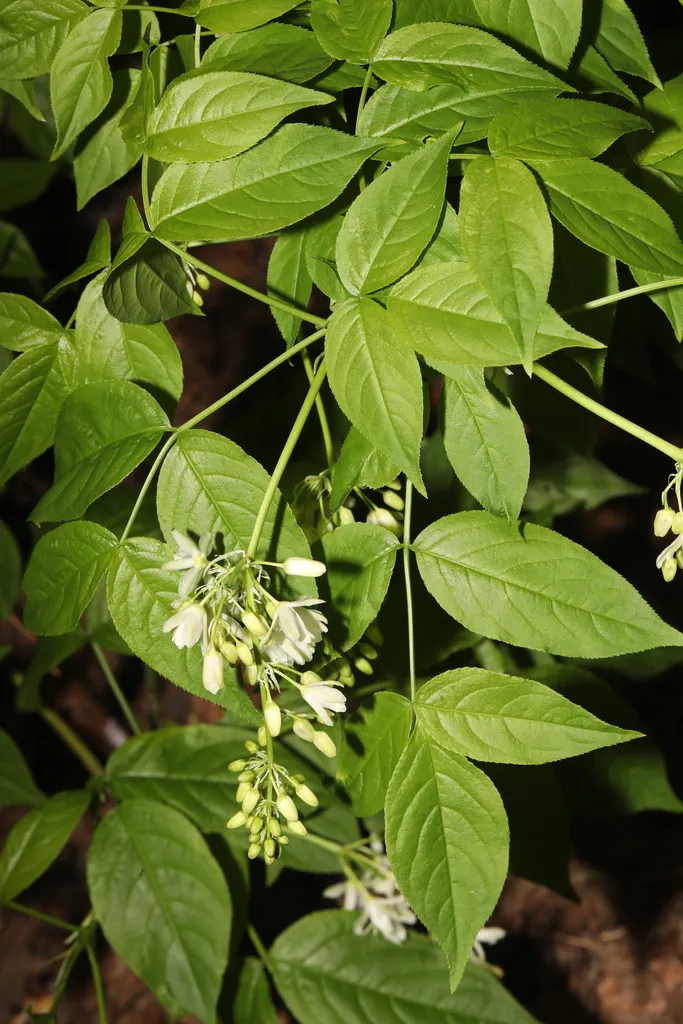
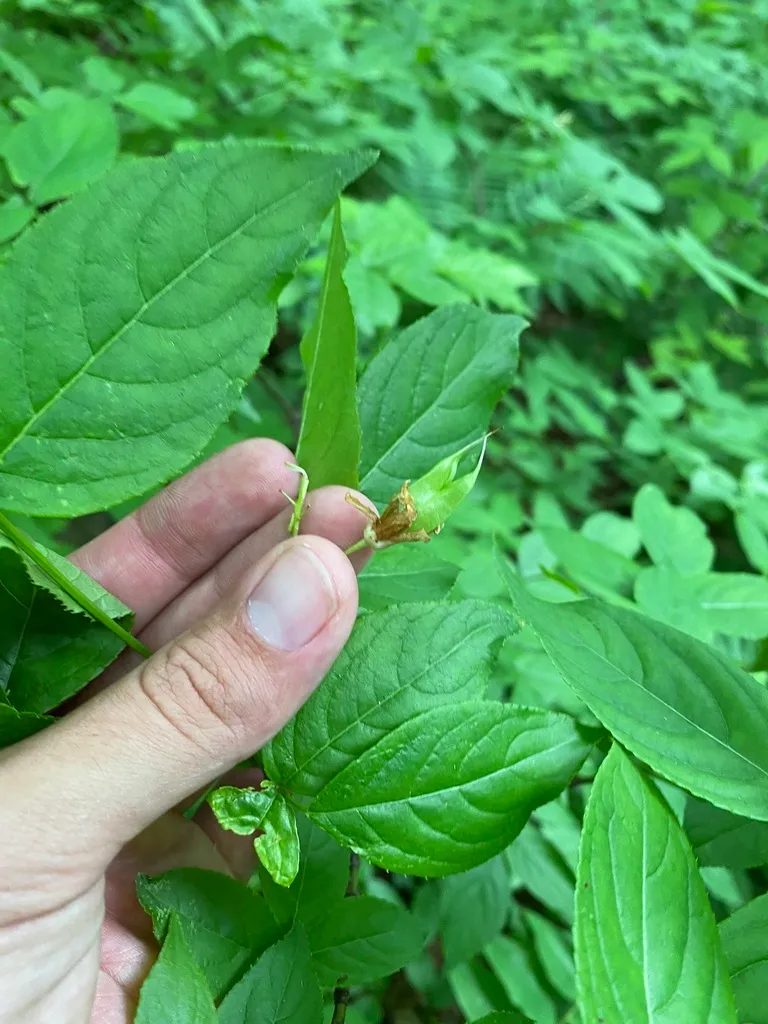
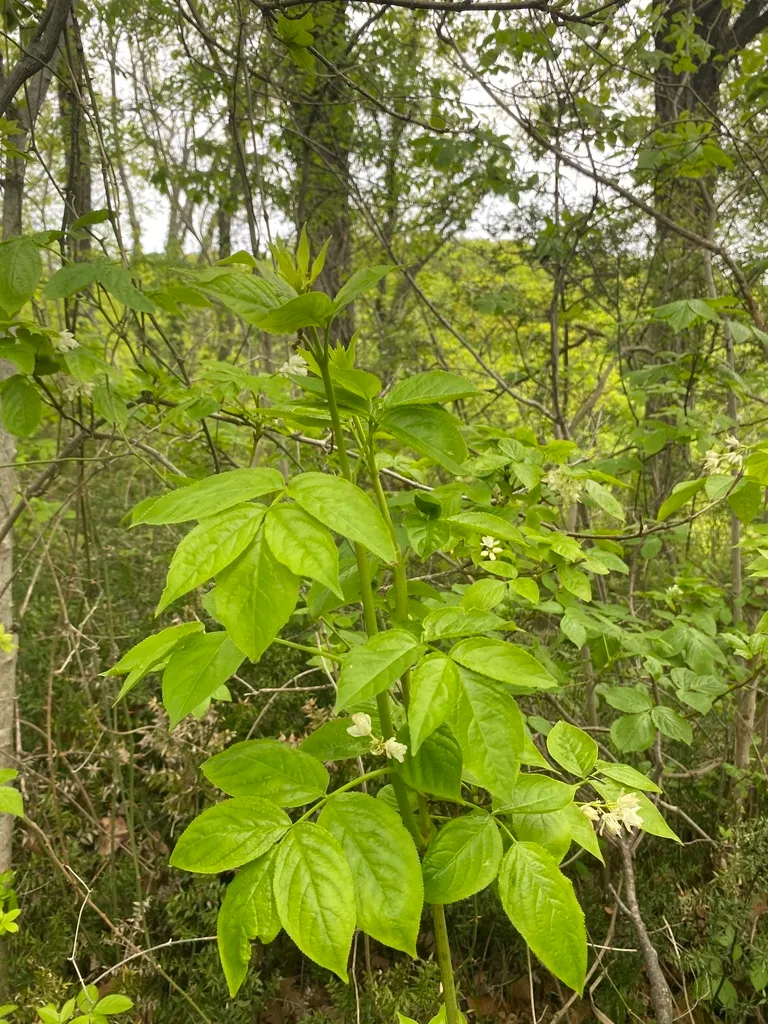
S. colchica is an upright, deciduous shrub, with glossy leaves of three or five leaflets. In late spring it bears small, white, fragrant, bell-shaped flowers in hanging clusters up to 12cm long. They are followed by large, greenish-white, inflated fruit
Scientific classification
- Species
- ivory-flowered bladdernut (Staphylea colchica)
- Genus
- Staphylea
- Family
- Staphyleaceae
- Information to be completed
- Toxicity
- Shrubs
- Plant type
- 2.5-4 metres
- Height
- 2.5-4 metres
- Spread
- Deciduous
- Foliage
- Bushy
- Habit
- Spring · Summer · Autumn
- Season of interest
- Full sun · Partial shade
- Sunlight
- Information to be completed
- Ideal temperature









ivory-flowered bladdernut pictures
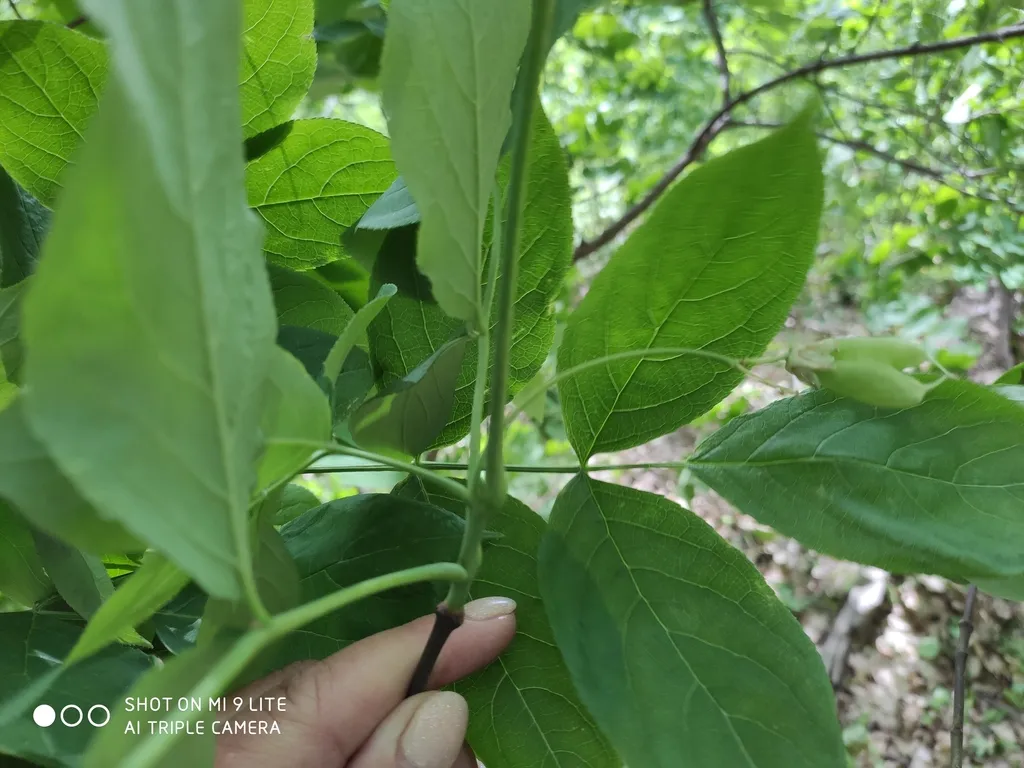
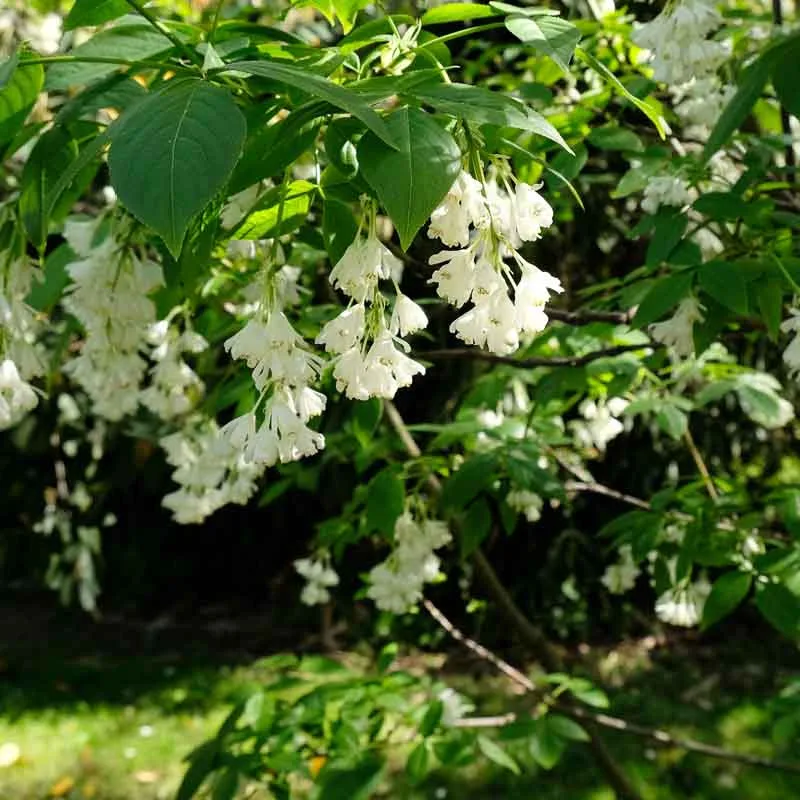
Distribution of ivory-flowered bladdernut
Distribution map
Caucasus
Information to be completed
Culture
Information to be completed
Toxicity
Information to be completed
Quick identification of ivory-flowered bladdernut
Information to be completed
ivory-flowered bladdernut care guide
- Water regularly during dry periods; keep the soil moist but well-drained.
- Watering
- Full sun · Partial shade
- Sunlight
- Information to be completed
- Ideal temperature

Watering
Water regularly during dry periods; keep the soil moist but well-drained.
Fertilizing
 Fertilizing
Apply a balanced fertilizer in early spring before new growth emerges.
Pruning
 Pruning
Little pruning is needed. Remove diseased, damaged, crowded or crossing shoots and unwanted growth. Timing depends on the plant: generally late winter or early spring; plants prone to bleeding and deciduous magnolias need different timing, and deciduous azaleas and lilacs are pruned after flowering.
Propagation
 Propagation
Propagate by seed sown in containers in a cold frame in autumn, or by softwood cuttings in early summer or semi-ripe cuttings in midsummer, both with bottom heat
Growing
 Growing
Easy to grow in any moist, well-drained soil in sun or semi-shade
People also ask
Information to be completed
Common pests and diseases
Diseases
Generally trouble free
Pests
Generally trouble free
Explore the plant health library →




