
long-leaved stenoglottis
Also known as: Information to be completed
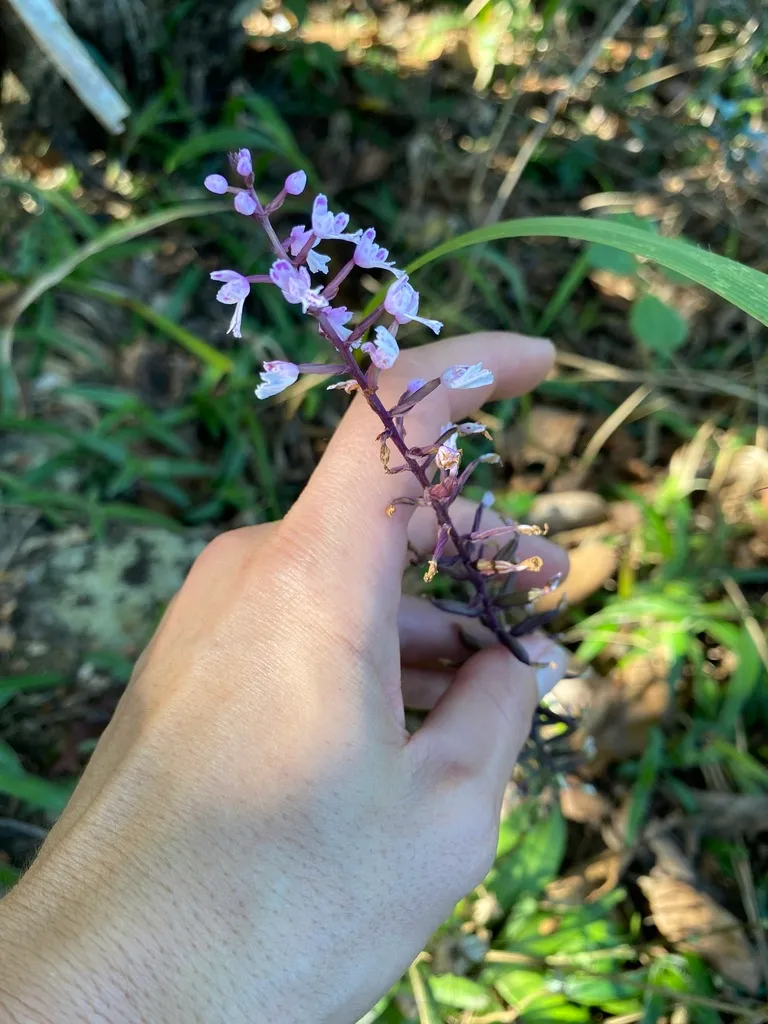
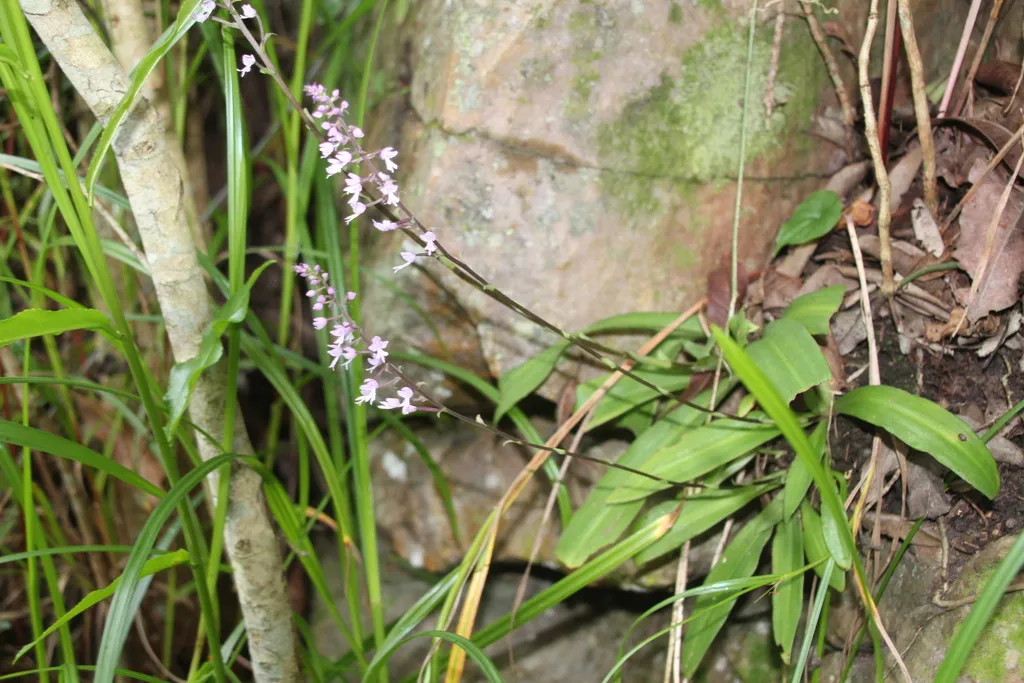
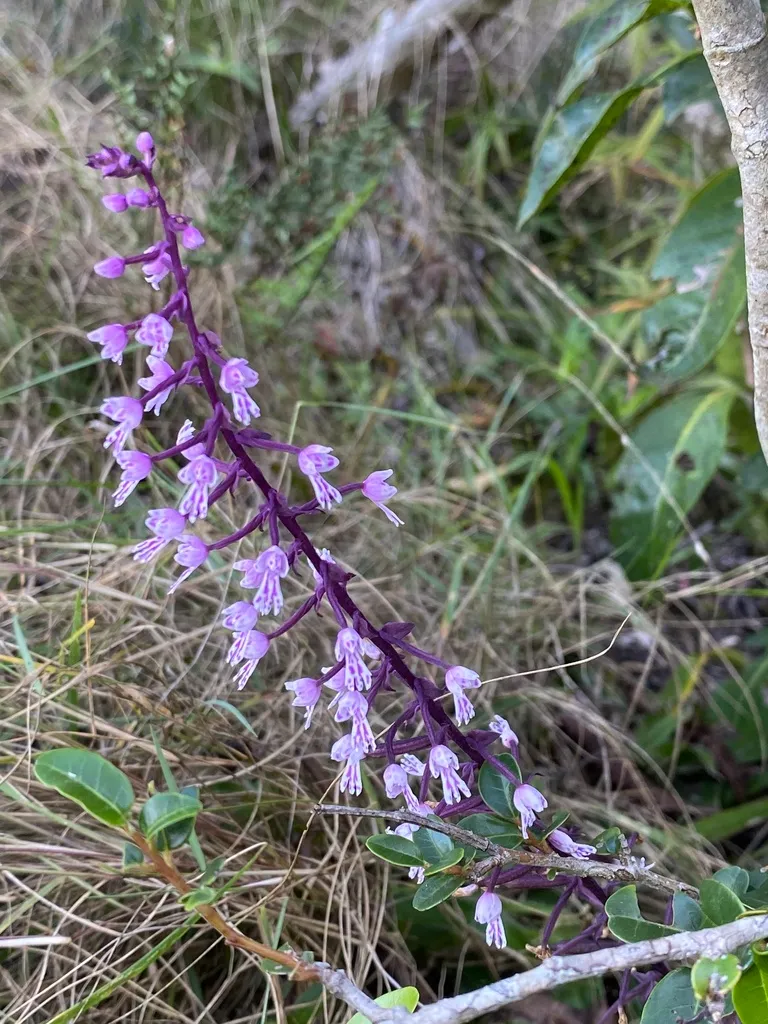
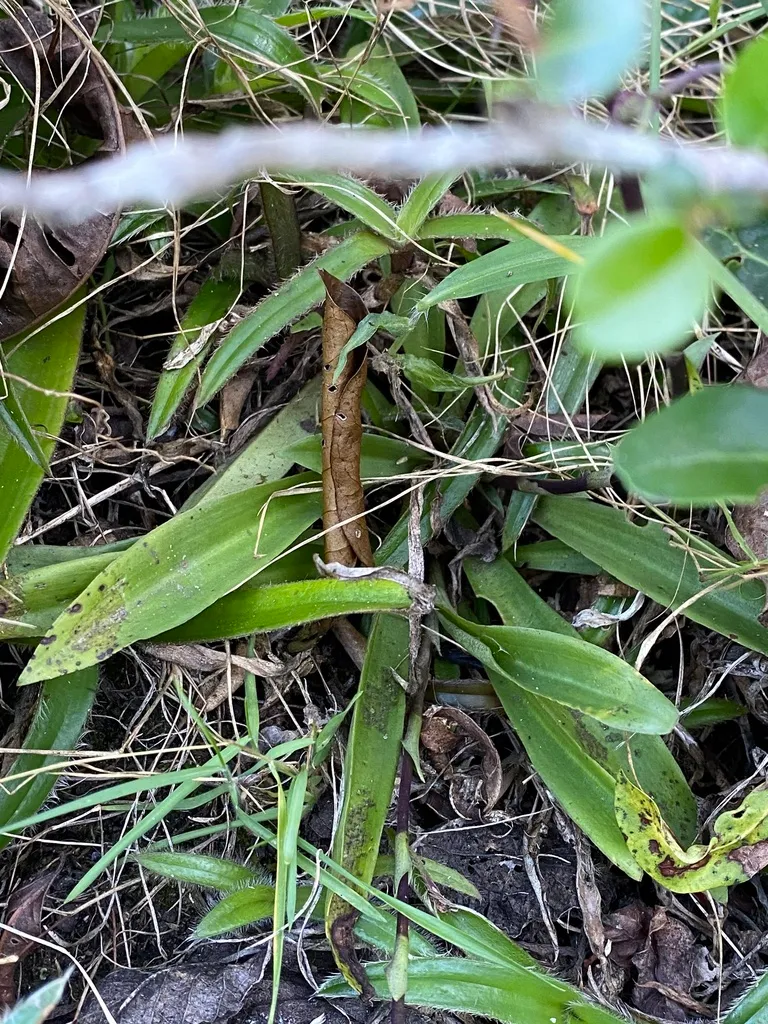
A deciduous, terrestrial orchid forming dense basal rosette clusters with slender bright green leaves to 18cm long and flower stems reaching 22-50cm in height. Masses of pink or light purple flowers in panicles, with a spotted lip, open sequentially over summer and autumn giving an extended flowering period.
Scientific classification
- Species
- long-leaved stenoglottis (Stenoglottis longifolia)
- Genus
- Stenoglottis
- Family
- Orchidaceae
- Order
- Asparagales
- Class
- Liliopsida
- Phylum
- Magnoliophyta
- Information to be completed
- Toxicity
- Conservatory Greenhouse · Houseplants
- Plant type
- 0.1-0.5 metres
- Height
- 0.1-0.5 metres
- Spread
- Deciduous
- Foliage
- Columnar upright
- Habit
- Spring · Summer · Autumn · Winter
- Season of interest
- Partial shade
- Sunlight
- Information to be completed
- Ideal temperature









long-leaved stenoglottis pictures
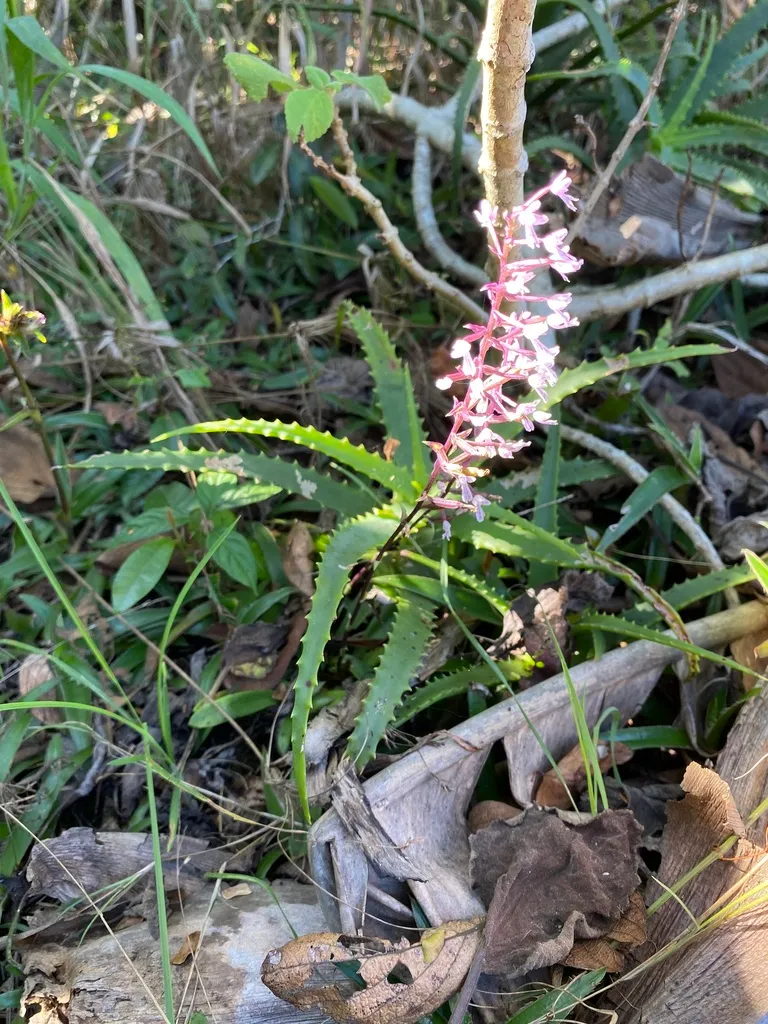
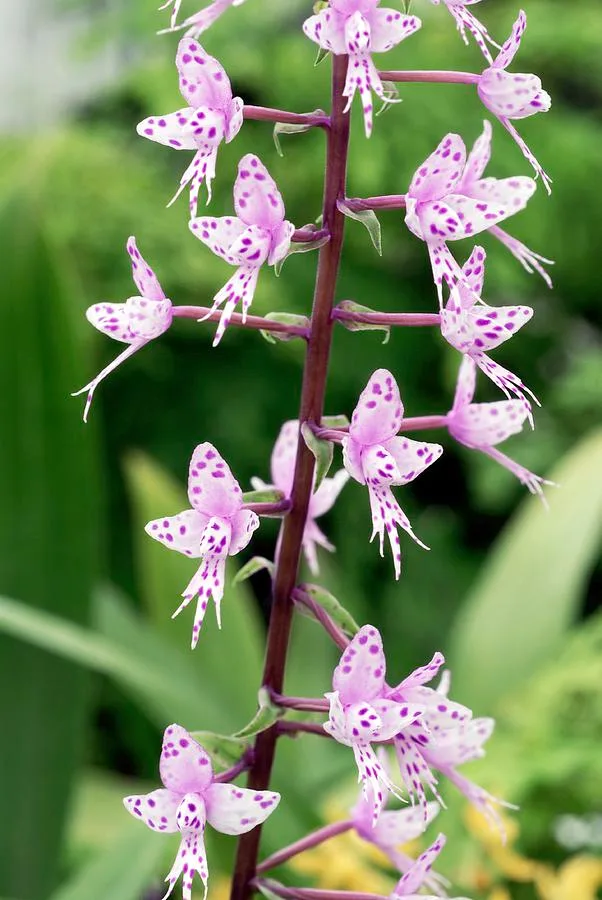
Distribution of long-leaved stenoglottis
Distribution map
- Native
- Introduced
- Cultivated
Source:WCVP v16 · Royal Botanic Gardens, Kew · CC BY 3.0 · Boundaries:WGSRPD / TDWG
long-leaved stenoglottis care guide
- Moderate regular watering, allowing brief slight drying between soakings
- Watering
- Partial shade
- Sunlight

Watering
Moderate regular watering, allowing brief slight drying between soakings
Fertilizing
 Fertilizing
Balanced perennial feed every four weeks from spring through summer
Pruning
 Pruning
No pruning required
Propagation
 Propagation
Division of roots when plant is potted at the end of the dormancy period. Tease out the roots carefully, only discarding any shrivelled ones.
Growing
 Growing
Can be grown on a cool windowsill kept below 25°C with a minimum night temperature of 5°C. Compost can be a 50:50 mixture of bark, sphagnum moss or sand or perlite and leaf compost. Plants become dormant after flowering when watering should cease, restarting again when new shoots appear
Common pests and diseases
Diseases
Generally disease-free
Pests
May be susceptible to aphids, glasshouse red spider mite and mealybugs
Explore the plant health library →




