
Henbit Deadnettle
Also known as: Henbit, Common Henbit, Greater Henbit
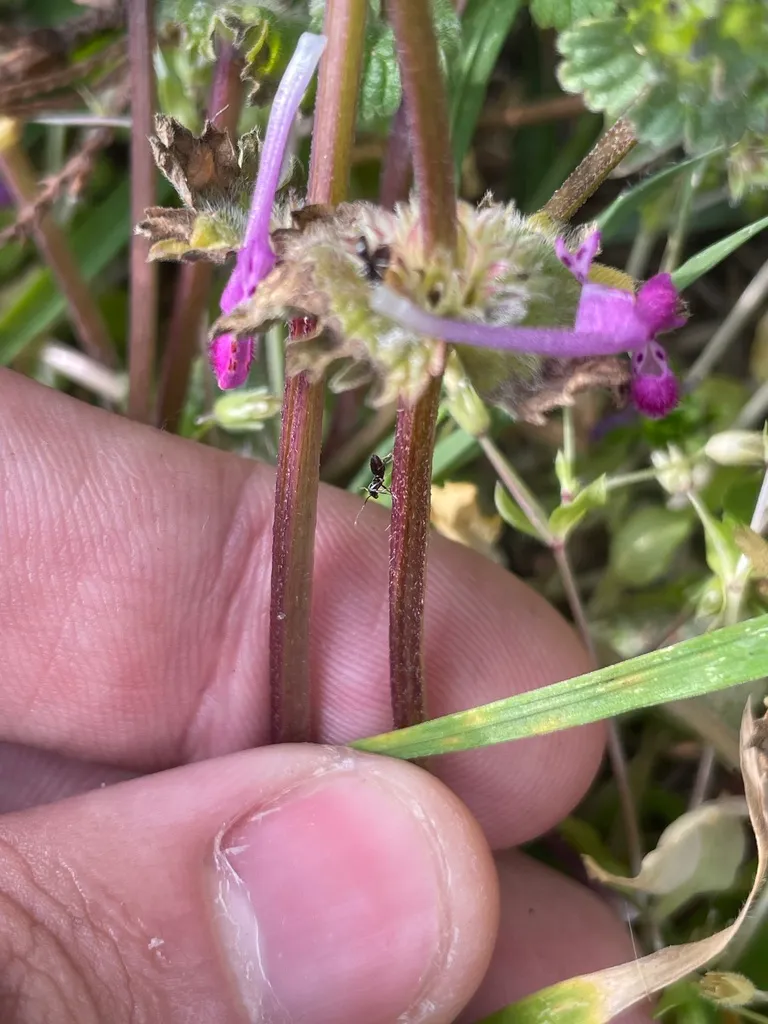
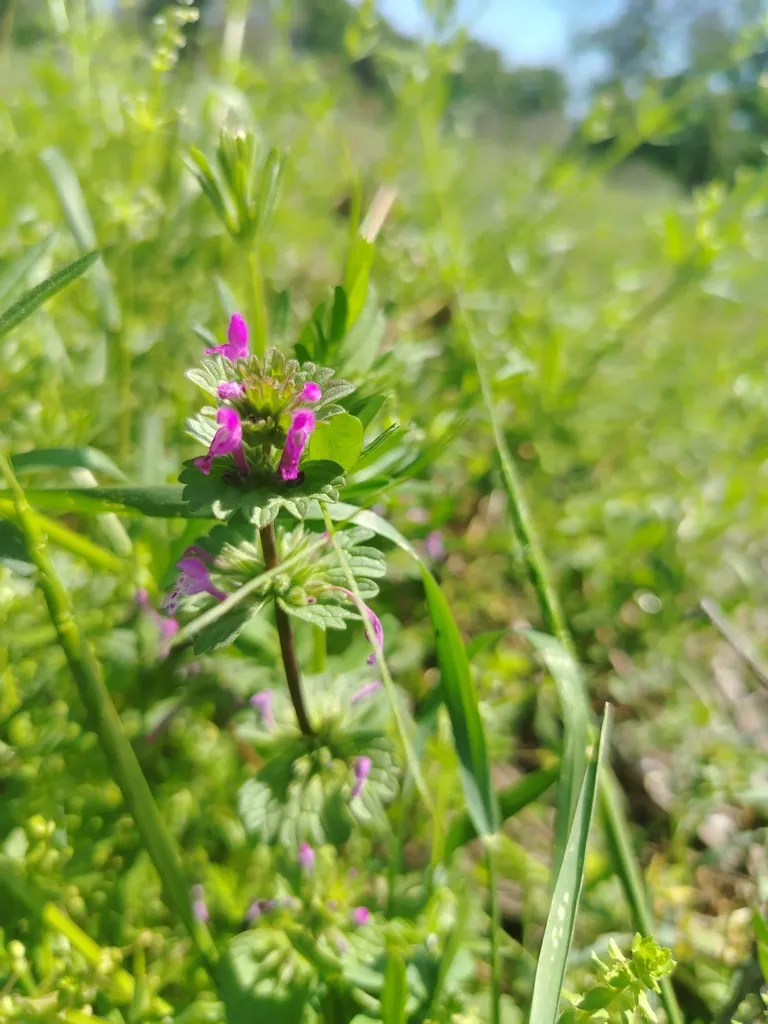
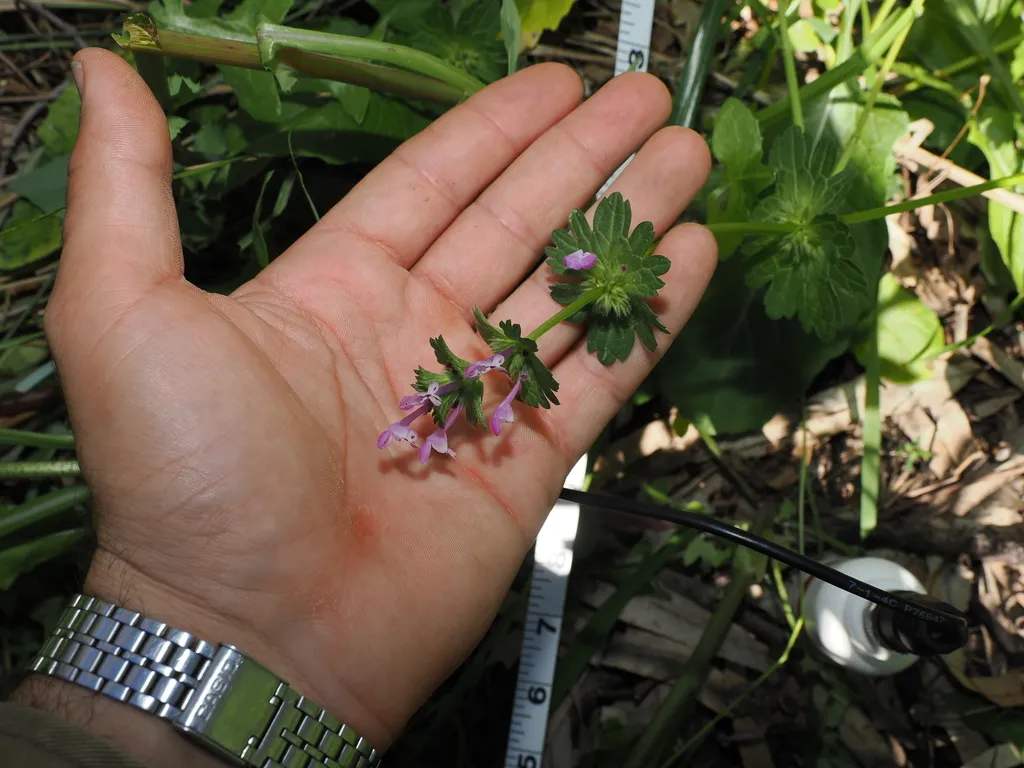
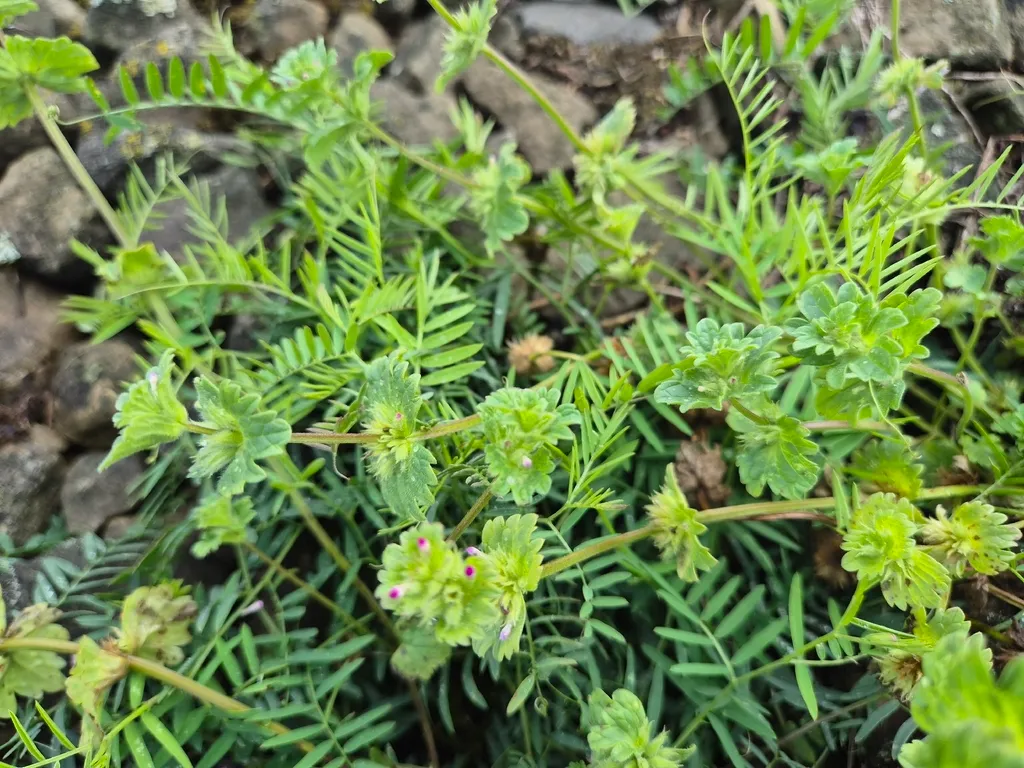
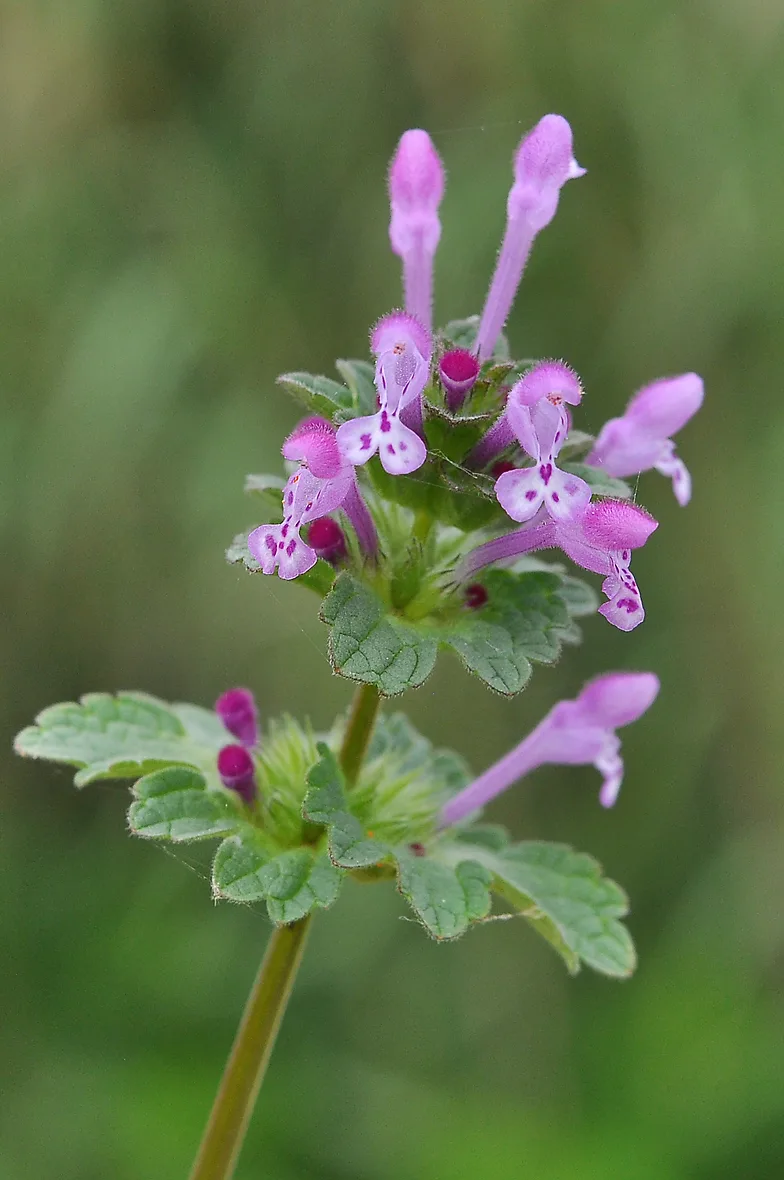
Henbit Deadnettle is a low-growing annual or biennial herb with square stems and opposite, rounded, scalloped leaves. In spring, it produces whorls of small, pinkish-purple, two-lipped flowers held above the foliage. The plant forms a spreading mat, making it an effective ground cover during its blooming period.
Scientific classification
- Species
- Henbit Deadnettle (Lamium amplexicaule)
- Genus
- Lamium
- Family
- Lamiaceae
- Order
- Lamiales
- Class
- Magnoliopsida
- Phylum
- Magnoliophyta
- Non-toxic to humans and pets.
- Toxicity
- Annual Biennial · Bedding
- Plant type
- 0.1 - 0.3 metres
- Height
- 0.3 - 0.6 metres
- Spread
- Semi evergreen
- Foliage
- Spreading
- Habit
- Spring
- Season of interest
- Full sun · Partial shade
- Sunlight
- Information to be completed
- Ideal temperature









Henbit Deadnettle pictures
Distribution of Henbit Deadnettle
Distribution map
- Native
- Introduced
- Cultivated
Source:WCVP v16 · Royal Botanic Gardens, Kew · CC BY 3.0 · Boundaries:WGSRPD / TDWG
Toxicity
Non-toxic to humans and pets.
Henbit Deadnettle care guide
- Keep soil moist but not waterlogged
- Watering
- Full sun · Partial shade
- Sunlight

Watering
Keep soil moist but not waterlogged
Fertilizing
 Fertilizing
Once in spring with slow-release fertilizer
Pruning
 Pruning
No regular pruning required; trim back after flowering to encourage a second flush or to maintain shape. Cut to ground level in autumn if desired.
Propagation
 Propagation
Sow seeds directly in situ in spring or autumn, covering lightly with soil. Germination occurs in 1-2 weeks at 15-20°C. Division of established clumps is possible in early spring or autumn. Cuttings can be taken in late spring.
Growing
 Growing
Grow in any moist but well-drained soil in full sun or partial shade. It self-seeds readily and can become invasive if not managed. Water regularly during dry spells, especially in containers. No fertilizer is typically needed. In cold climates, it may persist as a winter annual or die back. Deadhead spent flowers to reduce unwanted self-seeding.
Common pests and diseases
Diseases
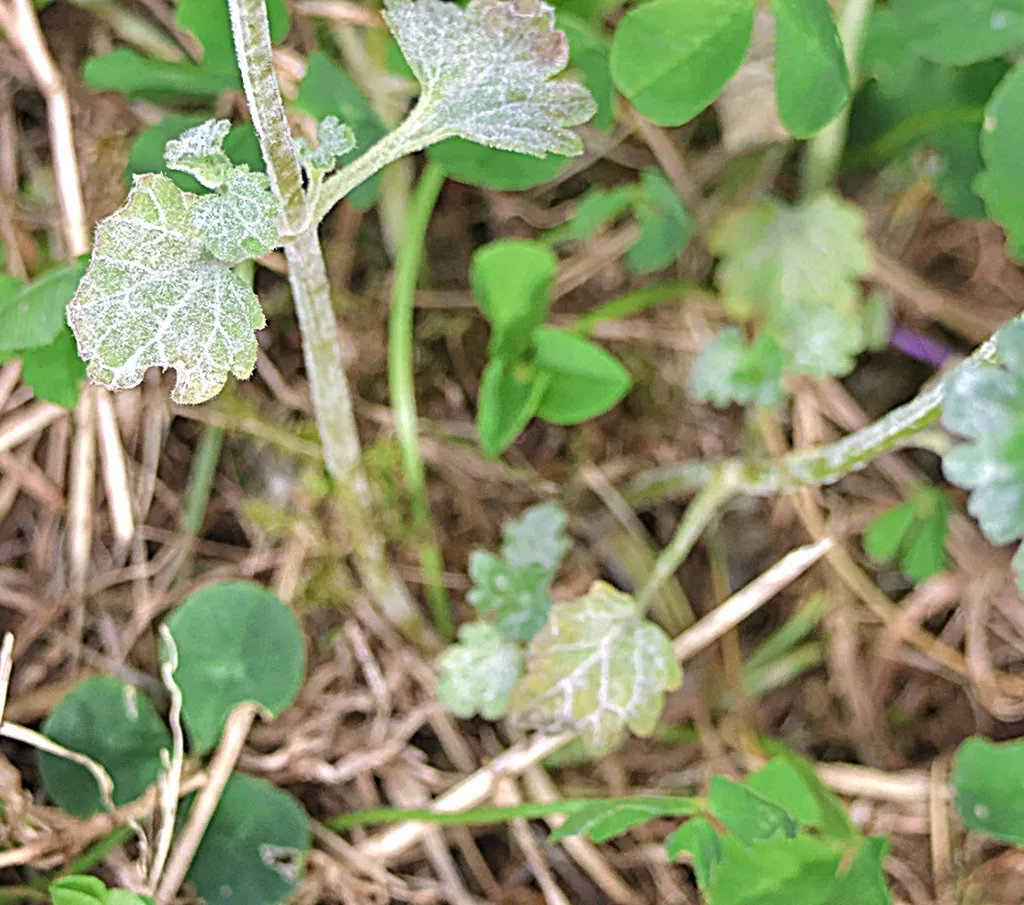
Generally disease-free, but may occasionally suffer from powdery mildew in humid conditions or poor air circulation.
Pests
Susceptible to aphids, especially on new growth. Slugs and snails may also feed on young leaves.
Explore the plant health library →




