
Hibiscus Tree
Also known as: Sea Hibiscus, Cottonwood, Mahoe, Beach Hibiscus
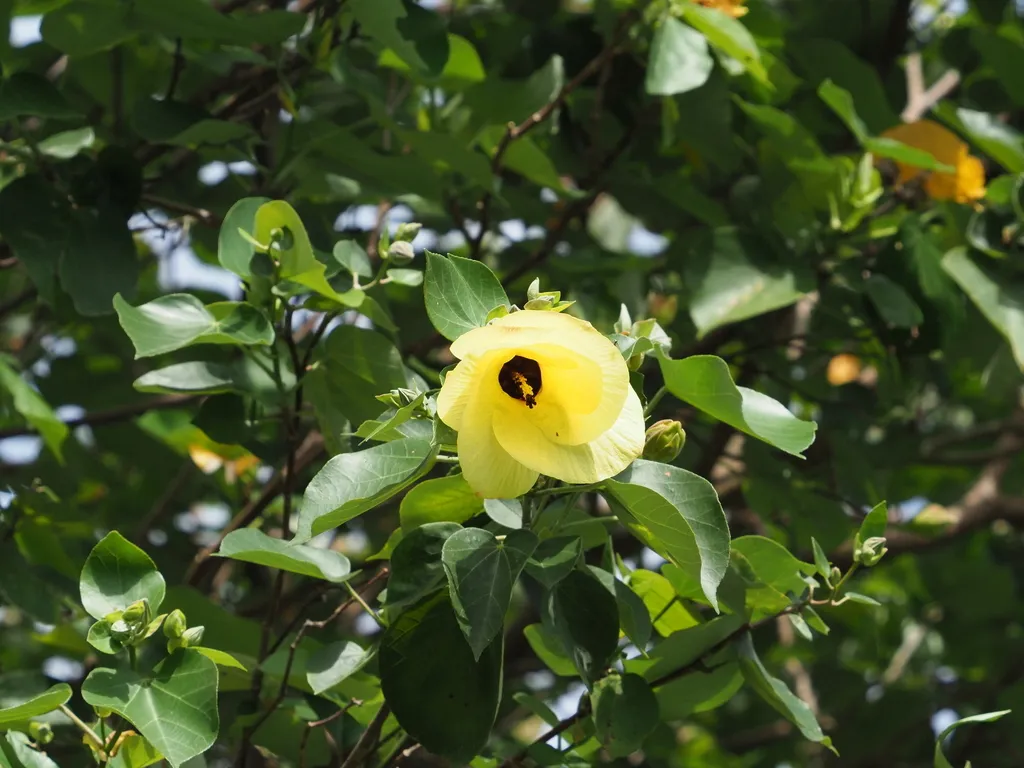
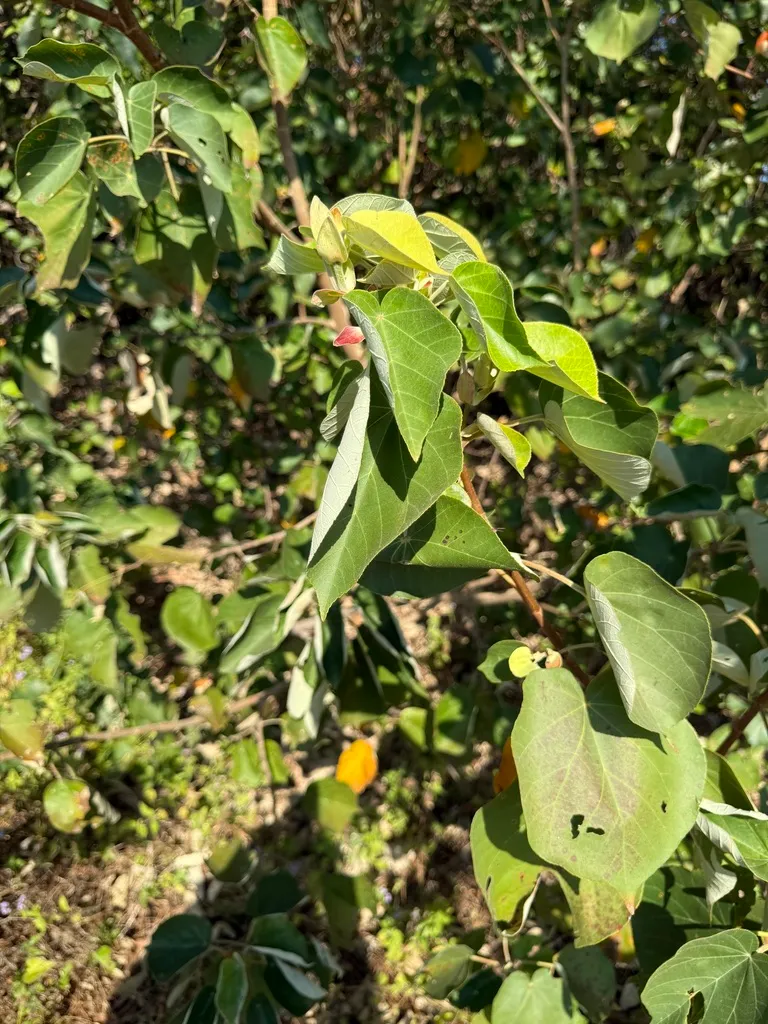
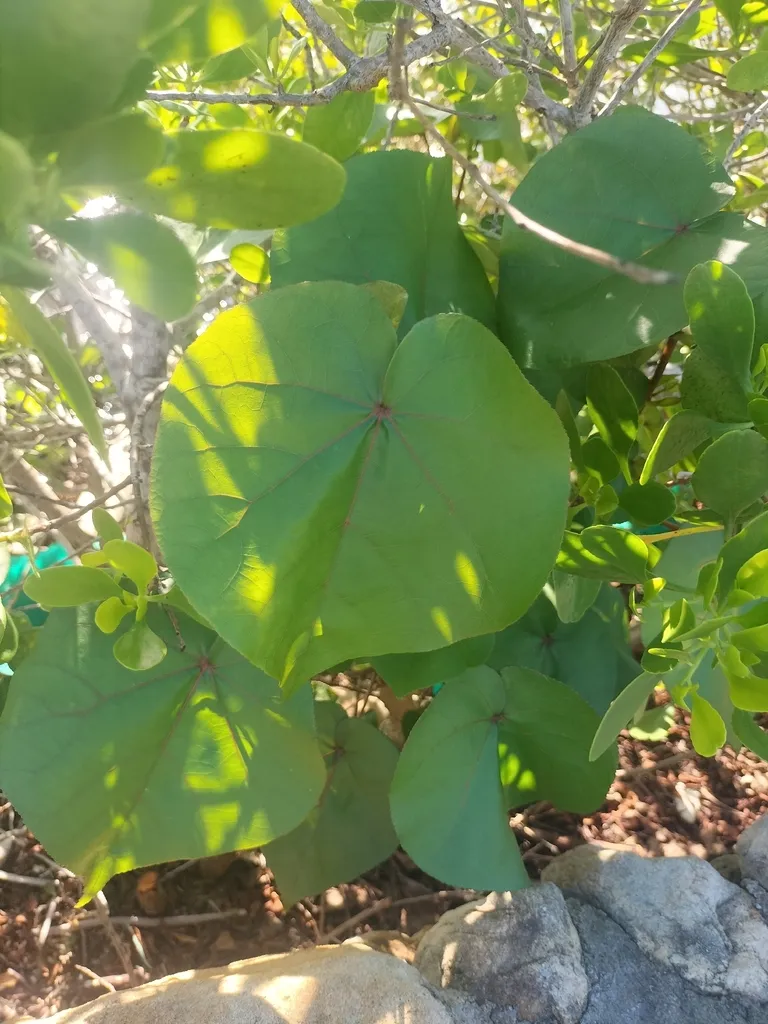
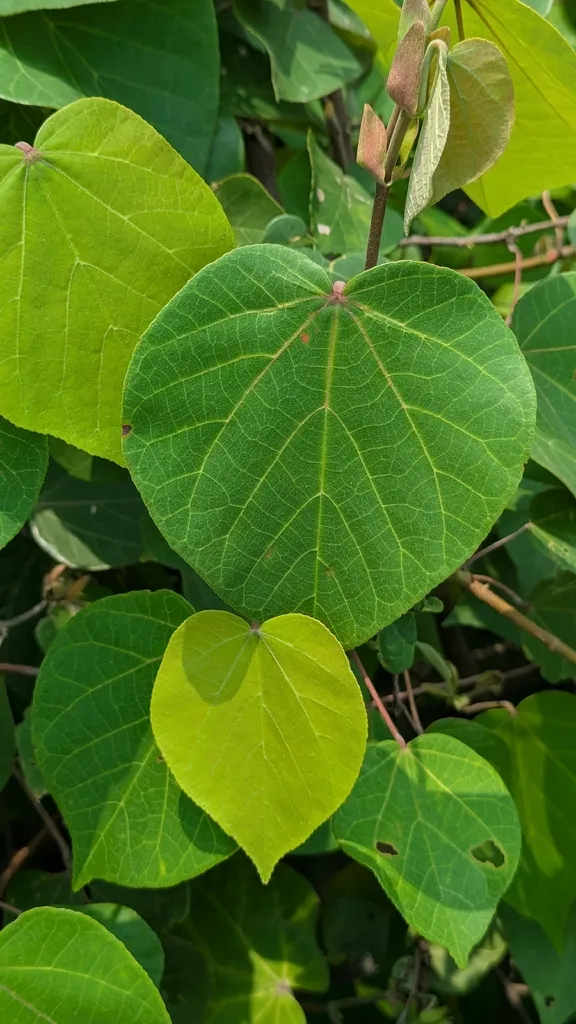
Hibiscus tiliaceus is a fast-growing evergreen tree or large shrub, typically reaching 4–10 m in height. It has large, heart-shaped leaves with a velvety texture and prominent veins. The flowers are bright yellow with a deep maroon centre, fading to orange as they age, and bloom throughout summer. Its spreading crown and tolerance to coastal conditions make it an excellent choice for seaside gardens and screening.
Scientific classification
- Species
- Hibiscus Tree (Hibiscus tiliaceus)
- Genus
- Hibiscus
- Family
- Malvaceae
- Order
- Malvales
- Class
- Magnoliopsida
- Phylum
- Magnoliophyta
- Non-toxic to humans and pets.
- Toxicity
- Tree · Shrubs
- Plant type
- 4 - 6 metres
- Height
- 3 - 5 metres
- Spread
- Evergreen
- Foliage
- Upright
- Habit
- Summer
- Season of interest
- Full sun
- Sunlight
- 20 – 30 °C
- Ideal temperature









Hibiscus Tree pictures
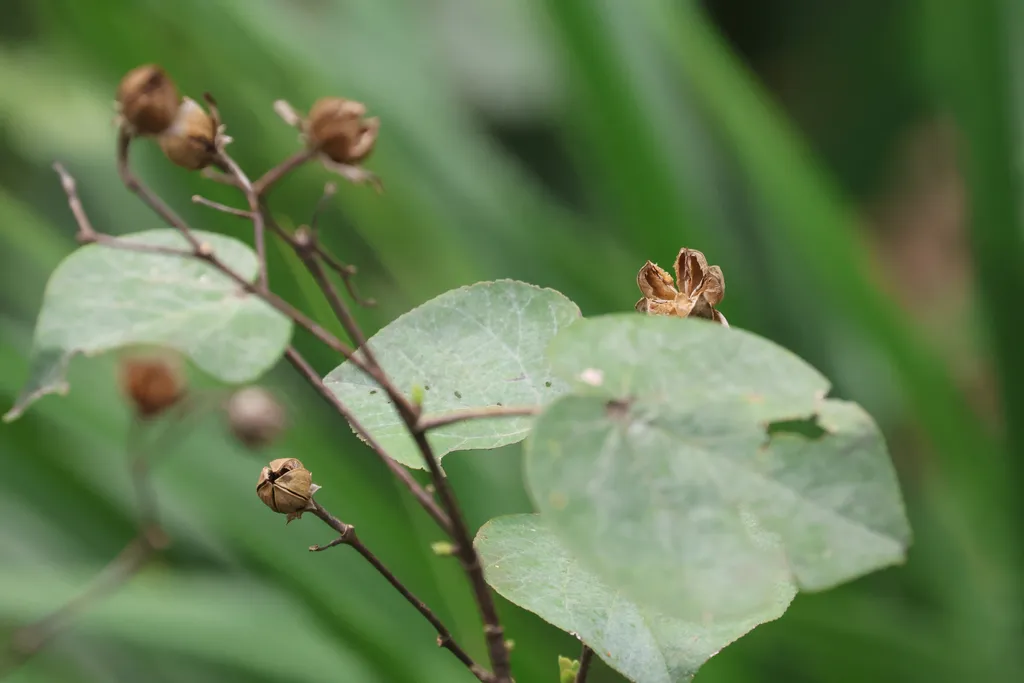
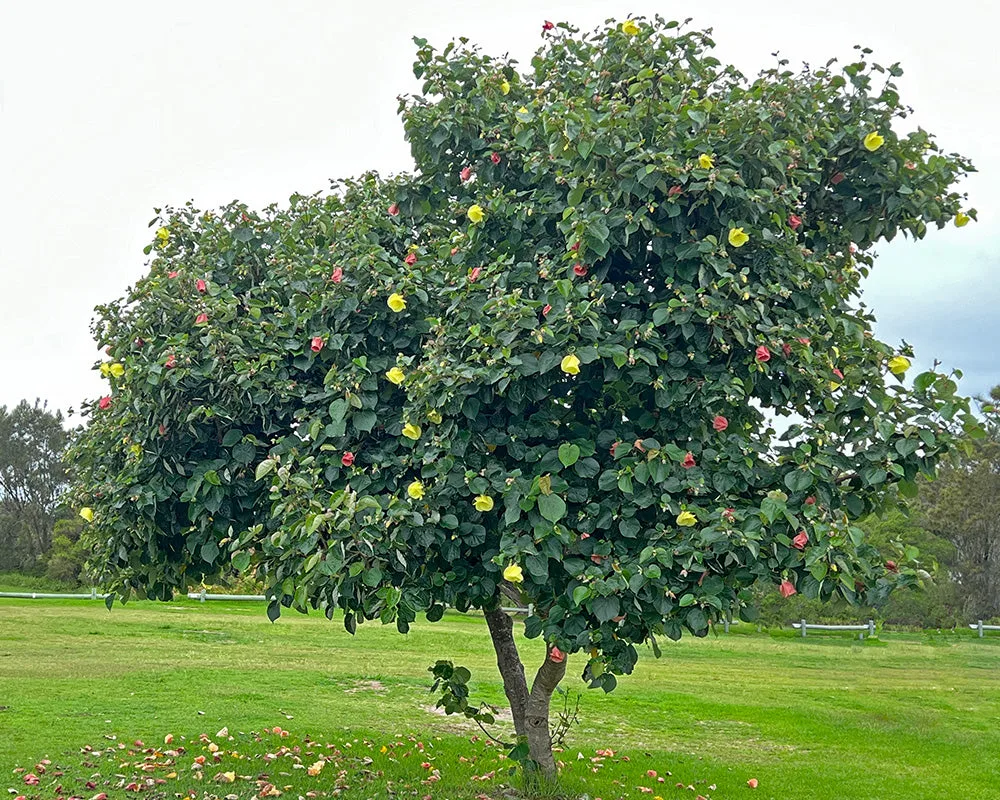
Distribution of Hibiscus Tree
Distribution map
Tropical Asia and Pacific Islands
Toxicity
Non-toxic to humans and pets.
Hibiscus Tree care guide
- Water deeply and regularly, keep soil moist
- Watering
- Full sun
- Sunlight
- 20 – 30 °C
- Ideal temperature

Watering
Water deeply and regularly, keep soil moist
Fertilizing
 Fertilizing
Weekly during growing season
Pruning
 Pruning
Prune in late winter or early spring to shape the plant and remove dead or weak branches. Light pruning can also be done after flowering to encourage bushy growth.
Propagation
 Propagation
Propagate by semi-ripe cuttings taken in summer; insert cuttings into a well-drained gritty compost and keep at 18–21°C with high humidity. Alternatively, sow fresh seeds in spring after soaking in warm water for 24 hours; germination usually occurs within 2–4 weeks.
Growing
 Growing
Grow Hibiscus tiliaceus in full sun for best flowering. It tolerates a wide range of well-drained soils, including sandy, loamy, and clay types, and is highly salt-tolerant. Water regularly during the first growing season to establish a deep root system; once established, it is moderately drought-tolerant but benefits from occasional deep watering in dry spells. Apply a balanced slow-release fertiliser in spring and early summer. In cooler climates, grow in a large container and overwinter indoors or in a greenhouse, as it is not frost-hardy.
Common pests and diseases
Diseases
Susceptible to leaf spot, rust, and root rot in poorly drained soils. Ensure good air circulation and avoid overwatering to minimize fungal issues.
Pests
Common pests include aphids, scale insects, and whiteflies. Regular monitoring and horticultural oil or insecticidal soap can control infestations.
Explore the plant health library →




