
Bermuda Grass
Also known as: Bermuda grass, Bahama grass, Devil's grass, Couch grass
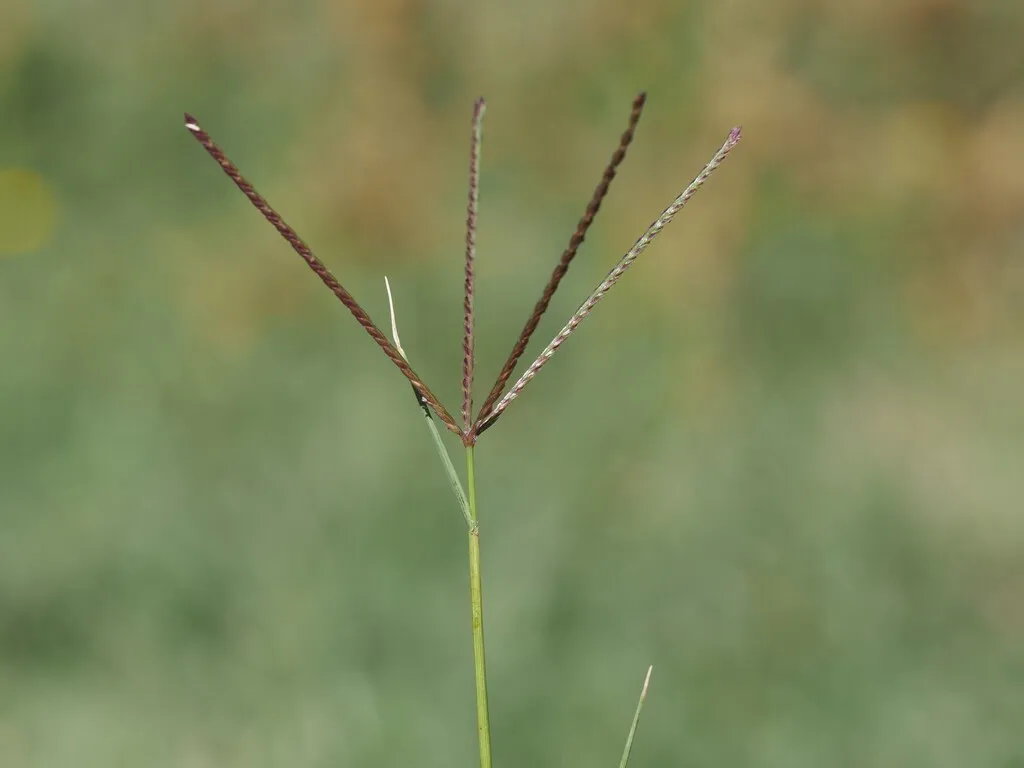
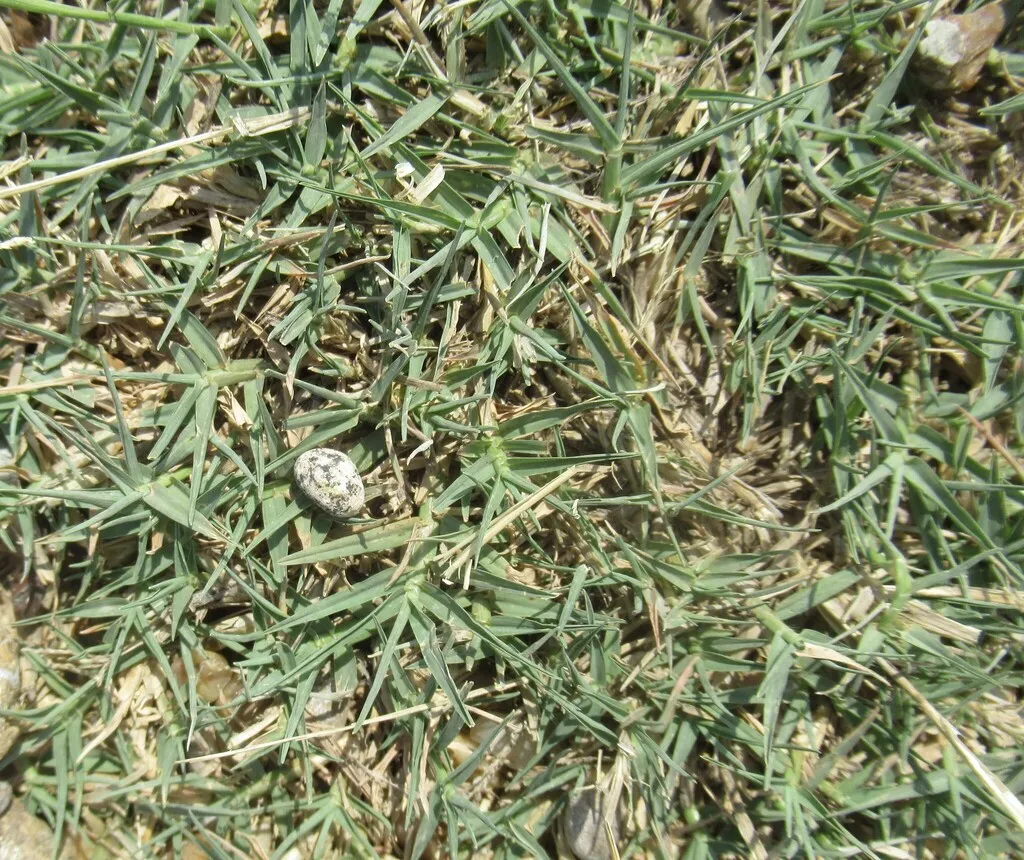
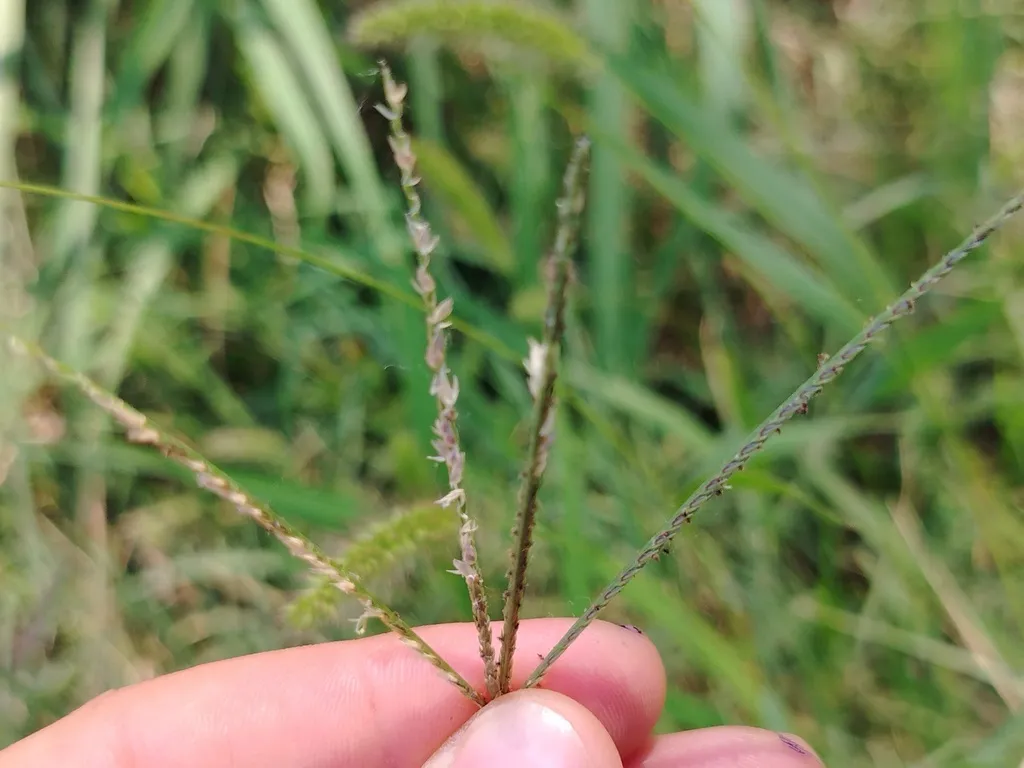
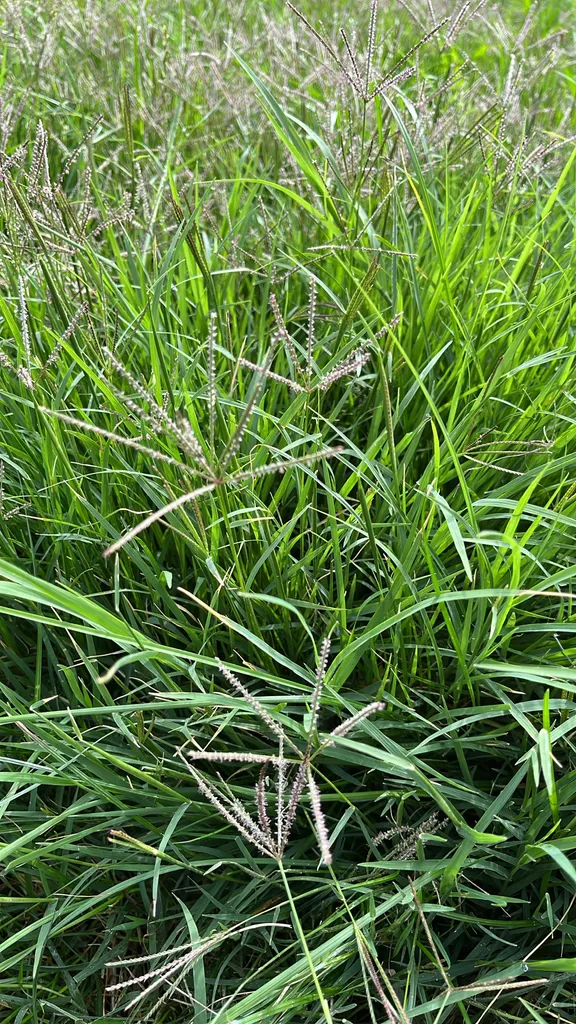
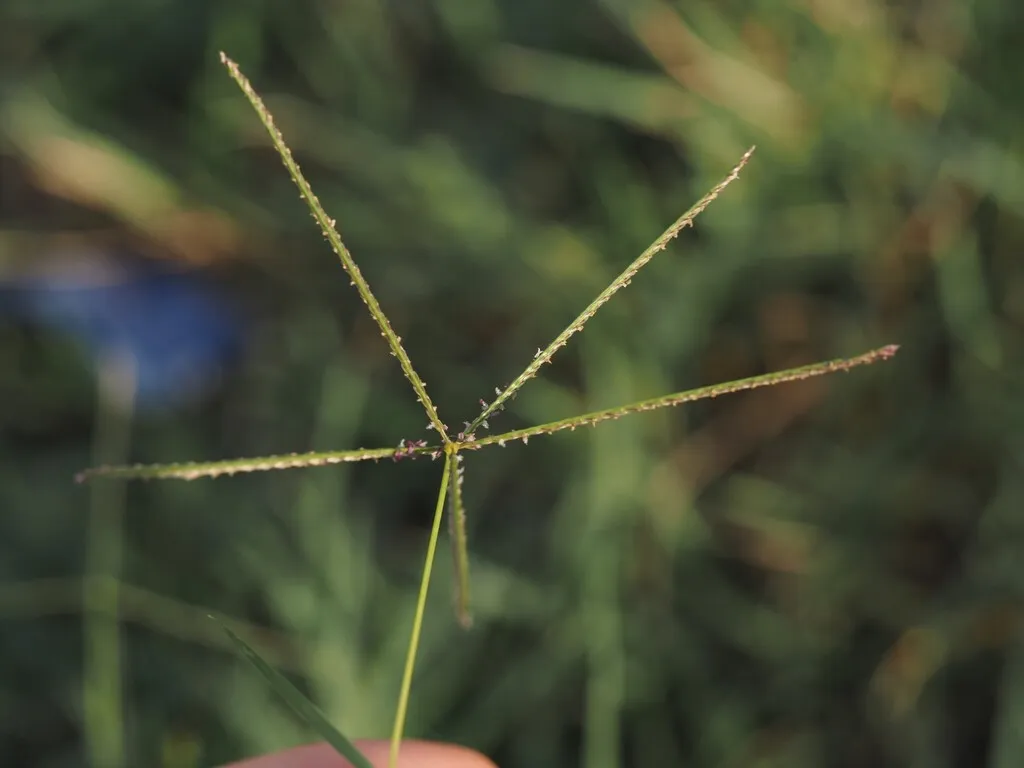
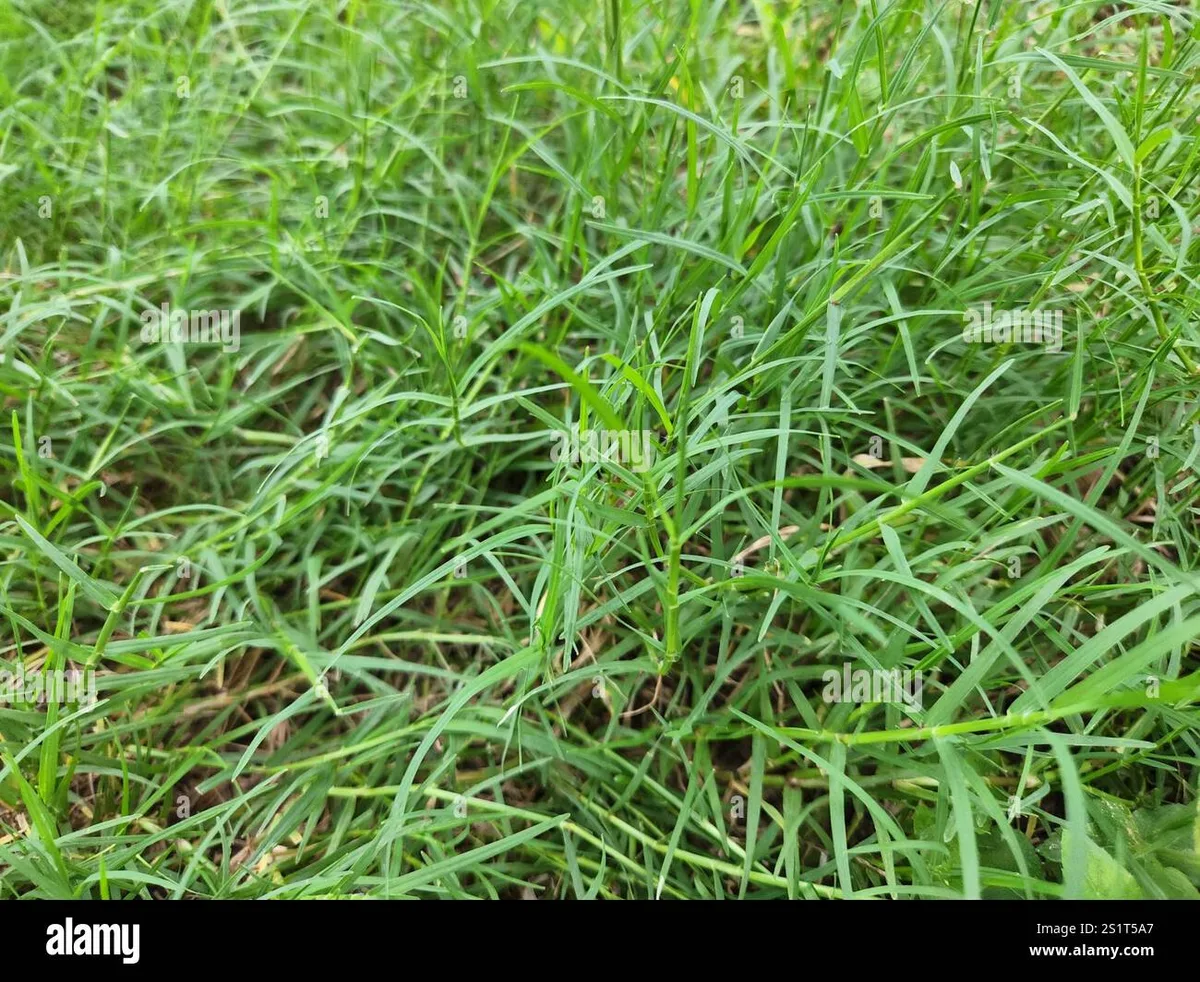
Cynodon dactylon is a warm-season perennial grass with creeping stolons and rhizomes, forming a dense turf. Its leaves are narrow, flat, and green, turning brown in winter. The inflorescence consists of small spikelets arranged in a digitate panicle. It is widely used for lawns, sports fields, and erosion control due to its vigorous growth and drought tolerance.
Scientific classification
- Species
- Bermuda Grass (Cynodon dactylon)
- Genus
- Cynodon
- Family
- Poaceae
- Non-toxic to humans and pets.
- Toxicity
- Grass Like · Perennial
- Plant type
- 0.1 - 0.3 metres
- Height
- 0.5 - 1 metres
- Spread
- Deciduous
- Foliage
- Spreading · Matforming
- Habit
- Summer
- Season of interest
- Full sun
- Sunlight
- 20 – 30 °C
- Ideal temperature









Bermuda Grass pictures
Distribution of Bermuda Grass
Distribution map
- Native
- Introduced
- Cultivated
Source:WCVP v16 · Royal Botanic Gardens, Kew · CC BY 3.0 · Boundaries:WGSRPD / TDWG
Culture
Information to be completed
Toxicity
Non-toxic to humans and pets.
Quick identification of Bermuda Grass
Information to be completed
Bermuda Grass care guide
- Water deeply 1-2 times per week, allow soil to dry between
- Watering
- Full sun
- Sunlight
- 20 – 30 °C
- Ideal temperature

Watering
Water deeply 1-2 times per week, allow soil to dry between
Fertilizing
 Fertilizing
Monthly with high-nitrogen fertilizer during growing season
Pruning
 Pruning
Mow regularly to maintain desired height (e.g., 2-5 cm) during the growing season; reduce mowing frequency in winter dormancy.
Propagation
 Propagation
Propagate by division, stolon cuttings, or seed. Divide established clumps in spring and replant sections. For stolon cuttings, take sections with nodes and press into moist soil. Seeds can be sown in spring at 20-25°C.
Growing
 Growing
Grow in full sun in well-drained soil. It is drought-tolerant once established but benefits from regular watering during active growth. Apply a nitrogen-rich fertilizer in spring. In cold climates, the grass goes dormant in winter; reduce watering and avoid traffic.
People also ask
Information to be completed
Common pests and diseases
Diseases
Susceptible to rust diseases and leaf spot, especially in humid conditions. Proper air circulation and balanced fertilization reduce risk.
Pests
Common pests include white grubs, sod webworms, and aphids. Monitor and treat as needed.
Explore the plant health library →




