
Jackfruit
Also known as: Jackfruit, Jakfruit, Jack
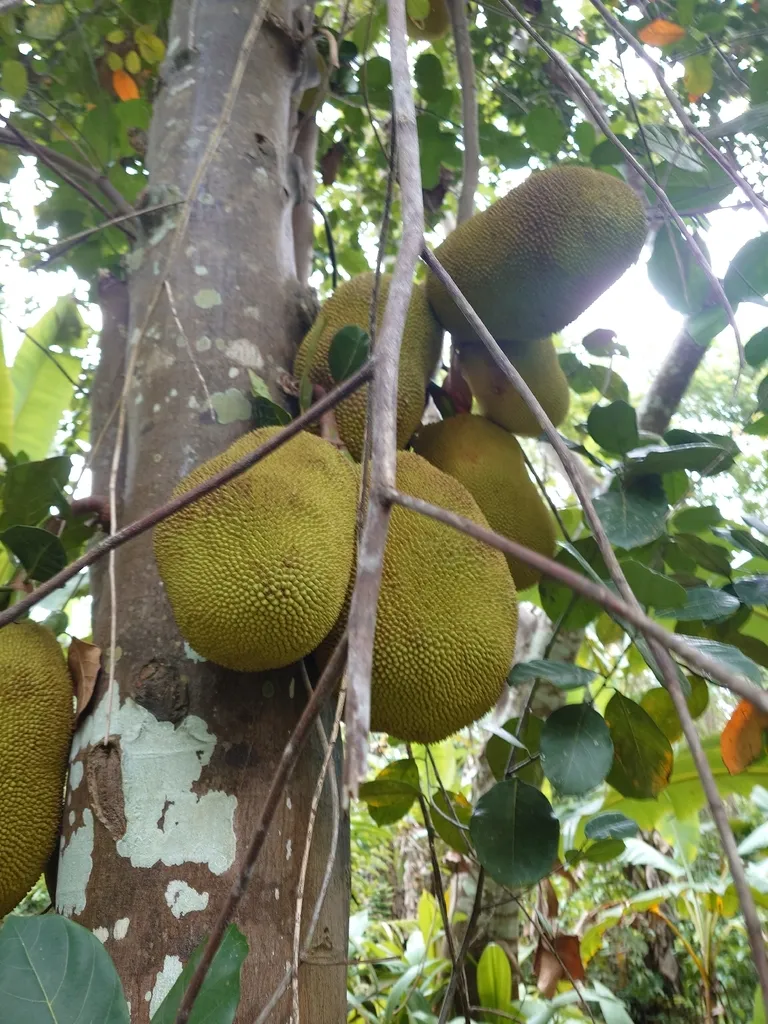
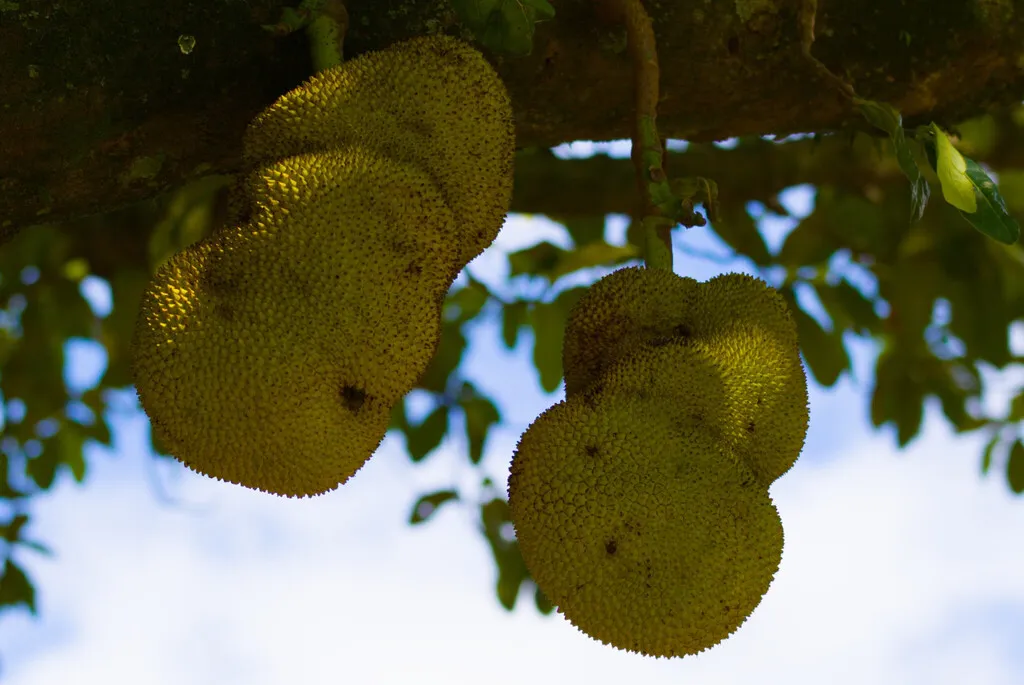
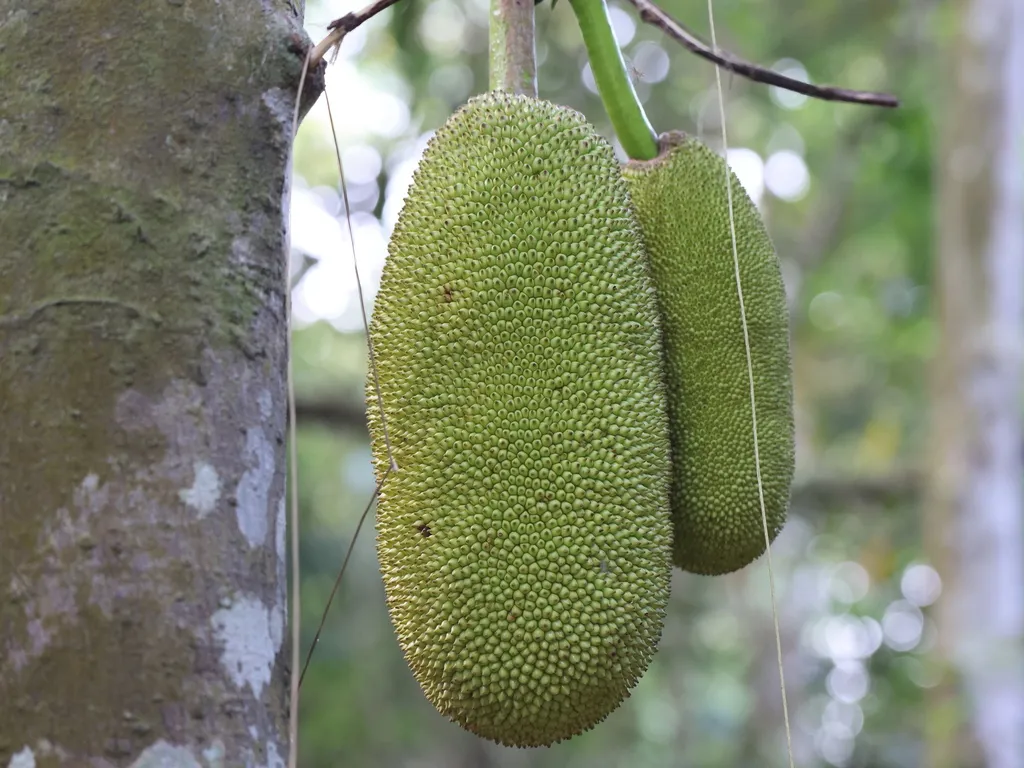
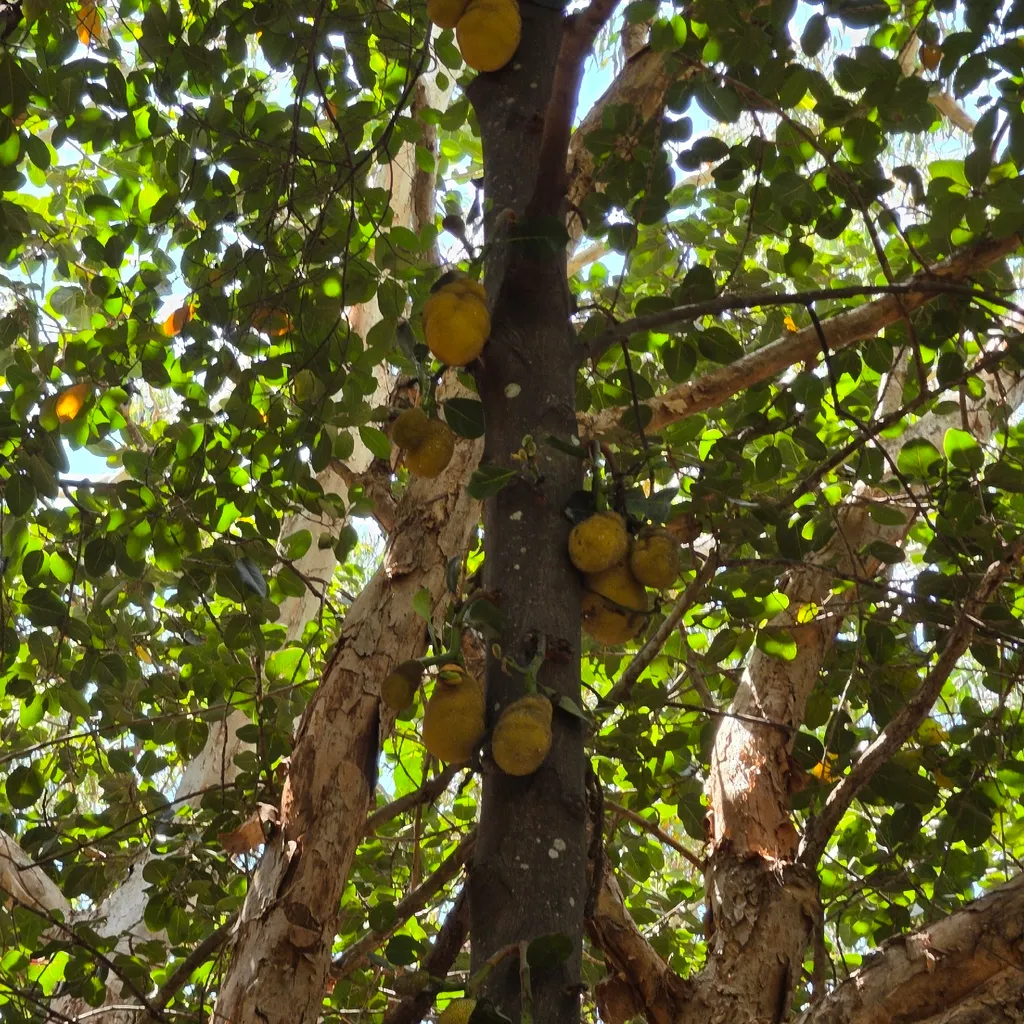
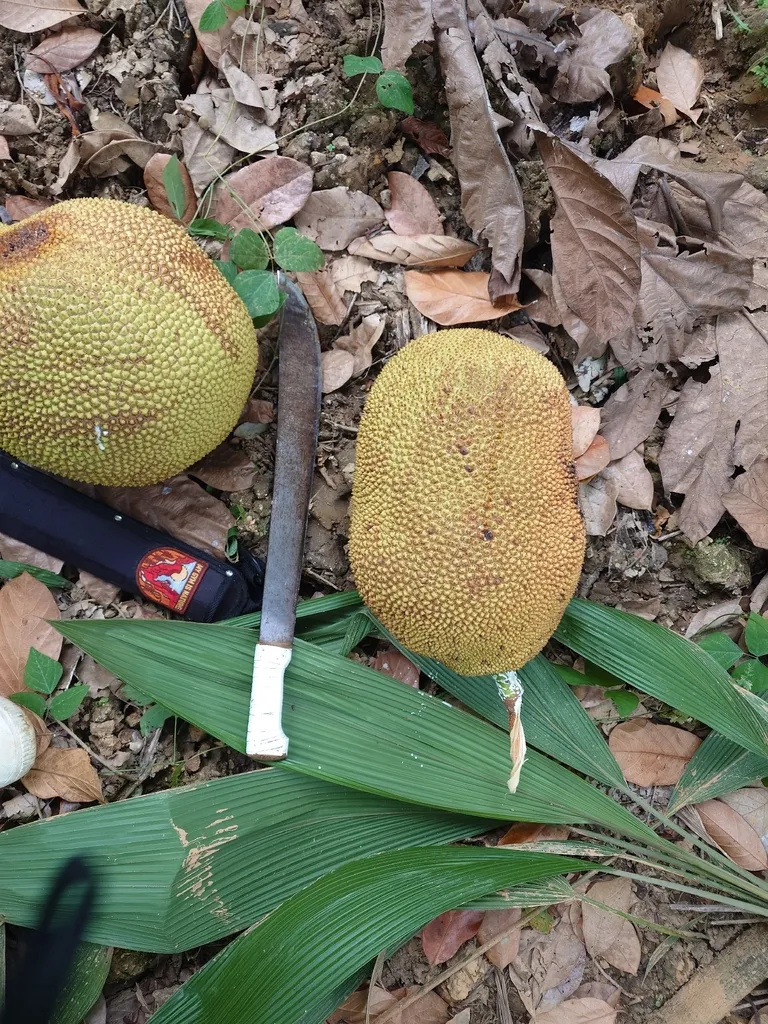
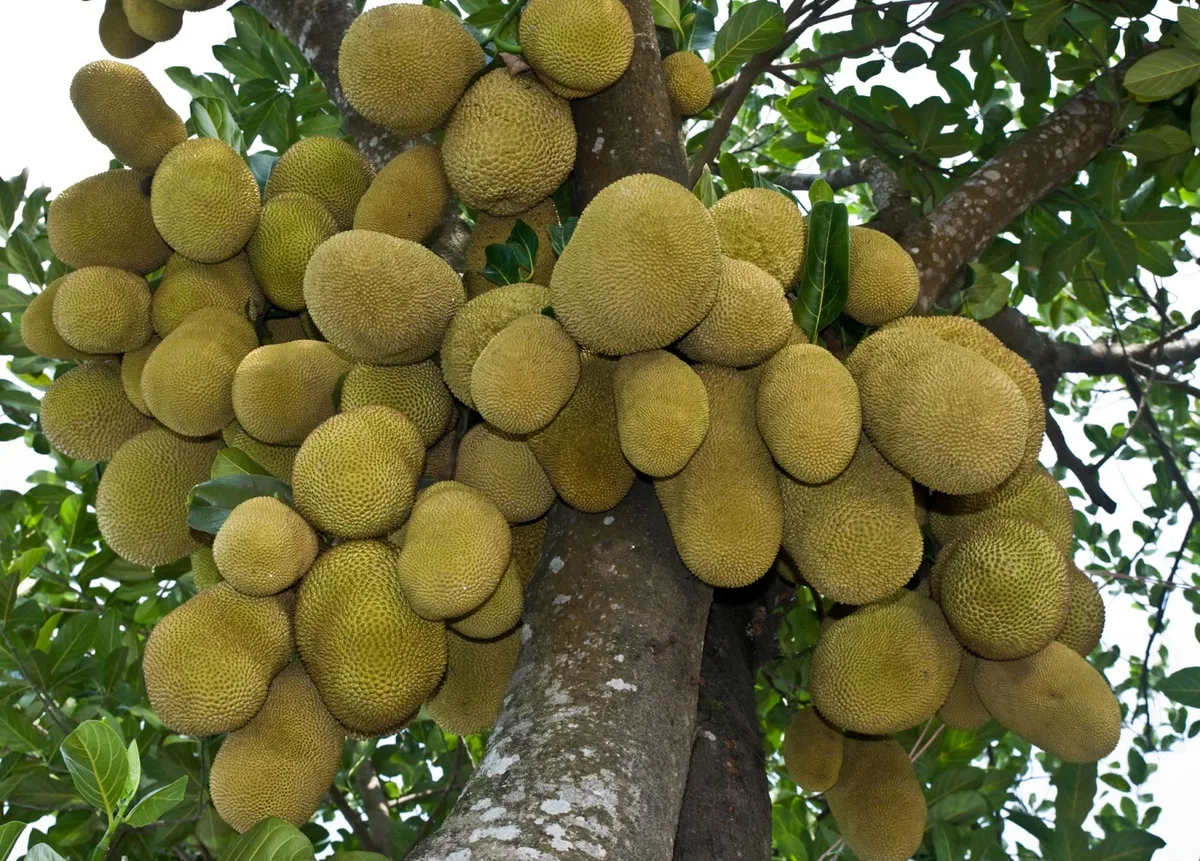
Jackfruit is a large evergreen tree reaching 10–20 m tall, with a dense, spreading crown. Its leaves are dark green, glossy, and oval-shaped. The tree produces the largest tree-borne fruit in the world, weighing up to 35 kg, with a spiky green exterior and fibrous yellow flesh. The fruit has a sweet, distinctive flavor when ripe. It is primarily grown for its edible fruit and shade.
Scientific classification
- Species
- Jackfruit (Artocarpus heterophyllus)
- Genus
- Artocarpus
- Family
- Moraceae
- Order
- Rosales
- Class
- Magnoliopsida
- Phylum
- Magnoliophyta
- Non-toxic
- Toxicity
- Tree · Fruit Edible
- Plant type
- 10 - 20 metres
- Height
- 10 - 15 metres
- Spread
- Evergreen
- Foliage
- Upright · Spreading
- Habit
- Summer · Autumn
- Season of interest
- Full sun
- Sunlight
- Information to be completed
- Ideal temperature









Jackfruit pictures
Distribution of Jackfruit
Distribution map
- Native
- Introduced
- Cultivated
Source:WCVP v16 · Royal Botanic Gardens, Kew · CC BY 3.0 · Boundaries:WGSRPD / TDWG
Toxicity
Non-toxic
Jackfruit care guide
- Keep soil consistently moist, but not waterlogged
- Watering
- Full sun
- Sunlight

Watering
Keep soil consistently moist, but not waterlogged
Fertilizing
 Fertilizing
Monthly during growing season
Pruning
 Pruning
Minimal pruning required. Remove dead or crossing branches in late winter or early spring.
Propagation
 Propagation
Propagate by seeds (fresh seeds germinate readily) or by air layering. Seeds should be sown in a warm, humid environment at 25–30 °C. Air layering can be done in spring.
Growing
 Growing
Grow in deep, fertile, well-drained soil in full sun. Protect from frost and cold winds. Water regularly during dry periods; keep soil moist but not waterlogged. Apply a balanced fertilizer monthly during the growing season. In cool climates, grow under glass or in a heated conservatory.
Common pests and diseases
Diseases
Susceptible to root rot if overwatered, and leaf spot diseases in humid conditions.
Pests
Common pests include fruit flies, mealybugs, and scale insects.
Explore the plant health library →




