
Asystasia
Also known as: Chinese violet, Coromandel
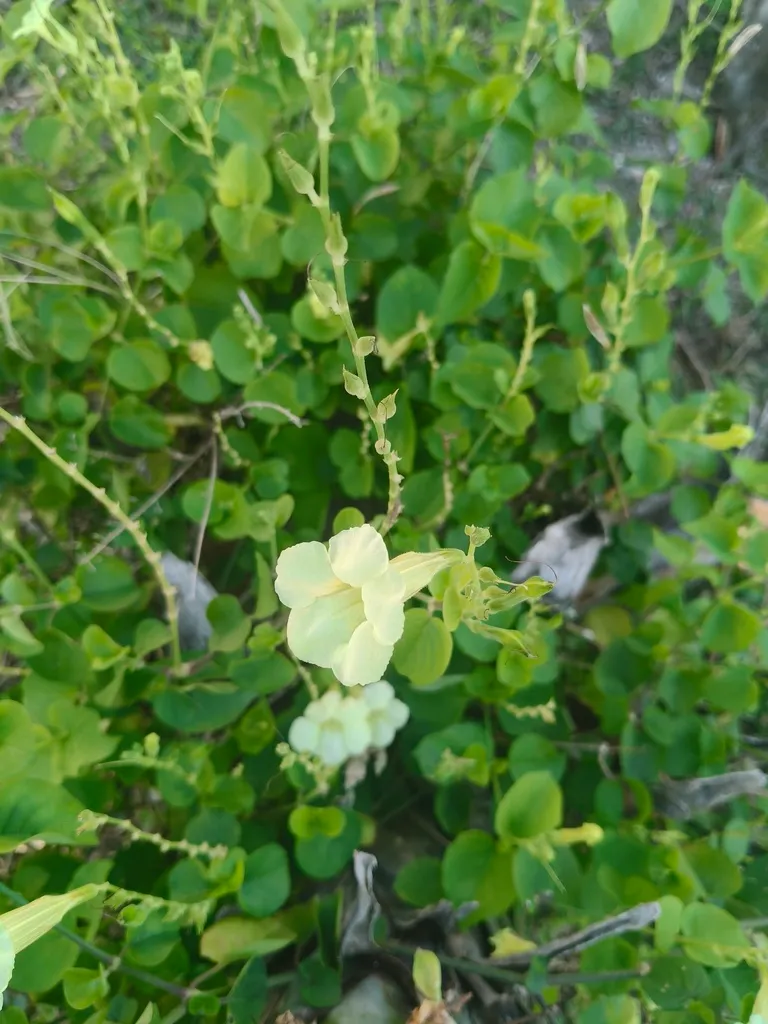
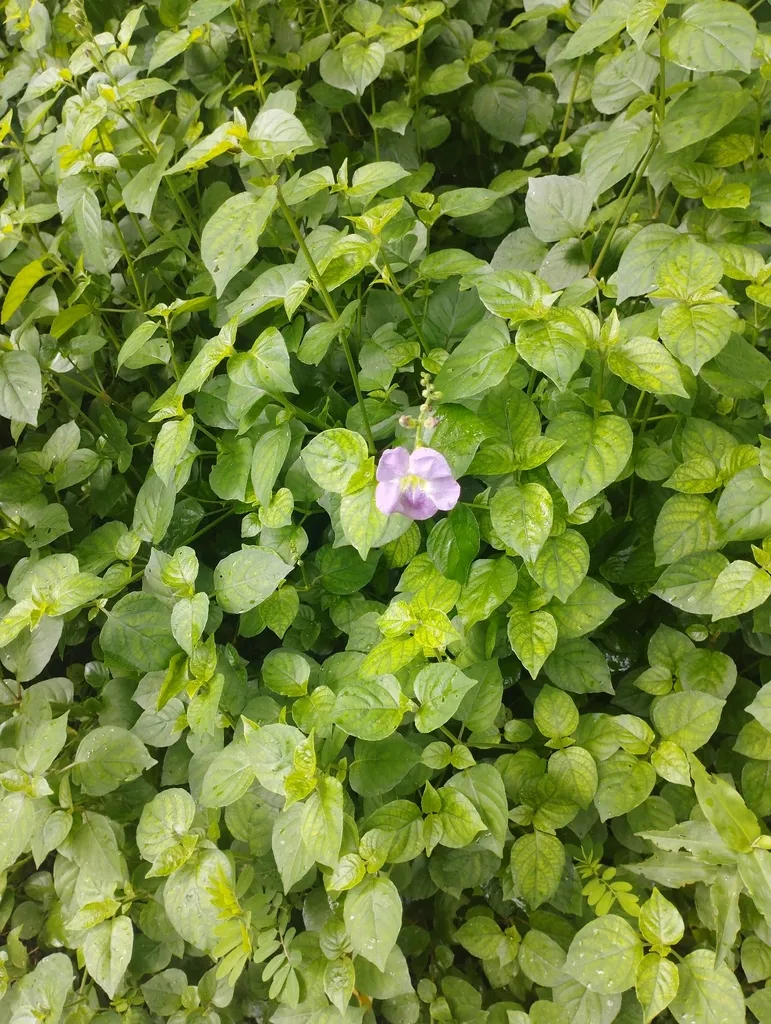
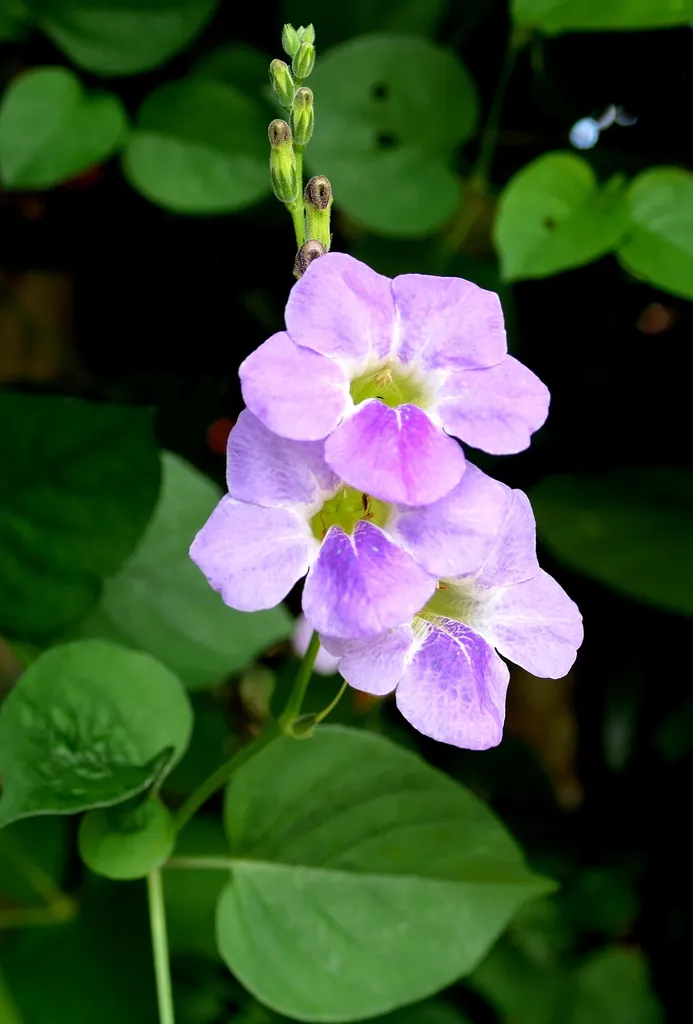
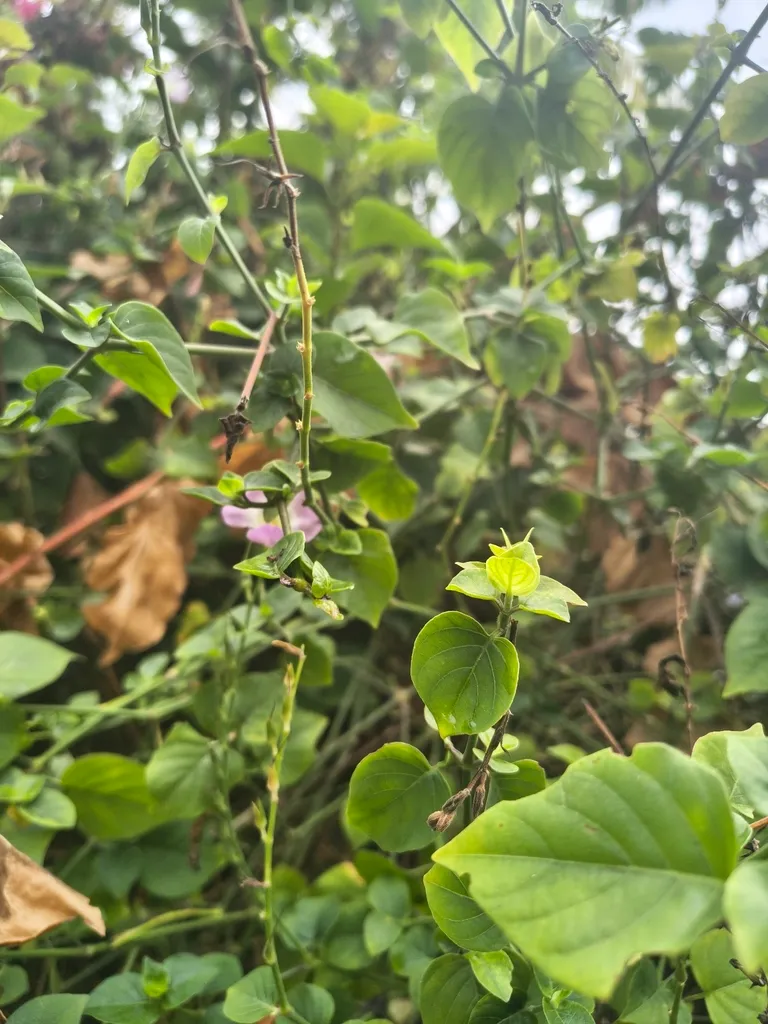
Asystasia gangetica is a spreading, herbaceous perennial with ovate, dark green leaves arranged in opposite pairs. Its funnel-shaped flowers are white to pale lavender with purple markings, appearing in racemes from summer to autumn. It forms a dense ground cover, rooting at nodes, and is often grown in hanging baskets or as a trailing accent.
Scientific classification
- Species
- Asystasia (Asystasia gangetica)
- Genus
- Asystasia
- Family
- Acanthaceae
- Order
- Lamiales
- Class
- Magnoliopsida
- Phylum
- Magnoliophyta
- Non-toxic
- Toxicity
- Perennial · Herbaceous Perennial
- Plant type
- 0.3 - 0.6 metres
- Height
- 0.6 - 1.2 metres
- Spread
- Evergreen
- Foliage
- Spreading
- Habit
- Summer · Autumn
- Season of interest
- Full sun · Partial shade
- Sunlight
- Information to be completed
- Ideal temperature









Asystasia pictures
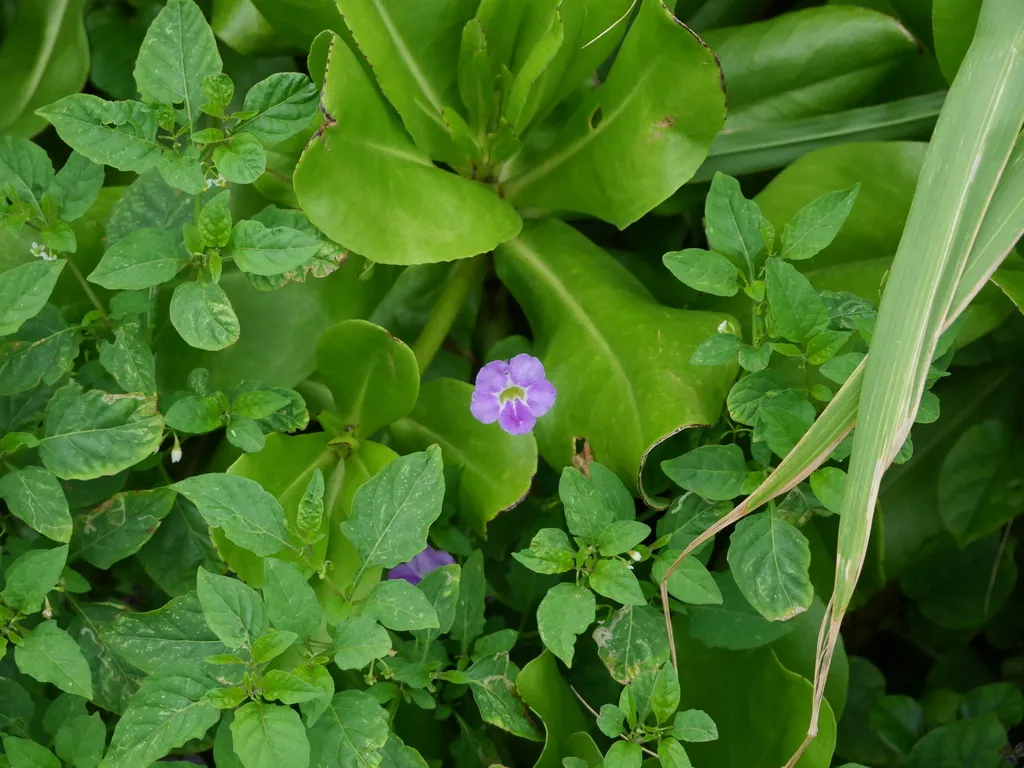
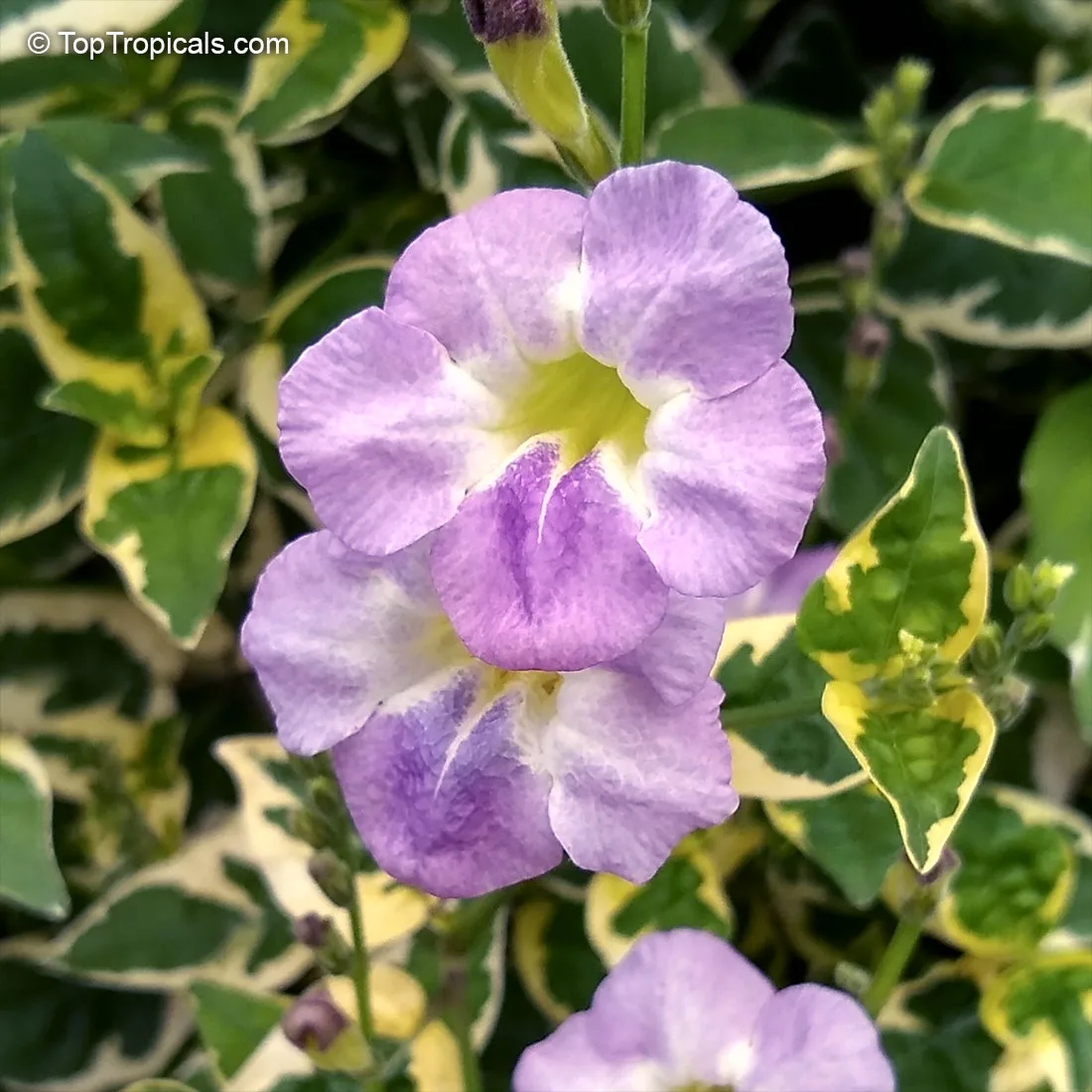
Distribution of Asystasia
Distribution map
- Native
- Introduced
- Cultivated
Source:WCVP v16 · Royal Botanic Gardens, Kew · CC BY 3.0 · Boundaries:WGSRPD / TDWG
Toxicity
Non-toxic
Asystasia care guide
- Water regularly to keep soil evenly moist
- Watering
- Full sun · Partial shade
- Sunlight

Watering
Water regularly to keep soil evenly moist
Fertilizing
 Fertilizing
Every 4-6 weeks during growing season
Pruning
 Pruning
Prune in early spring to control shape and remove any dead or damaged stems. Light trimming after flowering encourages bushier growth.
Propagation
 Propagation
Propagate by semi-ripe cuttings taken in spring or early summer; insert into moist cutting compost and keep at 20-25°C with high humidity. Roots usually form within 2-3 weeks. Alternatively, sow seed at 18-21°C in spring.
Growing
 Growing
Grow in moist but well-drained soil in full sun to partial shade. Prefers a warm, sheltered position and is not frost-hardy; protect from temperatures below 10°C. Water regularly during the growing season, keeping the soil evenly moist but not waterlogged. Feed with a balanced liquid fertilizer monthly from spring to autumn. In cooler regions, grow under glass or bring containers indoors for winter.
Common pests and diseases
Diseases
Susceptible to root rot if overwatered or grown in poorly drained soil. Good drainage and careful watering are essential.
Pests
Common pests include aphids, whiteflies, and red spider mites, particularly under glass or in dry indoor conditions.
Explore the plant health library →




