
Butterfly Pea
Also known as: Butterfly pea, blue pea, Asian pigeonwings, cordofan pea
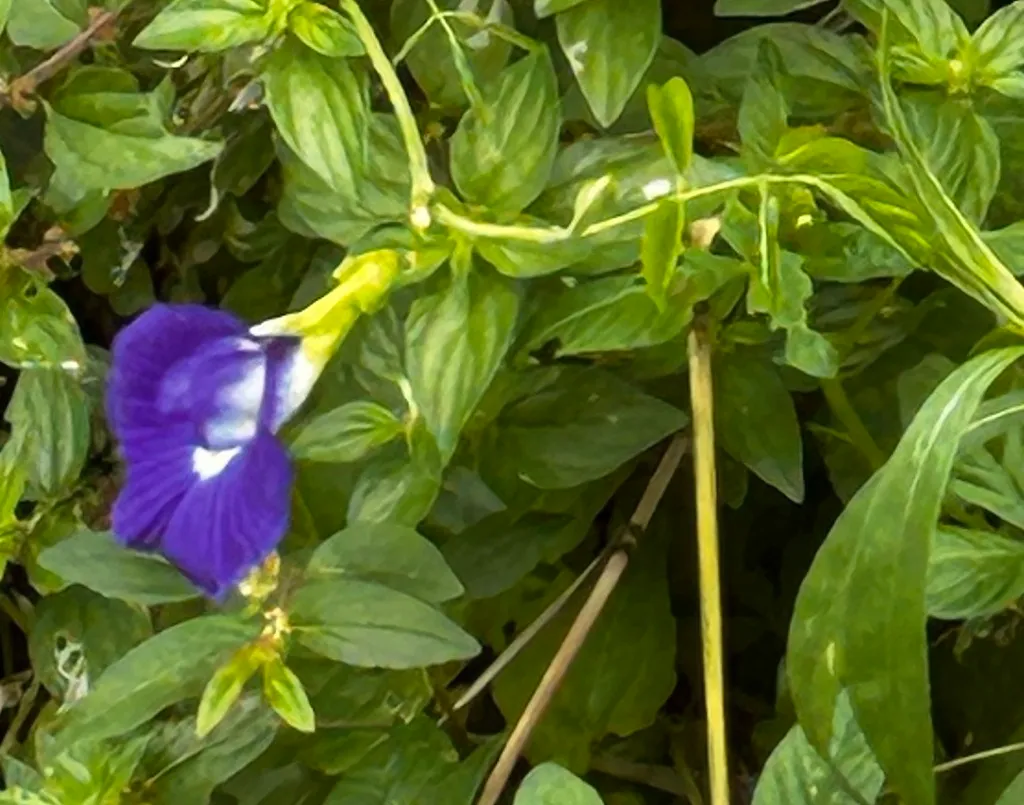
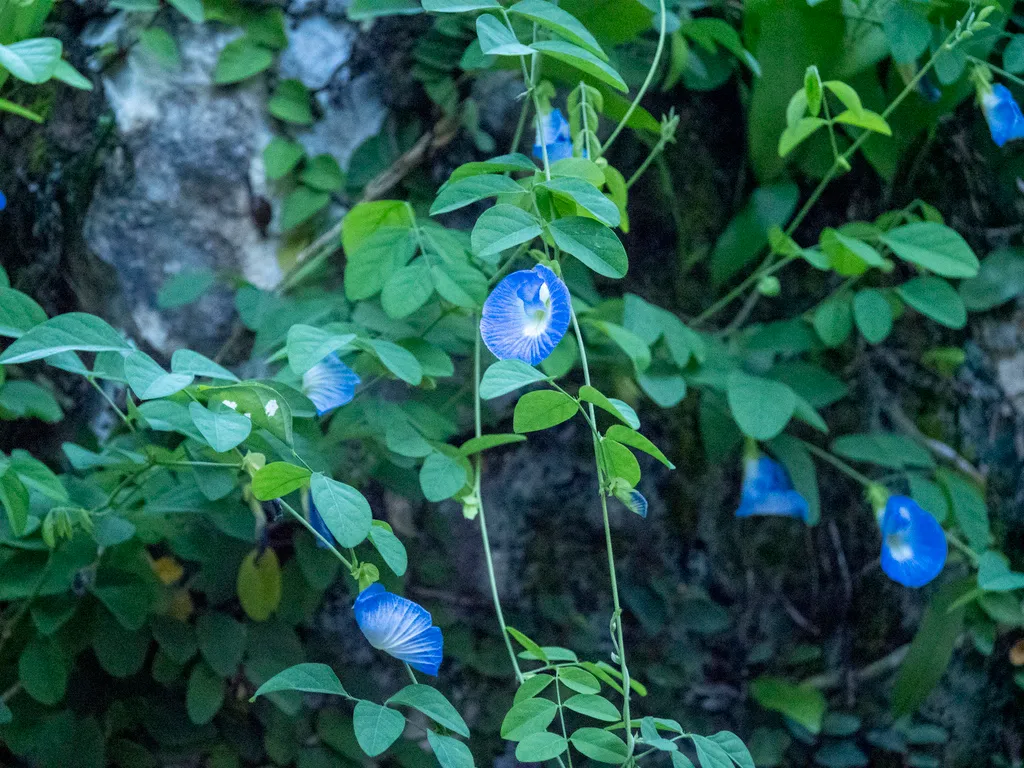
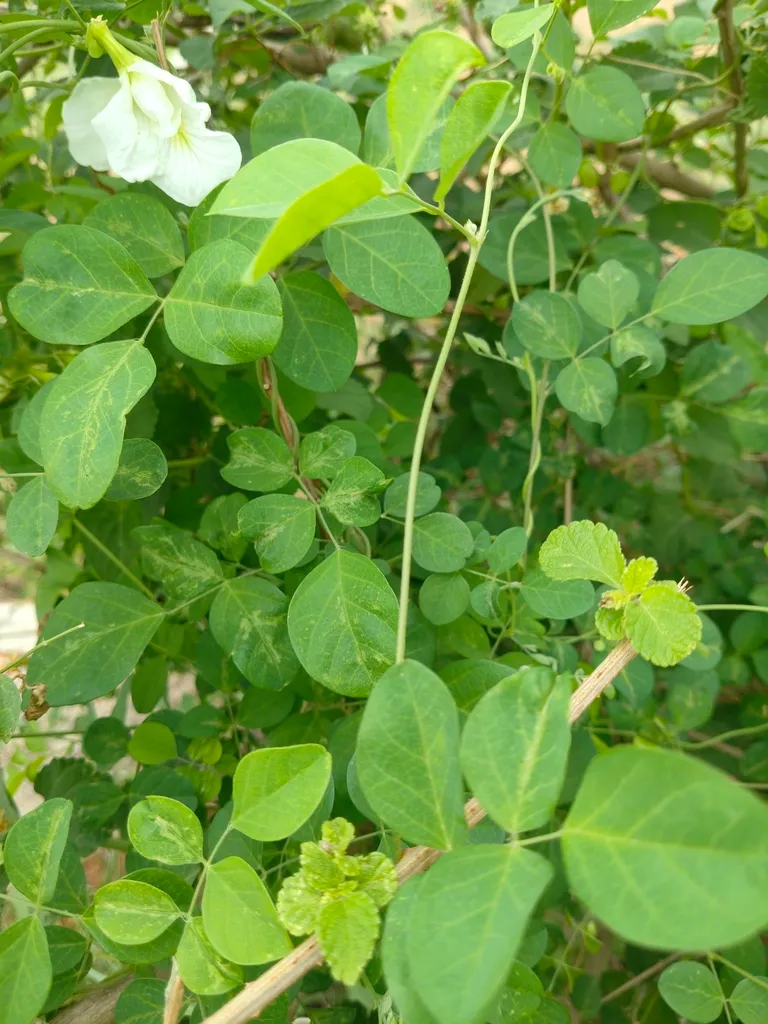
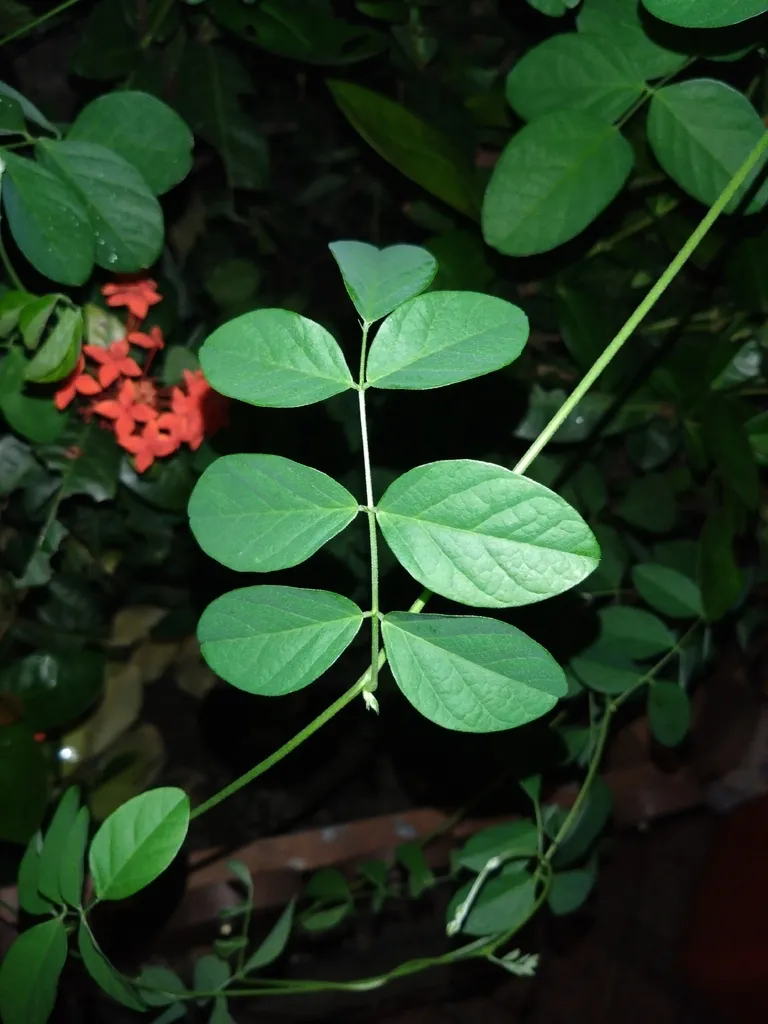
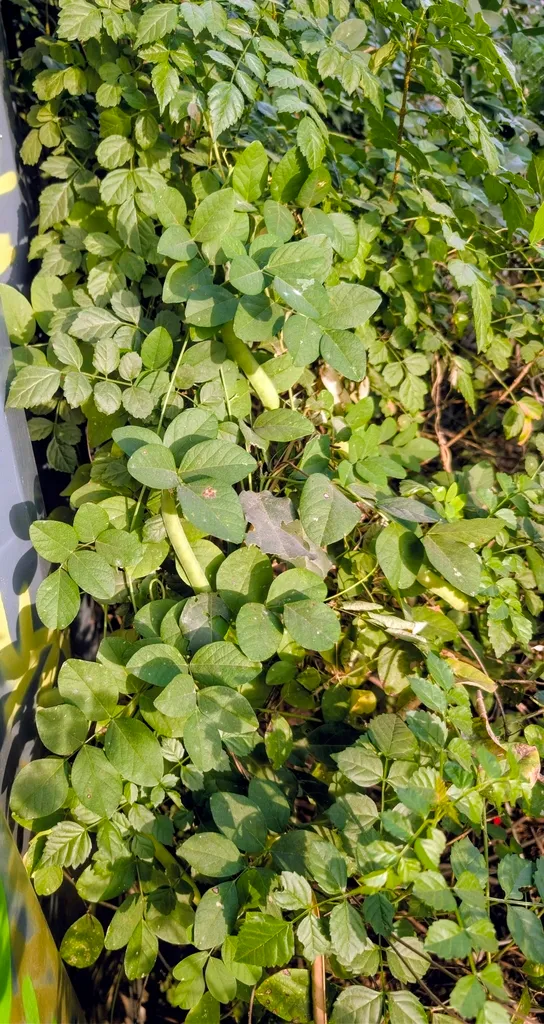
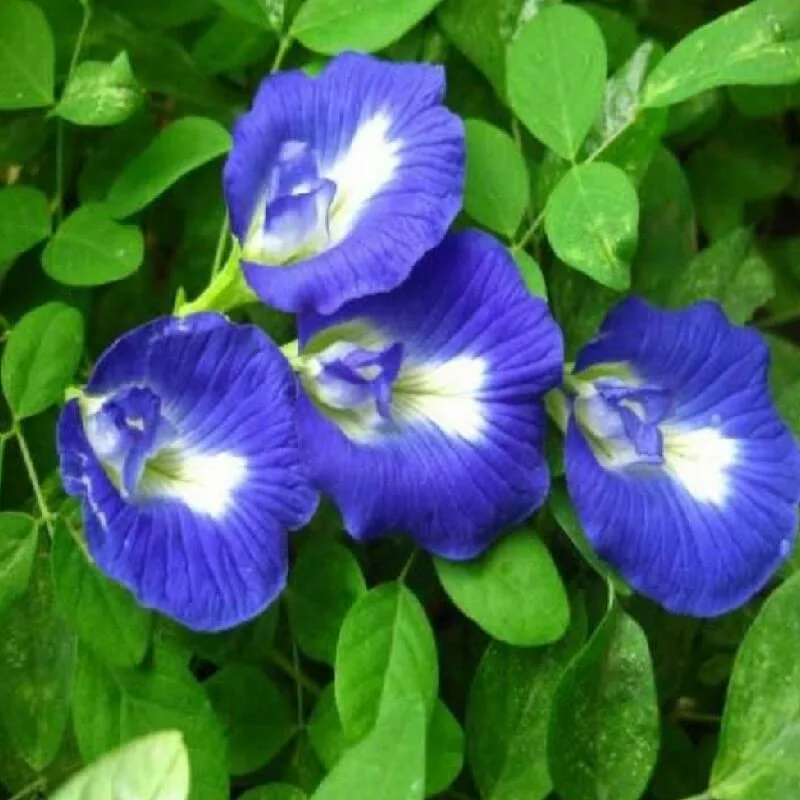
Clitoria ternatea, commonly known as Butterfly Pea, is a twining perennial vine with attractive pinnate leaves and large, vibrant blue flowers resembling butterflies. The flowers are about 4–5 cm across, often with a white or yellow center. This fast-growing climber can reach up to 3 metres in height and blooms profusely from summer to autumn. Its striking flowers make it a popular ornamental plant for trellises, fences, and containers.
Scientific classification
- Species
- Butterfly Pea (Clitoria ternatea)
- Genus
- Clitoria
- Family
- Fabaceae
- Order
- Fabales
- Class
- Magnoliopsida
- Phylum
- Tracheophyta
- Non-toxic
- Toxicity
- Climber · Herbaceous Perennial
- Plant type
- 1.5 - 3 metres
- Height
- 0.5 - 1 metre
- Spread
- Deciduous
- Foliage
- Climbing
- Habit
- Summer · Autumn
- Season of interest
- Full sun
- Sunlight
- 20 – 30 °C
- Ideal temperature









Butterfly Pea pictures
Distribution of Butterfly Pea
Distribution map
- Native
- Introduced
- Cultivated
Source:WCVP v16 · Royal Botanic Gardens, Kew · CC BY 3.0 · Boundaries:WGSRPD / TDWG
Toxicity
Non-toxic
Butterfly Pea care guide
- Water regularly, keep soil moist but not soggy
- Watering
- Full sun
- Sunlight
- 20 – 30 °C
- Ideal temperature

Watering
Water regularly, keep soil moist but not soggy
Fertilizing
 Fertilizing
Every 2-3 weeks during growing season
Pruning
 Pruning
Prune in early spring or after flowering to maintain shape and encourage bushier growth. Remove spent flowers regularly to prolong blooming.
Propagation
 Propagation
Sow seeds in spring after scarifying or soaking in warm water overnight. Germination occurs at 20–25°C within 1–2 weeks. Alternatively, take softwood cuttings in summer; root in moist, well-drained medium with bottom heat.
Growing
 Growing
Butterfly Pea thrives in full sun and well-drained, moist soil. It is best grown in a sheltered, warm position. Water regularly during the growing season, allowing the soil to dry slightly between waterings. Apply a balanced liquid fertilizer every 2–4 weeks to encourage blooming. In cooler climates, treat as an annual or overwinter indoors. Mulch around the base to retain moisture.
Common pests and diseases
Diseases
Generally resistant to diseases, but may suffer from leaf spot and root rot in overly wet conditions.
Pests
Aphids, spider mites, and whiteflies may attack, especially in dry conditions.
Explore the plant health library →




