
Common Mallow
Also known as: Cheeses, Dwarf Mallow, Round-leaved Mallow
Common Mallow is a low-growing annual or biennial herb with rounded, shallowly lobed leaves and delicate five-petaled flowers in shades of pale pink to lilac, often with darker veins. It forms a spreading mound up to 60 cm tall and wide, blooming from late spring through summer. Its charm lies in its wildflower appearance and ability to thrive in poor soils, making it a valuable plant for informal gardens and wildlife areas.
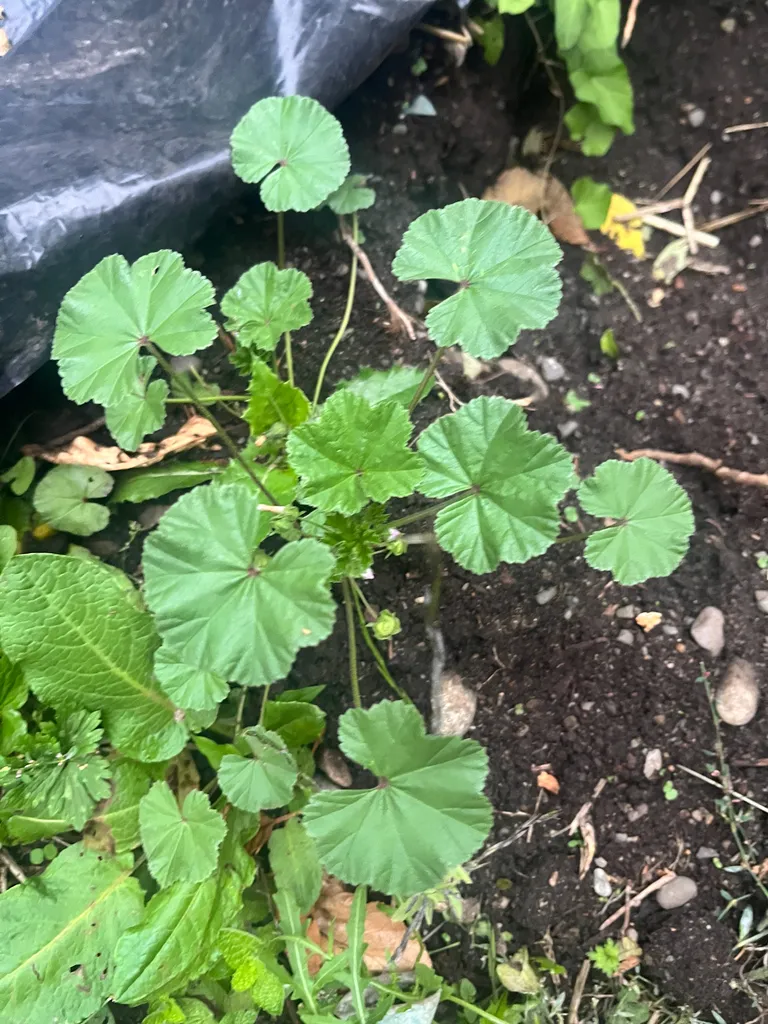
Scientific classification
- Species
- Common Mallow (Malva neglecta)
- Genus
- Malva
- Family
- Malvaceae
- Order
- Malvales
- Class
- Magnoliopsida
- Phylum
- Magnoliophyta
- Non-toxic to humans and pets.
- Toxicity
- Annual Biennial
- Plant type
- 0.3 - 0.6 metres
- Height
- 0.3 - 0.6 metres
- Spread
- Deciduous
- Foliage
- Upright · Spreading
- Habit
- Spring · Summer
- Season of interest
- Full sun · Partial shade
- Sunlight
- 15 – 25 °C
- Ideal temperature









Common Mallow pictures
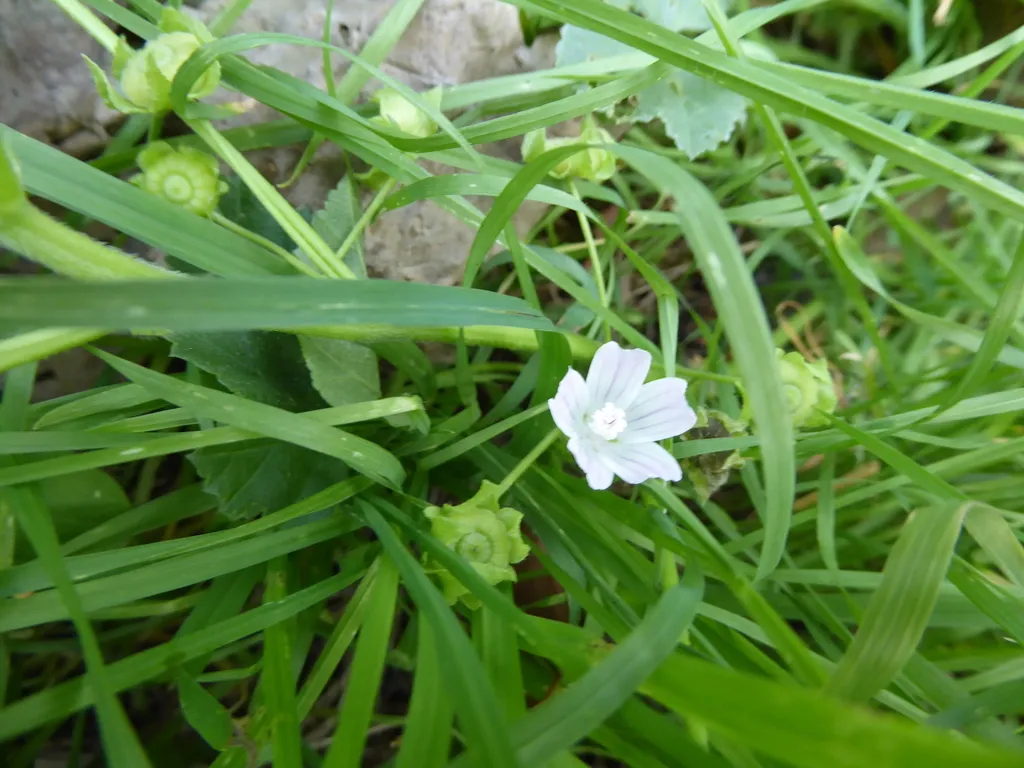
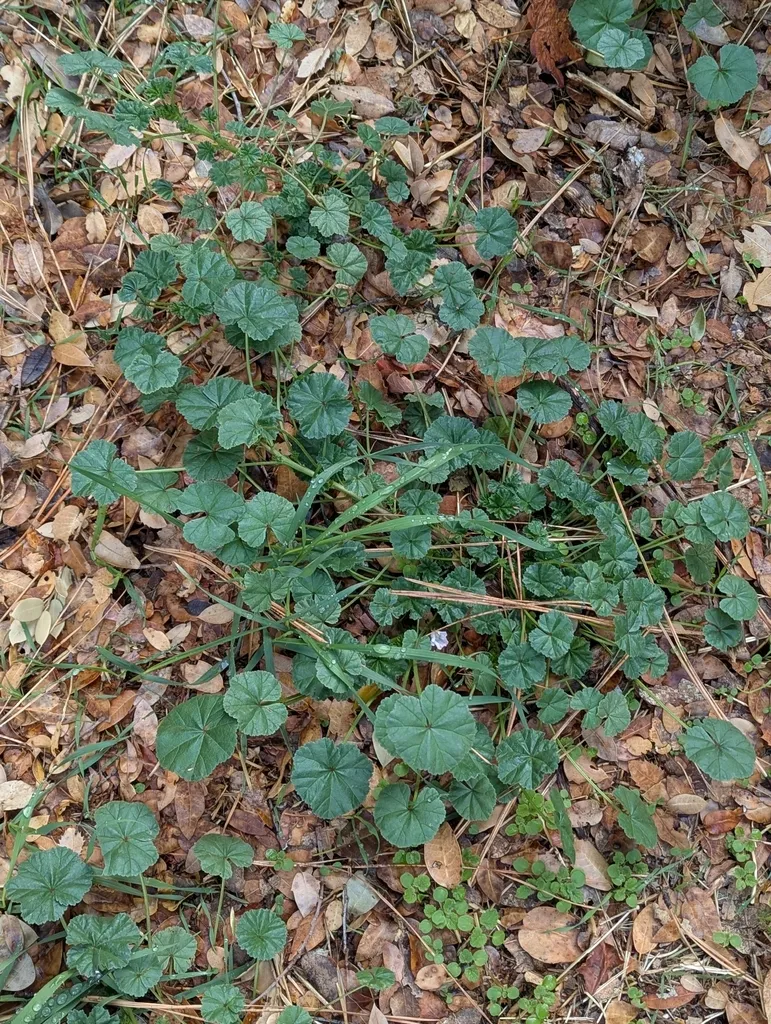
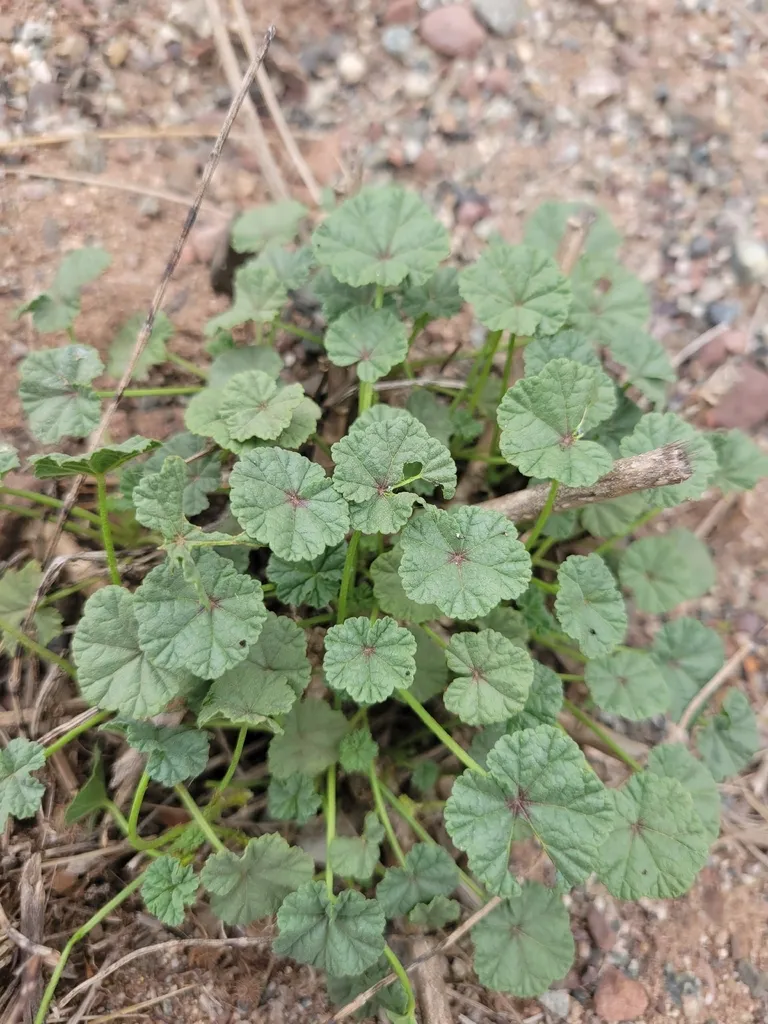
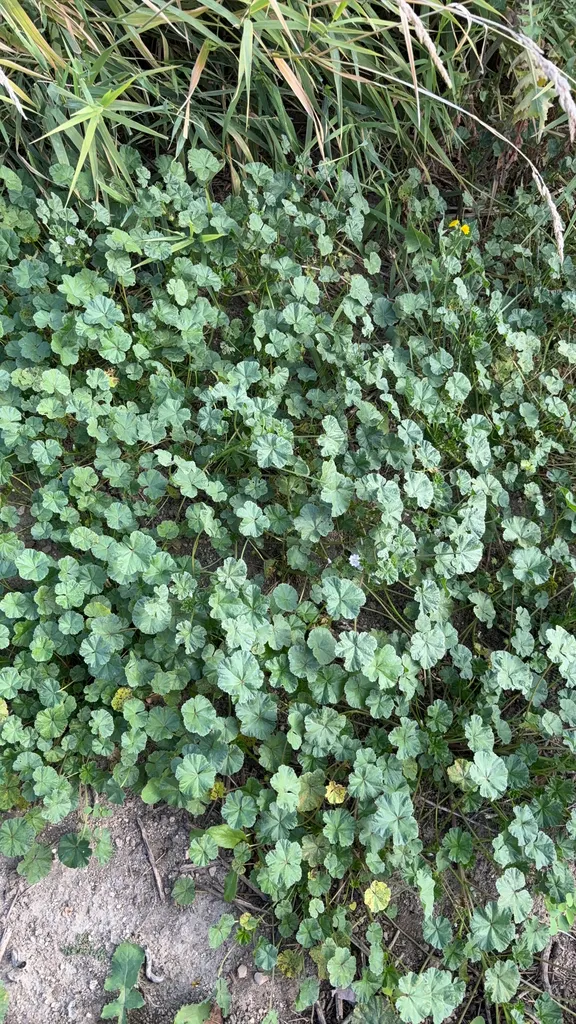
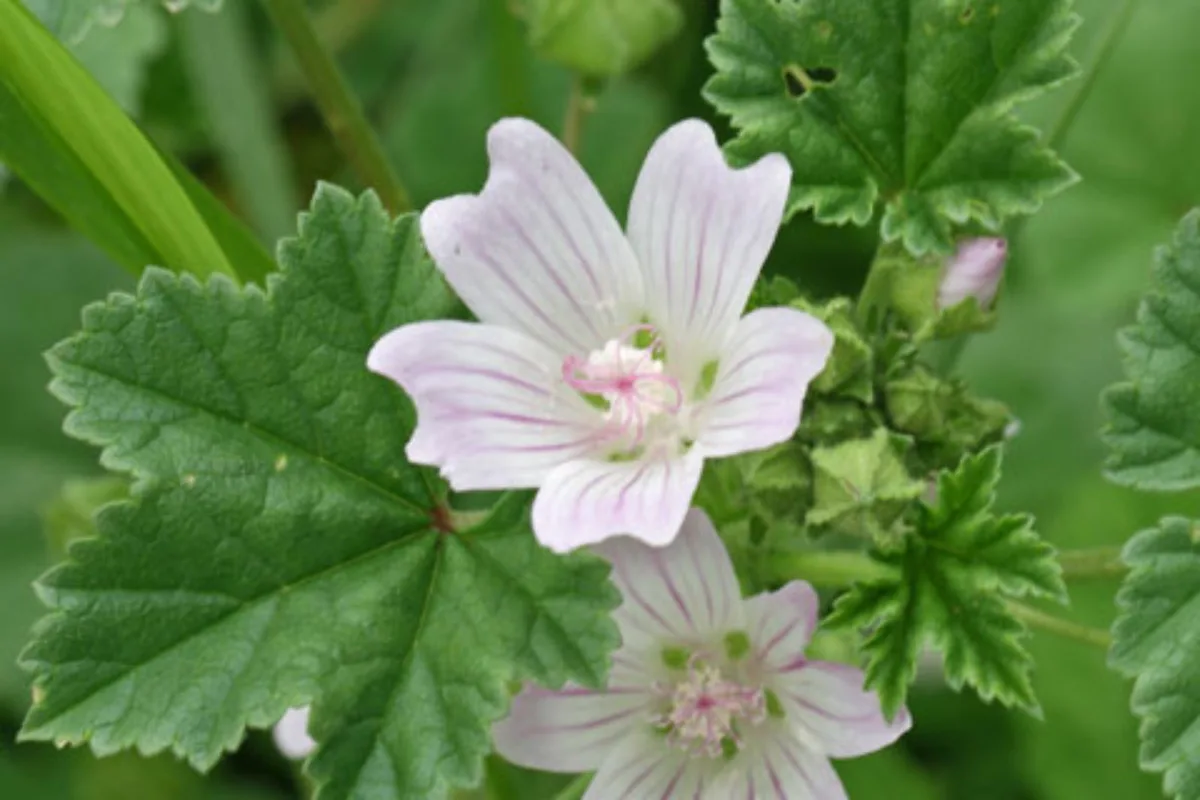
Distribution of Common Mallow
Distribution map
- Native
- Introduced
- Cultivated
Source:WCVP v16 · Royal Botanic Gardens, Kew · CC BY 3.0 · Boundaries:WGSRPD / TDWG
Toxicity
Non-toxic to humans and pets.
Common Mallow care guide
- Water moderately, allowing soil to dry slightly between waterings
- Watering
- Full sun · Partial shade
- Sunlight
- 15 – 25 °C
- Ideal temperature

Watering
Water moderately, allowing soil to dry slightly between waterings
Fertilizing
 Fertilizing
Light feeding in spring with balanced fertilizer
Pruning
 Pruning
Cut back flower stems after blooming to encourage a second flush. In autumn, trim the whole plant to ground level.
Propagation
 Propagation
Sow seeds directly outdoors in spring, barely covering them, as light aids germination. Alternatively, divide clumps in spring or autumn. Seeds germinate readily in 10-15 days at 15-20°C.
Growing
 Growing
Grow in full sun to light shade in any well-drained soil, including poor, sandy or chalky conditions. Water sparingly once established; it is drought-tolerant. No fertilizer is needed. Deadhead spent flowers to prolong blooming and cut back in autumn. Self-seeds readily, so remove seed heads if unwanted spread is a concern.
Common pests and diseases
Diseases
Susceptible to rust and powdery mildew, especially in humid conditions or crowded plantings.
Pests
Aphids and spider mites may occasionally infest young shoots and undersides of leaves.
Explore the plant health library →




