
Dahlia
Also known as: Dahlia, Garden Dahlia
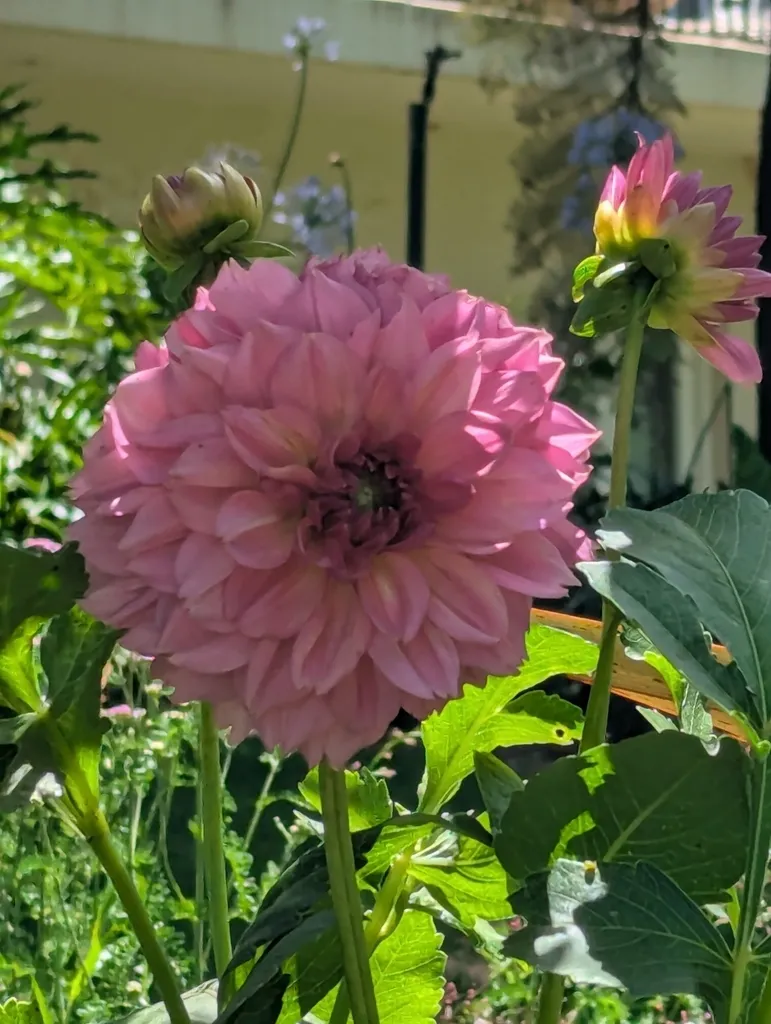
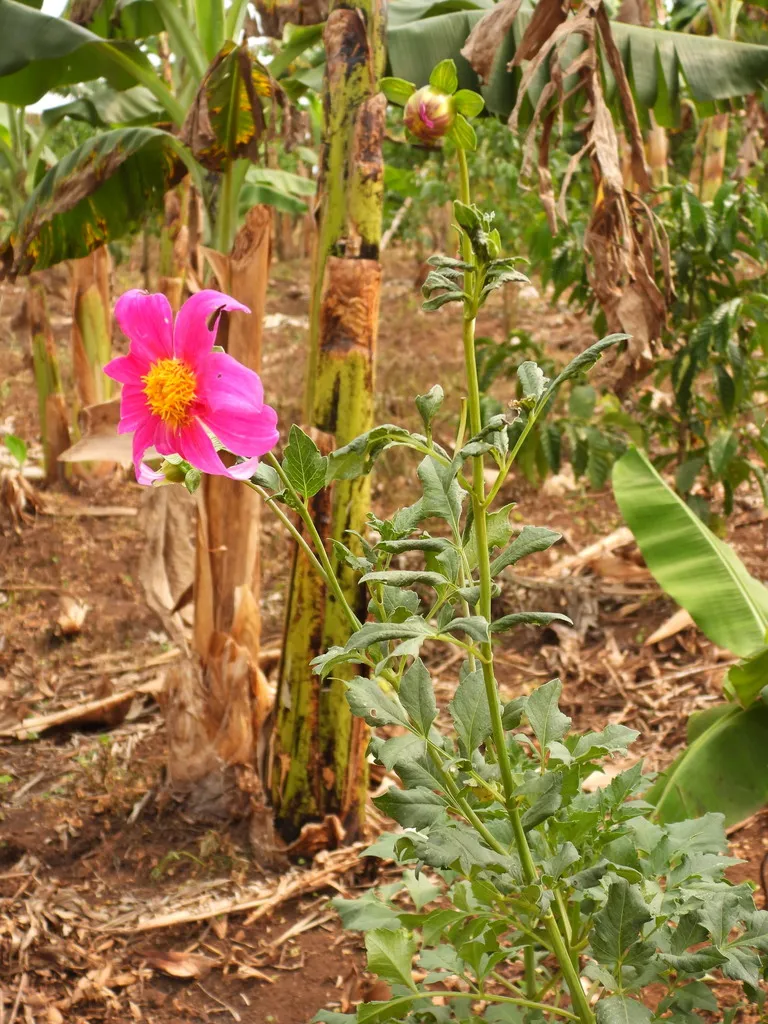
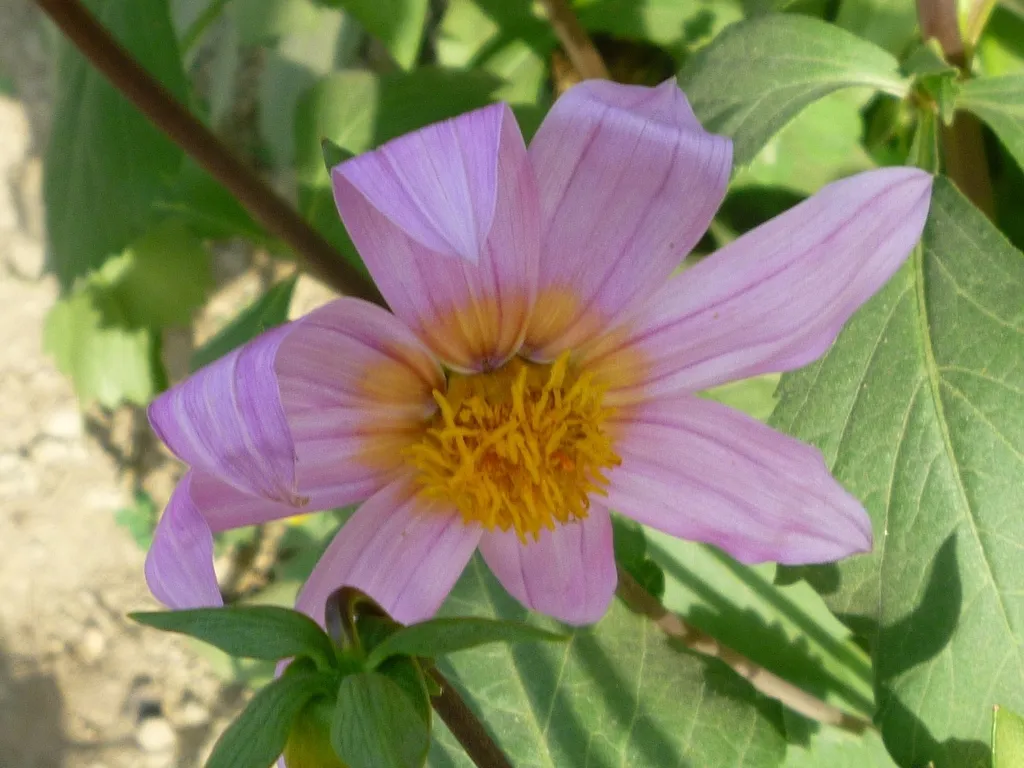
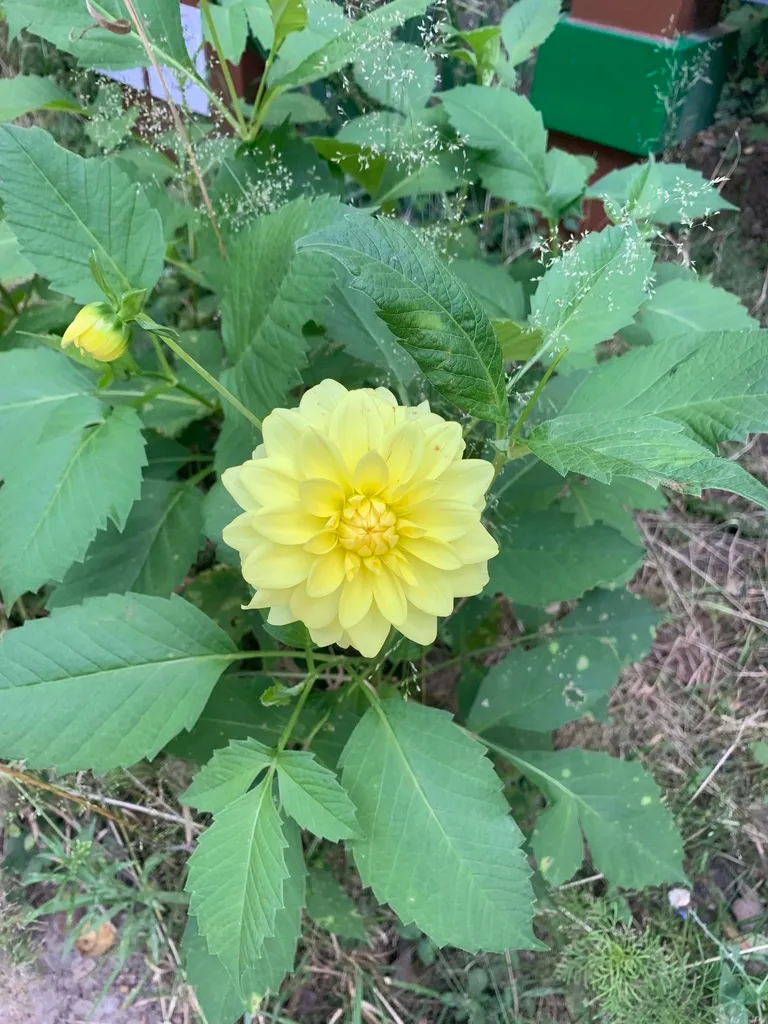
Dahlia pinnata is a tuberous-rooted perennial with erect stems and pinnate leaves. It produces showy flower heads in a wide range of colours, from white and yellow to pink and purple, often with multiple petals. Blooms appear from mid-summer until the first frosts. It is highly valued for its long flowering season and ornamental value.
Scientific classification
- Species
- Dahlia (Dahlia pinnata)
- Genus
- Dahlia
- Family
- Asteraceae
- Order
- Asterales
- Class
- Magnoliopsida
- Phylum
- Magnoliophyta
- Non-toxic.
- Toxicity
- Herbaceous Perennial · Bedding
- Plant type
- 0.6 - 1.2 metres
- Height
- 0.4 - 0.6 metres
- Spread
- Deciduous
- Foliage
- Upright
- Habit
- Summer · Autumn
- Season of interest
- Full sun
- Sunlight
- 15 – 25 °C
- Ideal temperature









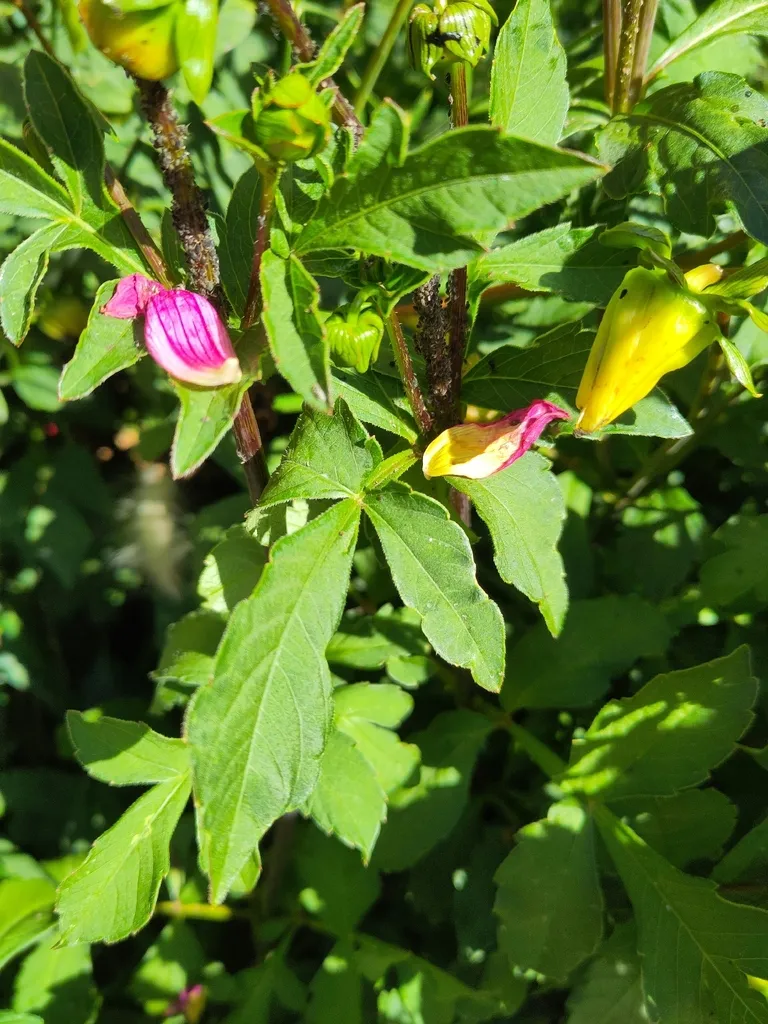
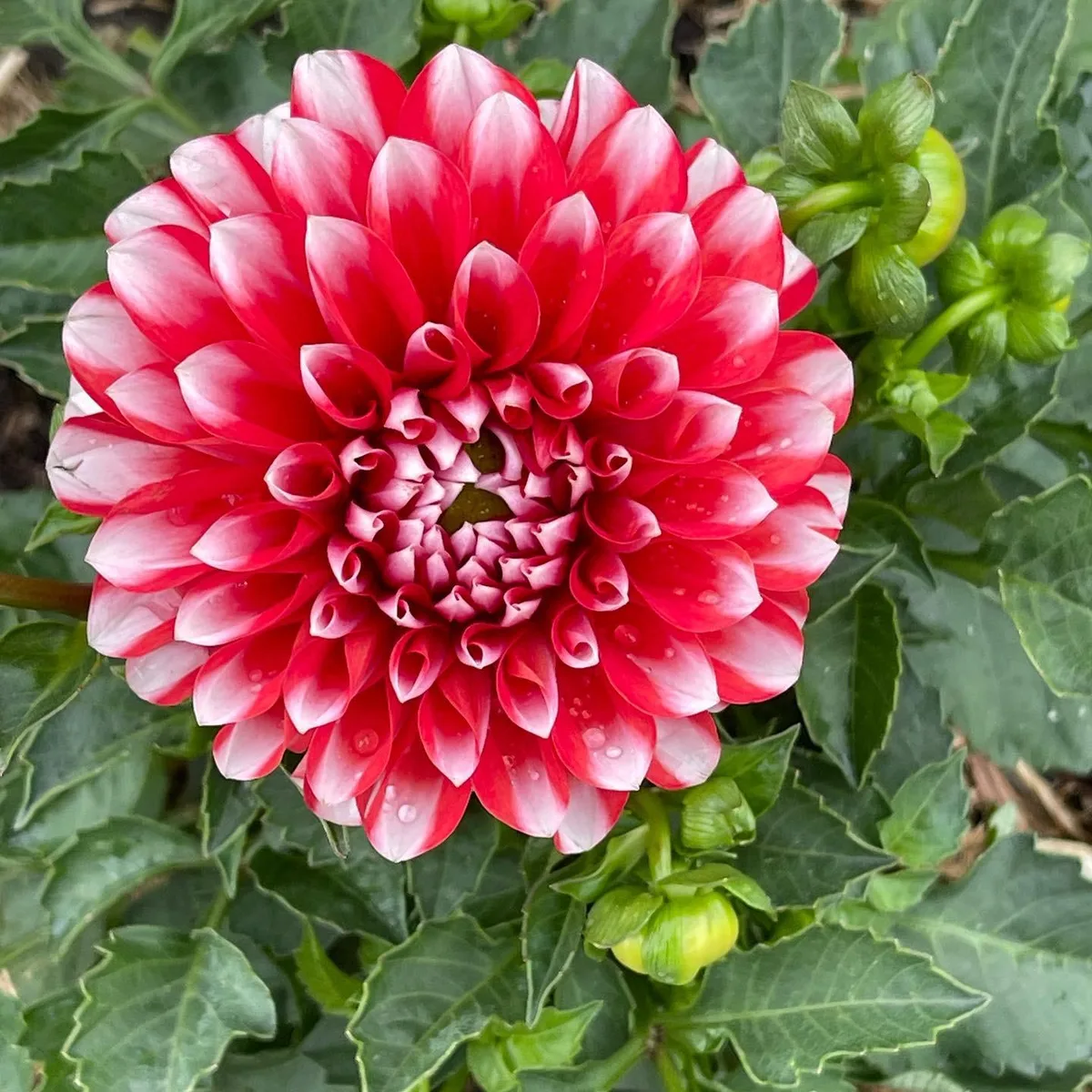
Dahlia pictures
Distribution of Dahlia
Distribution map
- Native
- Introduced
- Cultivated
Source:WCVP v16 · Royal Botanic Gardens, Kew · CC BY 3.0 · Boundaries:WGSRPD / TDWG
Toxicity
Non-toxic.
Dahlia care guide
- Water deeply once or twice a week; avoid wetting foliage
- Watering
- Full sun
- Sunlight
- 15 – 25 °C
- Ideal temperature

Watering
Water deeply once or twice a week; avoid wetting foliage
Fertilizing
 Fertilizing
Weekly with low-nitrogen fertilizer once buds appear
Pruning
 Pruning
Pinch out tips of young plants to encourage bushiness. Deadhead spent flowers to prolong blooming. Cut back stems to ground level after frost.
Propagation
 Propagation
Divide tubers in spring, ensuring each division has a viable shoot. Alternatively, take softwood cuttings from basal shoots in spring; root at 18-20°C. Seed propagation possible but not true to type.
Growing
 Growing
Grow in fertile, well-drained soil in full sun. Plant tubers in spring after danger of frost. Water regularly during growth, reducing in winter. Apply a balanced fertilizer monthly until blooming. In cold regions, lift tubers after first frost and store dry in frost-free conditions.
Common pests and diseases
Diseases
Susceptible to powdery mildew, grey mould (Botrytis), and viruses.
Pests
Aphids, red spider mites, slugs, and earwigs can be problematic.
Explore the plant health library →




