
Variegated Philodendron Sodiroi
Also known as: Variegated Philodendron Sodiroi, Silver Philodendron
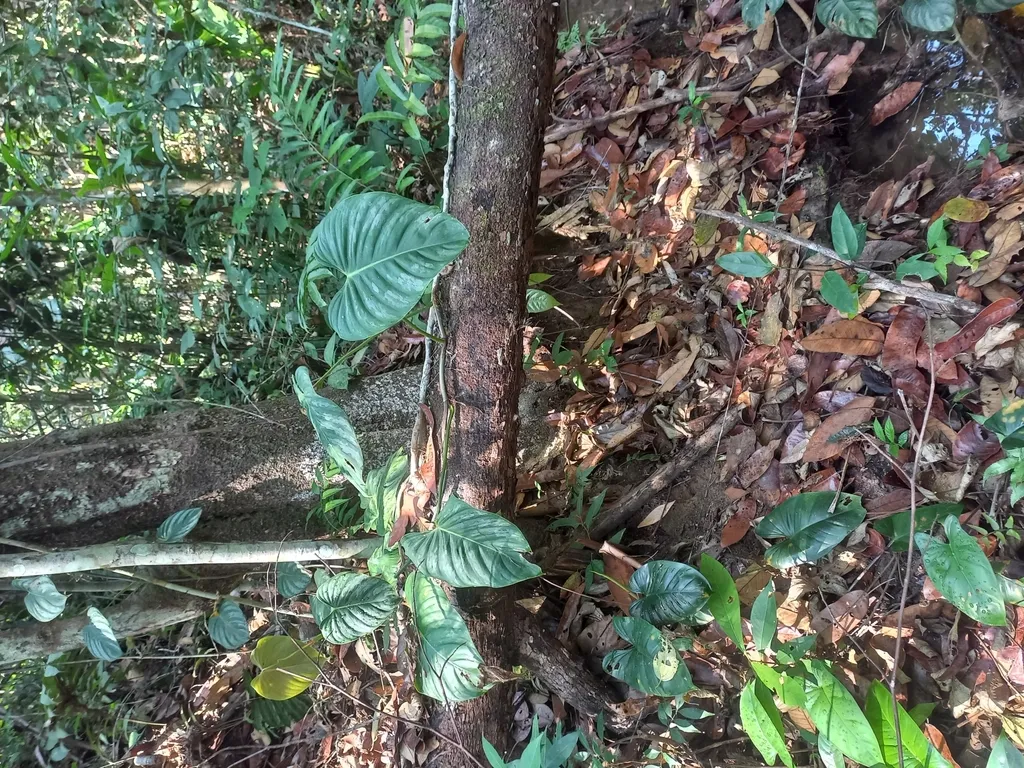
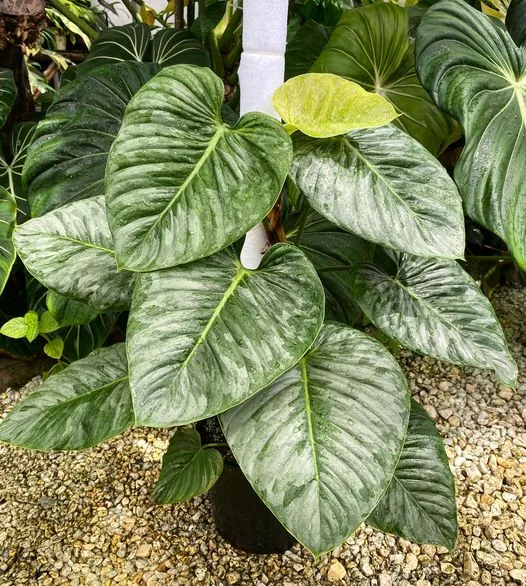
Philodendron sodiroi is a stunning evergreen climber, prized for its large, heart-shaped leaves that display a striking variegation of silver-white patches against a deep green background. The leaves are velvety to the touch, with prominent green veins that add texture. As a hemiepiphytic plant, it naturally grows by climbing tree trunks in its native tropical forests. Its ornamental foliage makes it a popular choice for indoor jungles and terrariums.
Scientific classification
- Species
- Variegated Philodendron Sodiroi (Philodendron sodiroi)
- Genus
- Philodendron
- Family
- Araceae
- Order
- Alismatales
- Class
- Liliopsida
- Phylum
- Magnoliophyta
- Toxic to humans and pets if ingested, due to calcium oxalate crystals; keep out of reach of children and animals.
- Toxicity
- Houseplants · Foliage · Climber
- Plant type
- 0.6 - 1.2 metres
- Height
- 0.3 - 0.6 metres
- Spread
- Evergreen
- Foliage
- Climbing · Trailing
- Habit
- Spring · Summer
- Season of interest
- Bright indirect light
- Sunlight
- 18 – 27 °C
- Ideal temperature









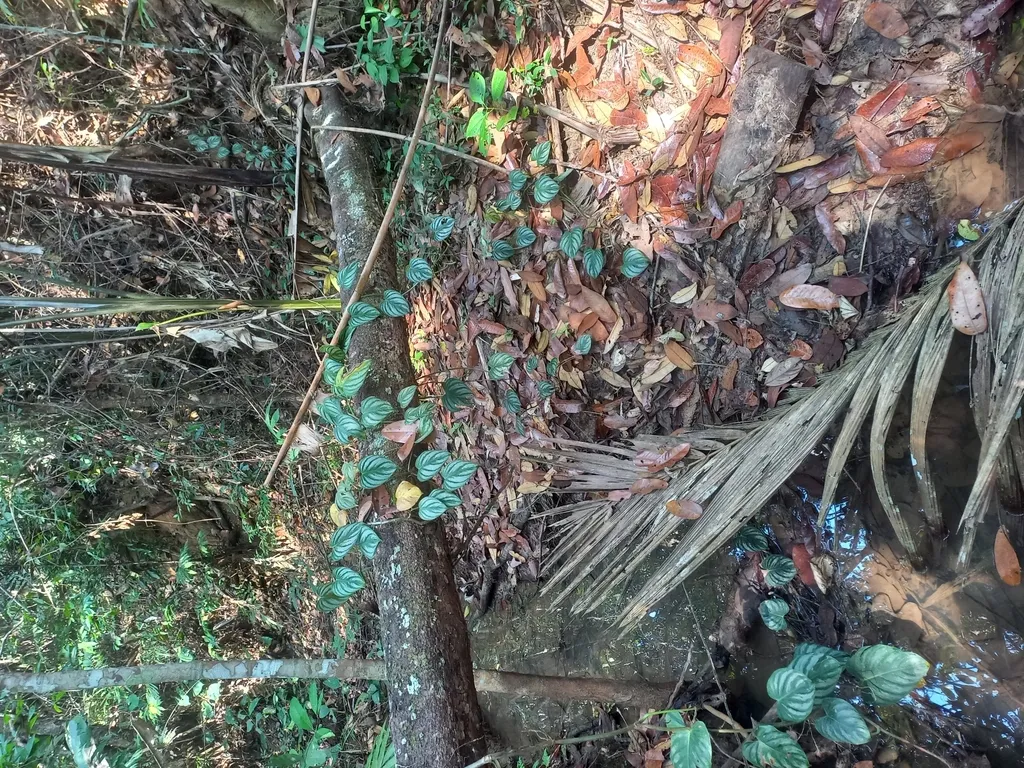
Variegated Philodendron Sodiroi pictures
Distribution of Variegated Philodendron Sodiroi
Distribution map
- Native
- Introduced
- Cultivated
Source:WCVP v16 · Royal Botanic Gardens, Kew · CC BY 3.0 · Boundaries:WGSRPD / TDWG
Toxicity
Toxic to humans and pets if ingested, due to calcium oxalate crystals; keep out of reach of children and animals.
Variegated Philodendron Sodiroi care guide
- Allow top layer of soil to dry between watering
- Watering
- Bright indirect light
- Sunlight
- 18 – 27 °C
- Ideal temperature

Watering
Allow top layer of soil to dry between watering
Fertilizing
 Fertilizing
Monthly with balanced liquid fertilizer during spring and summer
Pruning
 Pruning
Prune in spring to control size and shape, cutting back leggy stems just above a leaf node. Remove any yellow or damaged leaves as needed.
Propagation
 Propagation
Propagate via stem cuttings in spring or early summer. Take a cutting with at least two nodes and one leaf, and root in water or moist sphagnum moss at 20-25°C. Once roots are 2-3 cm long, transfer to a well-draining potting mix. Alternatively, air layering can be used for larger plants.
Growing
 Growing
Grow in bright, indirect light; direct sun will scorch the leaves. Use a well-aerated potting mix based on peat and perlite to ensure good drainage while retaining moisture. Water when the top inch of soil feels dry, but never allow the pot to sit in water. Maintain high humidity (60-80%) through misting, a humidifier, or a pebble tray. Feed monthly during the growing season with a balanced liquid fertilizer diluted to half strength. Keep temperatures above 15°C year-round; avoid cold drafts.
Common pests and diseases
Diseases
Susceptible to root rot if overwatered or kept in poor drainage. Also prone to leaf spot diseases caused by fungi in overly humid conditions with poor air circulation.
Pests
Common pests include spider mites, mealybugs, and scale insects. Regularly inspect the undersides of leaves and treat with insecticidal soap or neem oil if needed.
Explore the plant health library →




