
Larkspur
Also known as: Larkspur, Rocket Larkspur
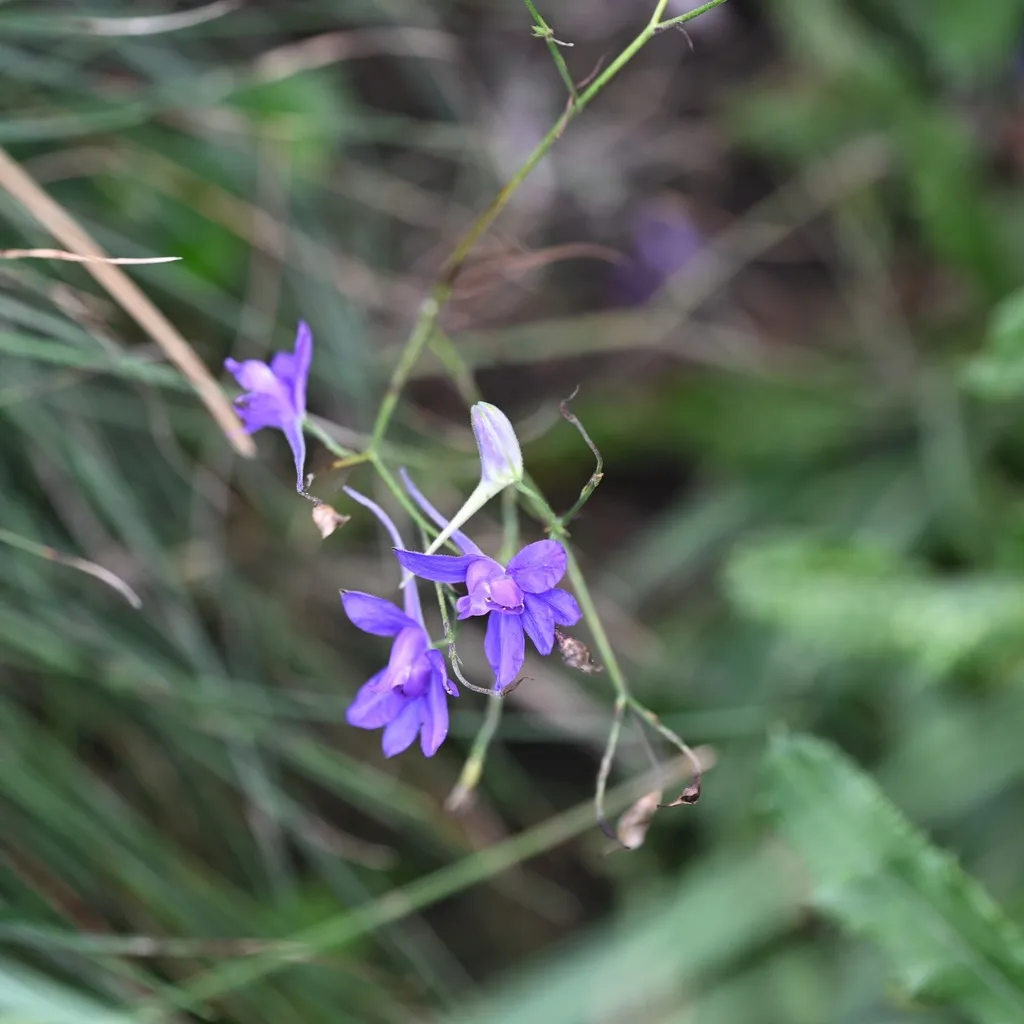
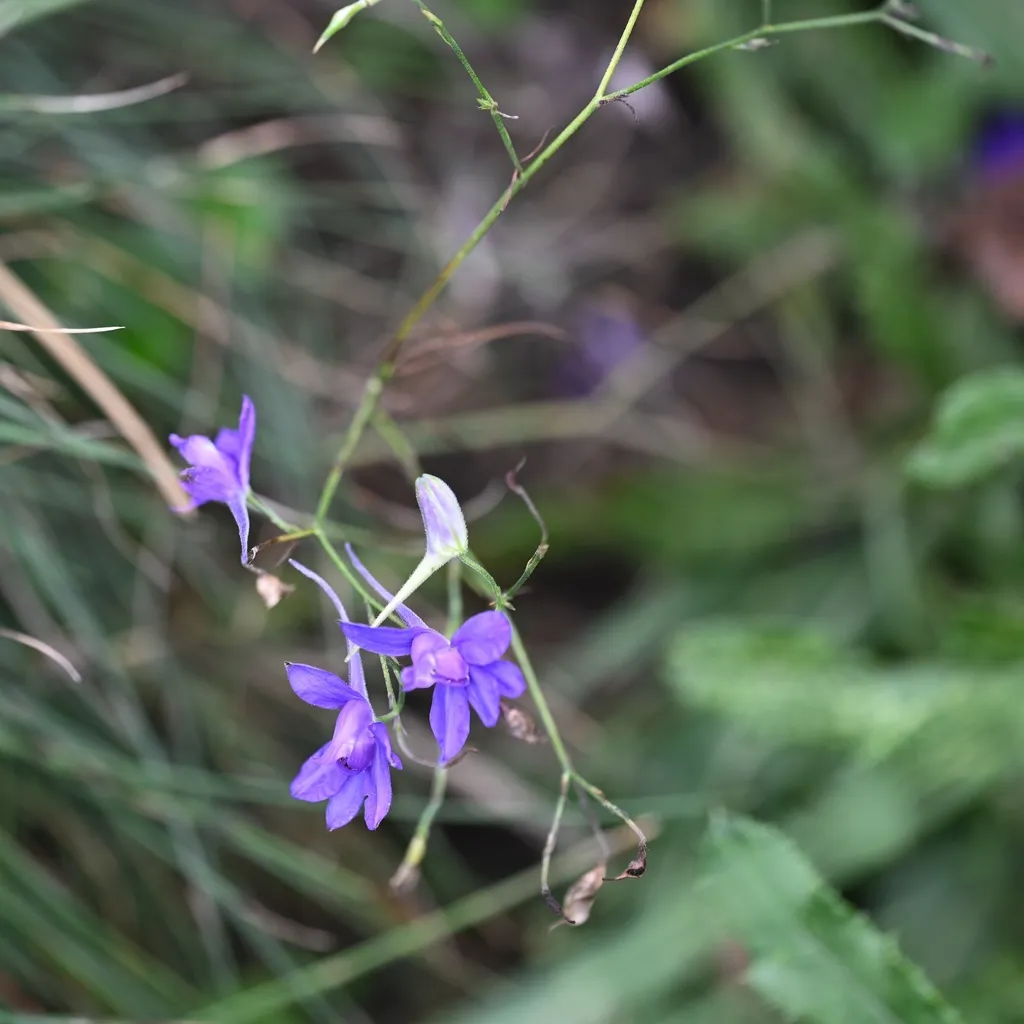
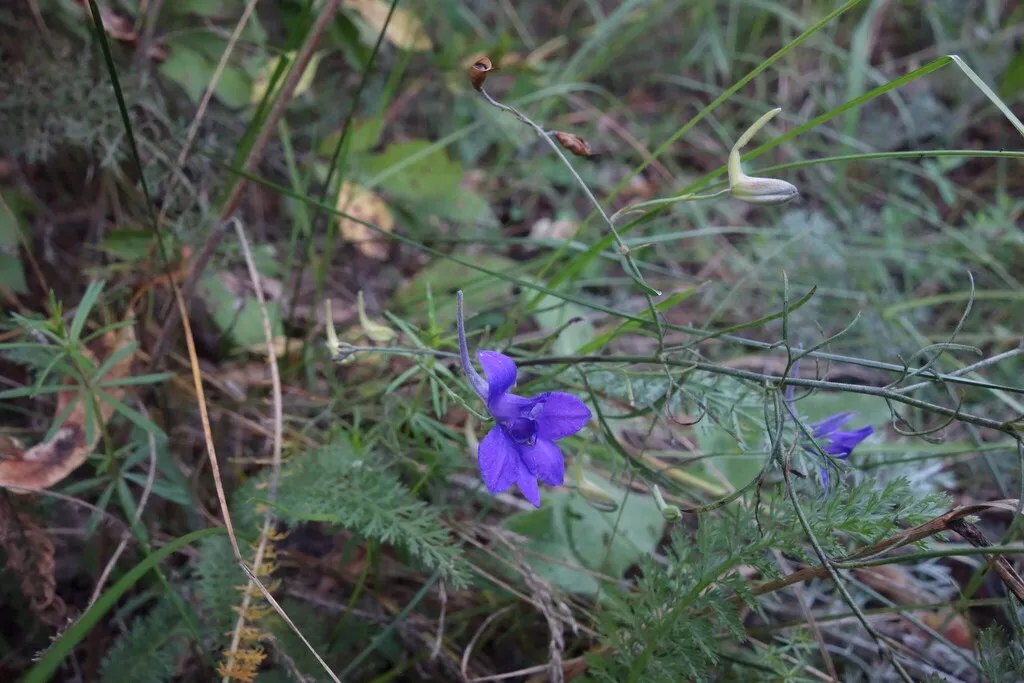
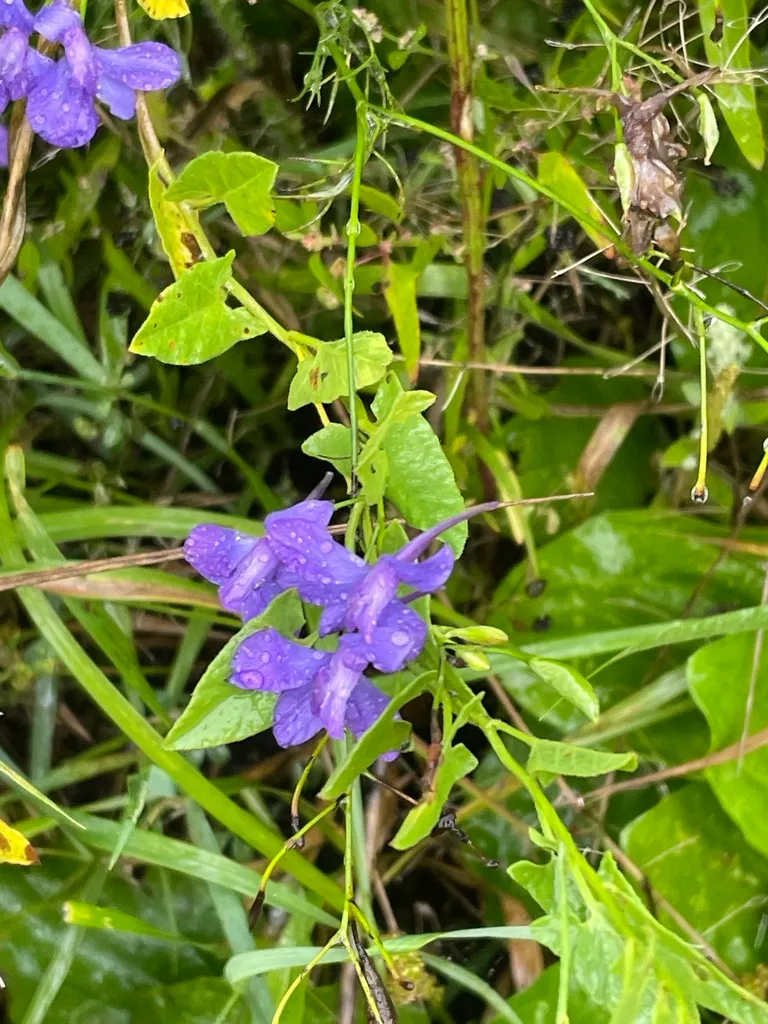
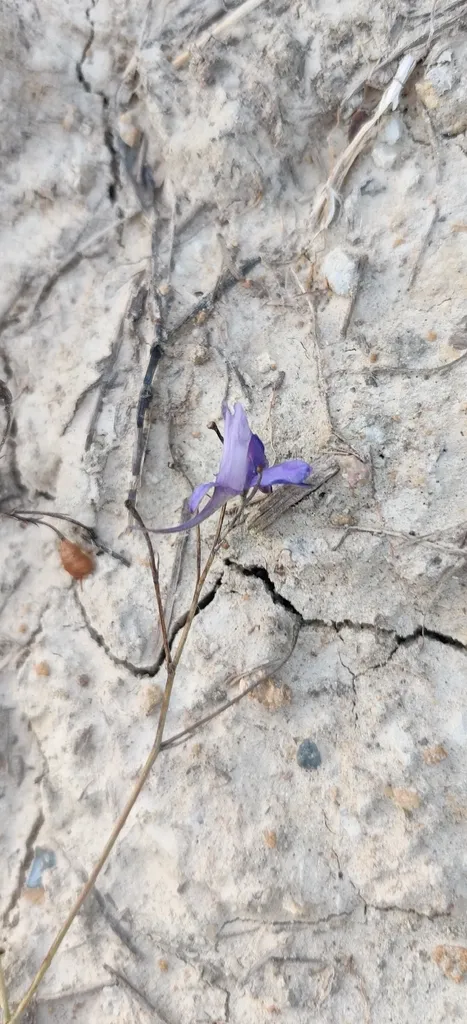
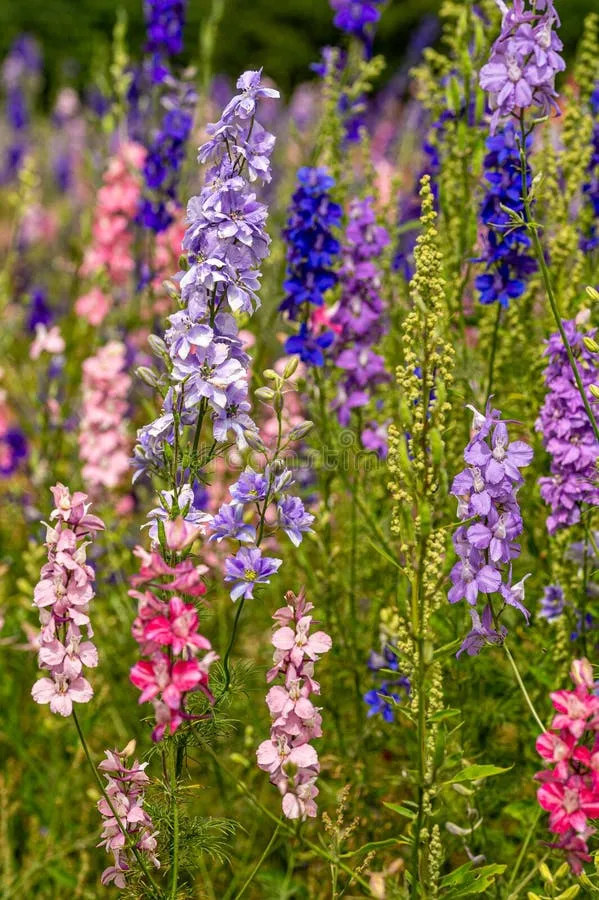
Delphinium consolida, commonly known as larkspur, is an erect annual with deeply divided, feathery dark green leaves. In summer, it produces tall spikes of spurred, single or double flowers in shades of blue, pink, purple, or white. The flowers are borne on slender stems and are excellent for cutting. This plant has a graceful, airy habit and adds vertical interest to borders.
Scientific classification
- Species
- Larkspur (Delphinium consolida)
- Genus
- Delphinium
- Family
- Ranunculaceae
- Order
- Ranunculales
- Class
- Magnoliopsida
- Phylum
- Magnoliophyta
- All parts of the plant are highly toxic if ingested, and contact with skin may cause irritation.
- Toxicity
- Annual Biennial
- Plant type
- 0.6 - 1.2 metres
- Height
- 0.3 - 0.6 metres
- Spread
- Deciduous
- Foliage
- Upright
- Habit
- Summer
- Season of interest
- Full sun
- Sunlight
- 15 – 25 °C
- Ideal temperature









Larkspur pictures
Distribution of Larkspur
Distribution map
- Native
- Introduced
- Cultivated
Source:WCVP v16 · Royal Botanic Gardens, Kew · CC BY 3.0 · Boundaries:WGSRPD / TDWG
Toxicity
All parts of the plant are highly toxic if ingested, and contact with skin may cause irritation.
Larkspur care guide
- Keep soil consistently moist; avoid overhead watering
- Watering
- Full sun
- Sunlight
- 15 – 25 °C
- Ideal temperature

Watering
Keep soil consistently moist; avoid overhead watering
Fertilizing
 Fertilizing
Every two weeks with high-phosphorus fertilizer during blooming
Pruning
 Pruning
Cut back flower spikes after the main bloom to encourage a second flowering. At the end of the season, pull up and compost spent plants, as they are annuals.
Propagation
 Propagation
Sow seeds in situ in spring after the last frost, or start indoors 6-8 weeks before the last frost. Seeds germinate best at 15-20°C (59-68°F). Thin seedlings to 30 cm (12 in) apart. For a succession of blooms, sow again in early summer.
Growing
 Growing
Grow in full sun in fertile, well-drained soil. For best results, incorporate well-rotted organic matter before planting. Water regularly during dry periods, but avoid waterlogging. Apply a balanced liquid fertilizer every two weeks during the growing season to prolong flowering. In colder regions, protect from severe frosts with a mulch; in mild areas, self-seeding may occur. Deadhead spent flower spikes to encourage a second flush of bloom.
Common pests and diseases
Diseases
Susceptible to powdery mildew, black spot, and crown rot, especially in humid conditions or poorly drained soil.
Pests
Aphids, slugs, and snails are common pests. Spider mites may occur in hot, dry weather.
Explore the plant health library →




