
winter daffodil
Also known as: fall daffodil; lily of the field; yellow amaryllis; yellow starflower
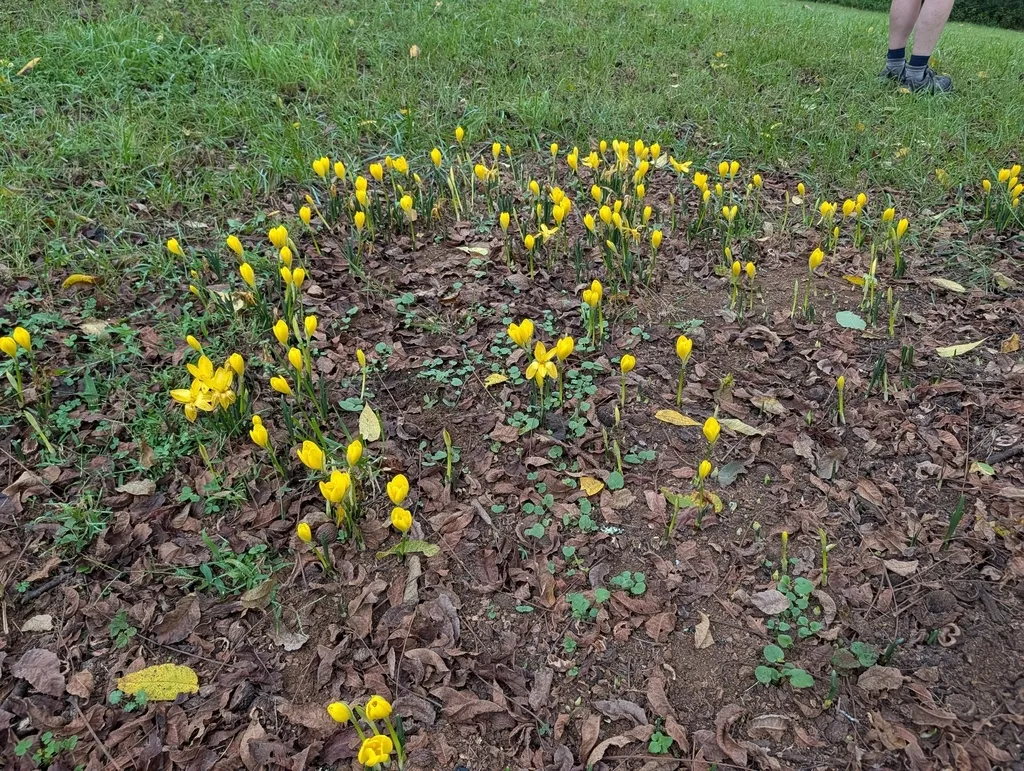
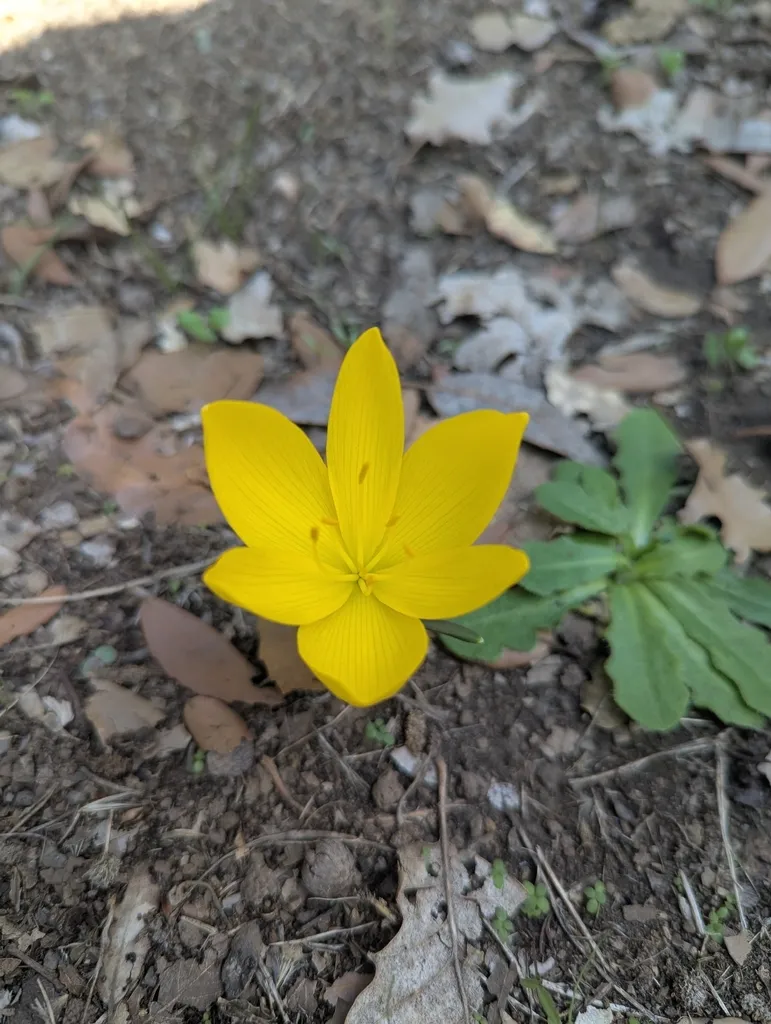
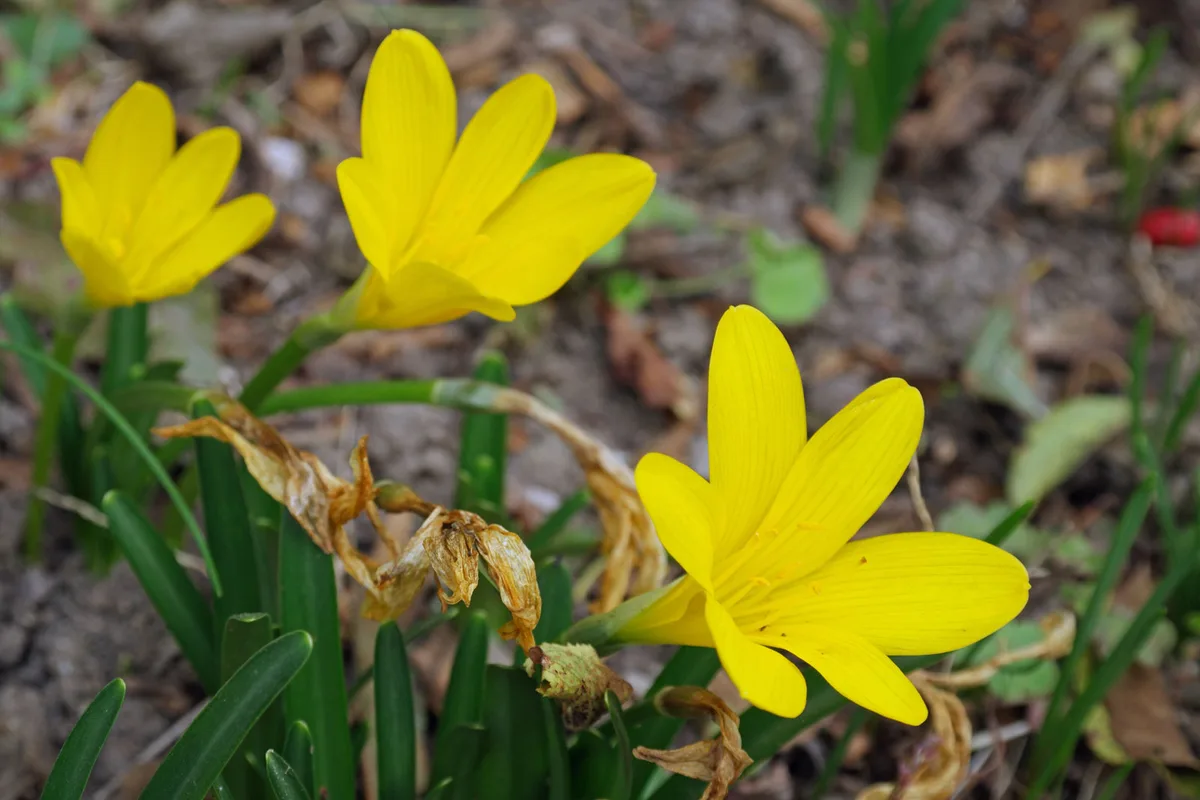
S. lutea is a clump-forming bulbous perennial to 15cm in height, with narrow, dark green leaves and solitary deep yellow, goblet-shaped flowers in autumn
Scientific classification
- Species
- winter daffodil (Sternbergia lutea)
- Genus
- Sternbergia
- Family
- Amaryllidaceae
- Order
- Asparagales
- Class
- Liliopsida
- Phylum
- Magnoliophyta
- Ornamental bulbs - not to be eaten. Wear gloves and other protective equipment when handling
- Toxicity
- Bulbs
- Plant type
- 0.1-0.5 metres
- Height
- 0-0.1 metre
- Spread
- Deciduous
- Foliage
- Clump forming
- Habit
- Autumn
- Season of interest
- Full sun
- Sunlight
- Information to be completed
- Ideal temperature









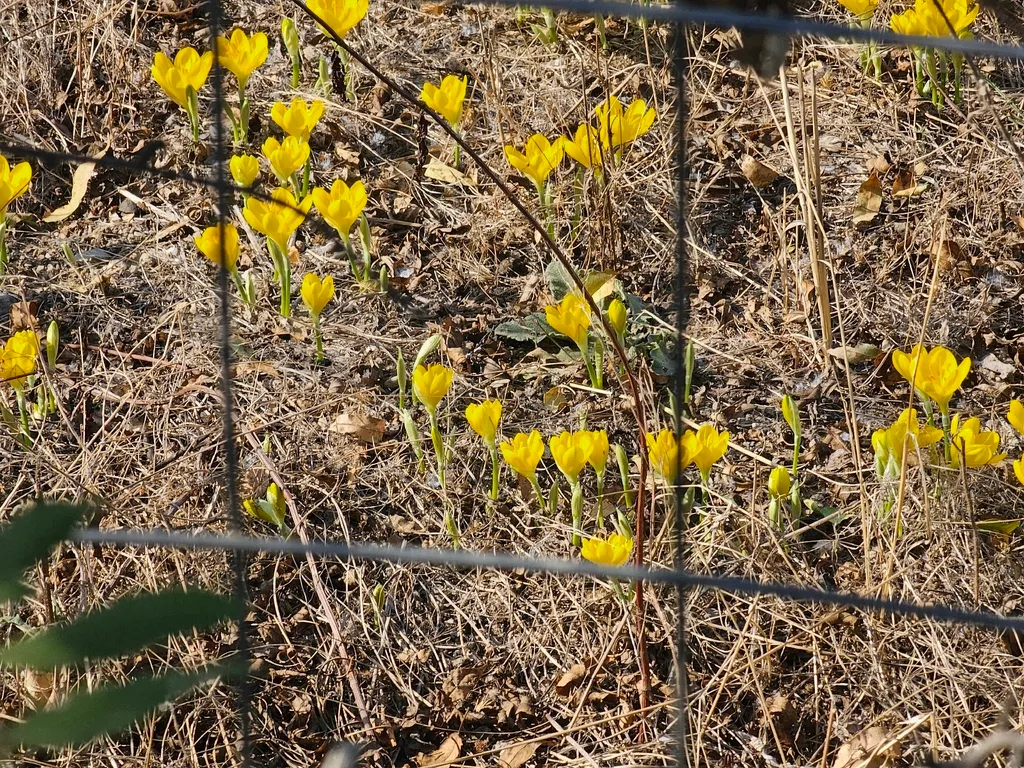
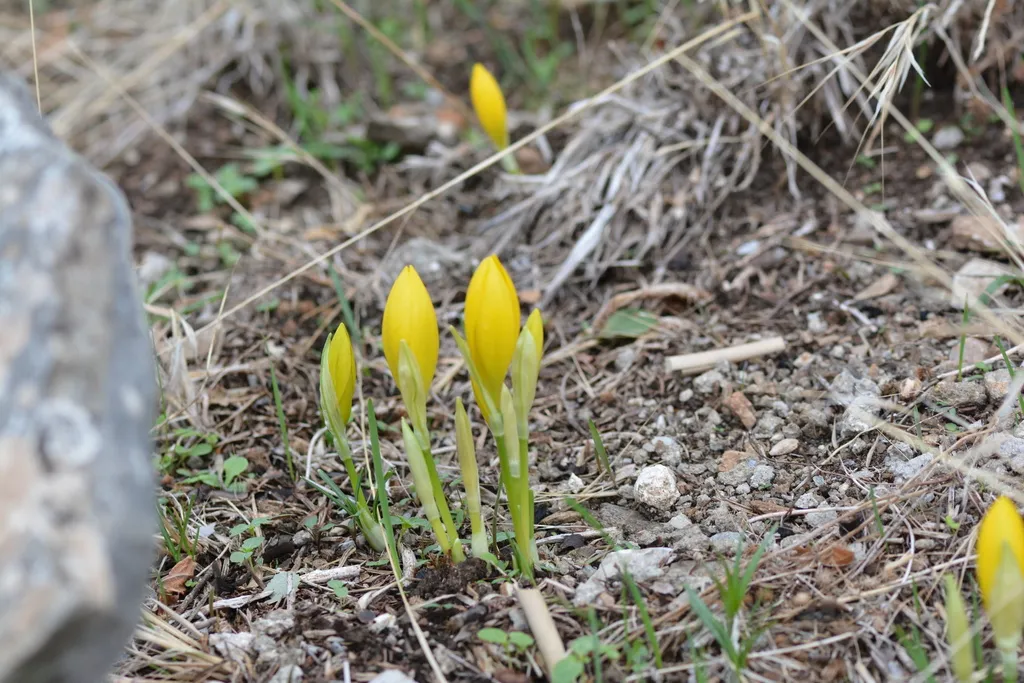
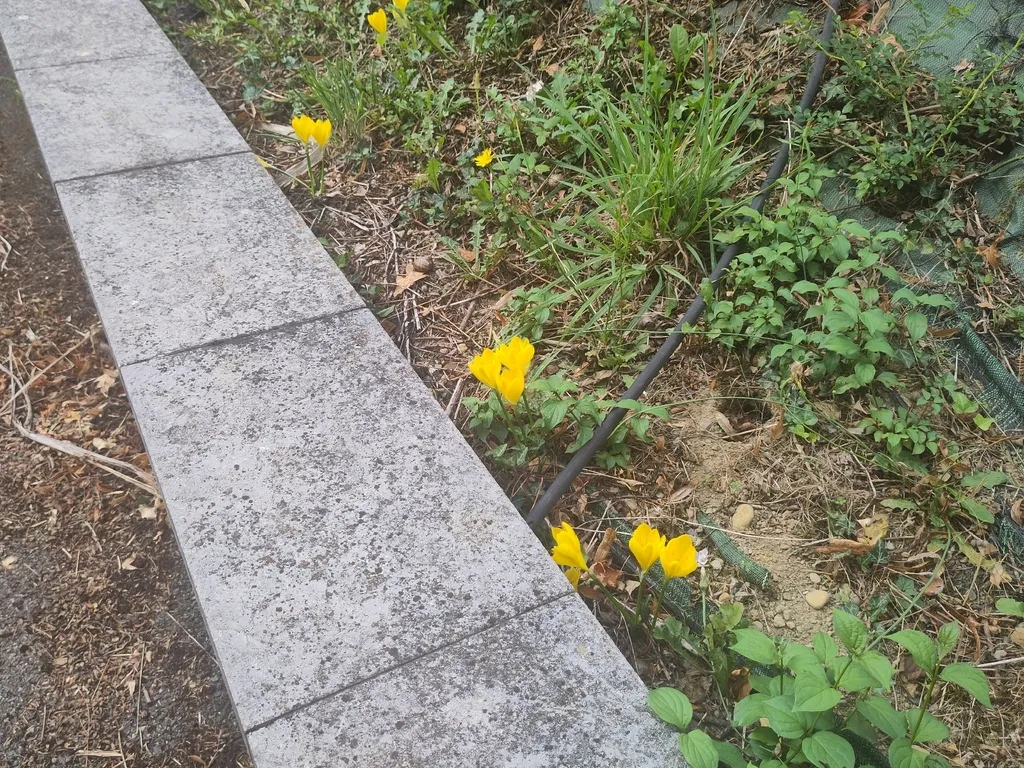
winter daffodil pictures
Distribution of winter daffodil
Distribution map
- Native
- Introduced
- Cultivated
Source:WCVP v16 · Royal Botanic Gardens, Kew · CC BY 3.0 · Boundaries:WGSRPD / TDWG
Toxicity
Ornamental bulbs - not to be eaten. Wear gloves and other protective equipment when handling
winter daffodil care guide
- Moderate regular watering, allowing brief slight drying between soakings
- Watering
- Full sun
- Sunlight

Watering
Moderate regular watering, allowing brief slight drying between soakings
Fertilizing
 Fertilizing
Balanced perennial feed every four weeks from spring through summer
Pruning
 Pruning
No pruning required
Propagation
 Propagation
Propagate by seed, sown with moderate heat as soon as ripe. Separate offsets when dormant
Growing
 Growing
Plant 15cm deep in late summer in any moderately fertile, sharply drained soil. Protect from excessive winter wet
Common pests and diseases
Diseases
May be susceptible to daffodil viruses
Pests
May be susceptible to narcissus bulb flies, large narcissus bulb flies, and narcissus eelworms
Explore the plant health library →




