
Elegant Philodendron
Also known as: Elegant Philodendron, Philodendron elegans
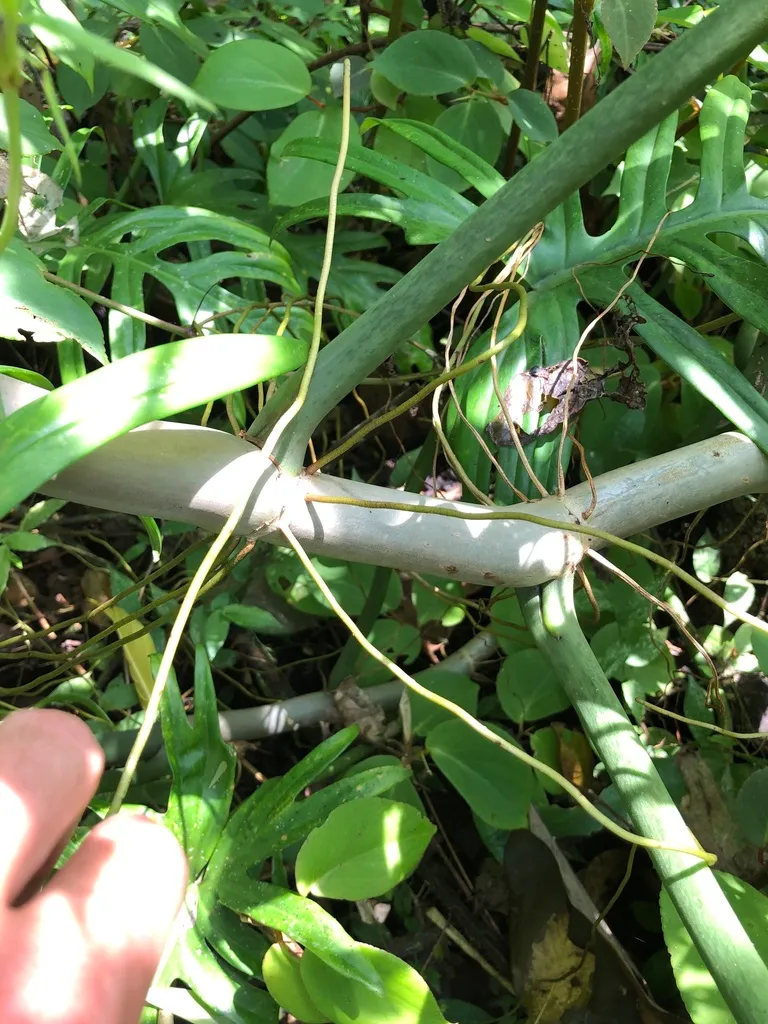
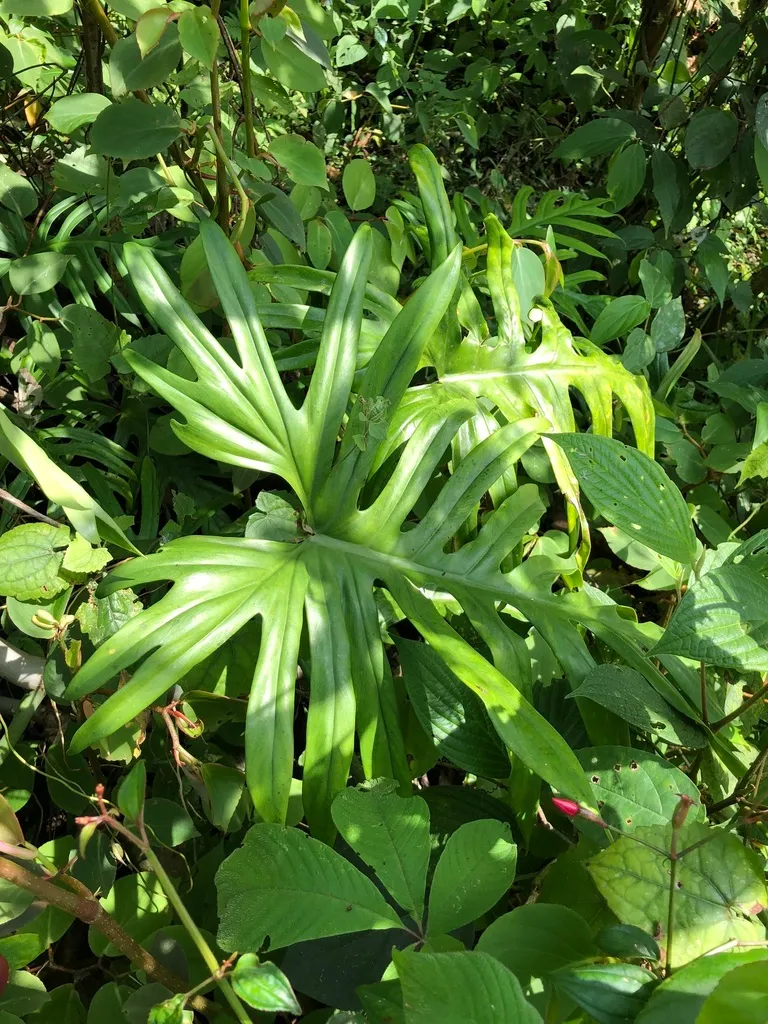
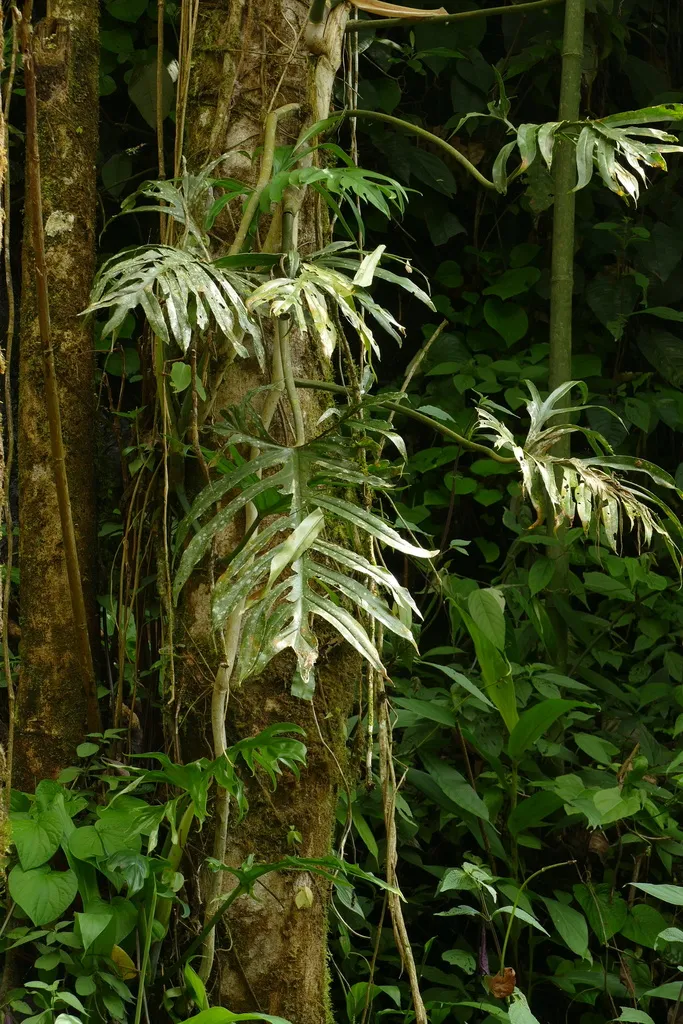
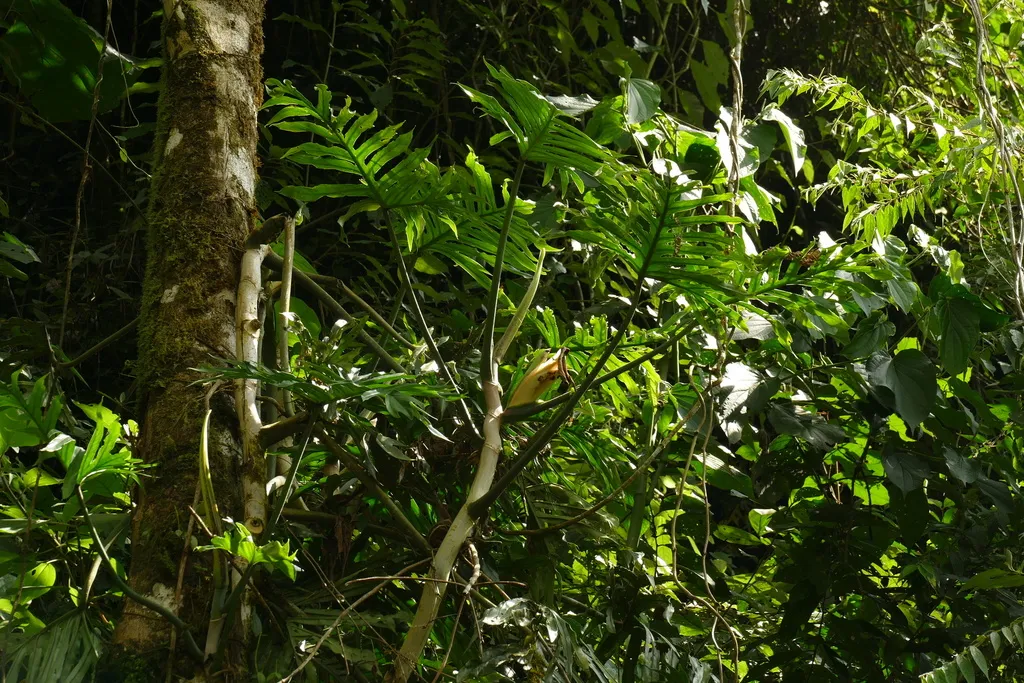
Philodendron elegans is a climbing or trailing aroid with slender stems and attractive, heart-shaped to arrow-shaped leaves. The foliage is glossy, deep green, and often exhibits a subtle velvety texture. Mature plants may produce small, insignificant spathes typical of the genus. Its compact growth habit and ornamental leaves make it a popular choice for indoor greenery or terrariums.
Scientific classification
- Species
- Elegant Philodendron (Philodendron elegans)
- Genus
- Information to be completed
- Family
- Araceae
- Toxic to humans and pets if ingested due to calcium oxalate crystals. Keep out of reach of children and animals.
- Toxicity
- Foliage · Houseplants · Climber
- Plant type
- 0.9 - 1.5 metres
- Height
- 0.3 - 0.6 metres
- Spread
- Evergreen
- Foliage
- Climbing · Trailing
- Habit
- Spring · Summer
- Season of interest
- Bright indirect light
- Sunlight
- 18 – 27 °C
- Ideal temperature









Elegant Philodendron pictures
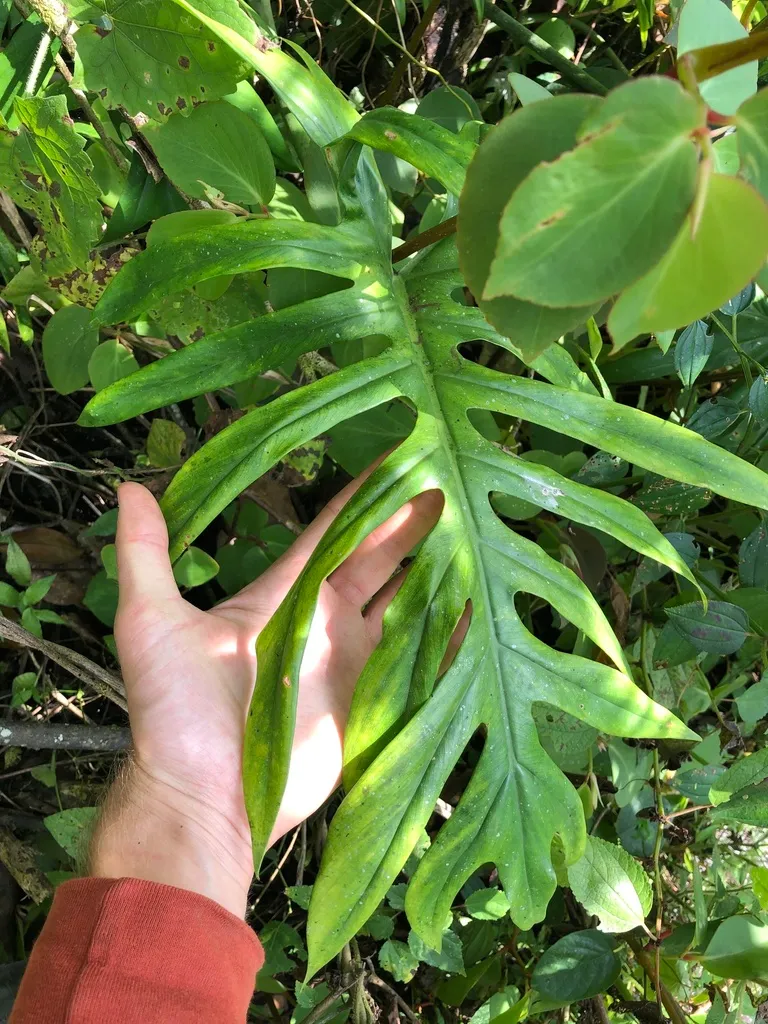
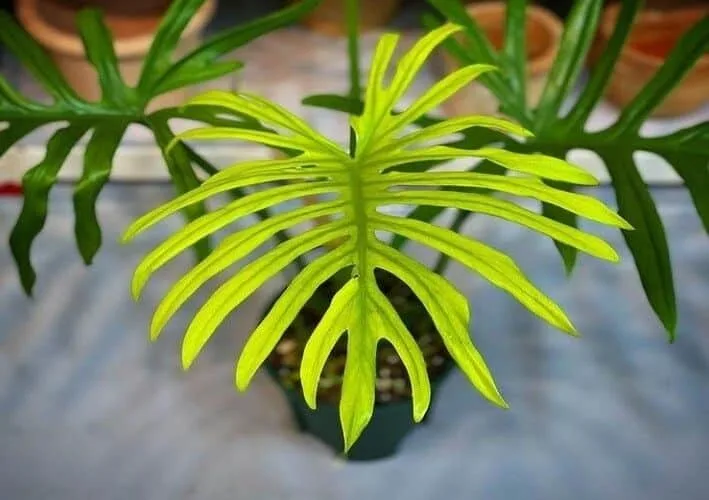
Distribution of Elegant Philodendron
Distribution map
Tropical South America (Brazil, Colombia, Ecuador)
Information to be completed
Culture
Information to be completed
Toxicity
Toxic to humans and pets if ingested due to calcium oxalate crystals. Keep out of reach of children and animals.
Quick identification of Elegant Philodendron
Information to be completed
Elegant Philodendron care guide
- Keep soil evenly moist but not soggy
- Watering
- Bright indirect light
- Sunlight
- 18 – 27 °C
- Ideal temperature

Watering
Keep soil evenly moist but not soggy
Fertilizing
 Fertilizing
Monthly during growing season
Pruning
 Pruning
Prune in spring to remove yellow or damaged leaves and to control length. Cut back leggy stems to encourage bushier growth.
Propagation
 Propagation
Propagate by stem cuttings in spring or early summer. Take a 4-6 inch cutting with at least one node, remove lower leaves, and root in moist sphagnum moss or water at 20-25°C. Roots typically appear within 2-4 weeks. Once well-rooted, transplant into a small pot.
Growing
 Growing
Grow in a well-draining, peat-based potting mix and provide bright, indirect light. Water when the top inch of soil feels dry, keeping the medium consistently moist but never waterlogged. Feed monthly with a balanced liquid fertilizer during the growing season (spring to summer). Maintain high humidity by misting or using a humidity tray; temperatures should remain above 15°C. Avoid cold draughts and direct sunlight which can scorch leaves.
People also ask
Information to be completed
Common pests and diseases
Diseases
Susceptible to root rot if overwatered; leaf spot diseases may occur in poor air circulation. Ensure good drainage and avoid wetting foliage.
Pests
Common pests include spider mites, aphids, and mealybugs. Inspect regularly and treat with insecticidal soap if infestation occurs.
Explore the plant health library →




