
Chinese olive
Also known as: Chinese olive, White canary tree, Chinese white olive
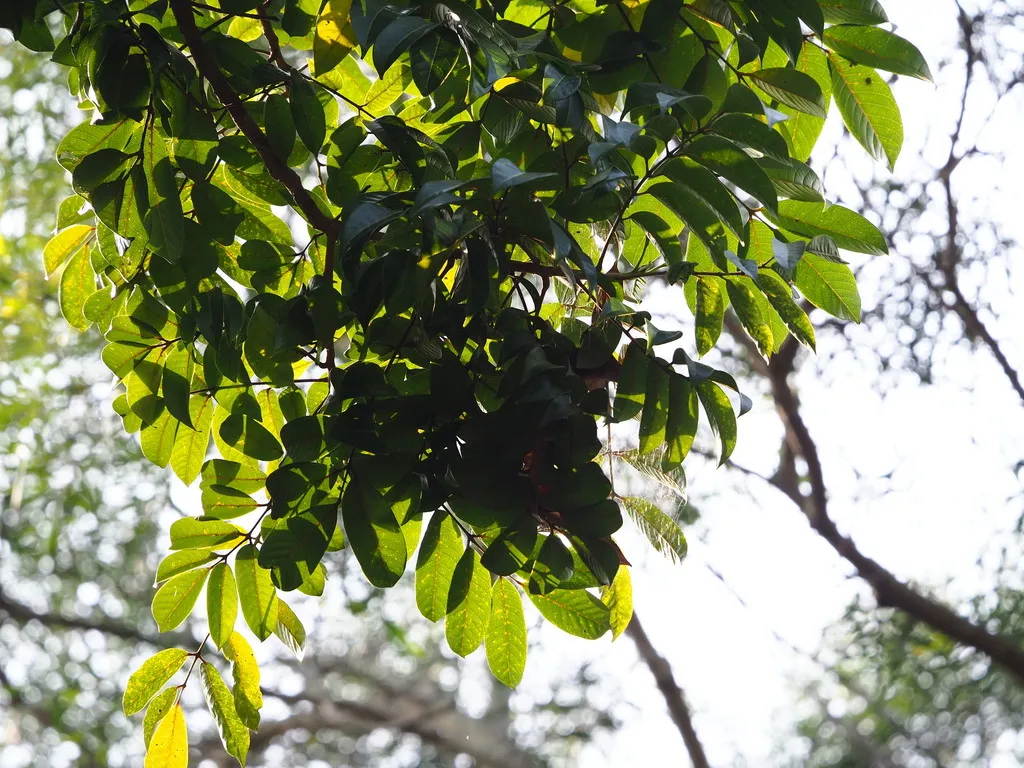
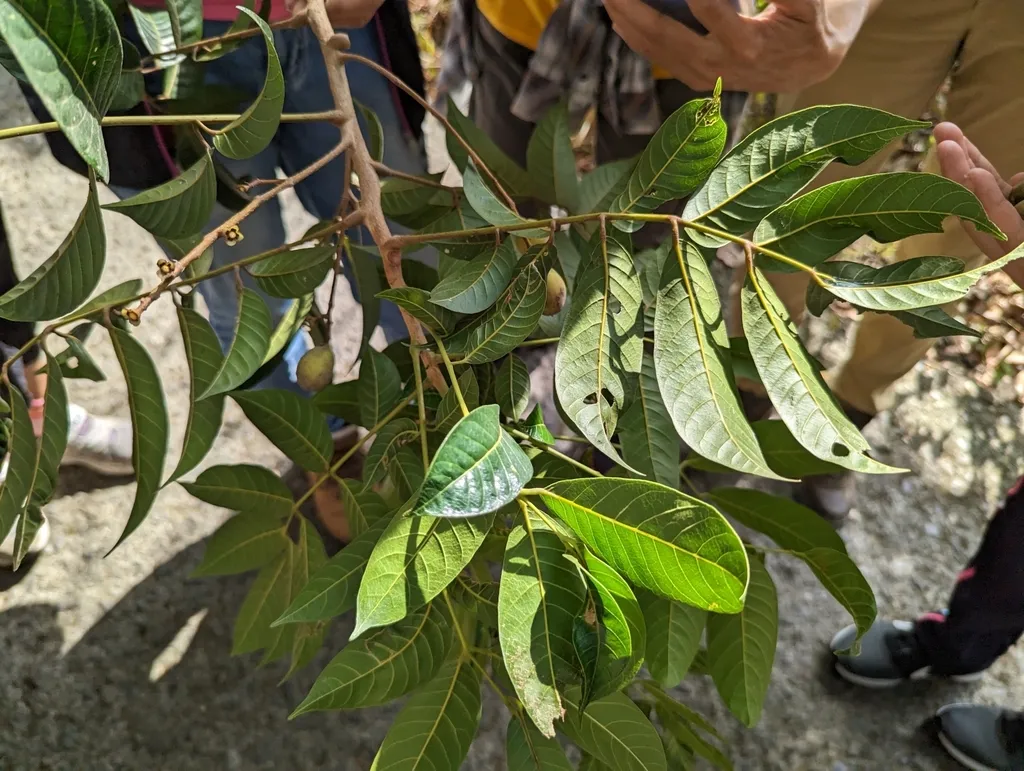
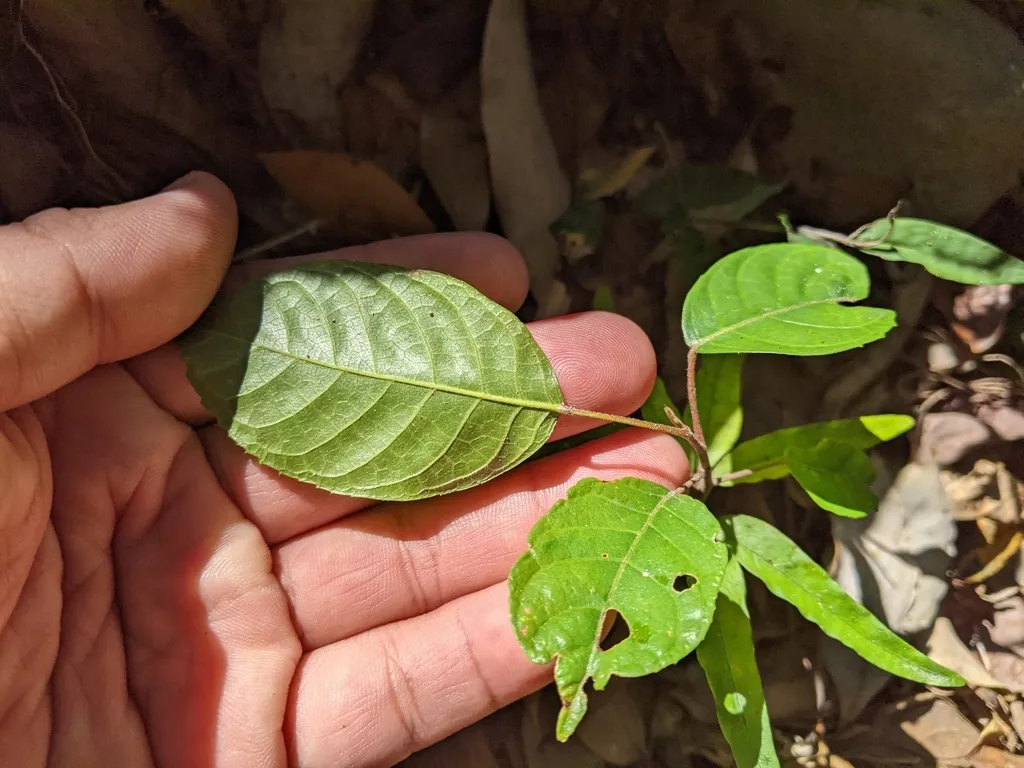
Canarium album is a large evergreen tree reaching 10–20 m in height with a rounded, spreading crown. The leaves are pinnate, glossy dark green, composed of 11–19 leaflets. Small white fragrant flowers appear in spring, followed by oval drupes that ripen from green to purplish-black. The fruit is edible and highly valued in Asian cuisine. The trunk has smooth, pale grey bark.
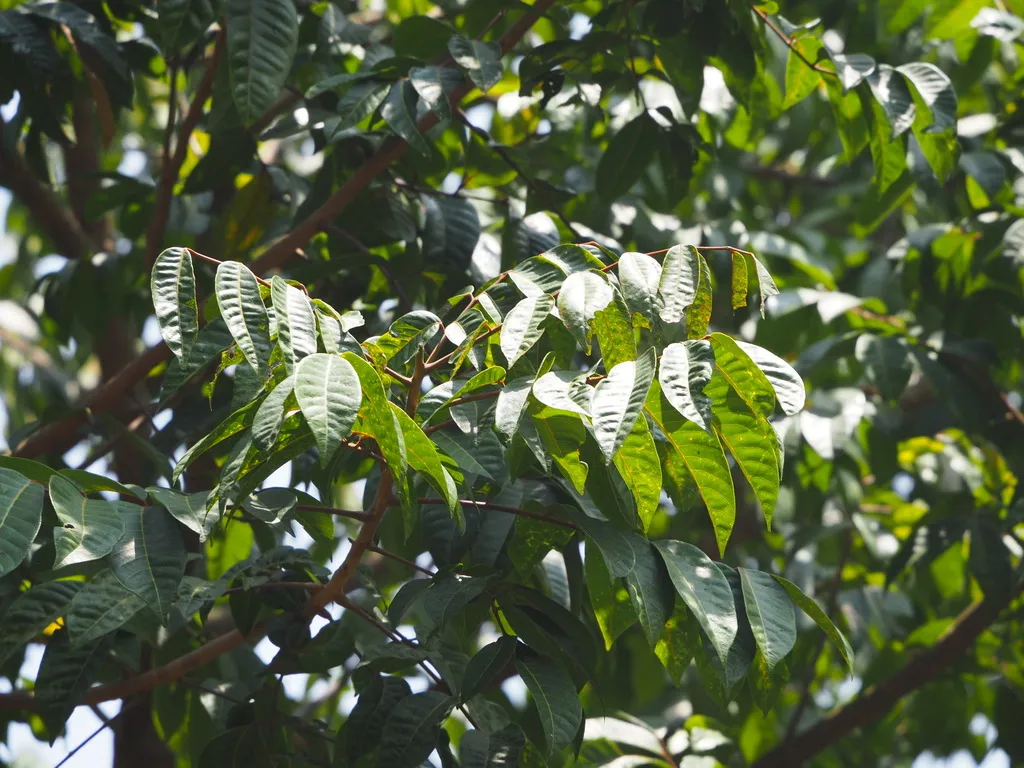
Scientific classification
- Species
- Chinese olive (Canarium album)
- Genus
- Information to be completed
- Family
- Burseraceae
- Non-toxic; the fruit is edible and safe for humans and pets.
- Toxicity
- Tree · Fruit Edible
- Plant type
- 10 - 20 metres
- Height
- 5 - 8 metres
- Spread
- Evergreen
- Foliage
- Upright · Spreading
- Habit
- Spring · Summer · Autumn
- Season of interest
- Full sun
- Sunlight
- Information to be completed
- Ideal temperature









Chinese olive pictures
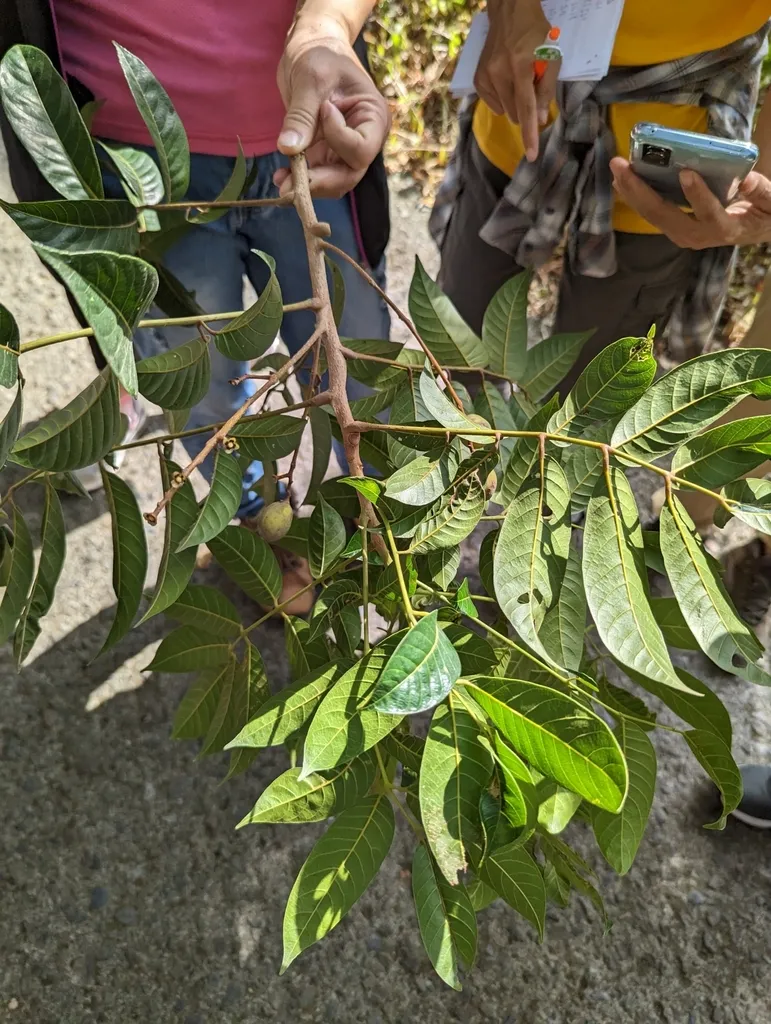
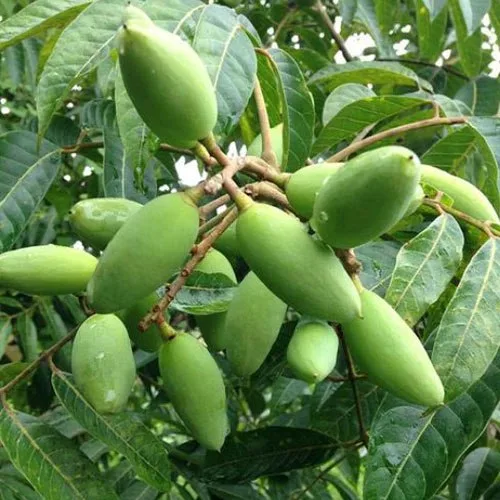
Distribution of Chinese olive
Distribution map
Southeast Asia (southern China, Taiwan, Vietnam, Laos, Cambodia, Thailand, Malaysia, Indonesia, Philippines)
Toxicity
Non-toxic; the fruit is edible and safe for humans and pets.
Chinese olive care guide
- Keep soil moist but not waterlogged during active growth; reduce watering in winter.
- Watering
- Full sun
- Sunlight

Watering
Keep soil moist but not waterlogged during active growth; reduce watering in winter.
Fertilizing
 Fertilizing
Every 4–6 weeks during the growing season (spring to summer).
Pruning
 Pruning
Prune in late winter to remove dead, diseased or crossing branches. Light shaping can be done in summer if needed.
Propagation
 Propagation
Sow fresh seeds in spring after removing the fleshy pulp; soak seeds in warm water for 24 hours before sowing. Germination takes 4–8 weeks at 20–25°C. Semi-ripe cuttings can also be taken in summer with bottom heat, though rooting is slow.
Growing
 Growing
Plant in a sheltered, sunny position in moist but well-drained loam or sandy soil. Water regularly during the first two years to establish a deep root system. Once mature, it is moderately drought tolerant. Apply a balanced fertilizer in early spring and again in midsummer. Protect young trees from frost (below -5°C) by wrapping the trunk or moving containers indoors. Prune in late winter to remove dead or crossing branches and maintain an open crown.
Common pests and diseases
Diseases
Generally healthy; may be susceptible to root rot in poorly drained soils and leaf spot in humid conditions.
Pests
Occasionally attacked by scale insects, mealybugs, and fruit flies that damage the fruit.
Explore the plant health library →




