
Orange tree
Also known as: Orange, Sweet Orange, Navel Orange
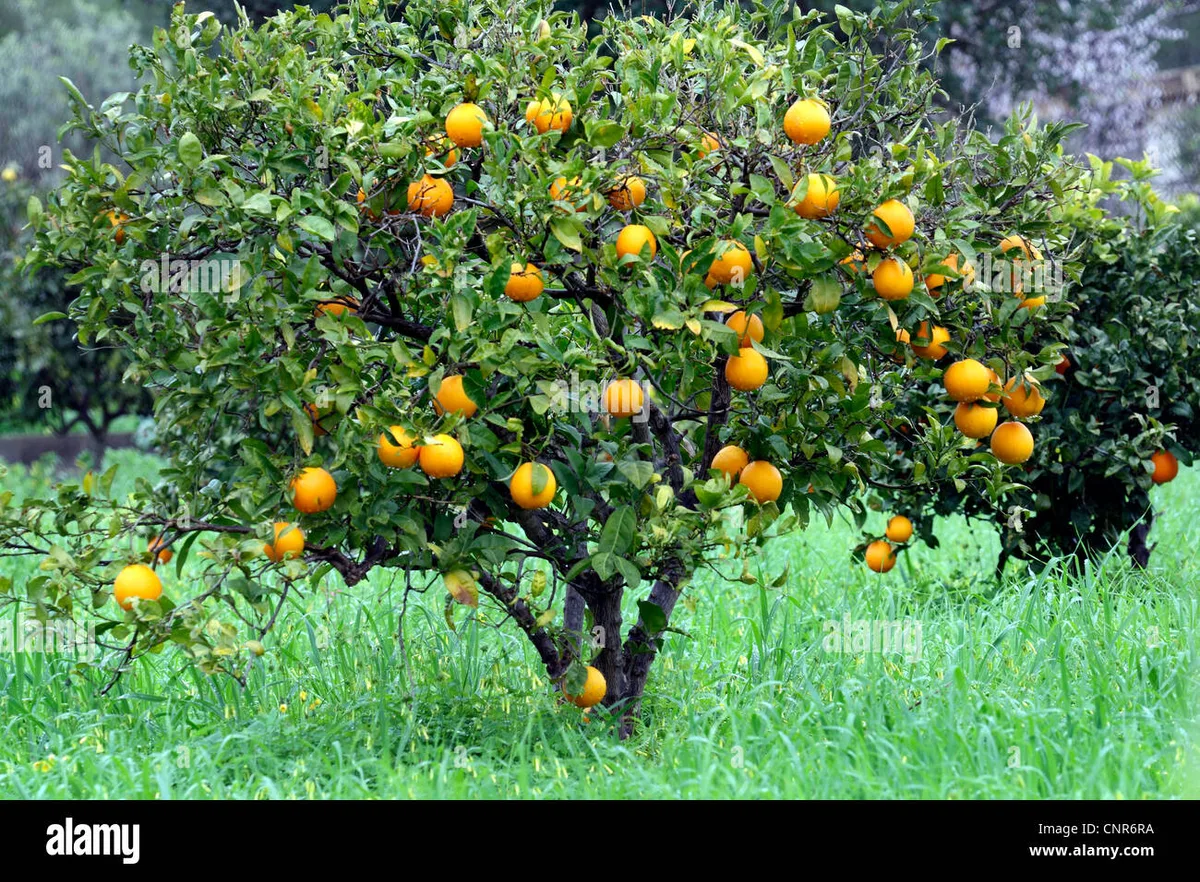
Citrus sinensis, commonly known as the sweet orange tree, is an evergreen tree with a rounded crown and glossy, dark green, oval-shaped leaves. It produces fragrant white blossoms in spring, followed by bright orange, juicy fruits that ripen in autumn to winter. Typically reaching 2–4 metres in cultivation, it is valued both as a fruit-bearing plant and an ornamental with glossy foliage.
Scientific classification
- Species
- Orange tree (Citrus sinensis)
- Genus
- Information to be completed
- Family
- Rutaceae
- Non-toxic to humans and pets.
- Toxicity
- Tree · Fruit Edible
- Plant type
- 2 - 4 metres
- Height
- 1.5 - 3 metres
- Spread
- Evergreen
- Foliage
- Upright
- Habit
- Spring · Summer · Autumn
- Season of interest
- Full sun
- Sunlight
- Information to be completed
- Ideal temperature









Orange tree pictures
Distribution of Orange tree
Distribution map
Southeast Asia and southern China
Information to be completed
Culture
Information to be completed
Toxicity
Non-toxic to humans and pets.
Quick identification of Orange tree
Information to be completed
Orange tree care guide
- Water regularly, allowing soil to dry slightly between waterings
- Watering
- Full sun
- Sunlight
- Information to be completed
- Ideal temperature

Watering
Water regularly, allowing soil to dry slightly between waterings
Fertilizing
 Fertilizing
Every 2–4 weeks during growing season (spring to summer)
Pruning
 Pruning
Prune in late winter to remove dead, diseased or crossing branches, and to maintain an open, balanced shape.
Propagation
 Propagation
Propagate by semi-ripe cuttings in summer, or by grafting onto suitable rootstocks (e.g., Poncirus trifoliata). Seed can be used but seedlings vary and take longer to fruit.
Growing
 Growing
Plant in full sun in a sheltered, frost-free location with well-drained, loamy or sandy soil. Water regularly during the growing season, allowing the top few centimetres of soil to dry between waterings. Apply a balanced citrus fertiliser every 2–4 weeks from spring to late summer. In colder climates, grow in containers and overwinter indoors or in a greenhouse, as the tree is not fully hardy.
People also ask
Information to be completed
Common pests and diseases
Diseases
Susceptible to root rot in poorly drained soil, citrus canker, and leaf spot. Good air circulation helps reduce fungal diseases.
Pests
Common pests include aphids, scale insects, mealybugs, and citrus leaf miner. Monitor regularly and treat with horticultural oil if needed.
Explore the plant health library →




