
Macadamia tree
Also known as: Macadamia nut, Queensland nut, Bush nut
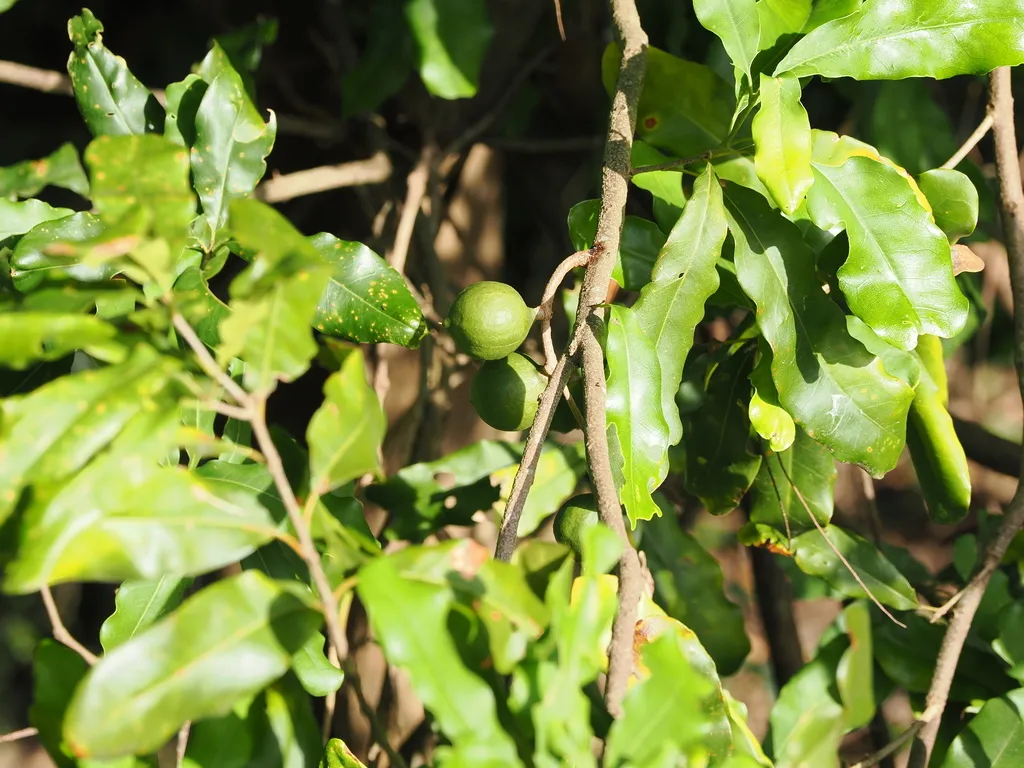
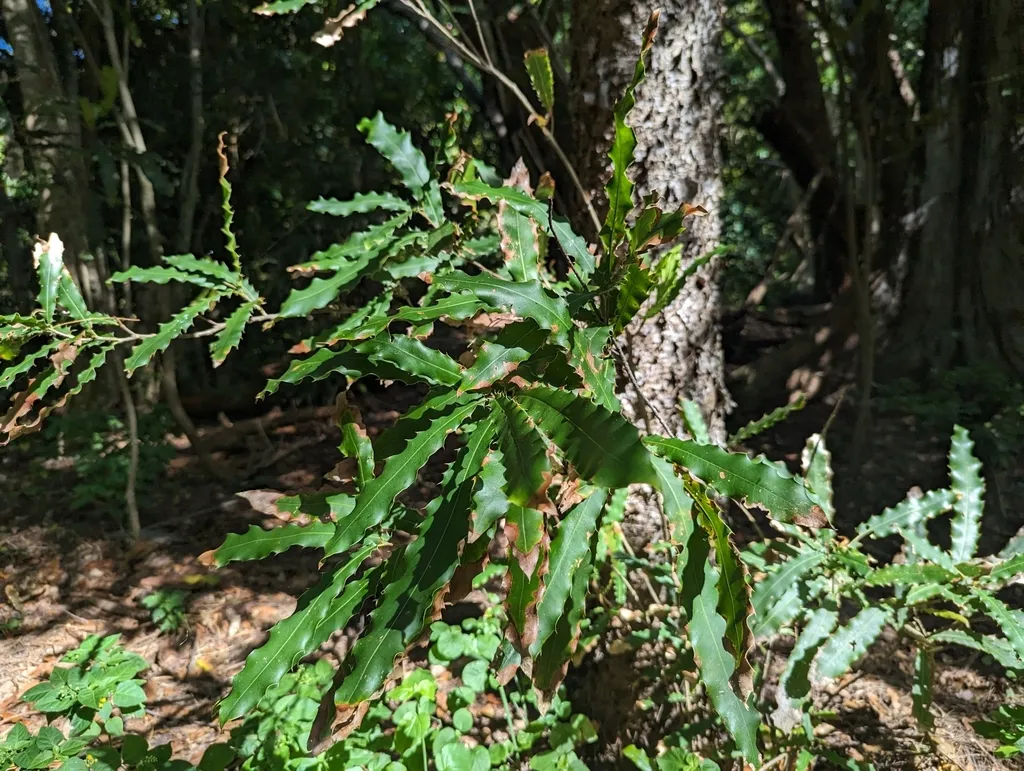
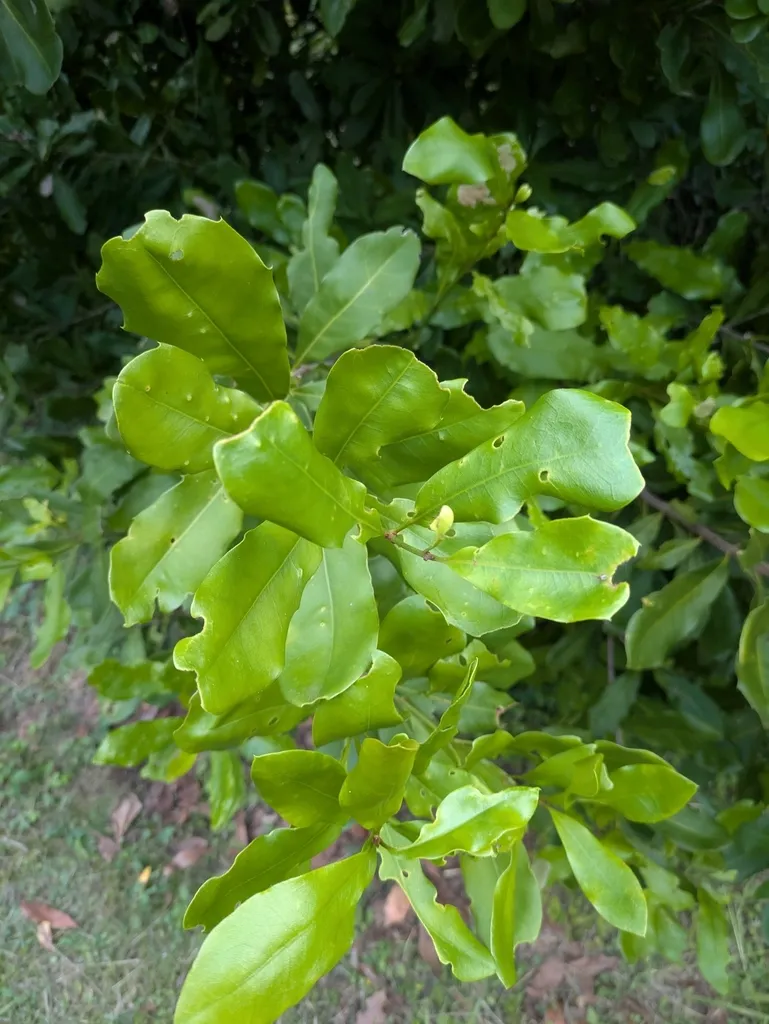
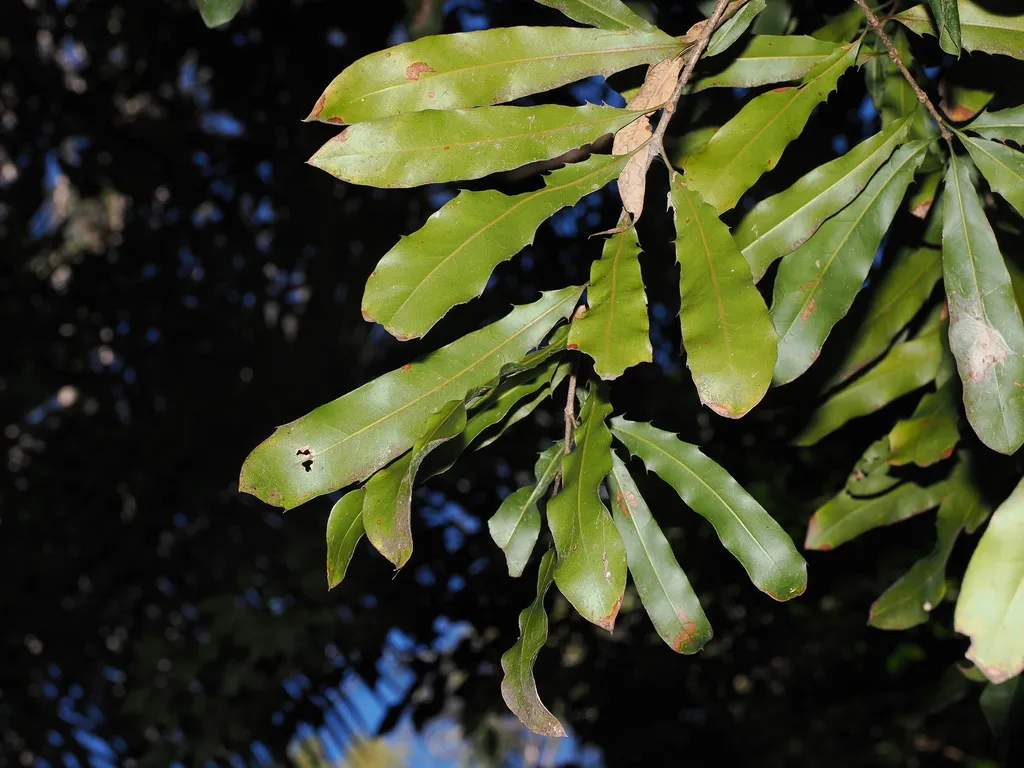
Macadamia integrifolia is a medium-sized evergreen tree with a dense crown. It features glossy, dark green, leathery leaves arranged in whorls. In spring, pendulous racemes of small creamy-white to pinkish flowers appear. The tree produces round, hard-shelled nuts in clusters, which are highly valued for their rich, buttery flavor. Its ornamental value lies in the attractive foliage and edible nuts.
Scientific classification
- Species
- Macadamia tree (Macadamia integrifolia)
- Genus
- Information to be completed
- Family
- Proteaceae
- Non-toxic to humans and pets; the nuts are edible but raw nuts contain glycosides that may cause mild digestive upset if consumed in large quantities.
- Toxicity
- Tree · Fruit Edible
- Plant type
- 6 - 12 metres
- Height
- 4 - 8 metres
- Spread
- Evergreen
- Foliage
- Upright
- Habit
- Spring · Summer · Autumn
- Season of interest
- Full sun
- Sunlight
- Information to be completed
- Ideal temperature









Macadamia tree pictures
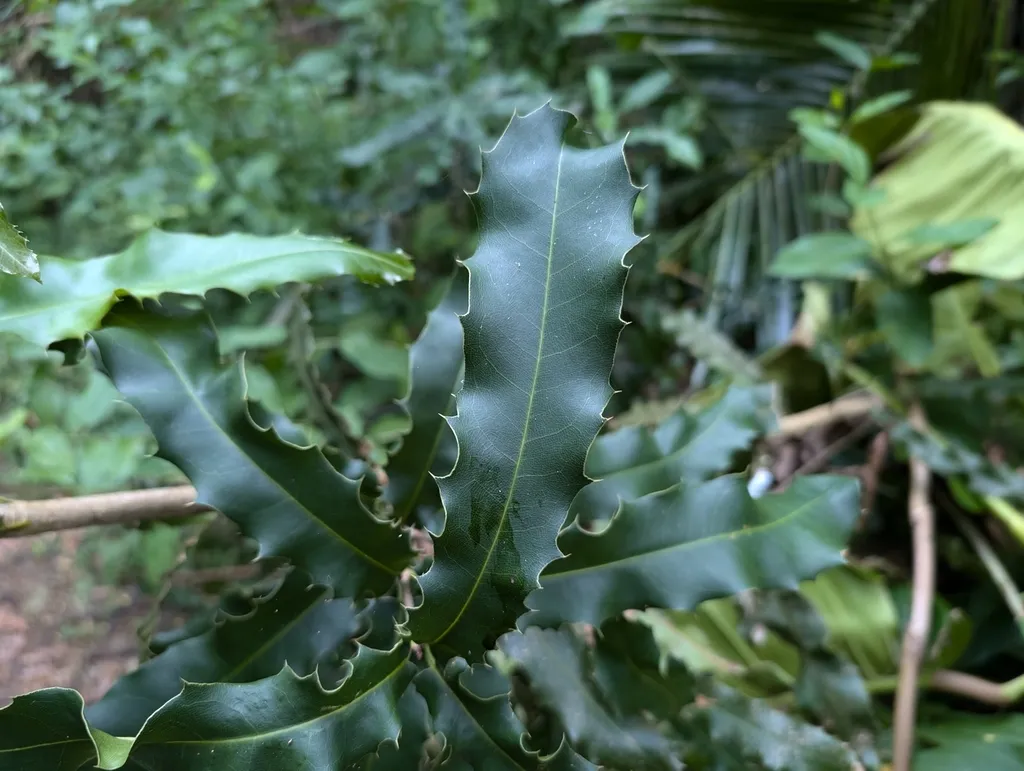
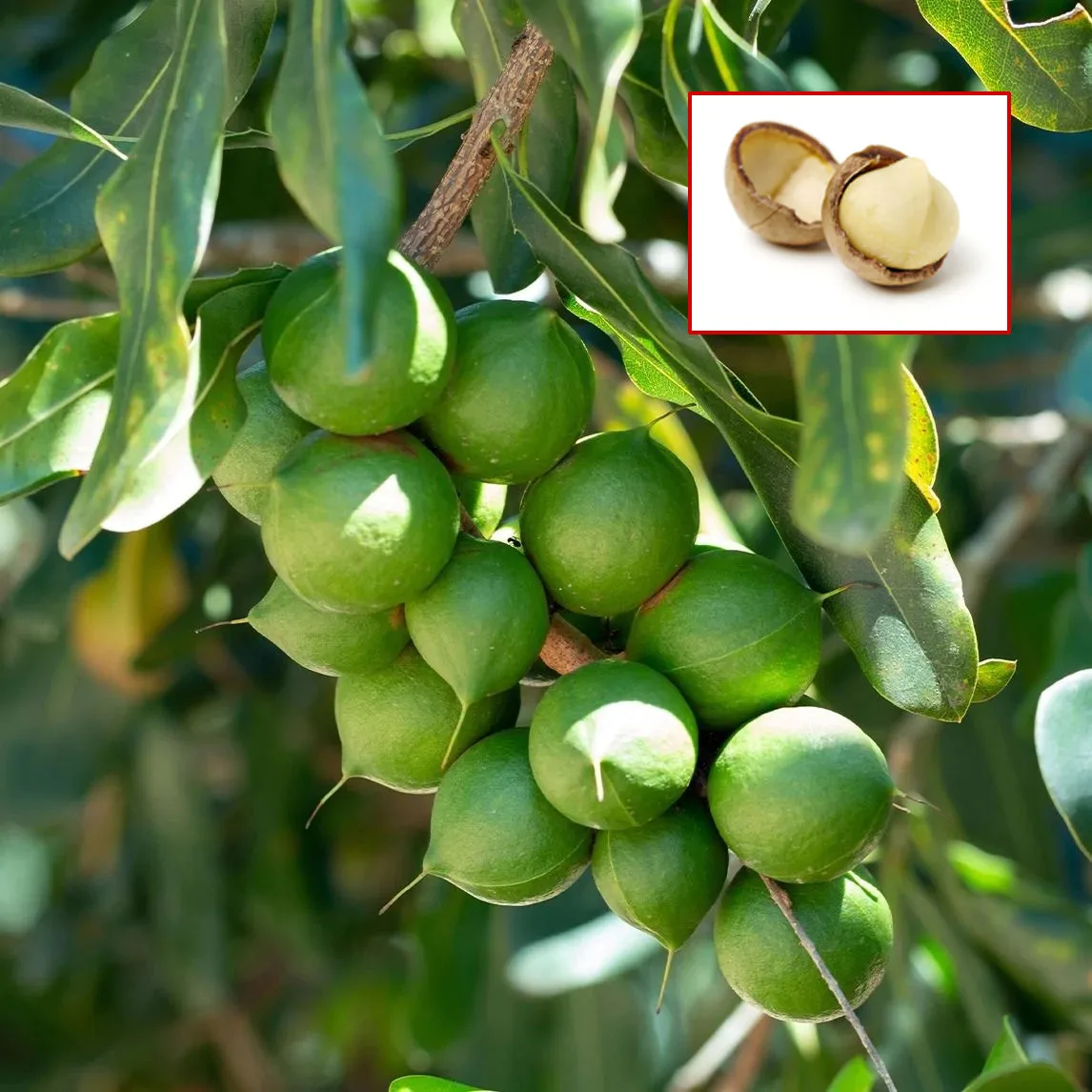
Distribution of Macadamia tree
Distribution map
Coastal rainforests of southern Queensland and northern New South Wales, Australia
Information to be completed
Culture
Information to be completed
Toxicity
Non-toxic to humans and pets; the nuts are edible but raw nuts contain glycosides that may cause mild digestive upset if consumed in large quantities.
Quick identification of Macadamia tree
Information to be completed
Macadamia tree care guide
- Water deeply when top 5 cm of soil feels dry; reduce in winter
- Watering
- Full sun
- Sunlight
- Information to be completed
- Ideal temperature

Watering
Water deeply when top 5 cm of soil feels dry; reduce in winter
Fertilizing
 Fertilizing
Every 4-6 weeks during growing season
Pruning
 Pruning
Prune in late winter to remove dead or crossing branches and shape the canopy. Light pruning after harvest can encourage next year's fruiting wood.
Propagation
 Propagation
Propagate by fresh seed (nuts) sown in deep pots in spring at 20-25°C. Germination takes 4-8 weeks. For true-to-type plants, use side-veneer grafting onto seedling rootstocks in late winter.
Growing
 Growing
Plant in a warm, sheltered position in deep, fertile, slightly acidic soil with excellent drainage. Water regularly during the first two years to establish a strong root system, then reduce frequency as the tree matures. Apply a balanced fertilizer in spring and summer, avoiding high-nitrogen formulas. Protect from frost and strong winds; in cooler climates, grow in a large container and overwinter indoors or in a greenhouse.
People also ask
Information to be completed
Common pests and diseases
Diseases
Susceptible to Phytophthora root rot in poorly drained soils; also prone to anthracnose and husk spot in humid conditions.
Pests
Common pests include macadamia nut borer, fruit-spotting bug, and thrips. Scale insects may also infest branches.
Explore the plant health library →




