
Gloxinia
Also known as: Gloxinia, Brazilian gloxinia, Florist's gloxinia
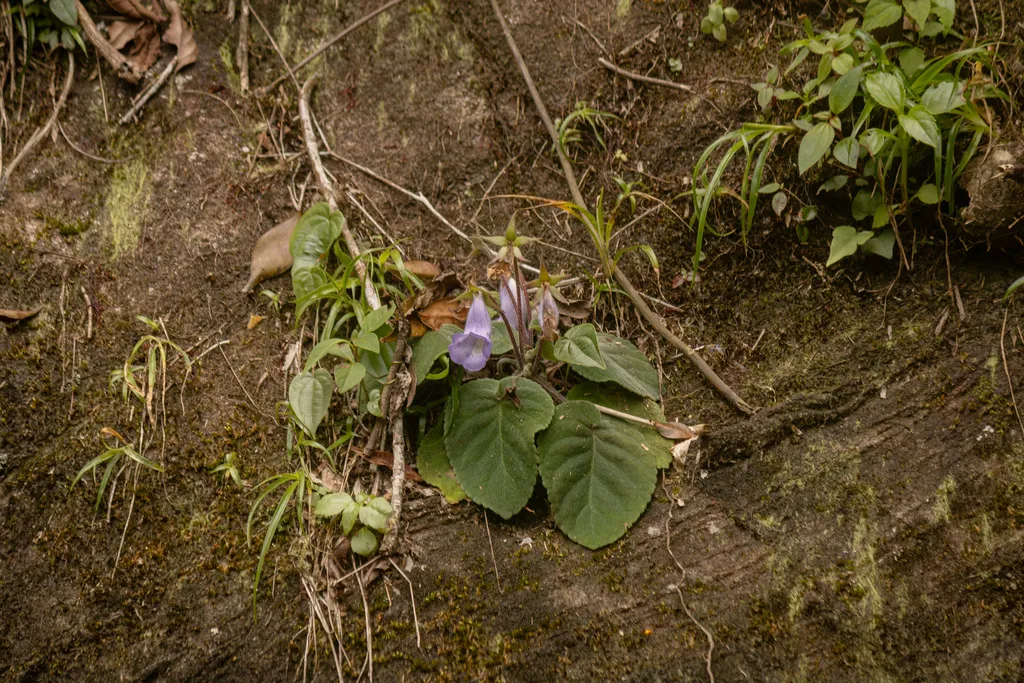
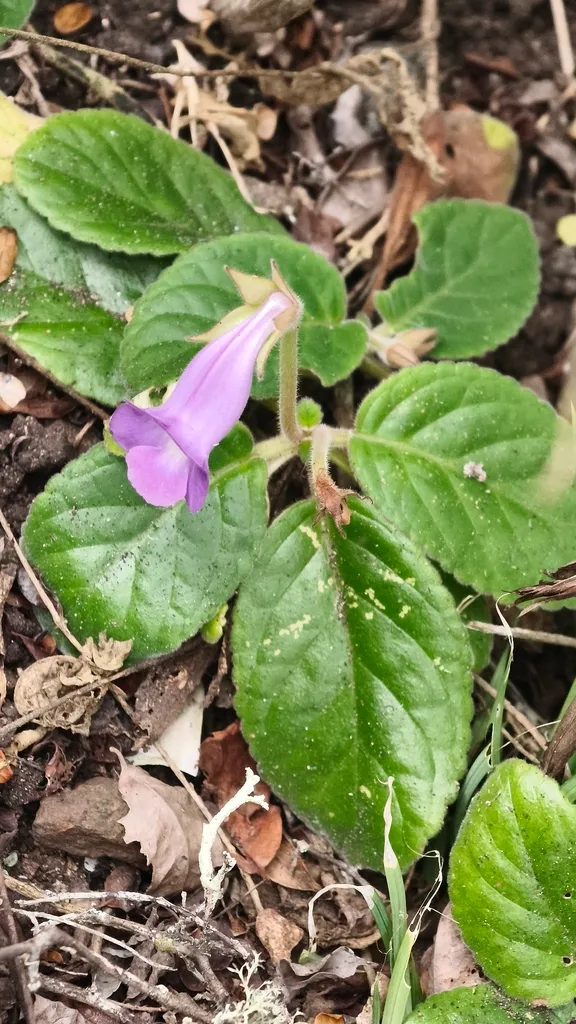
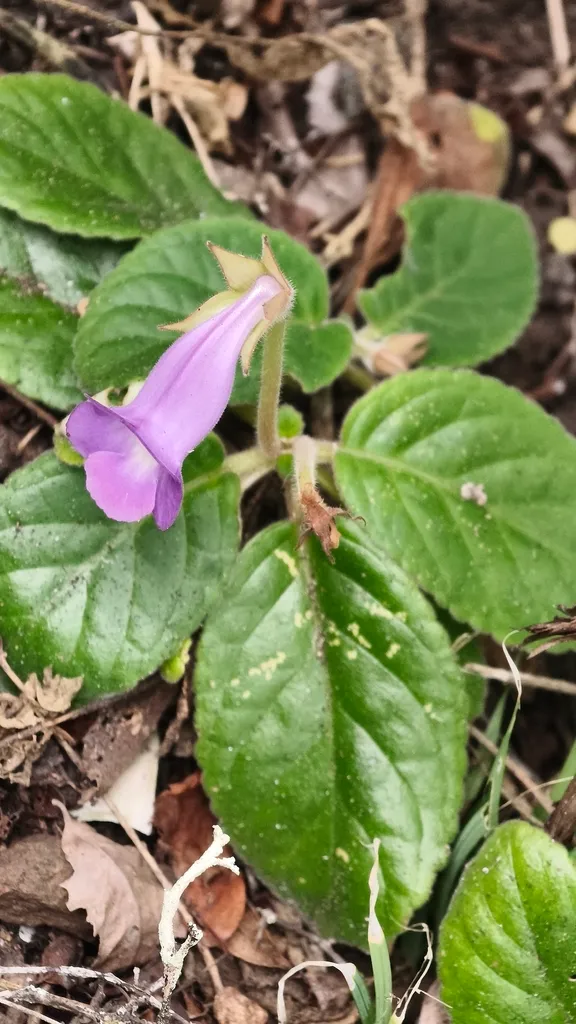
Sinningia speciosa, commonly known as Gloxinia, is a clump-forming perennial with large, velvety, oval leaves that form a rosette. During summer, it produces spectacular trumpet-shaped flowers in shades of purple, red, pink, or white, often with contrasting edges or speckles. The plant grows from a tuber and typically reaches 20-30 cm in height, making it a popular choice for indoor displays.
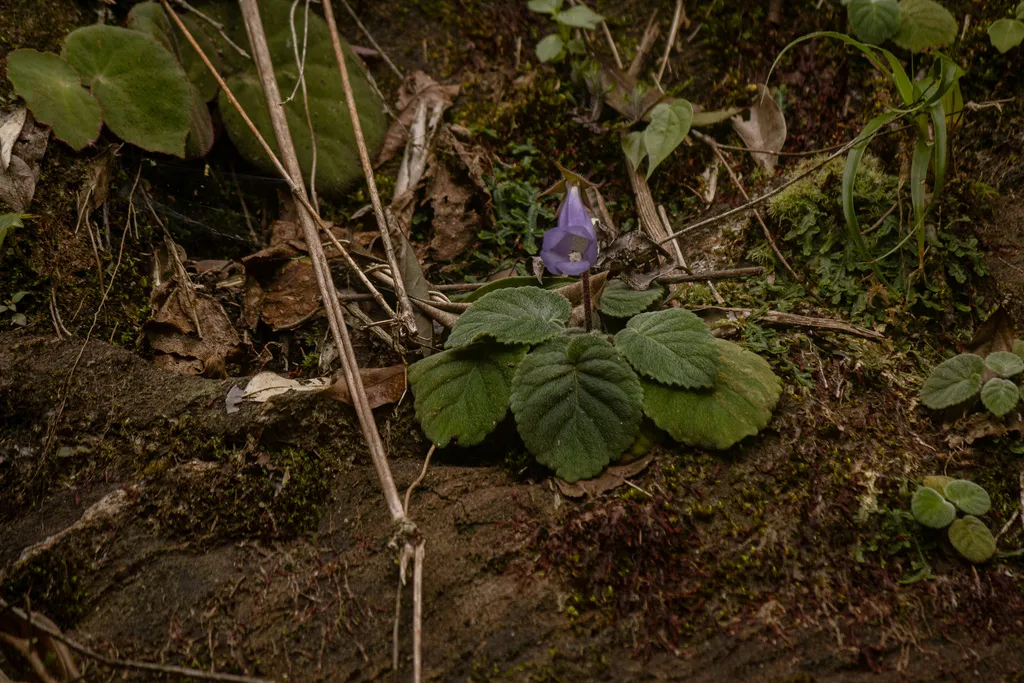
Scientific classification
- Species
- Gloxinia (Sinningia speciosa)
- Genus
- Information to be completed
- Family
- Gesneriaceae
- Non-toxic to humans and pets, though ingestion may cause mild stomach upset.
- Toxicity
- Houseplants · Herbaceous Perennial · Conservatory Greenhouse
- Plant type
- 0.2 - 0.3 metres
- Height
- 0.2 - 0.3 metres
- Spread
- Deciduous
- Foliage
- Clump forming · Upright
- Habit
- Summer
- Season of interest
- Bright indirect light
- Sunlight
- Information to be completed
- Ideal temperature









Gloxinia pictures
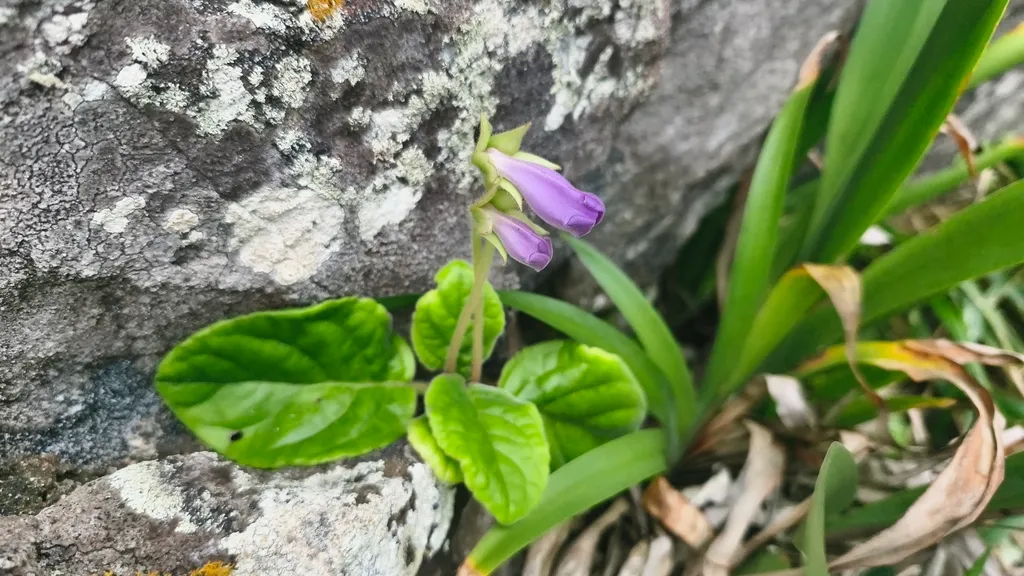
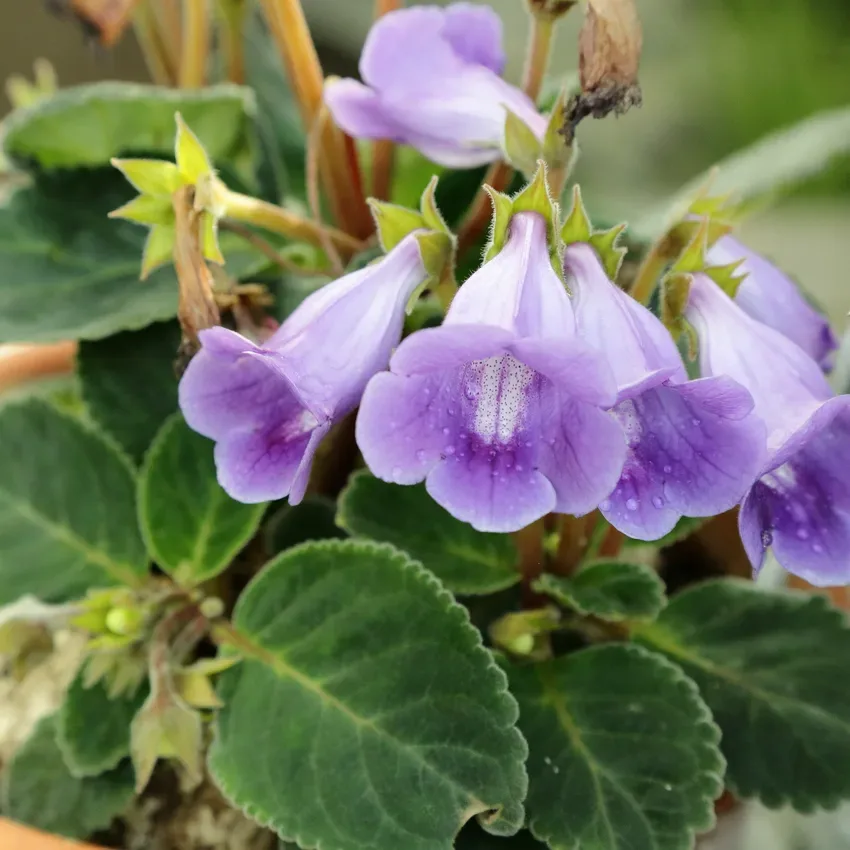
Distribution of Gloxinia
Distribution map
- Native
- Introduced
- Cultivated
Source:WCVP v16 · Royal Botanic Gardens, Kew · CC BY 3.0 · Boundaries:WGSRPD / TDWG
Toxicity
Non-toxic to humans and pets, though ingestion may cause mild stomach upset.
Gloxinia care guide
- Keep soil consistently moist but not waterlogged; reduce watering after flowering
- Watering
- Bright indirect light
- Sunlight

Watering
Keep soil consistently moist but not waterlogged; reduce watering after flowering
Fertilizing
 Fertilizing
Every 2 weeks during the flowering period
Pruning
 Pruning
Remove spent flowers to encourage further blooms; cut back dead foliage after dormancy.
Propagation
 Propagation
Propagate by leaf cuttings or seed in spring. Take a healthy leaf with a short petiole, insert into moist cutting compost, and place in a propagator at 20-25°C. Seeds can be sown in early spring at 21°C and kept in bright light.
Growing
 Growing
Plant tubers in spring with the top just below the soil surface, using a well-drained, peat-based compost. Place in bright indirect light and maintain a temperature above 15°C. Water regularly during the growing season, allowing the top of the compost to dry slightly between waterings, but reduce water after flowering as the leaves die back. Fertilise every two weeks with a high-potassium liquid feed during flowering. Overwinter the tuber in a cool, dry place at around 10°C, kept almost dry.
Common pests and diseases
Diseases
Susceptible to botrytis (grey mould) in humid conditions, especially if overwatered or air circulation is poor. Also prone to powdery mildew and root rot if drainage is inadequate.
Pests
Common pests include aphids, thrips, and spider mites, particularly in dry, heated indoor environments.
Explore the plant health library →




