
Fukien Tea
Also known as: Fukien Tea, Philippine Tea, Black Laurel
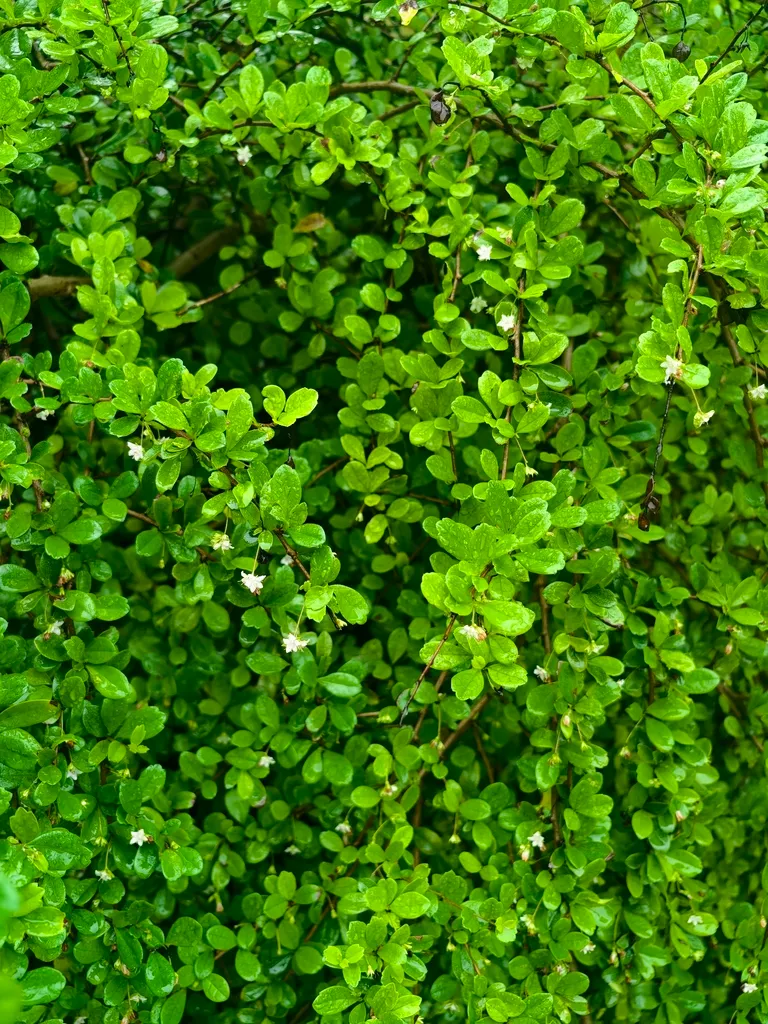
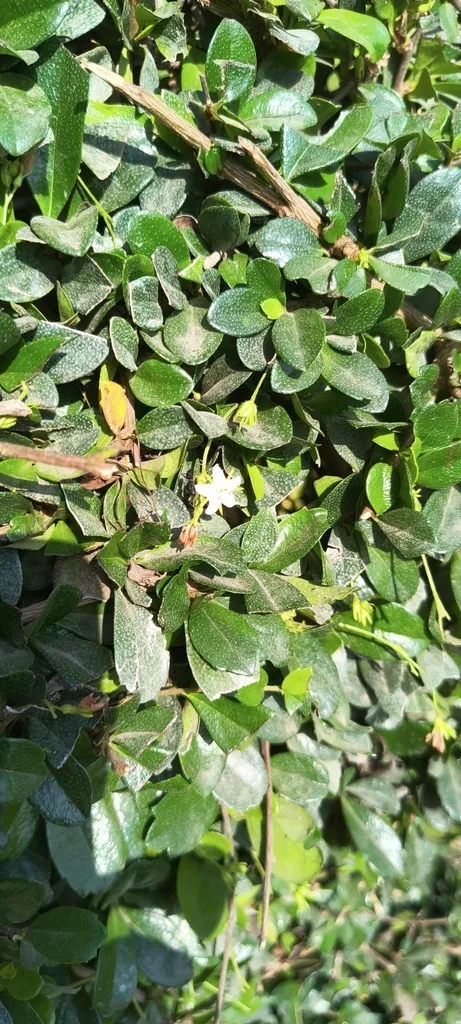
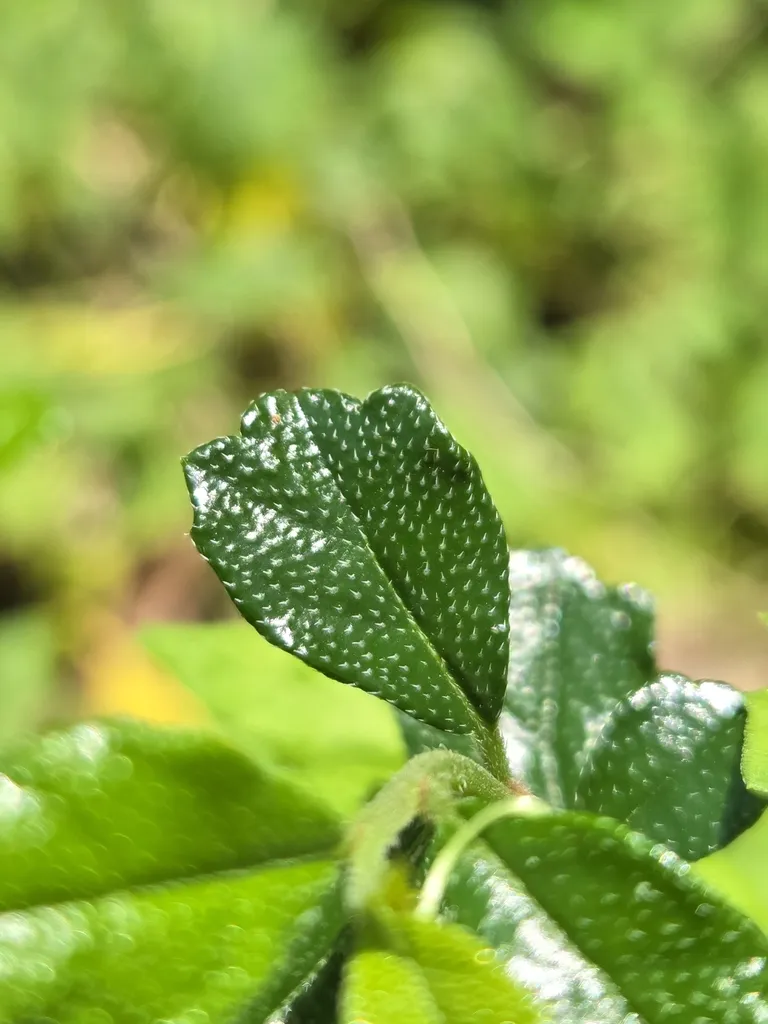
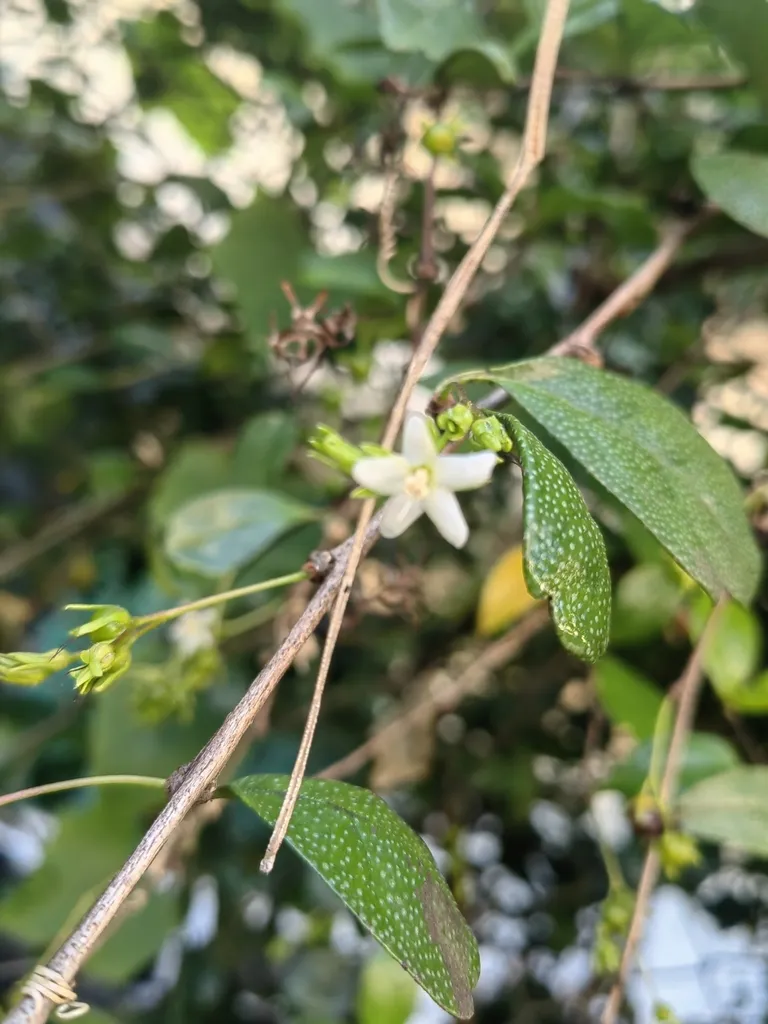
Ehretia microphylla, commonly known as Fukien Tea, is a compact evergreen shrub with small, glossy, dark green leaves that are often variegated. It produces clusters of tiny white flowers in spring and summer, followed by small red or black berries. The plant has a naturally bushy, upright habit and is highly prized for bonsai cultivation due to its small leaves and fine branching. Its ornamental appeal lies in its year-round foliage, delicate flowers, and the ability to form dense, miniature tree shapes.
Scientific classification
- Species
- Fukien Tea (Ehretia microphylla)
- Genus
- Information to be completed
- Family
- Boraginaceae
- Non-toxic to humans and pets.
- Toxicity
- Shrubs · Houseplants · Conservatory Greenhouse
- Plant type
- 0.3 - 0.6 metres
- Height
- 0.3 - 0.5 metres
- Spread
- Evergreen
- Foliage
- Bushy · Upright
- Habit
- Summer · Spring
- Season of interest
- Bright indirect light · Partial shade
- Sunlight
- Information to be completed
- Ideal temperature









Fukien Tea pictures
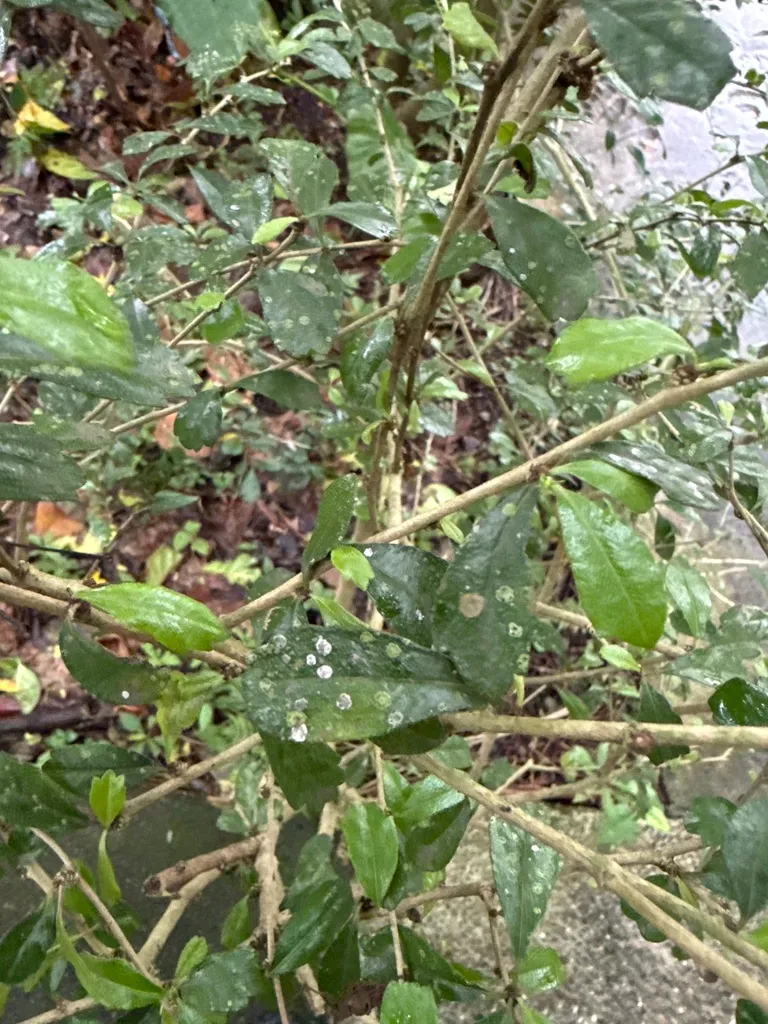
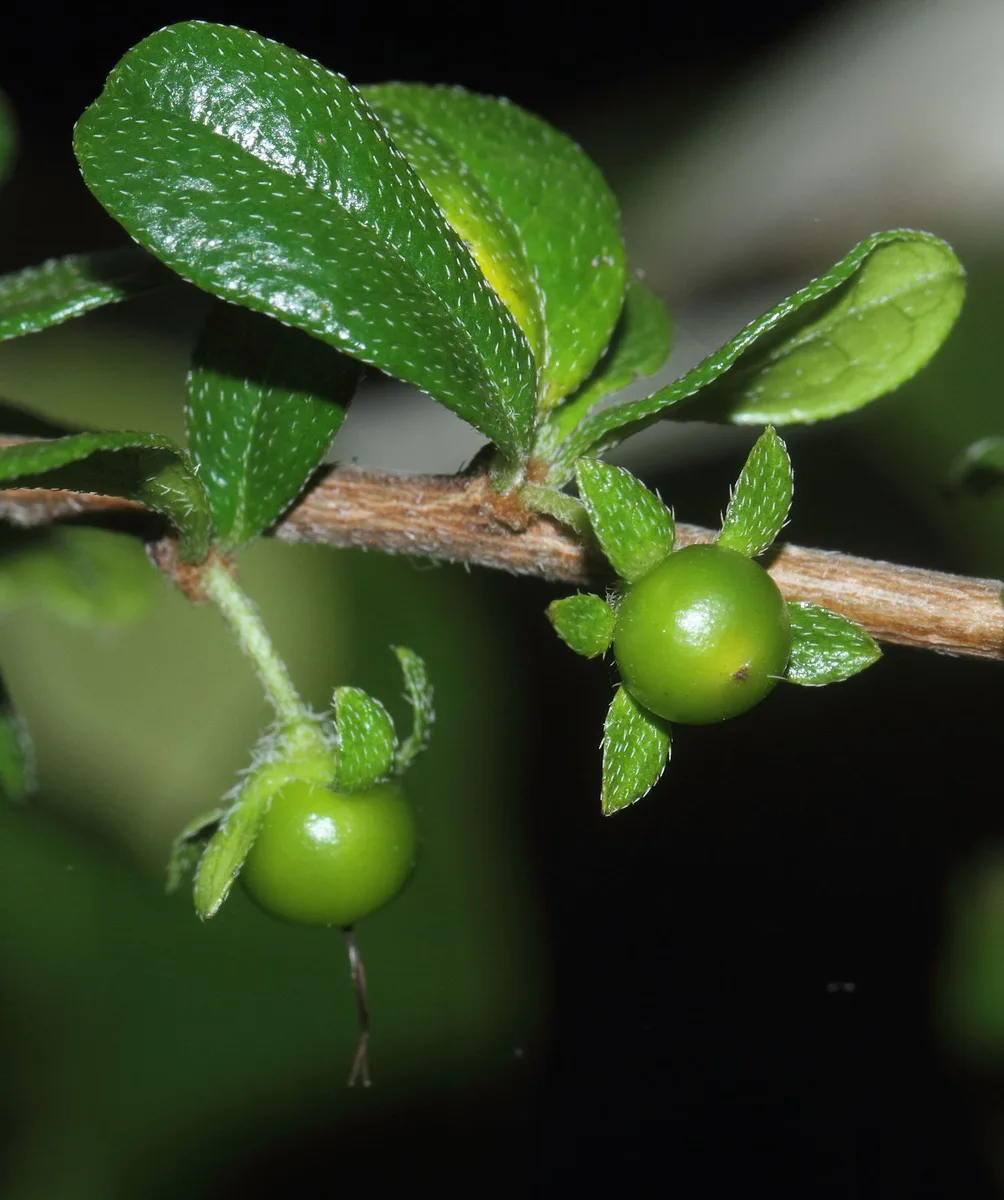
Distribution of Fukien Tea
Distribution map
- Native
- Introduced
- Cultivated
Source:WCVP v16 · Royal Botanic Gardens, Kew · CC BY 3.0 · Boundaries:WGSRPD / TDWG
Toxicity
Non-toxic to humans and pets.
Fukien Tea care guide
- Keep soil moist, allow top 1 cm to dry between waterings
- Watering
- Bright indirect light · Partial shade
- Sunlight

Watering
Keep soil moist, allow top 1 cm to dry between waterings
Fertilizing
 Fertilizing
Every 2 weeks during growing season
Pruning
 Pruning
Prune in early spring before new growth begins. Remove dead or crossing branches and trim back to maintain desired shape; can be pruned hard if needed for bonsai training.
Propagation
 Propagation
Propagate by semi-ripe cuttings in summer with bottom heat (20-25°C). Use a rooting hormone to improve success rates. Alternatively, air layering can be performed in spring on older branches. Seeds may also be used but germination is slow and variable.
Growing
 Growing
Grow in a well-drained, loamy or peat-based soil with slightly acidic to neutral pH. Provide bright, indirect light or partial shade; avoid direct midday sun which may scorch the leaves. Water regularly to keep the soil consistently moist but never waterlogged, and reduce watering slightly in winter. Apply a balanced liquid fertilizer every two weeks during the growing season (spring to autumn). Protect from temperatures below 10°C; in cool climates, overwinter indoors or in a heated greenhouse. Prune in early spring to shape and maintain compact growth.
Common pests and diseases
Diseases
Generally disease-resistant, but overwatering may lead to root rot. Leaf spot can occur in humid conditions; ensure good air circulation.
Pests
Susceptible to aphids, spider mites, and scale insects, especially when grown indoors. Wipe leaves regularly and treat with insecticidal soap if necessary.
Explore the plant health library →




