
Moth Orchid
Also known as: Moth Orchid
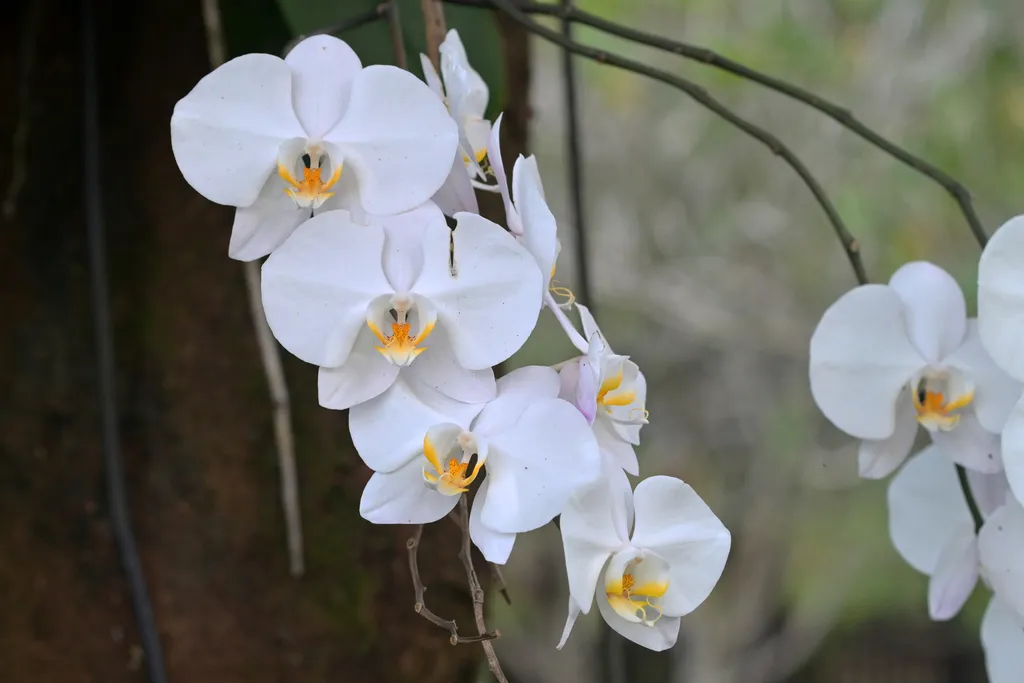
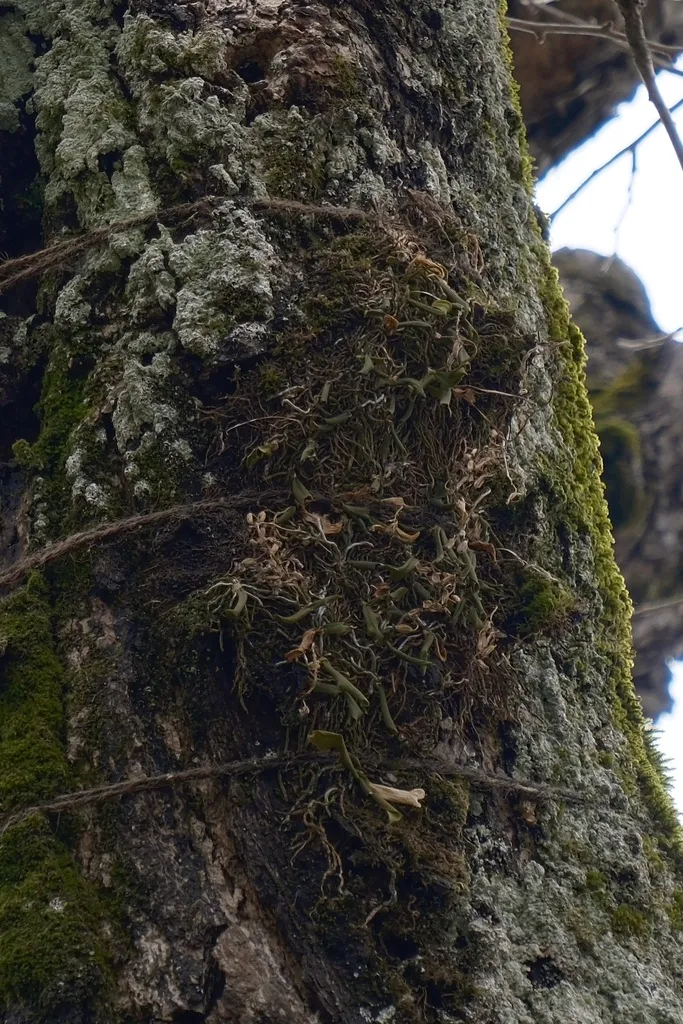
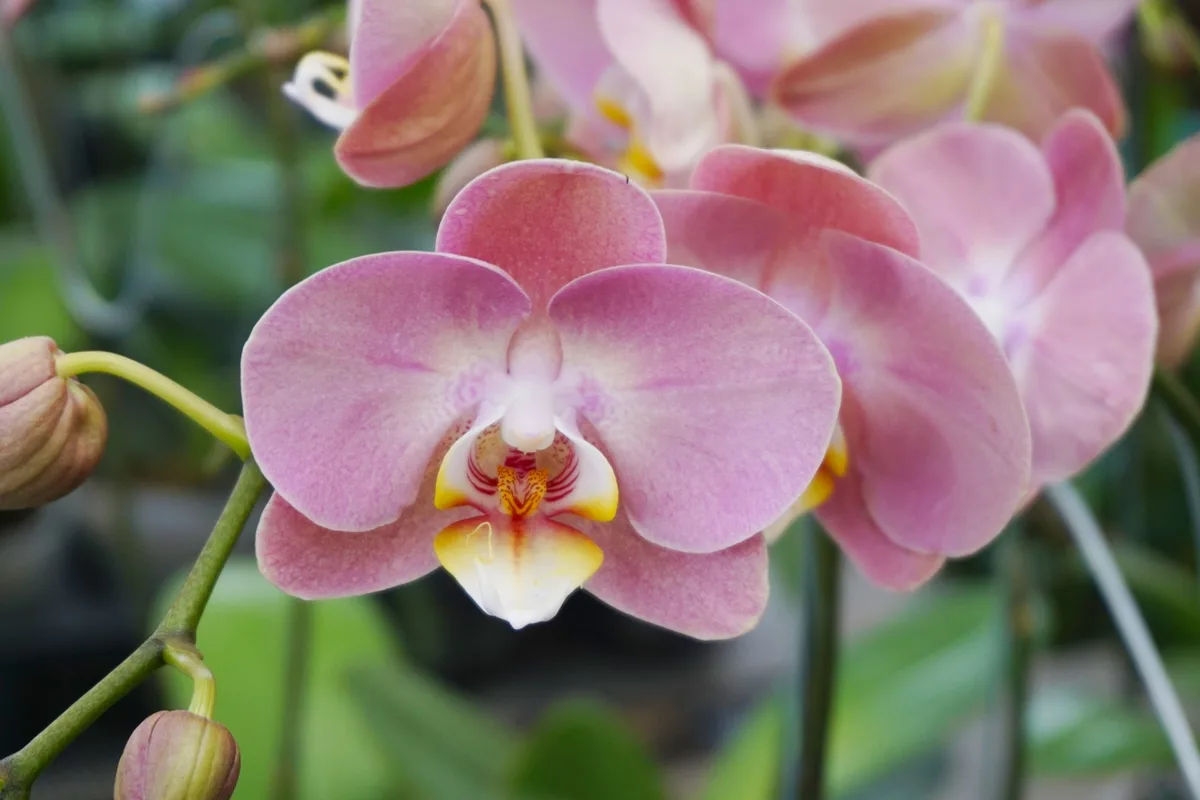
Phalaenopsis orchids, commonly known as moth orchids, have broad, fleshy, dark green leaves arranged in a rosette. The arching flower spike bears large, showy, butterfly-like blooms in a wide range of colours including white, pink, purple, and yellow. They are epiphytic perennials that typically flower for several months, making them one of the most popular indoor orchids. Their graceful, long-lasting flowers and compact growth habit provide year-round ornamental value.
Scientific classification
- Species
- Moth Orchid (Phalaenopsis)
- Genus
- Information to be completed
- Family
- Orchidaceae
- Non-toxic to humans and pets.
- Toxicity
- Houseplants · Perennial
- Plant type
- 0.3 - 0.6 metres
- Height
- 0.2 - 0.4 metres
- Spread
- Evergreen
- Foliage
- Upright
- Habit
- Spring · Winter
- Season of interest
- Bright indirect light
- Sunlight
- 20 – 28 °C
- Ideal temperature









Moth Orchid pictures
Distribution of Moth Orchid
Distribution map
Southeast Asia, Philippines, Indonesia, northern Australia
Toxicity
Non-toxic to humans and pets.
Moth Orchid care guide
- Water when the potting medium is almost dry, allowing excess water to drain away.
- Watering
- Bright indirect light
- Sunlight
- 20 – 28 °C
- Ideal temperature

Watering
Water when the potting medium is almost dry, allowing excess water to drain away.
Fertilizing
 Fertilizing
Every 2 weeks during the growing season with a diluted balanced orchid fertilizer.
Pruning
 Pruning
After flowering, cut the flower spike just above a node (where a flower was) to encourage reblooming. Remove dead or yellowing leaves at the base.
Propagation
 Propagation
Propagate by division when the plant has multiple growths, ensuring each division has at least 2-3 leaves and a healthy root system. Alternatively, take stem cuttings from keikis (plantlets) that form on old flower spikes, rooted in sphagnum moss at 20-25°C.
Growing
 Growing
Grow Phalaenopsis in a well-drained orchid potting mix such as bark or sphagnum moss. Provide bright indirect light and maintain temperatures between 18-30°C. Water when the potting medium is nearly dry, typically once a week, allowing excess water to drain completely. Feed every two weeks during the growing season with a balanced orchid fertilizer diluted to half strength. Reduce watering and stop fertilizing in winter; ensure good air circulation to prevent fungal issues.
Common pests and diseases
Diseases
Susceptible to root rot if overwatered or if the potting medium is poorly drained. Fungal leaf spots may occur in humid, stagnant air.
Pests
Common pests include mealybugs, scale insects, and spider mites. Regularly inspect leaves and treat promptly with insecticidal soap or neem oil.
Explore the plant health library →




