
Sea Poison Tree
Also known as: Sea Poison Tree, Fish Poison Tree, Box Fruit Tree, Mukutu
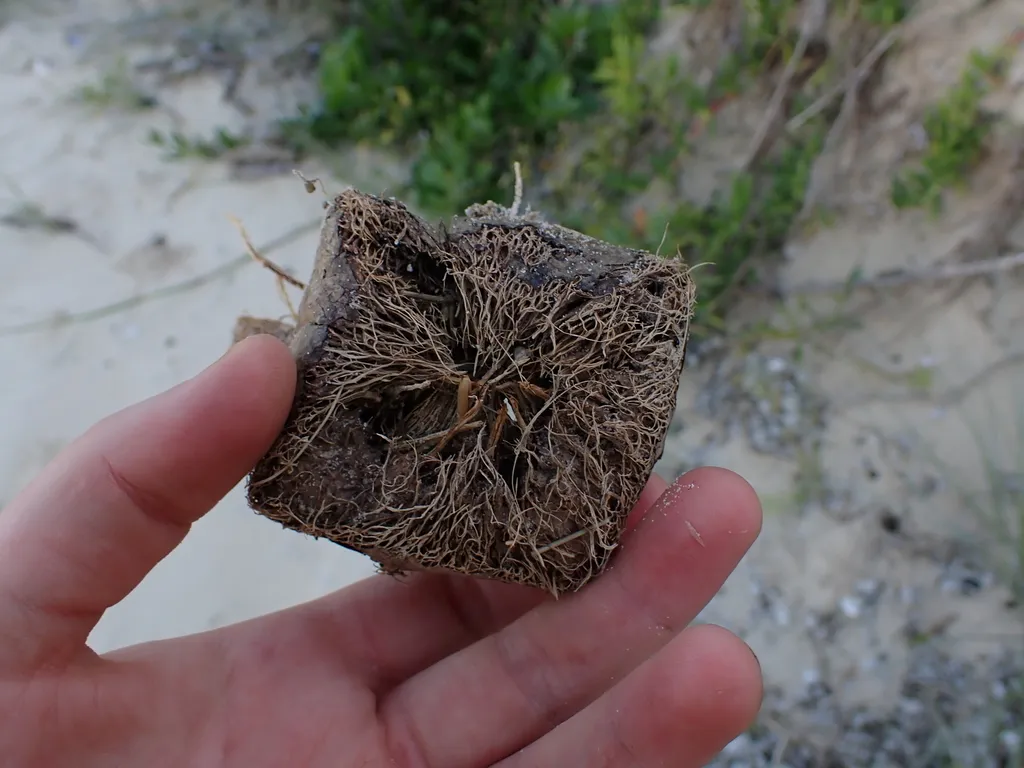
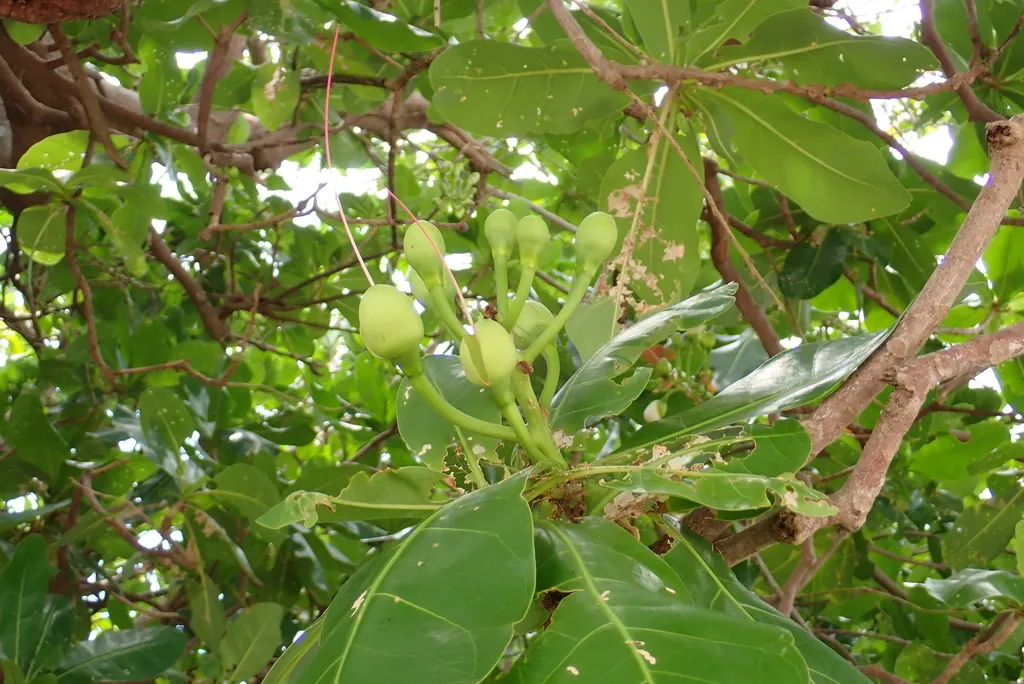
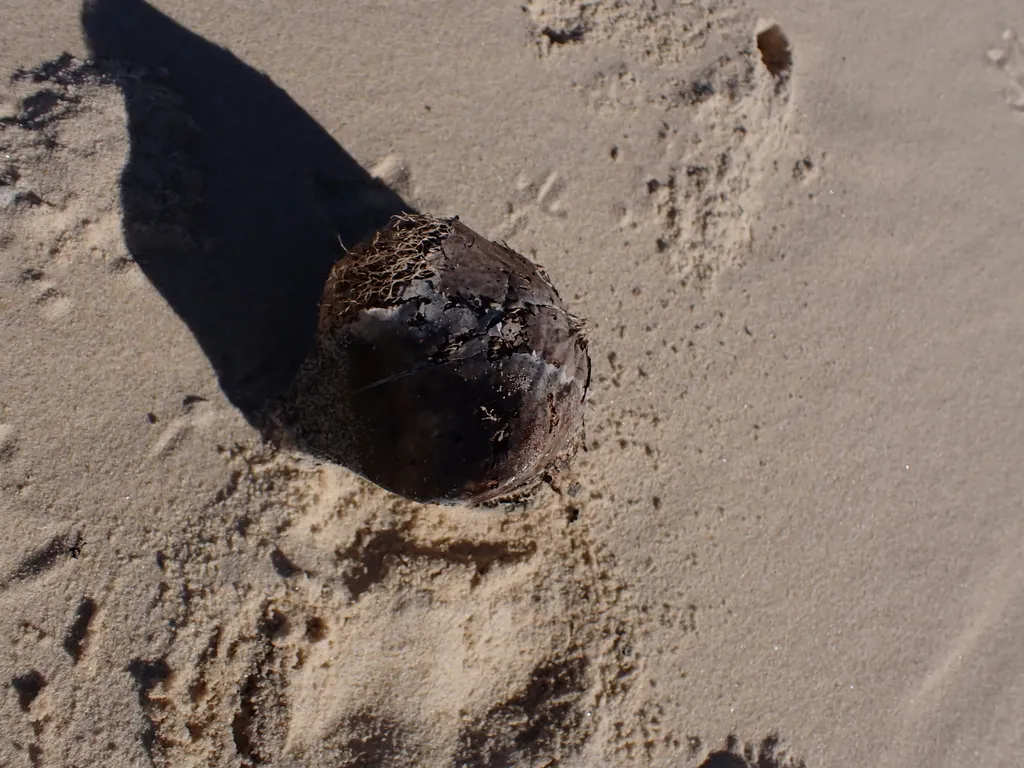
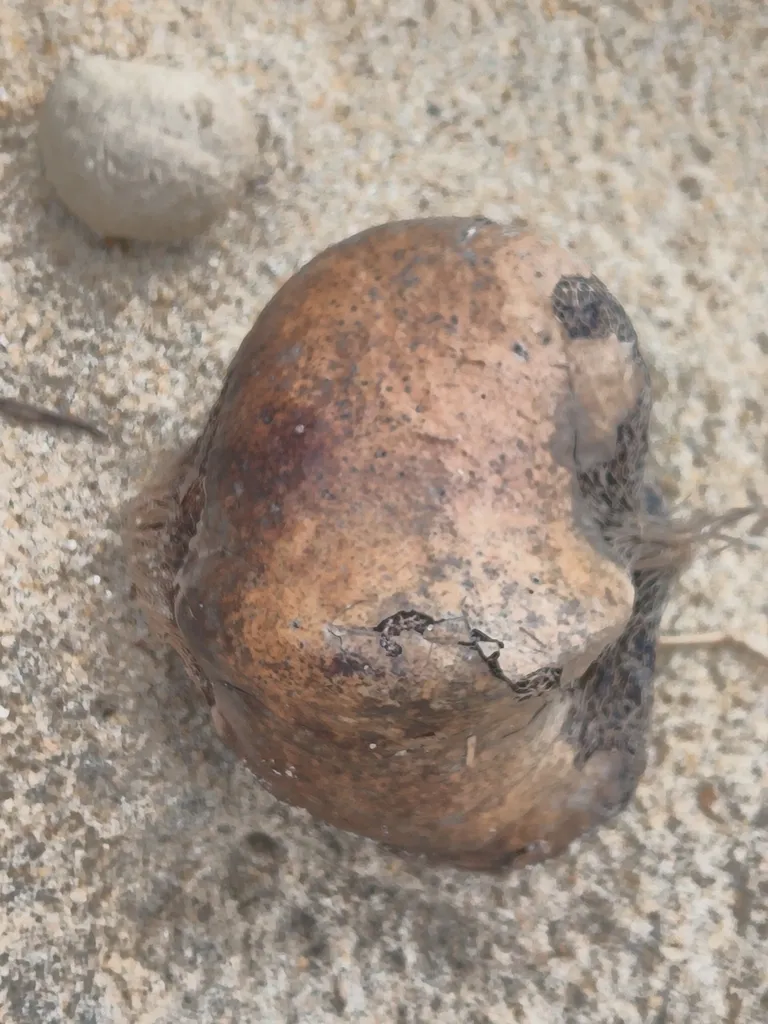
Barringtonia asiatica is a tropical evergreen tree reaching 10–25 m in height. It has large, obovate leaves that are glossy and leathery, and produces showy, night-blooming flowers with numerous long white stamens and pinkish petals. The distinctive four-angled, box-like fruits are woody and buoyant, allowing dispersal by water. This tree is valued for its ornamental flowers and tropical seaside landscape use.
Scientific classification
- Species
- Sea Poison Tree (Barringtonia asiatica)
- Genus
- Information to be completed
- Family
- Lecythidaceae
- All parts, especially the seeds, are toxic if ingested; keep away from children and pets.
- Toxicity
- Tree
- Plant type
- 10 - 25 metres
- Height
- 8 - 15 metres
- Spread
- Evergreen
- Foliage
- Upright
- Habit
- Summer
- Season of interest
- Full sun
- Sunlight
- Information to be completed
- Ideal temperature









Sea Poison Tree pictures
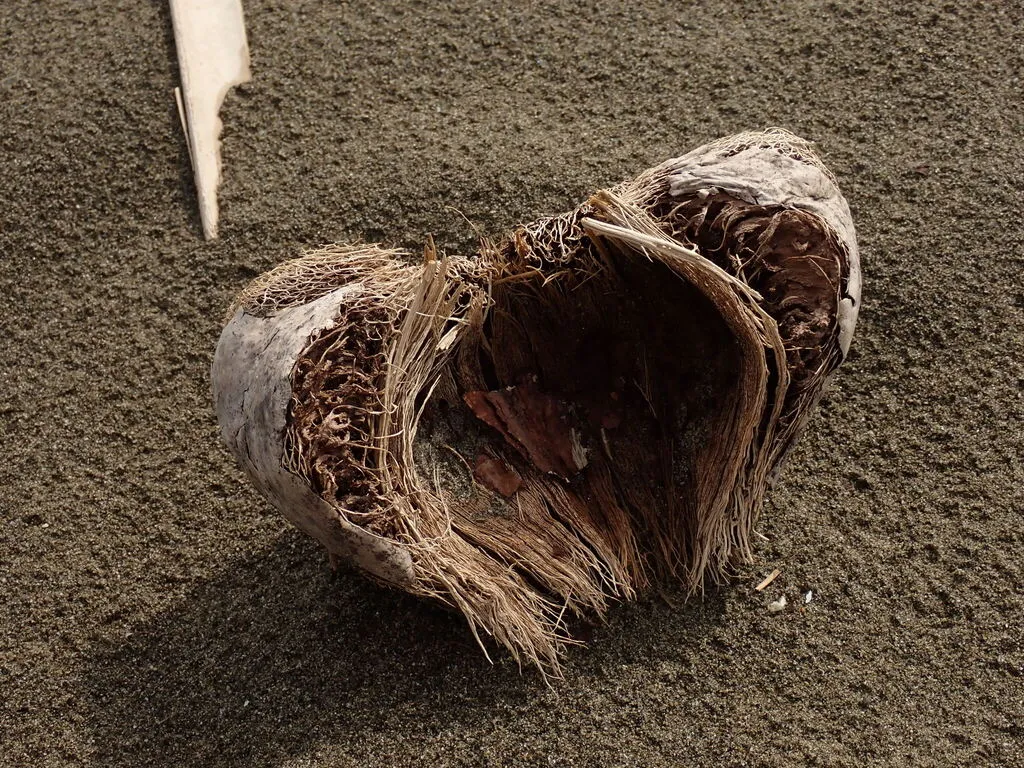
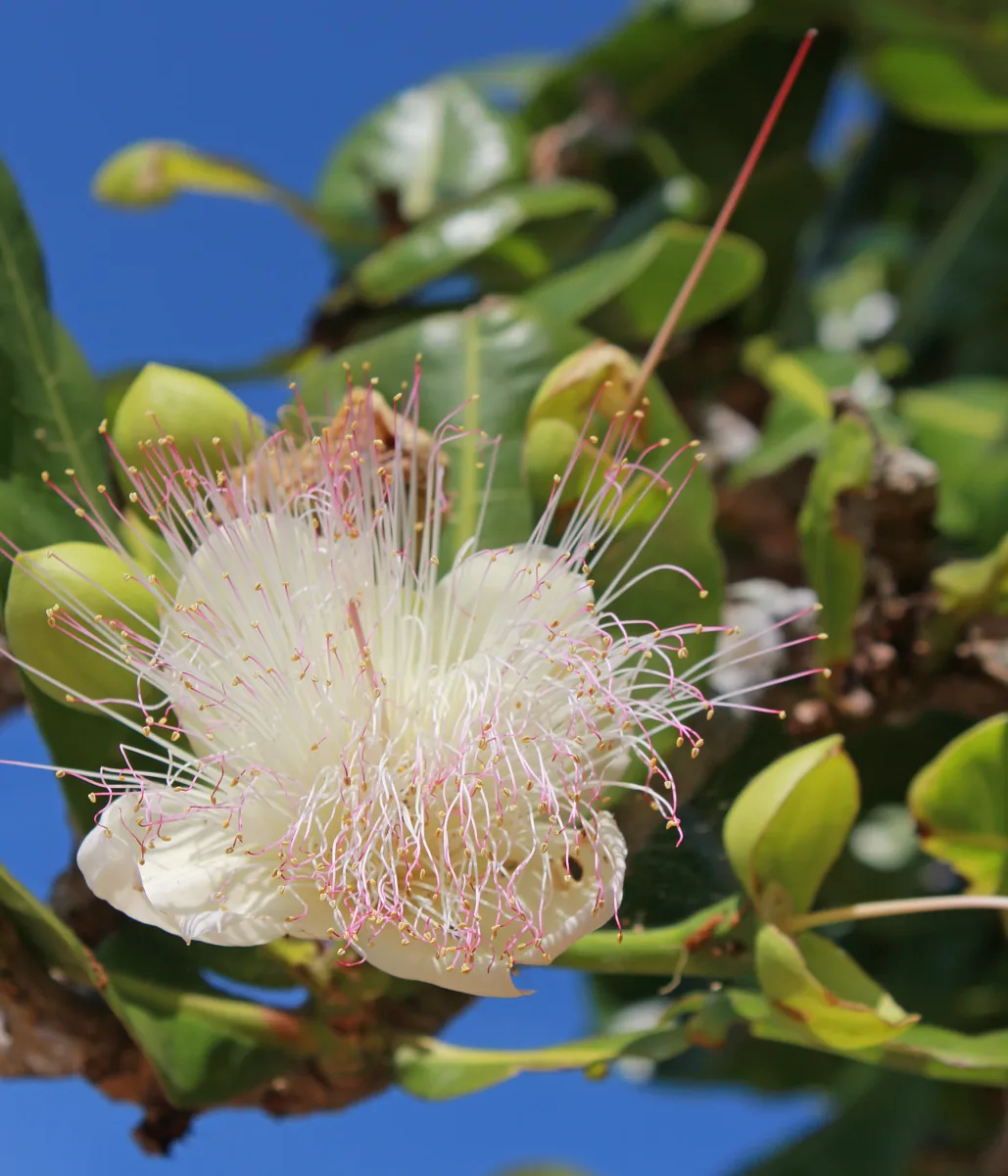
Distribution of Sea Poison Tree
Distribution map
- Native
- Introduced
- Cultivated
Source:WCVP v16 · Royal Botanic Gardens, Kew · CC BY 3.0 · Boundaries:WGSRPD / TDWG
Toxicity
All parts, especially the seeds, are toxic if ingested; keep away from children and pets.
Sea Poison Tree care guide
- Keep soil moist
- Watering
- Full sun
- Sunlight

Watering
Keep soil moist
Fertilizing
 Fertilizing
Monthly during growing season
Pruning
 Pruning
Prune in late winter or early spring to remove dead or damaged wood and to shape the canopy.
Propagation
 Propagation
Propagate by seed: soak seeds for 24 hours before sowing in moist, well-drained potting mix at 25–30°C. Semi-ripe cuttings can also be taken in spring; root in warm, humid conditions with bottom heat.
Growing
 Growing
Plant in full sun to partial shade in well-drained sandy or loamy soil. Water regularly during the growing season, keeping the soil moist but not waterlogged. Apply a balanced liquid fertilizer monthly from spring to early autumn. Protect from temperatures below 10°C; in cooler regions grow under glass or as a container plant overwintered indoors. Prune to remove dead or crossing branches to maintain shape.
Common pests and diseases
Diseases
Generally healthy; may suffer from root rot in poorly drained soils.
Pests
Can be affected by aphids and spider mites, especially when grown under cover.
Explore the plant health library →




