
Lily
Also known as: Lily
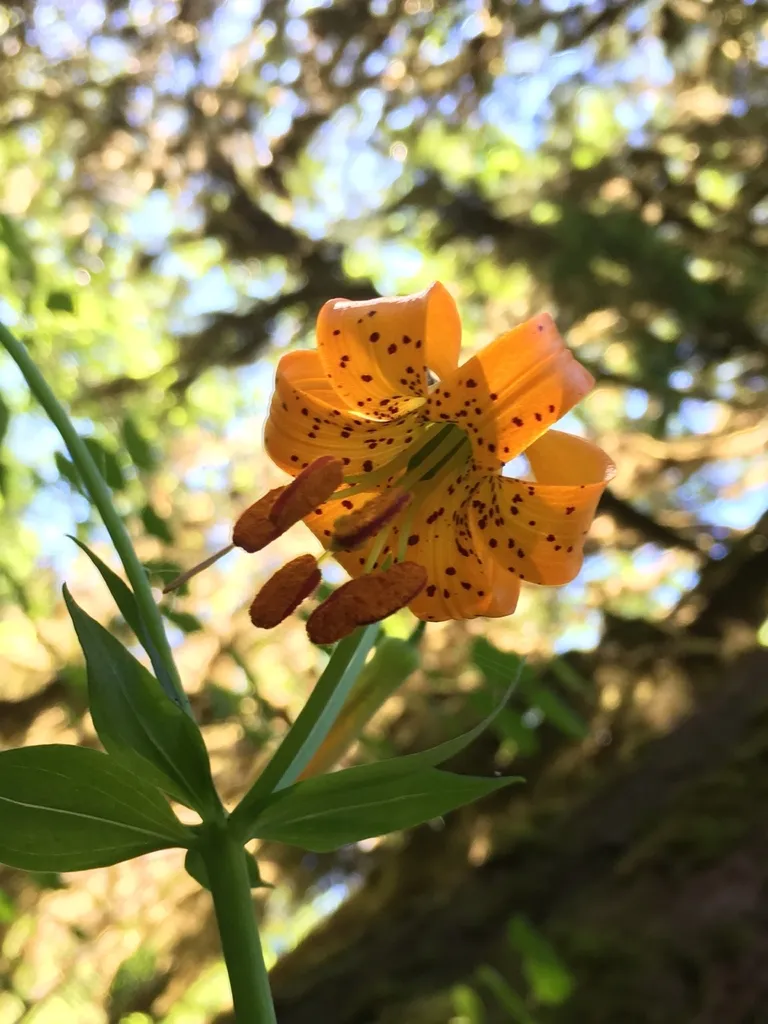
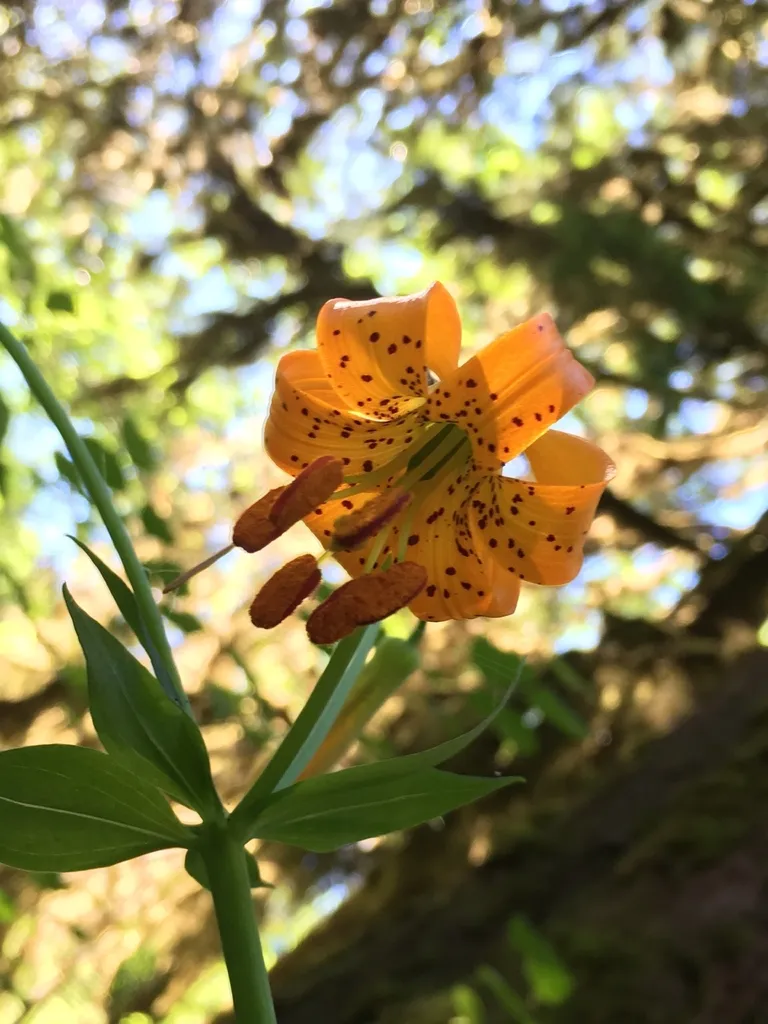
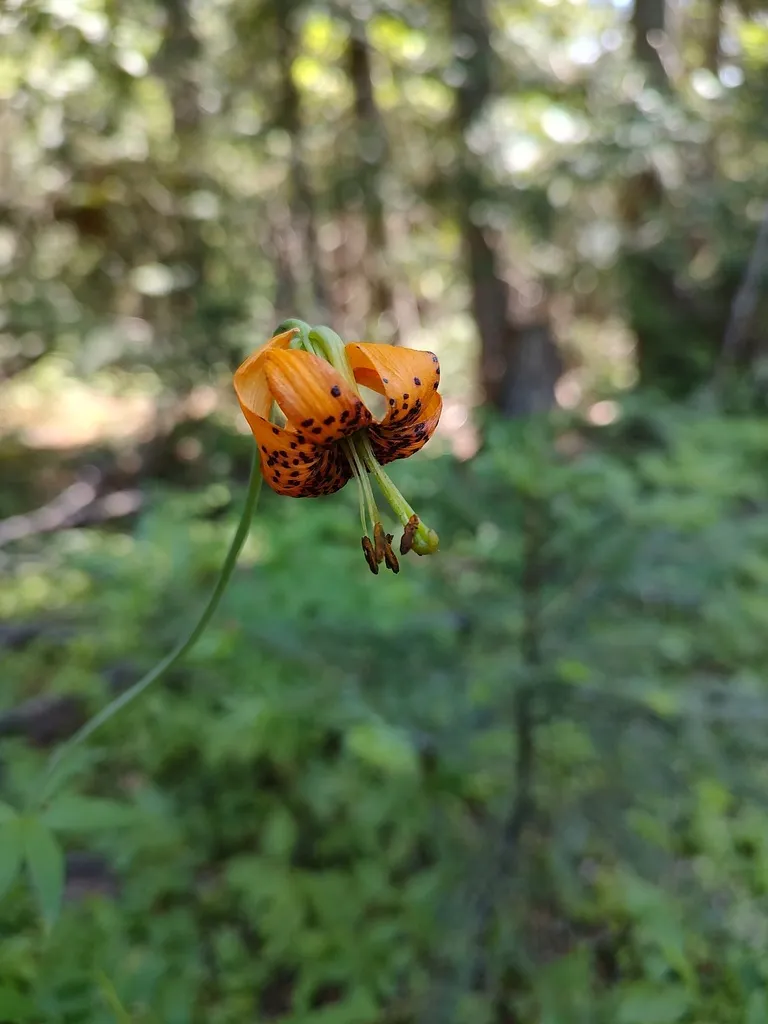
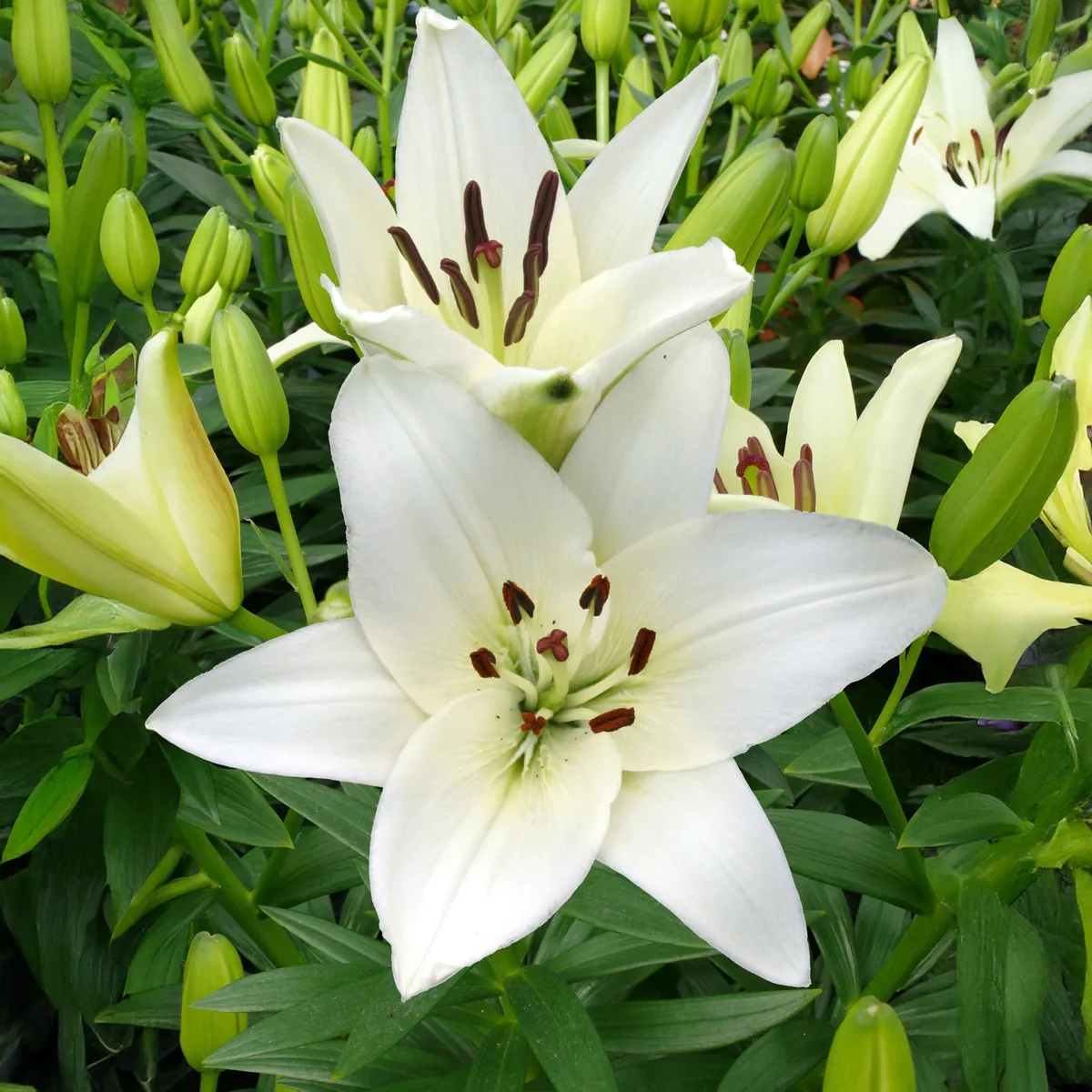
Lilies are bulbous perennial plants with erect stems bearing whorled or scattered leaves. They produce showy, trumpet-shaped or recurved flowers in a wide range of colors including white, yellow, pink, red, and orange, often with spotted or striped patterns. The flowers are typically borne in racemes or umbels at the top of the stem, and many varieties are highly fragrant. With heights ranging from 0.5 to 2 meters, lilies are prized for their elegant form and vibrant summer display, making them essential in herbaceous borders and cutting gardens.
Scientific classification
- Species
- Lily (Lilium)
- Genus
- Information to be completed
- Family
- Liliaceae
- All parts of the lily are highly toxic to cats, causing acute kidney failure; mild toxicity to humans and dogs if ingested in large quantities.
- Toxicity
- Bulbs · Herbaceous Perennial
- Plant type
- 0.6 - 1.8 metres
- Height
- 0.3 - 0.5 metres
- Spread
- Deciduous
- Foliage
- Upright
- Habit
- Summer
- Season of interest
- Full sun
- Sunlight
- Information to be completed
- Ideal temperature









Lily pictures
Distribution of Lily
Distribution map
Temperate regions of the Northern Hemisphere, including Europe, Asia, and North America
Information to be completed
Culture
Information to be completed
Toxicity
All parts of the lily are highly toxic to cats, causing acute kidney failure; mild toxicity to humans and dogs if ingested in large quantities.
Quick identification of Lily
Information to be completed
Lily care guide
- Keep soil moist but not waterlogged
- Watering
- Full sun
- Sunlight
- Information to be completed
- Ideal temperature

Watering
Keep soil moist but not waterlogged
Fertilizing
 Fertilizing
Every 2 weeks during growing season until flowering
Pruning
 Pruning
Remove spent flower heads promptly to prevent seed formation, but leave the stems and leaves to die back naturally. Cut down dead foliage in autumn or early winter.
Propagation
 Propagation
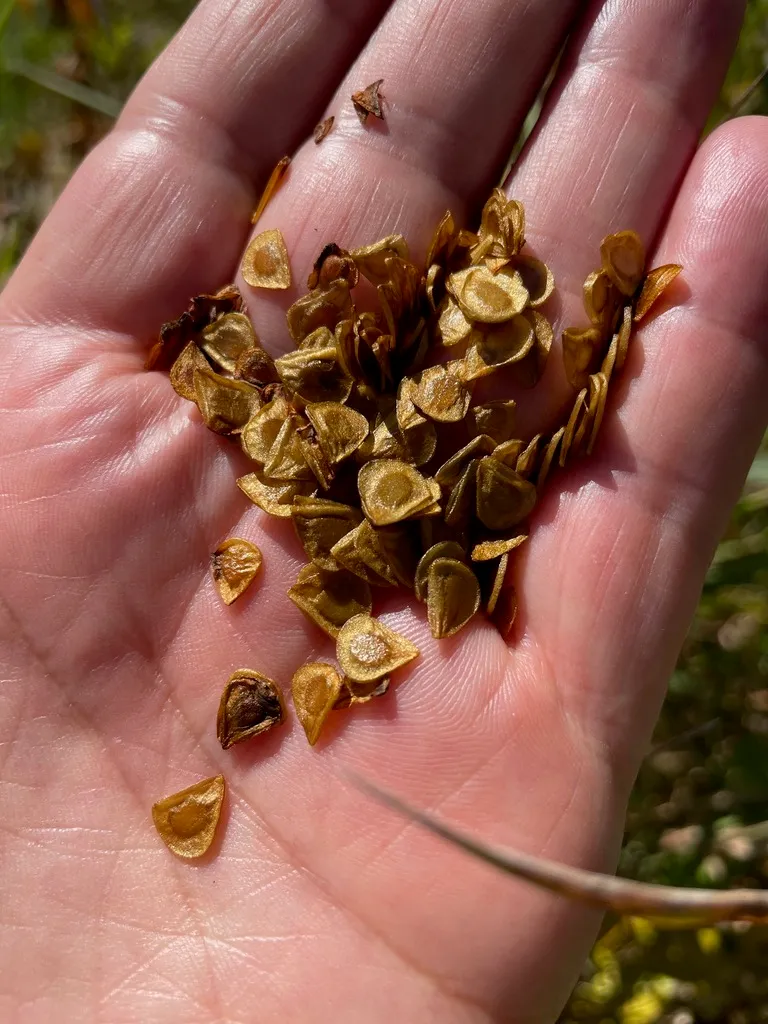
Lilies can be propagated by dividing offsets in autumn, or by scaling—removing healthy scales from the bulb and planting them in moist compost at 20°C to produce small bulbils. Seeds may also be used for species, but require cold stratification and take 2-4 years to flower.
Growing
 Growing
Plant lily bulbs in autumn or spring in well-drained, fertile loam enriched with organic matter. Position them in full sun with the base of the bulbs shaded by mulch or low plants to keep roots cool. Water regularly during the growing season, especially in dry spells, but avoid waterlogging. Apply a balanced liquid fertilizer every two weeks from spring until flowering begins. After flowering, remove spent heads and allow foliage to die back naturally. In cold regions, apply a winter mulch to protect bulbs from frost. Lily bulbs are best lifted and divided every 3-4 years to maintain vigor.
People also ask
Information to be completed
Common pests and diseases
Diseases
Lilies are susceptible to botrytis blight (grey mould) in wet conditions, as well as basal rot (Fusarium) and viral diseases such as lily mosaic virus. Good air circulation and well-drained soil reduce risks.
Pests
Common pests include aphids, red lily beetles, slugs, and snails. Red lily beetles and their larvae can cause severe defoliation and should be handpicked or controlled with appropriate insecticides.
Explore the plant health library →




