
Variegated String of Hearts
Also known as: Variegated String of Hearts, Variegated Chain of Hearts, Variegated Rosary Vine
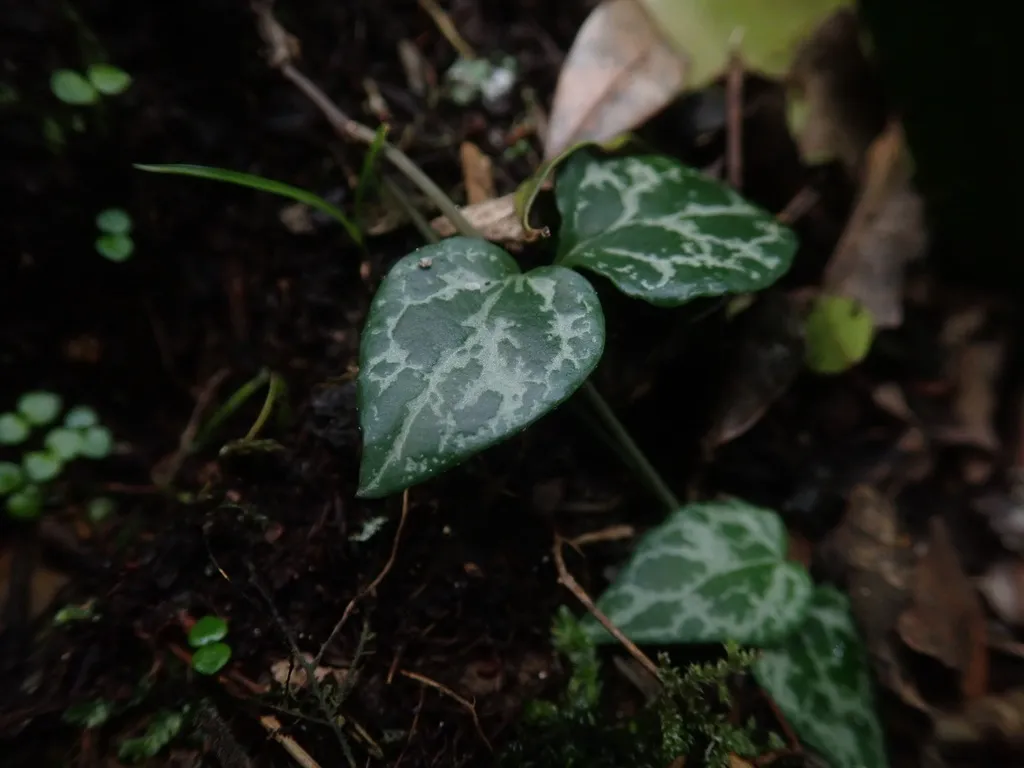
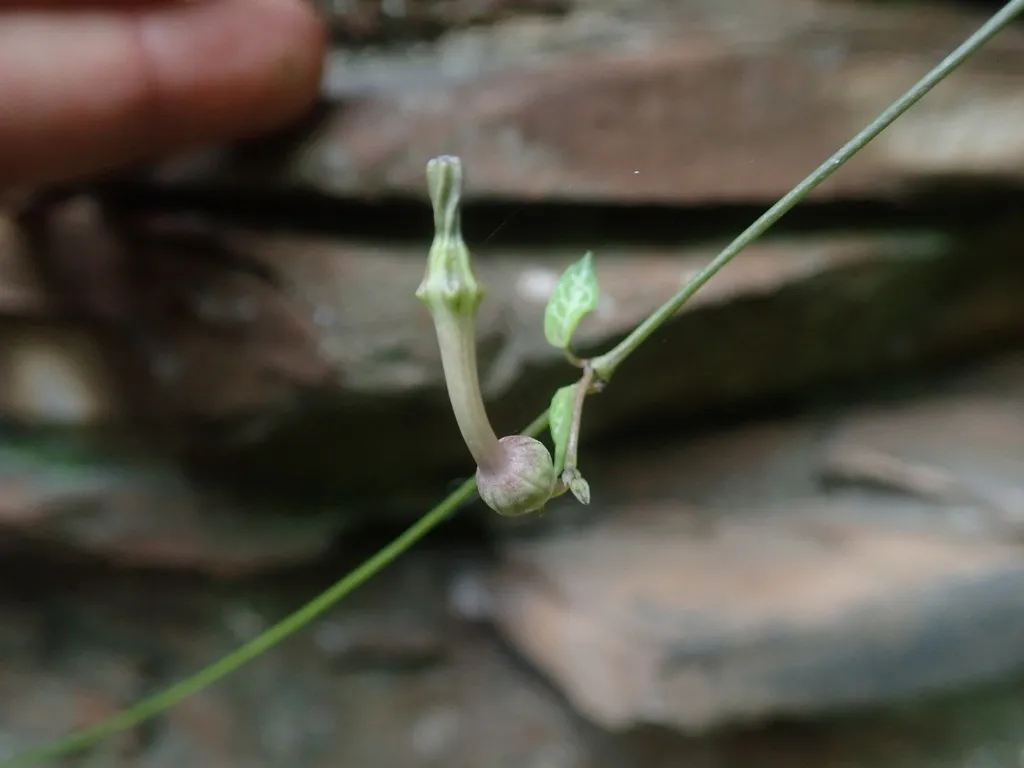
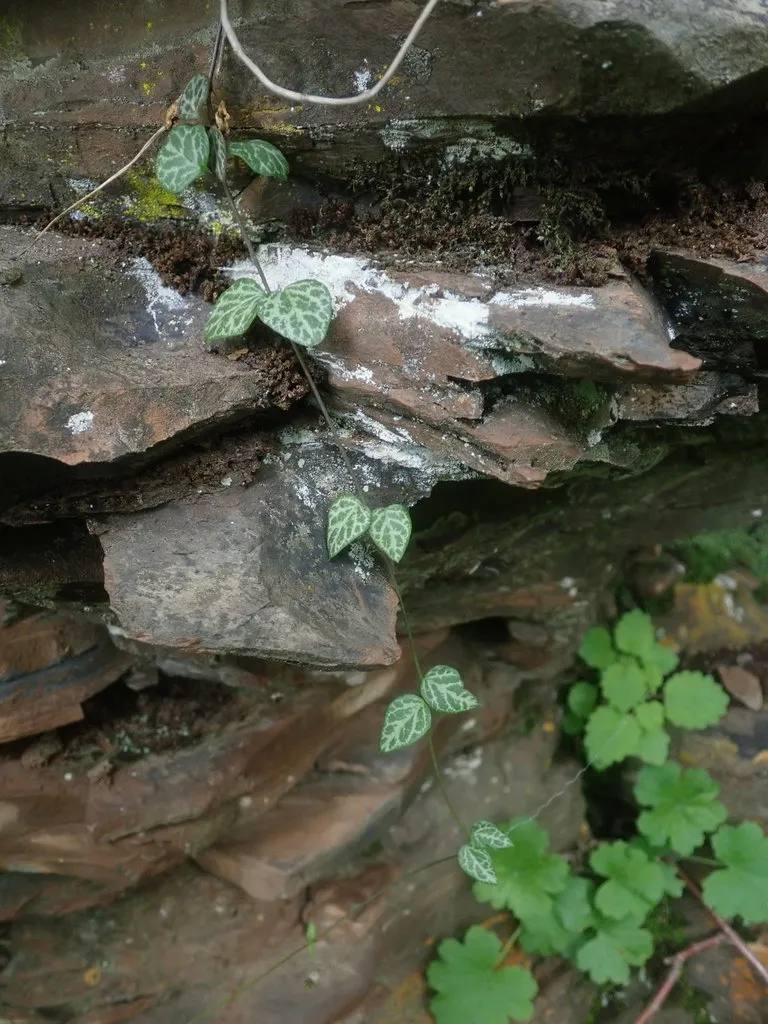
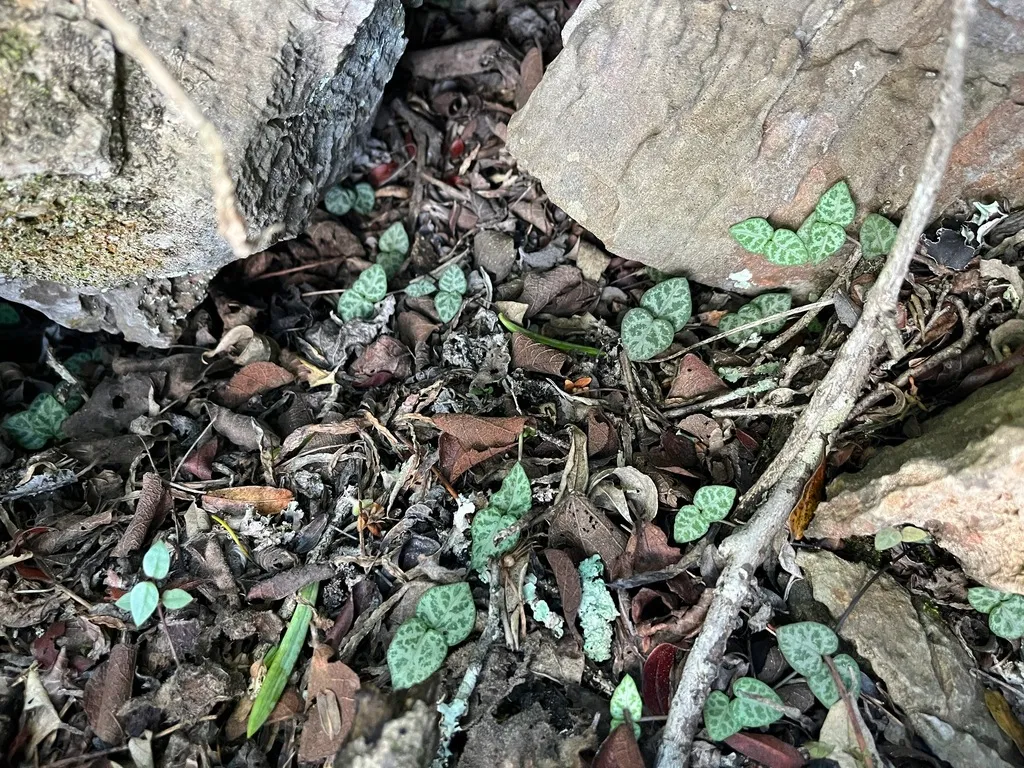
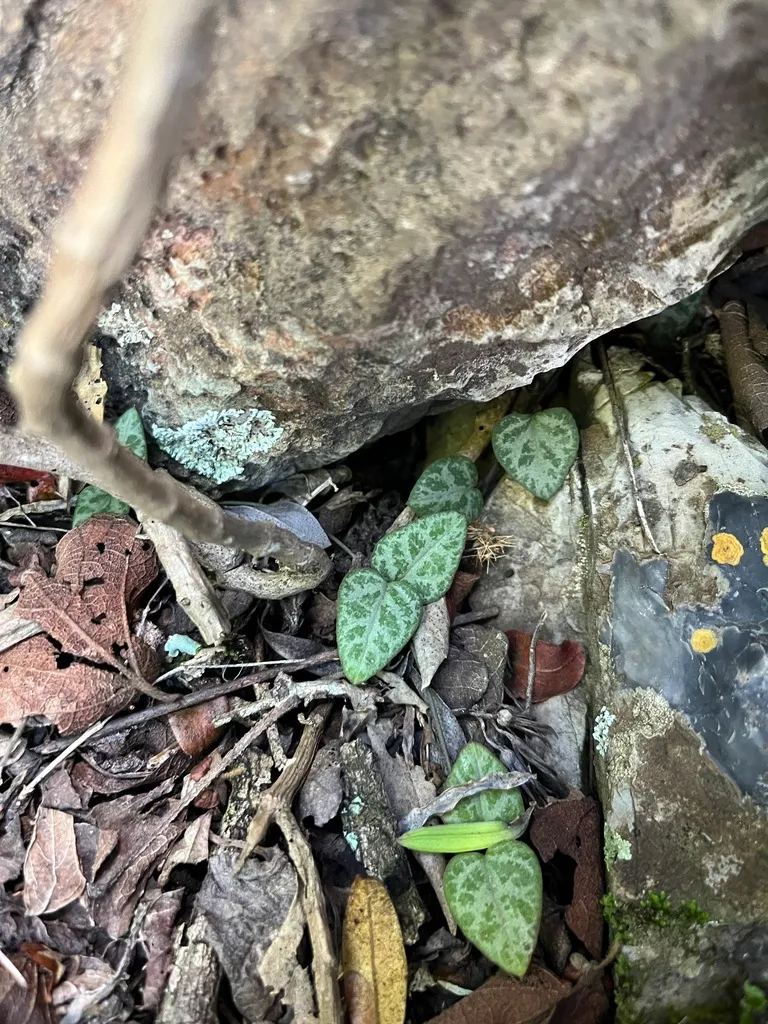
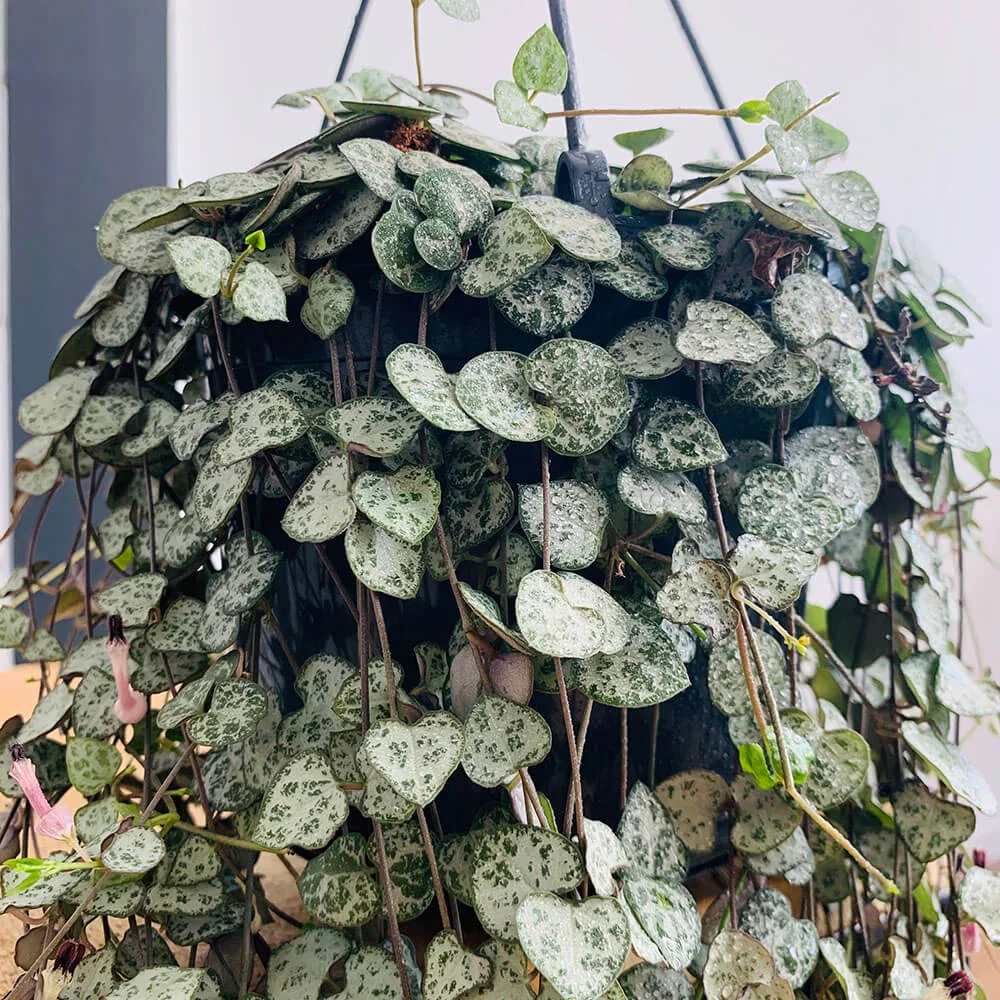
Ceropegia woodii is a trailing succulent vine with slender, thread-like stems and heart-shaped leaves. The leaves are variegated with silvery-green patterns and purplish undersides. In summer, it produces small, tubular, purple-black flowers that resemble lanterns. This plant is highly valued as a hanging basket or indoor specimen for its delicate, cascading habit and unique foliage.
Scientific classification
- Species
- Variegated String of Hearts (Ceropegia woodii)
- Genus
- Information to be completed
- Family
- Apocynaceae
- Non-toxic to humans and pets.
- Toxicity
- Succulent · Climber · Houseplants
- Plant type
- 0.3 - 0.6 metres
- Height
- 0.3 - 0.6 metres
- Spread
- Evergreen
- Foliage
- Trailing · Climbing
- Habit
- Summer
- Season of interest
- Bright indirect light
- Sunlight
- 18 – 27 °C
- Ideal temperature









Variegated String of Hearts pictures
Distribution of Variegated String of Hearts
Distribution map
- Native
- Introduced
- Cultivated
Source:WCVP v16 · Royal Botanic Gardens, Kew · CC BY 3.0 · Boundaries:WGSRPD / TDWG
Toxicity
Non-toxic to humans and pets.
Variegated String of Hearts care guide
- Water sparingly, allowing soil to dry out completely between waterings
- Watering
- Bright indirect light
- Sunlight
- 18 – 27 °C
- Ideal temperature

Watering
Water sparingly, allowing soil to dry out completely between waterings
Fertilizing
 Fertilizing
Monthly during growing season
Pruning
 Pruning
Prune in spring to control length, remove dead or leggy stems, and encourage bushier growth. Pinch back tips to promote branching.
Propagation
 Propagation
Easily propagated from stem cuttings taken in spring or summer. Cut a section of stem with at least two nodes, remove lower leaves, and insert into moist cutting compost. Keep at 20-25°C (68-77°F) in bright, indirect light. Roots develop within 2-4 weeks. Alternatively, small tubers that form along the stems can be separated and potted.
Growing
 Growing
Grow in bright, indirect light; avoid direct sunlight which can scorch the leaves. Use a well-draining potting mix, such as a cactus or succulent mix. Water thoroughly when the soil has dried out completely, then allow to drain freely. Reduce watering in winter when growth slows. Maintain a minimum temperature of 10°C (50°F); it is not frost hardy. Fertilize monthly during the growing season with a balanced liquid fertilizer diluted to half strength.
Common pests and diseases
Diseases
Susceptible to root rot and stem rot if overwatered or kept in poorly drained conditions. Ensure good air circulation to prevent fungal issues.
Pests
May be attacked by mealybugs and aphids, especially on new growth. Regularly inspect and treat with insecticidal soap if needed.
Explore the plant health library →




