
Senecio
Also known as: Barberton senecio, Lemon bean bush
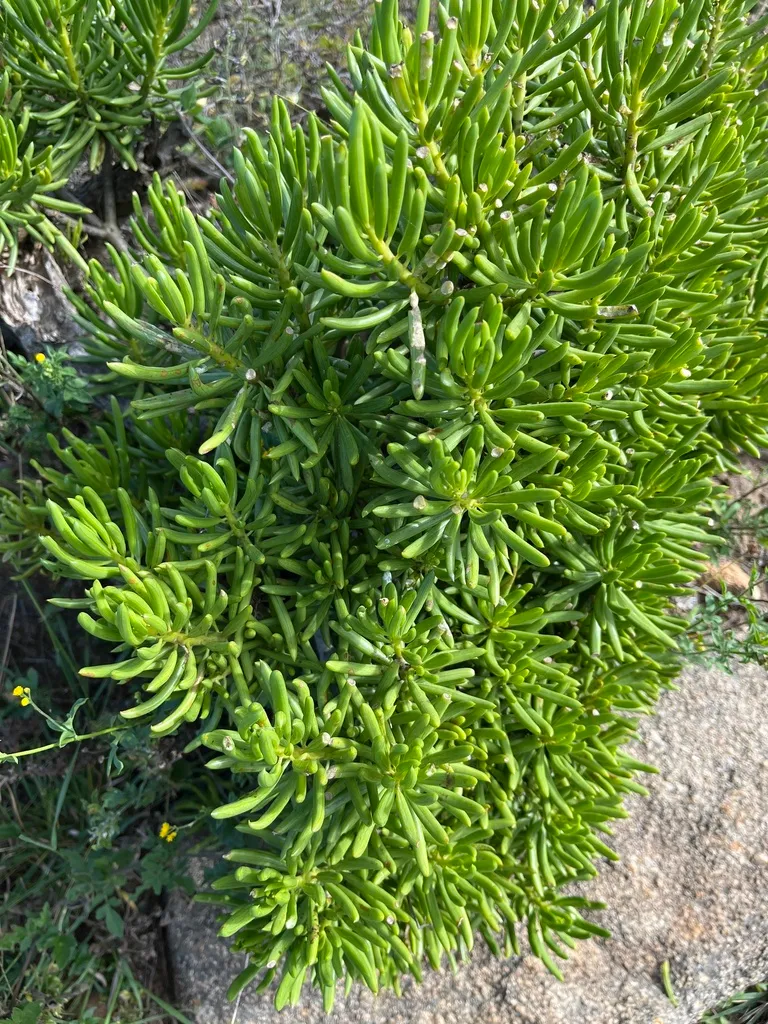
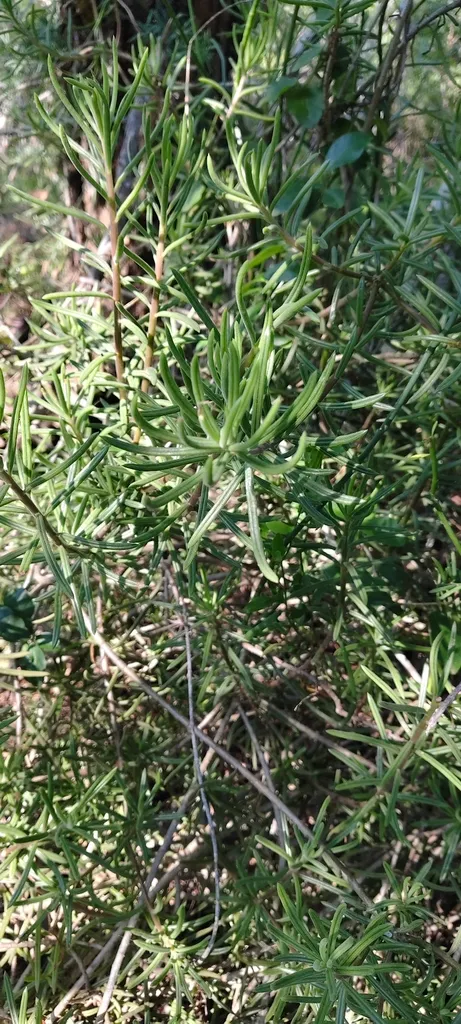
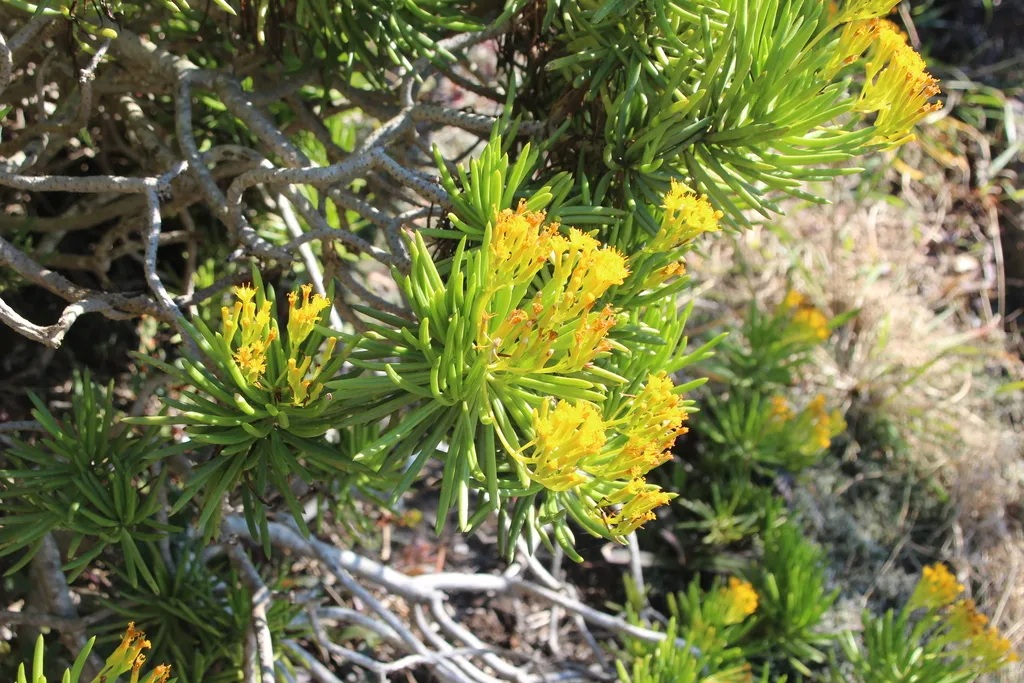
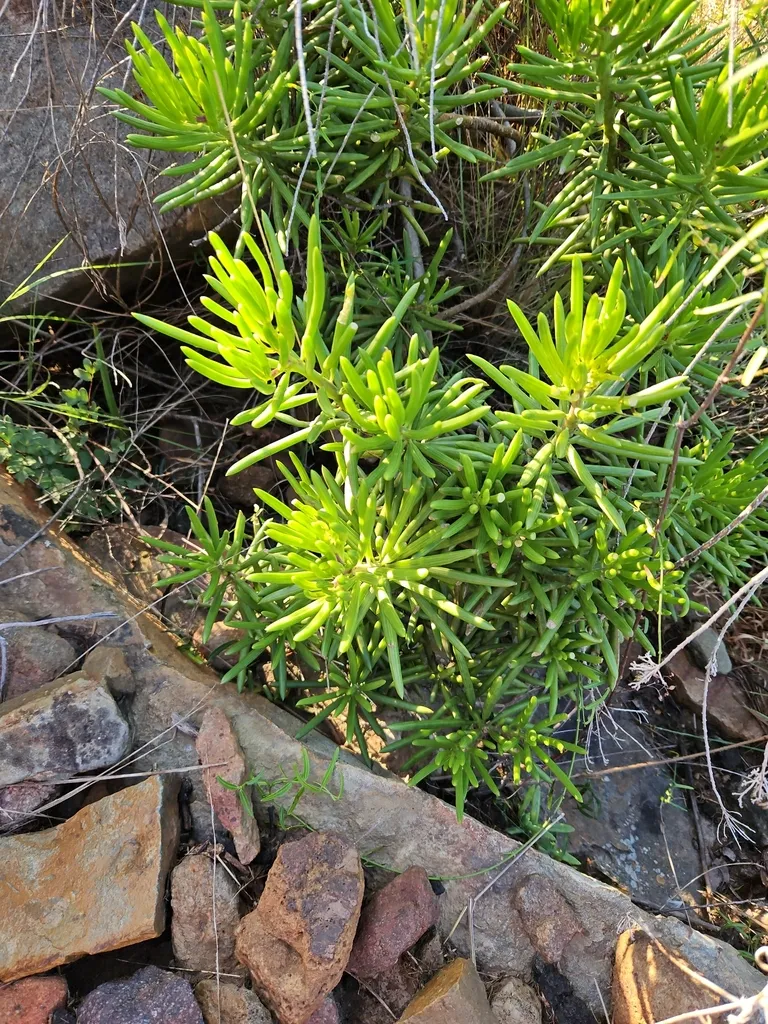
A succulent shrub with cylindrical, fleshy, bright green leaves that are densely packed along upright stems. In summer, it produces clusters of small, bright yellow daisy-like flowers held above the foliage. This compact, bushy plant is ideal for sunny borders and containers.
Scientific classification
- Species
- Senecio (Senecio barbertonicus)
- Genus
- Information to be completed
- Family
- Asteraceae
- Toxic if ingested, may cause mild gastrointestinal upset; keep away from pets and children.
- Toxicity
- Succulent · Cactus Succulent
- Plant type
- 0.5 - 1 metres
- Height
- 0.3 - 0.6 metres
- Spread
- Evergreen
- Foliage
- Upright
- Habit
- Summer
- Season of interest
- Full sun
- Sunlight
- Information to be completed
- Ideal temperature









Senecio pictures
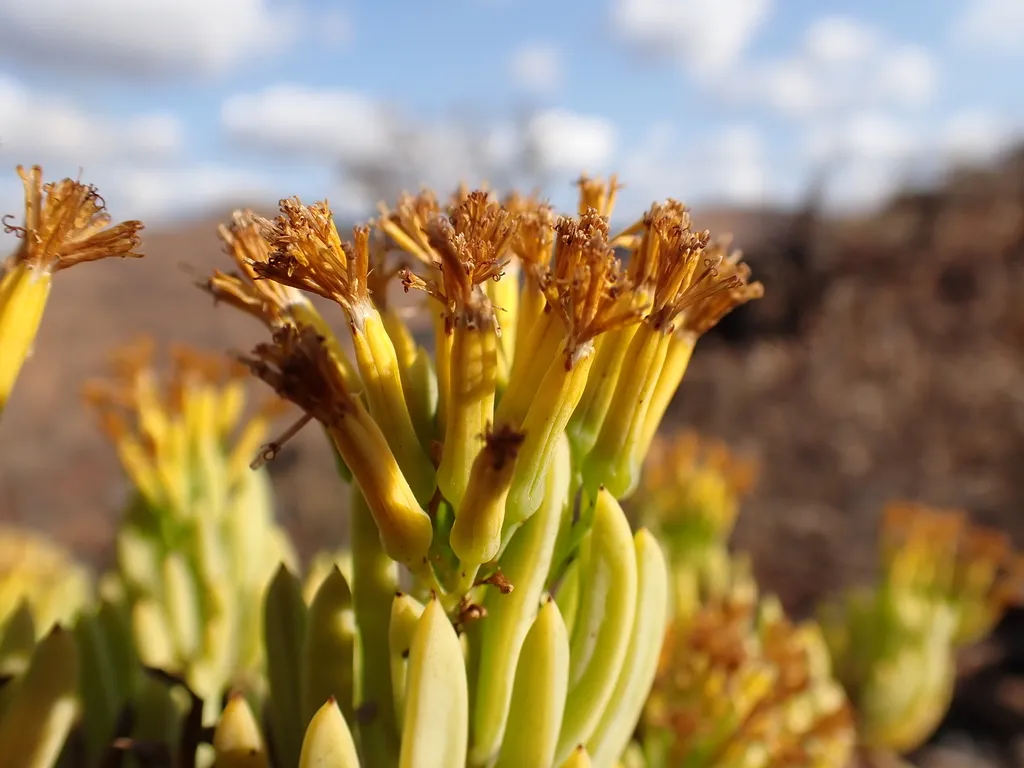
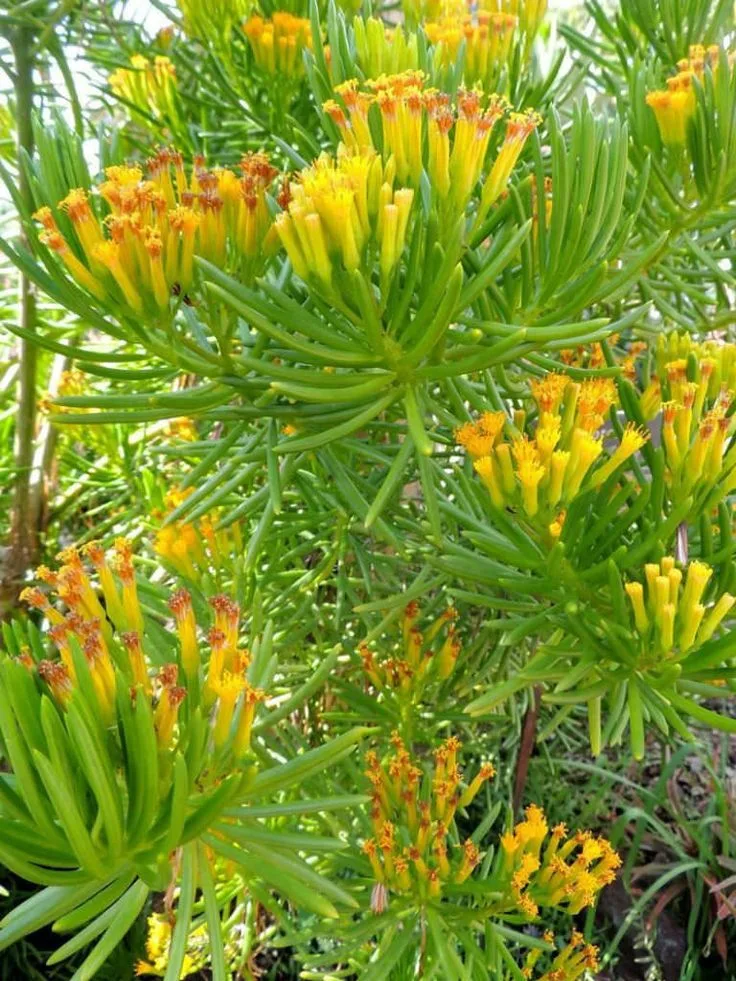
Distribution of Senecio
Distribution map
- Native
- Introduced
- Cultivated
Source:WCVP v16 · Royal Botanic Gardens, Kew · CC BY 3.0 · Boundaries:WGSRPD / TDWG
Toxicity
Toxic if ingested, may cause mild gastrointestinal upset; keep away from pets and children.
Senecio care guide
- Water sparingly, allow soil to dry completely between waterings
- Watering
- Full sun
- Sunlight

Watering
Water sparingly, allow soil to dry completely between waterings
Fertilizing
 Fertilizing
Every 4 weeks during growing season
Pruning
 Pruning
Prune lightly in early spring to remove dead or leggy growth and maintain a compact shape.
Propagation
 Propagation
Propagate by stem cuttings in spring or summer. Take 5–10 cm cuttings, allow the cut end to callous for a day, then insert into well-drained gritty compost. Rooting takes 2–4 weeks at 18–21°C. Seeds can also be sown in spring, but cuttings are more reliable.
Growing
 Growing
Plant in full sun in well-drained, sandy or loamy soil. Water sparingly, allowing the soil to dry out completely between waterings, especially in winter. Fertilize monthly during the growing season with a balanced liquid fertilizer diluted to half strength. Overwinter indoors or in a frost-free greenhouse if temperatures drop below 10°C. Remove dead or damaged stems to maintain shape.
Common pests and diseases
Diseases
Susceptible to root rot if overwatered or grown in poorly drained soil. Powdery mildew may appear in humid conditions with poor air circulation.
Pests
May attract aphids, mealybugs, and scale insects, especially when grown under cover.
Explore the plant health library →




