
Strawberry Cream Begonia
Also known as: Strawberry Cream Begonia
Begonia 'Strawberry Cream' is a compact, fibrous-rooted perennial with glossy, asymmetrical green leaves. It produces clusters of semi-double flowers in shades of pink and cream, resembling strawberry cream. The plant maintains a bushy habit and blooms continuously from summer into autumn, making it a charming choice for indoor display or sheltered outdoor containers.
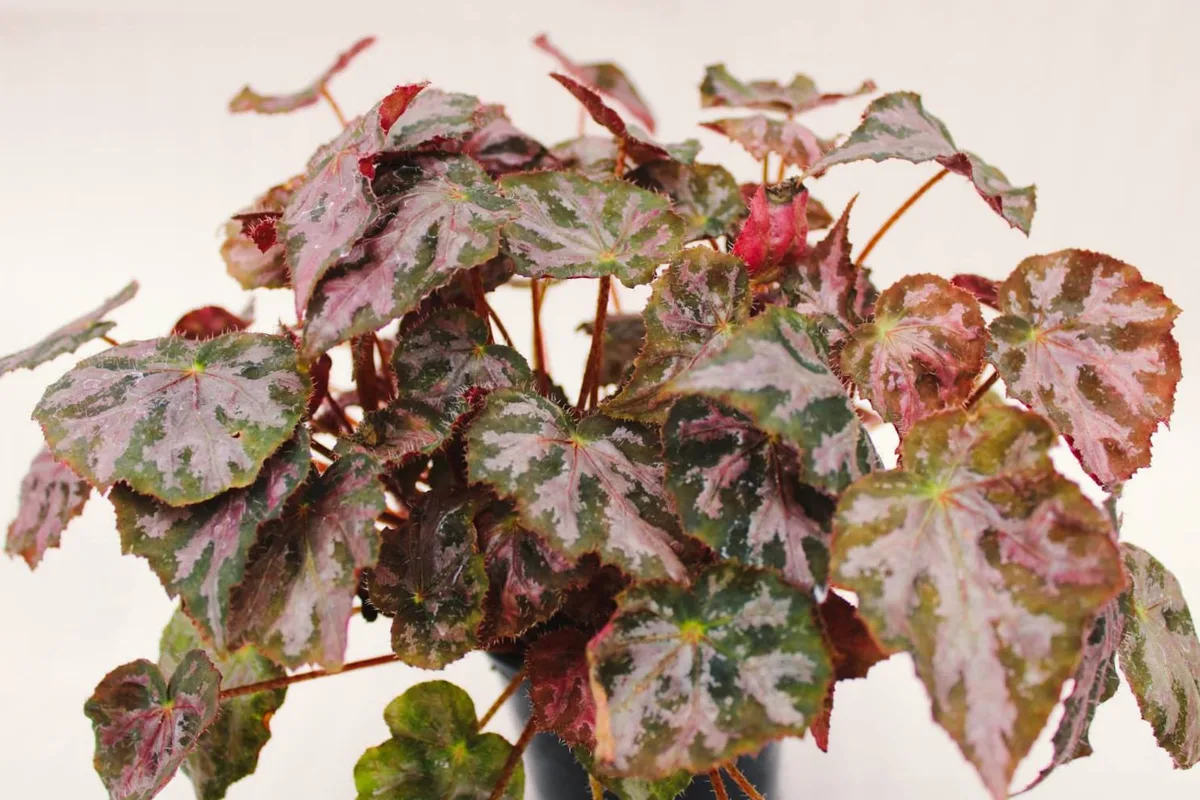
Scientific classification
- Species
- Strawberry Cream Begonia (Begonia 'Strawberry Cream')
- Genus
- Information to be completed
- Family
- Begoniaceae
- Toxic to cats and dogs if ingested, causing oral irritation and vomiting due to calcium oxalate crystals.
- Toxicity
- Houseplants · Perennial
- Plant type
- 0.2 - 0.4 metres
- Height
- 0.2 - 0.4 metres
- Spread
- Evergreen
- Foliage
- Bushy · Upright
- Habit
- Summer · Autumn
- Season of interest
- Bright indirect light
- Sunlight
- 15 – 25 °C
- Ideal temperature









Strawberry Cream Begonia pictures
Distribution of Strawberry Cream Begonia
Distribution map
Hybrid, nursery origin
Toxicity
Toxic to cats and dogs if ingested, causing oral irritation and vomiting due to calcium oxalate crystals.
Strawberry Cream Begonia care guide
- Keep soil evenly moist, allow top layer to dry slightly between waterings
- Watering
- Bright indirect light
- Sunlight
- 15 – 25 °C
- Ideal temperature

Watering
Keep soil evenly moist, allow top layer to dry slightly between waterings
Fertilizing
 Fertilizing
Every 2 weeks during growing season
Pruning
 Pruning
Remove spent flowers and yellowing leaves regularly to encourage continued blooming. Cut back leggy stems in early spring to maintain a compact shape.
Propagation
 Propagation
Propagate by leaf or stem cuttings in spring or summer. Take a 7-10 cm stem cutting with at least two nodes, remove lower leaves, and insert into moist potting mix. Keep at 20-25°C with high humidity. Roots will develop within 3-4 weeks.
Growing
 Growing
Grow in a well-drained, peat-based potting mix in bright indirect light. Water thoroughly when the top inch of soil feels dry, but avoid waterlogging. Fertilize with a balanced liquid fertilizer every two weeks during the growing season. Reduce watering and stop fertilizing in winter when growth slows. Maintain a minimum temperature of 15°C; protect from cold drafts.
Common pests and diseases
Diseases
Susceptible to powdery mildew and botrytis under poor air circulation or excessive moisture. Ensure good ventilation and avoid wetting foliage to reduce risk.
Pests
Common pests include aphids, spider mites, and mealybugs. Inspect regularly and treat with insecticidal soap or neem oil if needed.
Explore the plant health library →




