
Little Tree Sensitive Plant
Also known as: Little Tree Plant, Sensitive Plant
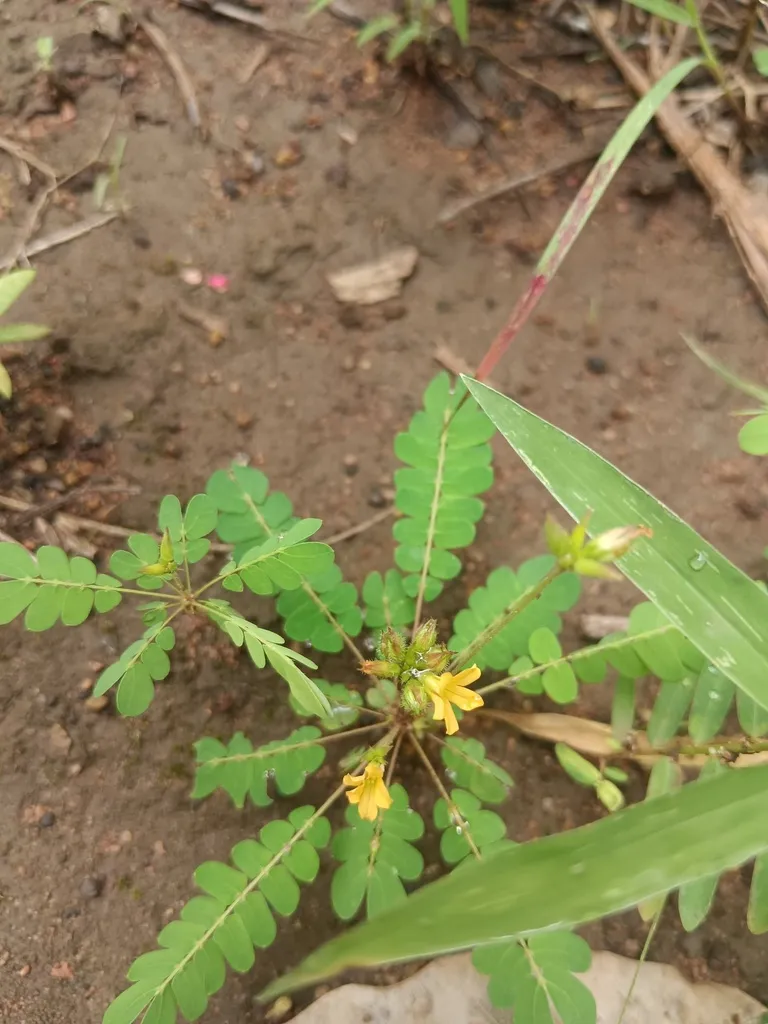
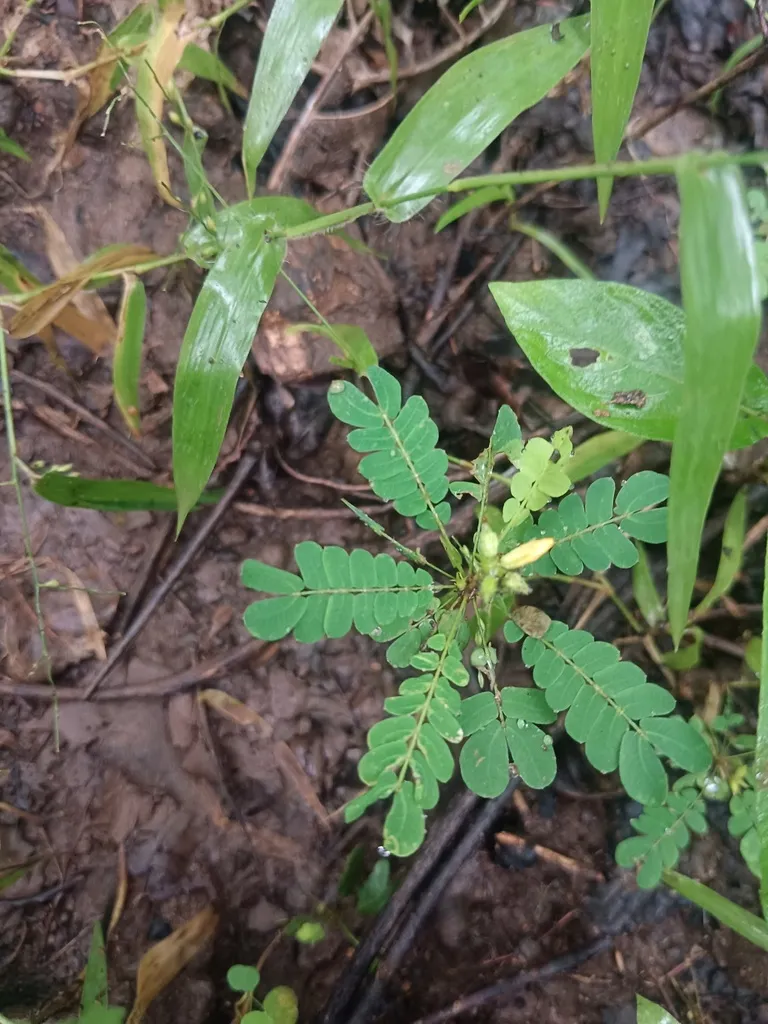
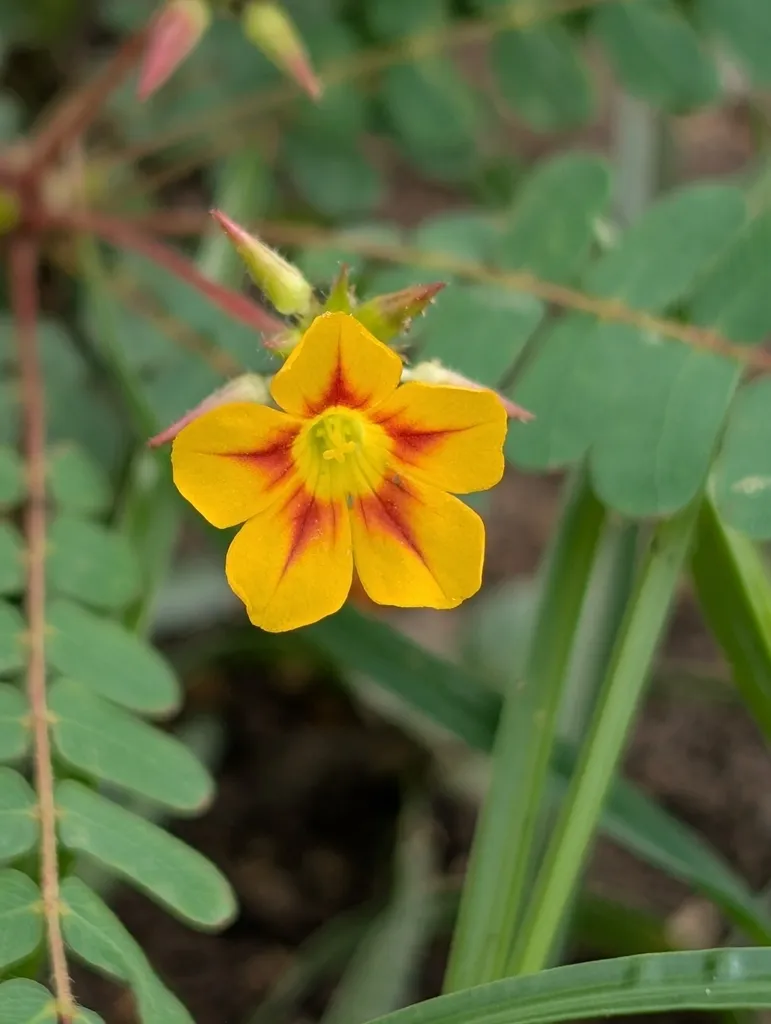
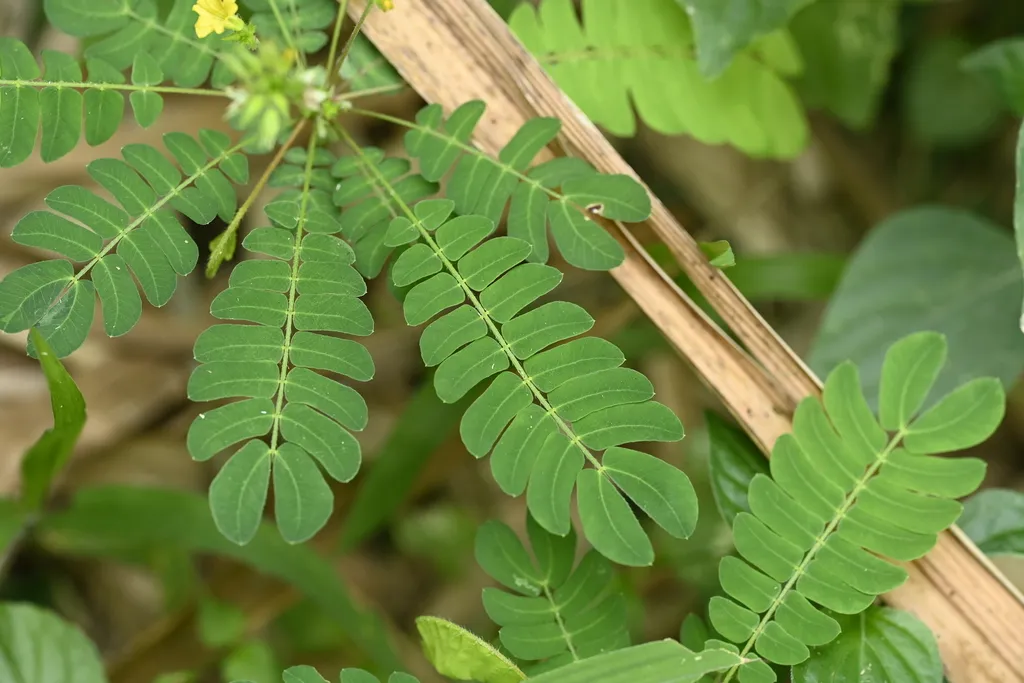
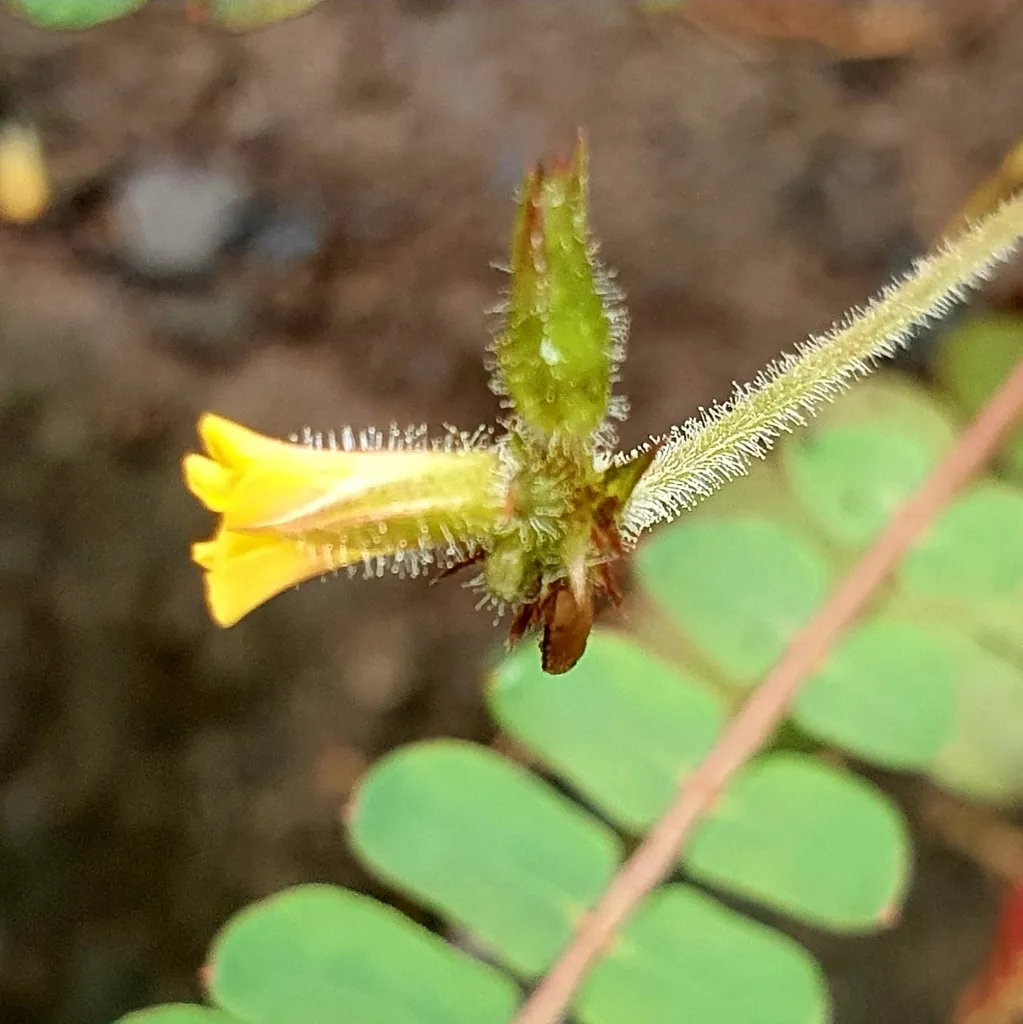
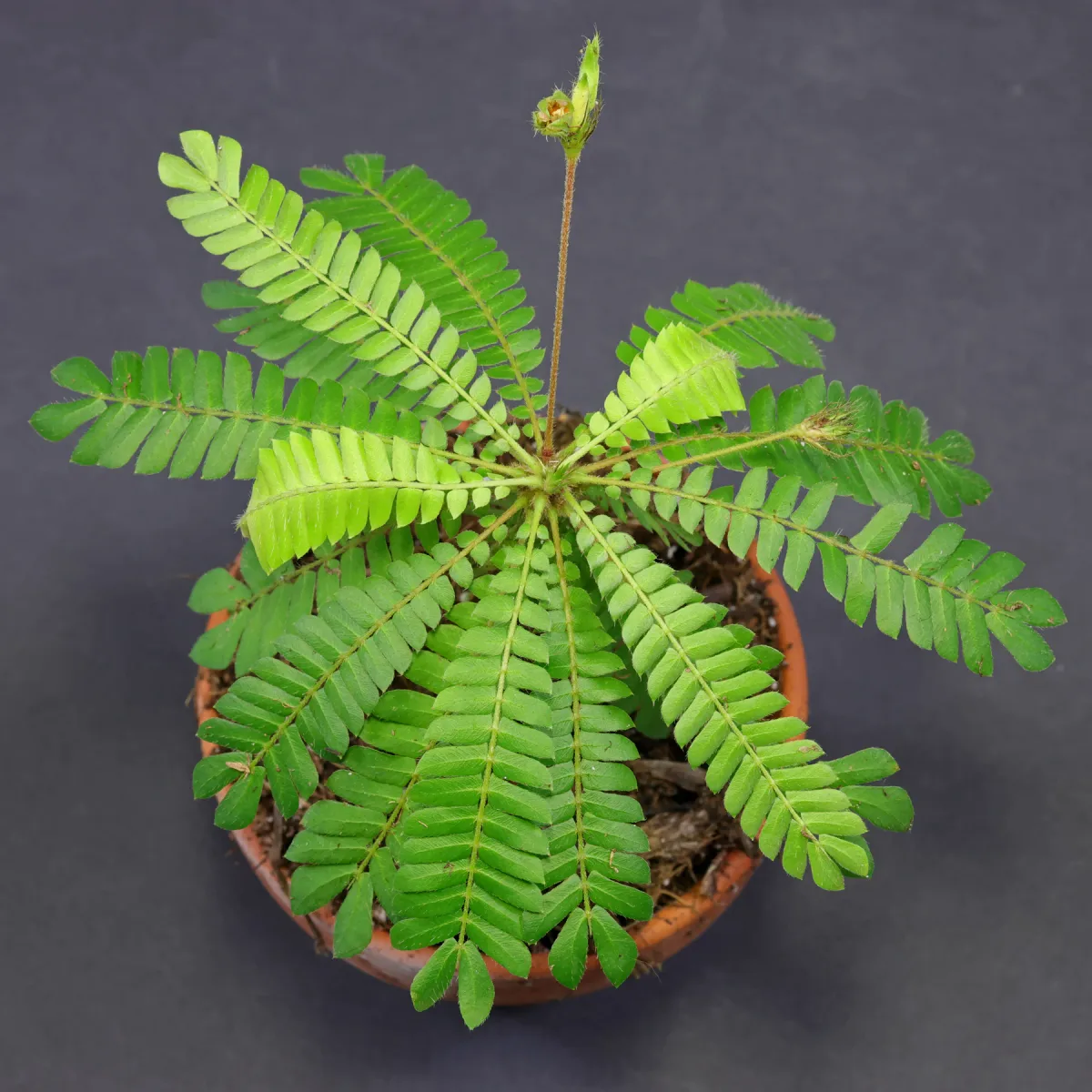
Biophytum sensitivum is a small, soft-stemmed plant reaching 10–30 cm tall. It has compound leaves composed of many small leaflets that fold closed when touched or during darkness, giving it a sensitive, feathery appearance. The flowers are small, yellow, and borne in clusters at the top of the stem. This plant is valued for its unique leaf movement and compact, tree-like form, making it a popular curiosity in indoor collections.
Scientific classification
- Species
- Little Tree Sensitive Plant (Biophytum sensitivum)
- Genus
- Information to be completed
- Family
- Oxalidaceae
- Non-toxic to humans and pets.
- Toxicity
- Houseplants · Foliage
- Plant type
- 0.1 - 0.3 metres
- Height
- 0.1 - 0.3 metres
- Spread
- Evergreen
- Foliage
- Upright
- Habit
- Summer
- Season of interest
- Bright indirect light
- Sunlight
- Information to be completed
- Ideal temperature









Little Tree Sensitive Plant pictures
Distribution of Little Tree Sensitive Plant
Distribution map
- Native
- Introduced
- Cultivated
Source:WCVP v16 · Royal Botanic Gardens, Kew · CC BY 3.0 · Boundaries:WGSRPD / TDWG
Toxicity
Non-toxic to humans and pets.
Little Tree Sensitive Plant care guide
- Keep soil evenly moist
- Watering
- Bright indirect light
- Sunlight

Watering
Keep soil evenly moist
Fertilizing
 Fertilizing
Every 2 weeks during growing season
Pruning
 Pruning
Remove spent flower stalks and any yellowing or dead leaves to encourage fresh growth and maintain a tidy appearance.
Propagation
 Propagation
Propagate by seed sown in spring at 20–25°C; seeds germinate in 2–3 weeks. Stem cuttings can also be taken in spring or summer, rooted in moist peat-sand mix under high humidity. Keep cuttings in bright indirect light and maintain warmth for best success.
Growing
 Growing
Grow Biophytum sensitivum in bright, indirect light; avoid direct sun which can scorch the leaves. Use a well-draining, peat-based potting mix and keep the soil consistently moist but not waterlogged. Maintain high humidity by misting regularly or placing on a humidity tray. Fertilize every two weeks during the growing season with a balanced liquid fertilizer diluted to half strength. In winter, reduce watering slightly and stop fertilizing; protect from temperatures below 15°C.
Common pests and diseases
Diseases
Generally disease-free when grown under proper conditions, but may be susceptible to root rot if overwatered or kept in poorly drained soil.
Pests
Susceptible to aphids, spider mites, and mealybugs, especially in dry indoor air. Regular misting and inspection help prevent infestations.
Explore the plant health library →




