
Chinese sycopsis
Also known as: Information to be completed
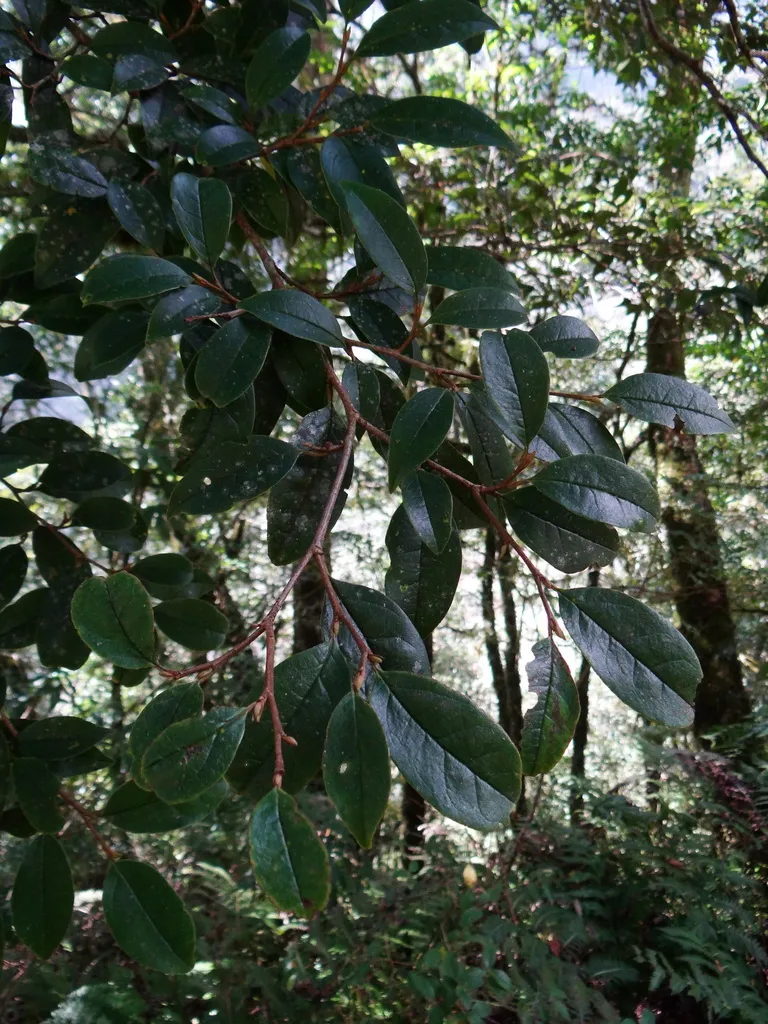
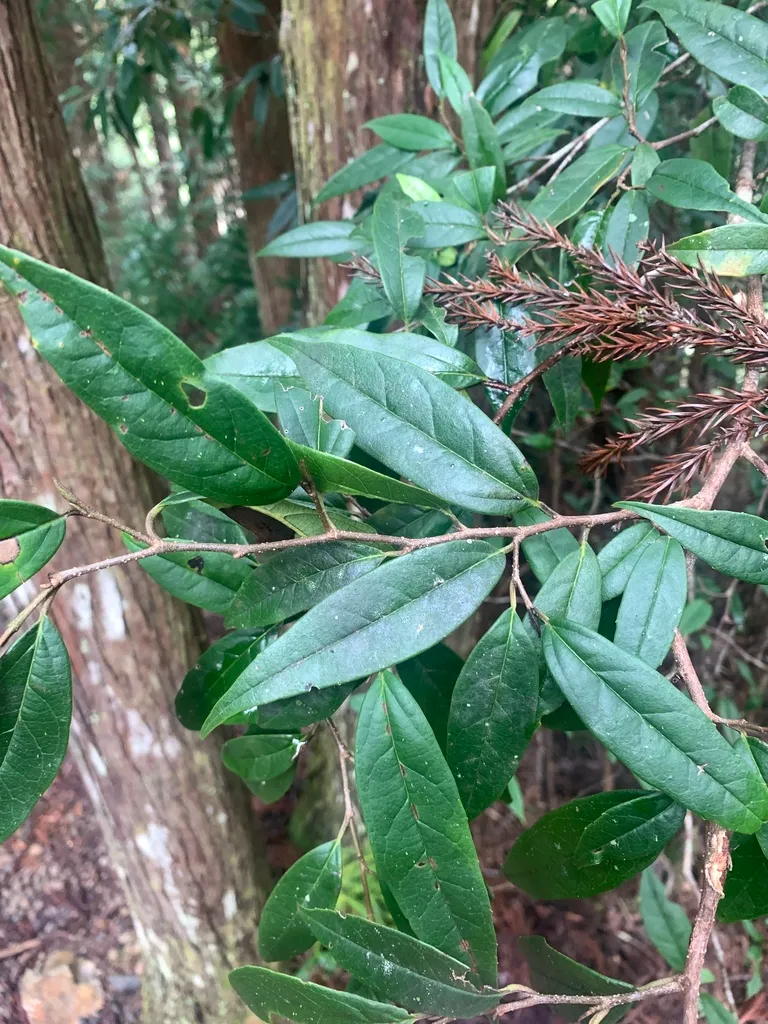
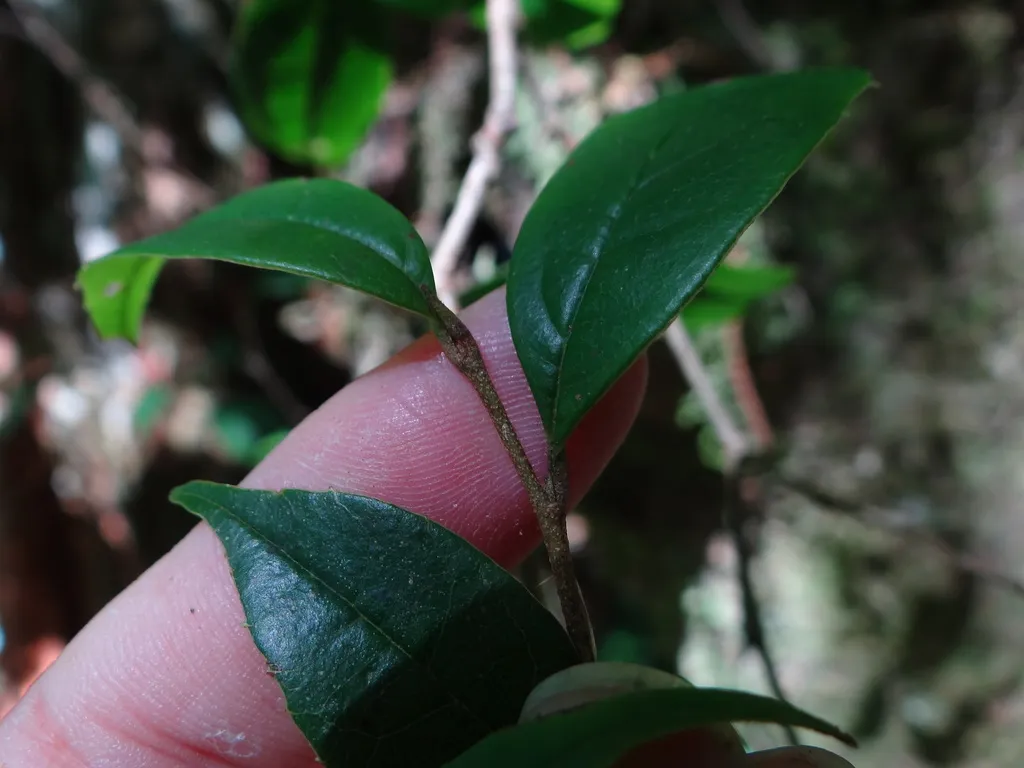
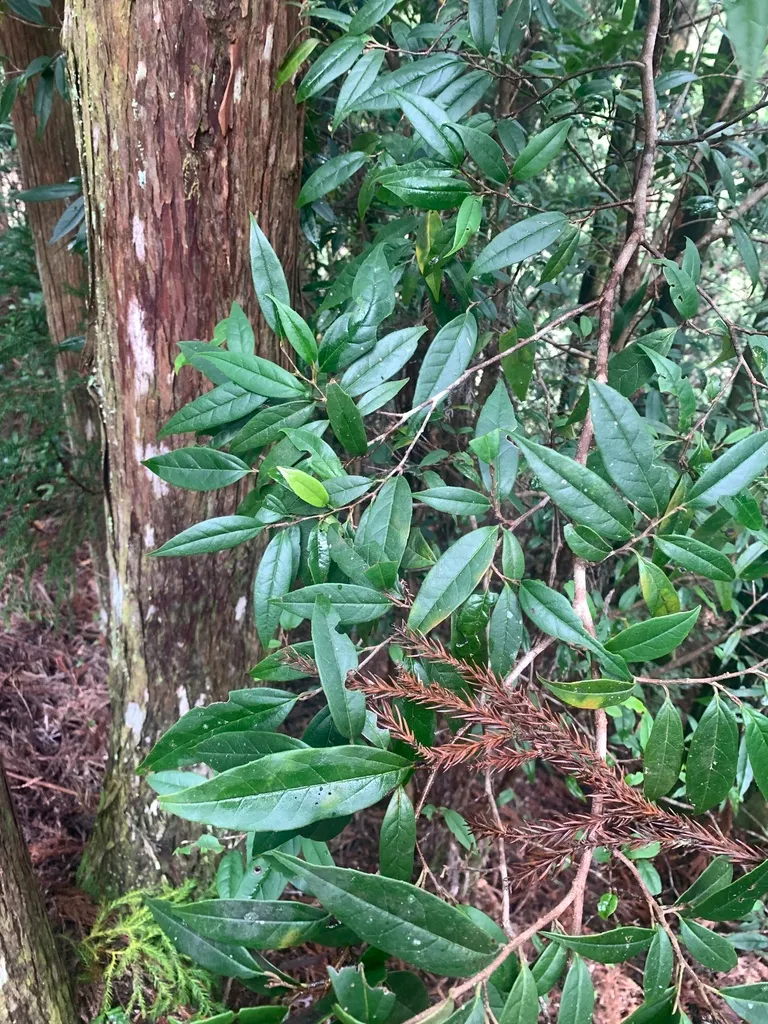
S. sinensis is a large, semi-evergreen shrub with upright branches and dark green, leathery leaves up to 10cm long. In spring, short, dense clusters of brown-felted buds open to reveal petal-less flowers with red anthers and yellow filaments
Scientific classification
- Species
- Chinese sycopsis (Sycopsis sinensis)
- Genus
- Sycopsis
- Family
- Hamamelidaceae
- Information to be completed
- Toxicity
- Shrubs
- Plant type
- 4-8 metres
- Height
- 2.5-4 metres
- Spread
- Semi evergreen
- Foliage
- Bushy
- Habit
- Spring · Summer · Autumn · Winter
- Season of interest
- Full sun · Partial shade
- Sunlight
- Information to be completed
- Ideal temperature









Chinese sycopsis pictures
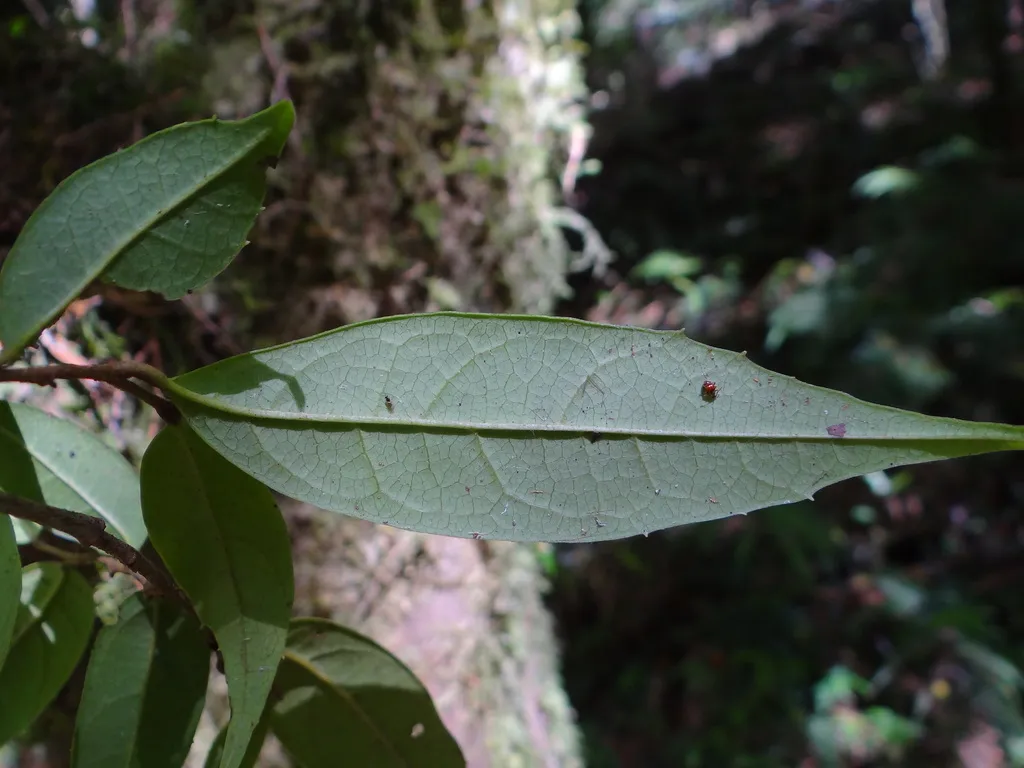
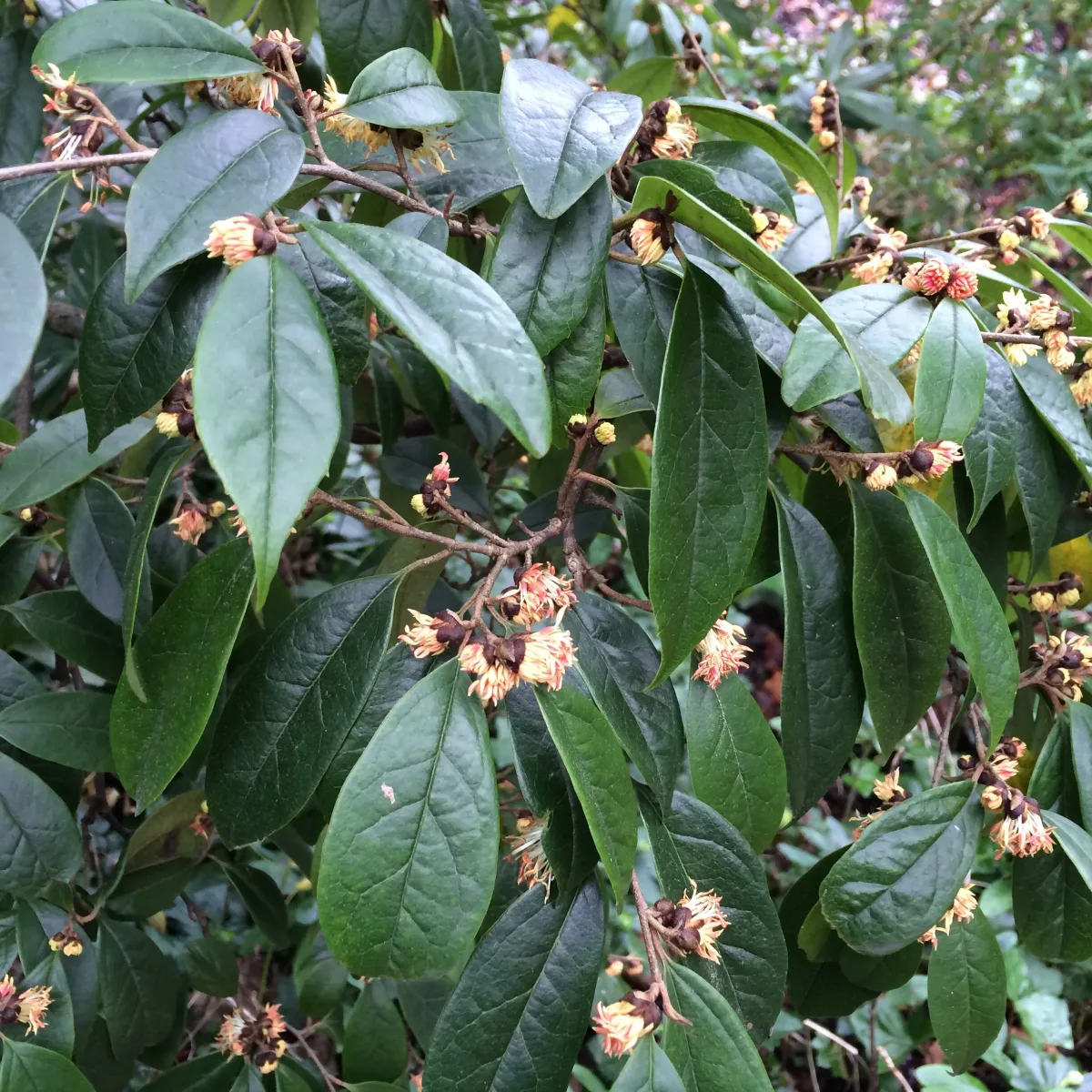
Distribution of Chinese sycopsis
Distribution map
Central China
Information to be completed
Culture
Information to be completed
Toxicity
Information to be completed
Quick identification of Chinese sycopsis
Information to be completed
Chinese sycopsis care guide
- Deep infrequent watering, soak root ball once soil turns dry deep down
- Watering
- Full sun · Partial shade
- Sunlight
- Information to be completed
- Ideal temperature

Watering
Deep infrequent watering, soak root ball once soil turns dry deep down
Fertilizing
 Fertilizing
Woody shrub fertilizer applied once at start of spring growth period
Pruning
 Pruning
Little pruning is needed. Remove diseased, damaged, crowded or crossing shoots and unwanted growth. Timing depends on the plant: generally late winter or early spring; plants prone to bleeding and deciduous magnolias need different timing, and deciduous azaleas and lilacs are pruned after flowering.
Propagation
 Propagation
Propagate by seed sown as soon as ripe, or by semi-ripe cuttings
Growing
 Growing
Grow in moist but well-drained, humus-rich, acid or neutral soil in sun or semi-shade, protected from cold, drying winds
People also ask
Information to be completed
Common pests and diseases
Diseases
Generally disease free
Pests
Generally pest-free
Explore the plant health library →




