
iris 'Rowden Cadenza'
Also known as: Information to be completed
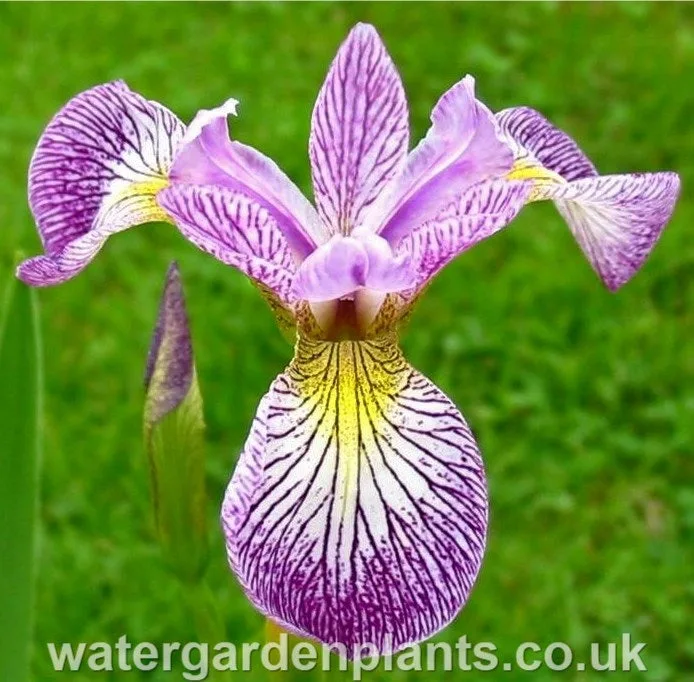
A marginal, deciduous perennial with strap-like mid green leaves and pink to lilac-mauve and white flowers with purple veining and a yellow centre which have an open habit apppearing May to June. Suitable for bog gardens, ponds, lakes and streams
Scientific classification
- Species
- iris 'Rowden Cadenza' (Iris versicolor 'Rowden Cadenza')
- Genus
- Iris
- Family
- Iridaceae
- Order
- Asparagales
- Class
- Liliopsida
- Phylum
- Magnoliophyta
- Harmful if eaten. Wear gloves and other protective equipment when handling
- Toxicity
- Aquatic · Bogs
- Plant type
- 0.5-1 metres
- Height
- 0.1-0.5 metres
- Spread
- Deciduous
- Foliage
- Clump forming · Columnar upright
- Habit
- Spring · Summer · Autumn
- Season of interest
- Full sun
- Sunlight
- Information to be completed
- Ideal temperature









iris 'Rowden Cadenza' pictures
Toxicity
Harmful if eaten. Wear gloves and other protective equipment when handling
iris 'Rowden Cadenza' care guide
- Keep root zone evenly moist through growth without stagnant water
- Watering
- Full sun
- Sunlight

Watering
Keep root zone evenly moist through growth without stagnant water
Fertilizing
 Fertilizing
Balanced iris feed every three weeks in active spring and summer growth
Pruning
 Pruning
Remove any dying foliage in autumn, old flower stems can be cut down after flowering
Propagation
 Propagation
Propagate by dividing iris rhizomes from midsummer to early autumn. See dividing irises
Growing
 Growing
Plant in heavy clay or loam soil or a specialist aquatic soil in baskets or planting bags. Water depth should be between 0 and 10cm over the rhizome. Suitable for bog gardens, ponds, streams, ditches, swimming pools, patio water-gardening or any poorly drained area of the garden. See pond plants for further advice
Common pests and diseases
Diseases
May be susceptible to aphid-borne viruses, bacterial soft rot and grey moulds; see Iris diseases
Pests
May be susceptible to slugs and snails
Explore the plant health library →




