
sweet mace
Also known as: death flower; sweet-scented marigold; sweet-scented Mexican marigold
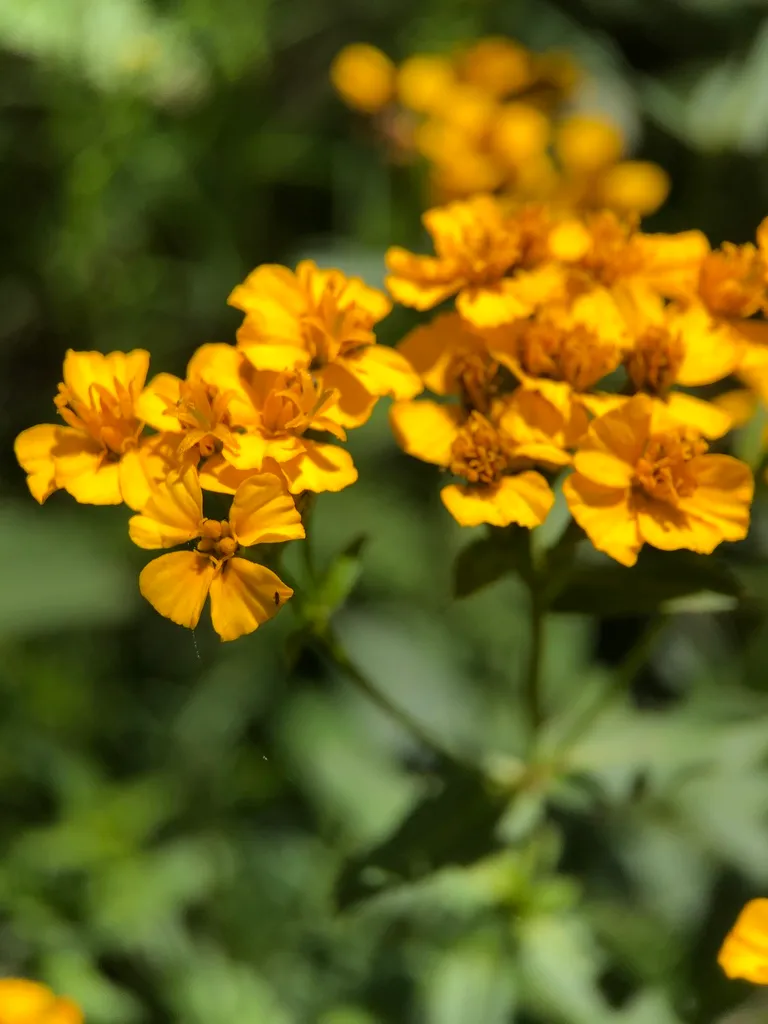
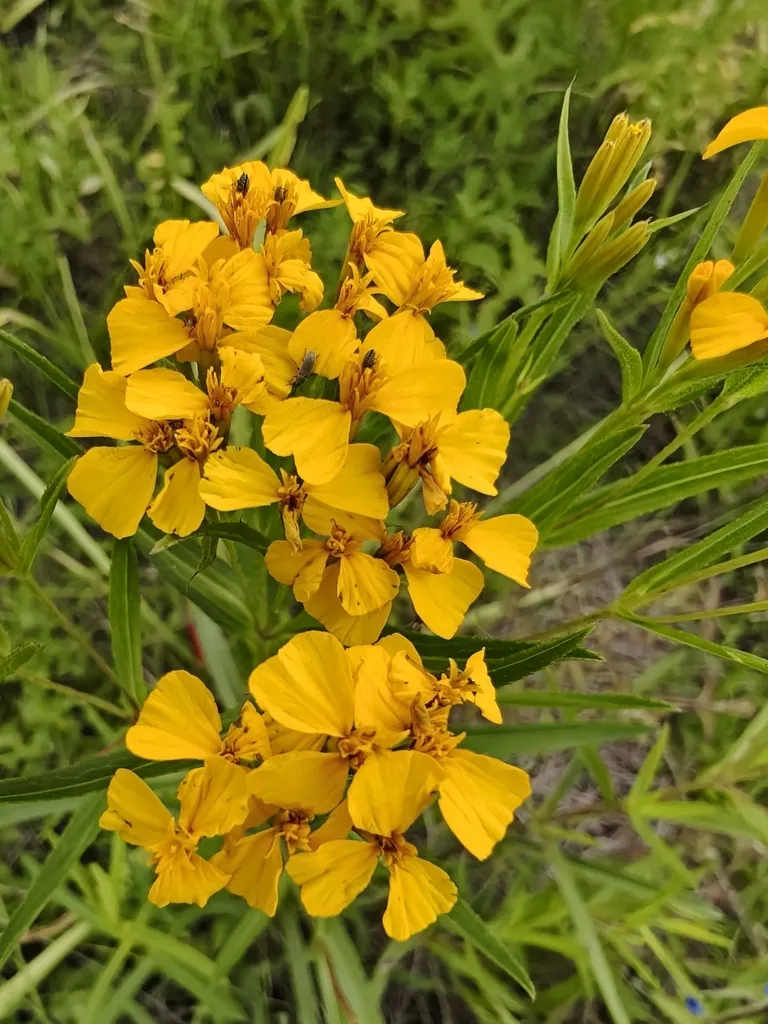
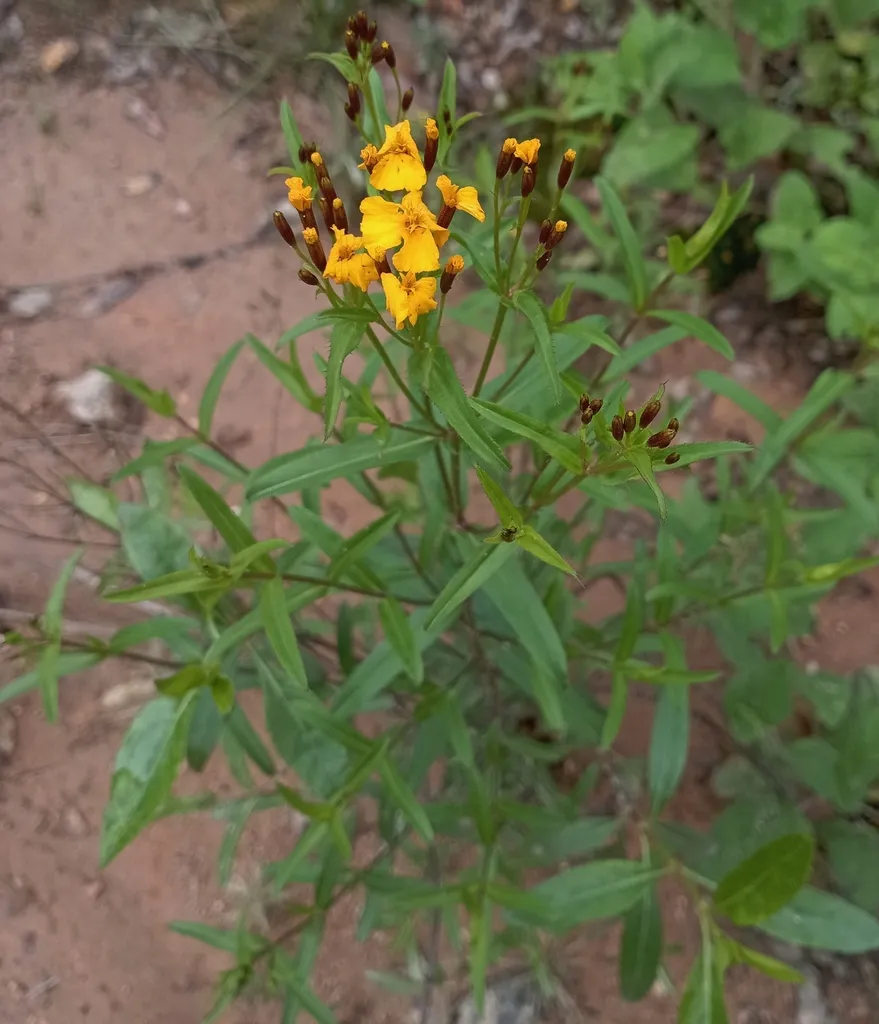
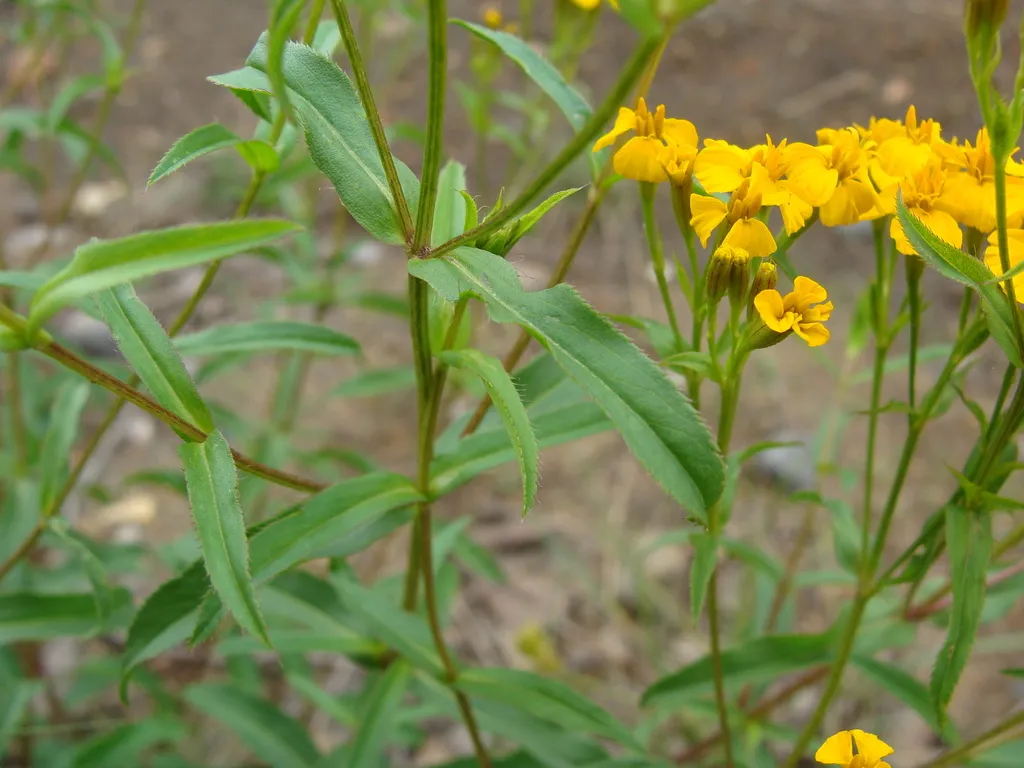
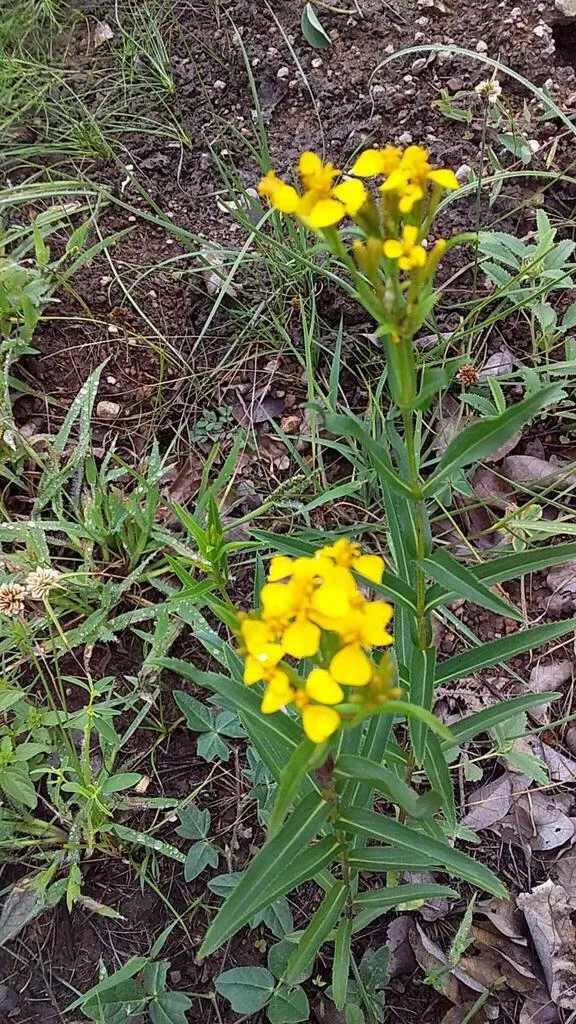
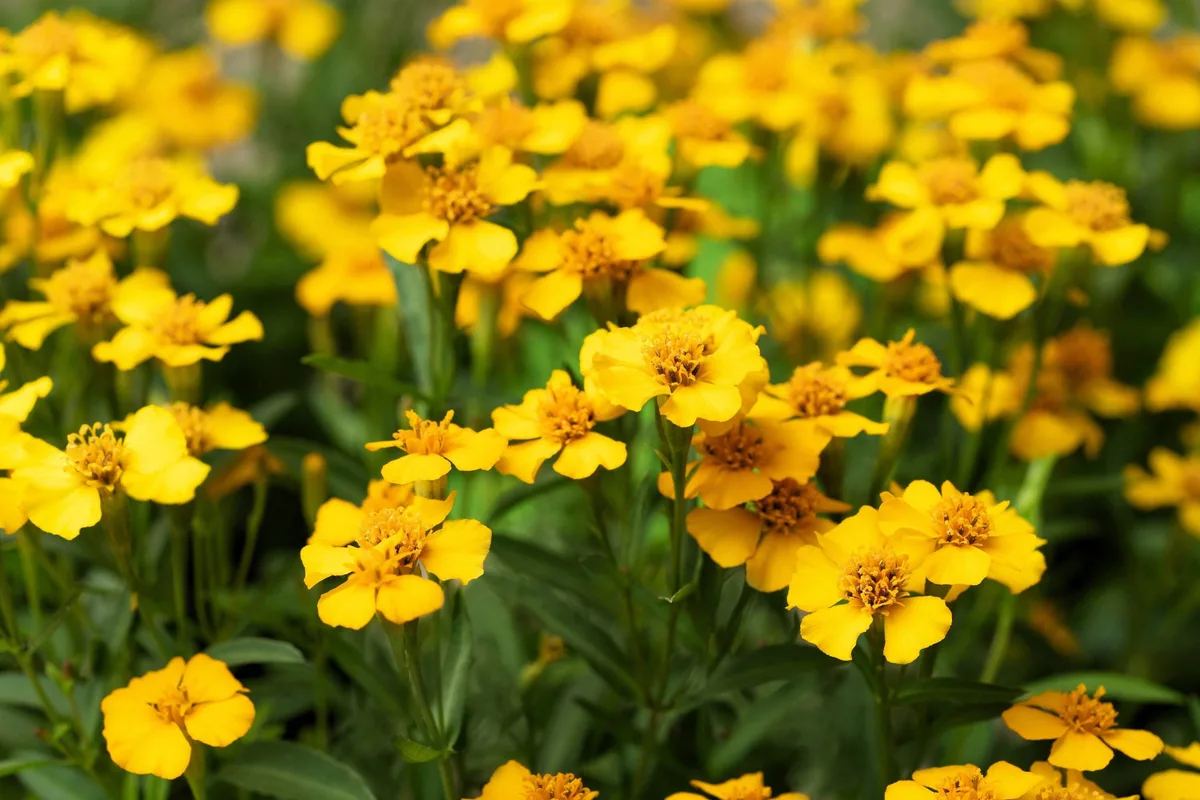
T. lucida is a tender, bushy perennial, often grown as an annual, up to 75cm high. Its aromatic, glossy green, linear leaves, to 7.5cm long, are used as a tarragon substitute in Mexican cooking. Clusters of small, golden-yellow flowers are borne in late summer and autumn
Scientific classification
- Species
- sweet mace (Tagetes lucida)
- Genus
- Tagetes
- Family
- Asteraceae
- Leaves may cause skin irritation. Wear gloves and other protective equipment when handling
- Toxicity
- Herbaceous Perennial · Herbs - Culinary
- Plant type
- 0.5-1 metres
- Height
- 0.1-0.5 metres
- Spread
- Deciduous
- Foliage
- Bushy
- Habit
- Spring · Summer · Autumn
- Season of interest
- Full sun
- Sunlight
- Information to be completed
- Ideal temperature









sweet mace pictures
Distribution of sweet mace
Distribution map
- Native
- Introduced
- Cultivated
Source:WCVP v16 · Royal Botanic Gardens, Kew · CC BY 3.0 · Boundaries:WGSRPD / TDWG
Culture
Information to be completed
Toxicity
Leaves may cause skin irritation. Wear gloves and other protective equipment when handling
Quick identification of sweet mace
Information to be completed
sweet mace care guide
- Moderate regular watering, allowing brief slight drying between soakings
- Watering
- Full sun
- Sunlight
- Information to be completed
- Ideal temperature

Watering
Moderate regular watering, allowing brief slight drying between soakings
Fertilizing
 Fertilizing
Balanced perennial feed every four weeks from spring through summer
Pruning
 Pruning
Cut back after flowering
Propagation
 Propagation
Propagate by seed
Growing
 Growing
Grow in a well-drained soil in full sun; protect from frost if grown as a perennial
People also ask
Information to be completed
Common pests and diseases
Diseases
Generally trouble free
Pests
May be affected by glasshouse red spider mite, slugs and snails
Explore the plant health library →




