
costmary
Also known as: alecost; beaver tongue; Bible leaf; bitter buttons; camphor plant; cologne plant; cost; costermary; lady's balsam; lady's flower; lady's herb; mace; mint geranium; Patagonian mint; tongue plant; sweet Mary
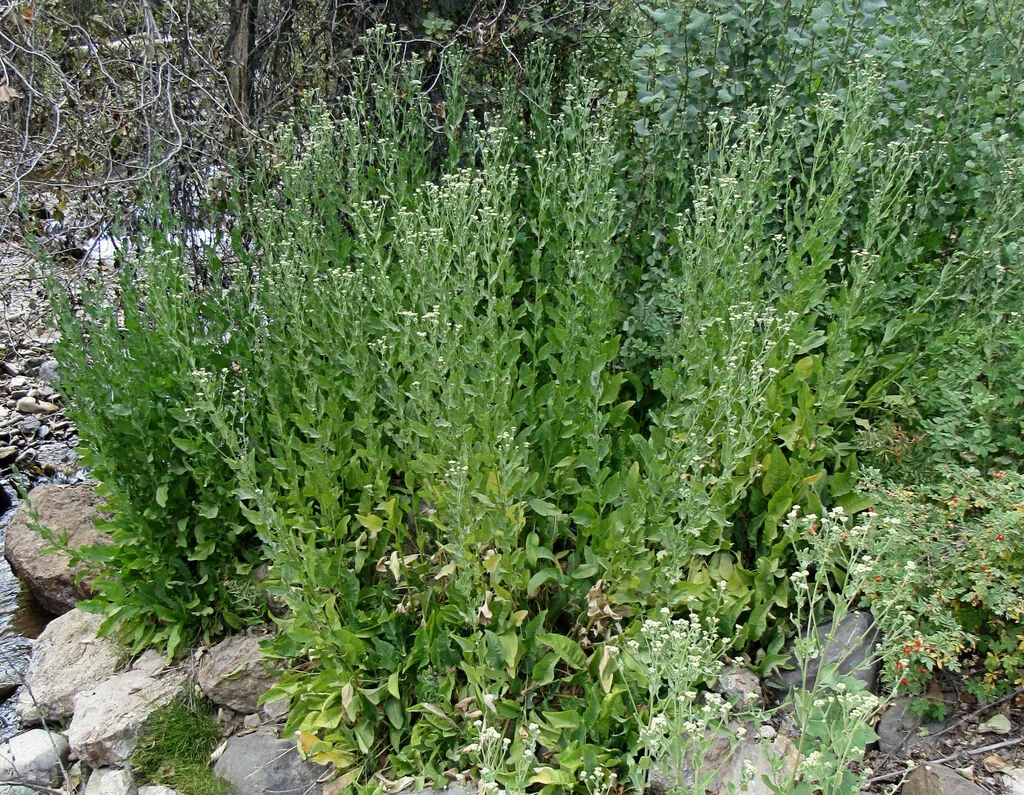
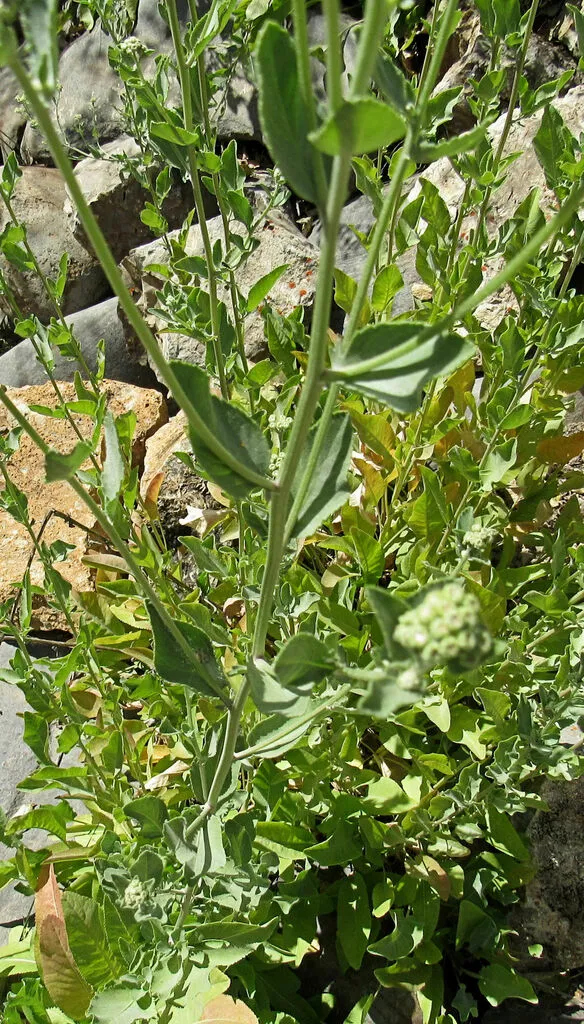
A spreading, woody-based perennial with balsam-scented, oblong, grey-green leaves and loose corymbs of small, daisy-like flowers with yellow disk florets and short white rays, in late summer and early autumn
Scientific classification
- Species
- costmary (Tanacetum balsamita)
- Genus
- Tanacetum
- Family
- Asteraceae
- Order
- Asterales
- Class
- Magnoliopsida
- Phylum
- Magnoliophyta
- Contact may irritate the skin. Wear gloves and other protective equipment when handling
- Toxicity
- Herbaceous Perennial
- Plant type
- 0.5-1 metres
- Height
- 0.1-0.5 metres
- Spread
- Deciduous
- Foliage
- Bushy
- Habit
- Summer · Autumn
- Season of interest
- Full sun · Partial shade
- Sunlight
- Information to be completed
- Ideal temperature









costmary pictures
Distribution of costmary
Distribution map
- Native
- Introduced
- Cultivated
Source:WCVP v16 · Royal Botanic Gardens, Kew · CC BY 3.0 · Boundaries:WGSRPD / TDWG
Toxicity
Contact may irritate the skin. Wear gloves and other protective equipment when handling
costmary care guide
- Moderate regular watering, allowing brief slight drying between soakings
- Watering
- Full sun · Partial shade
- Sunlight

Watering
Moderate regular watering, allowing brief slight drying between soakings
Fertilizing
 Fertilizing
Balanced perennial feed every four weeks from spring through summer
Pruning
 Pruning
Cut back after flowering
Propagation
 Propagation
Propagate by seed or semi-hardwood cuttings in summer
Growing
 Growing
Grow in any light, well-drained soil in full sun or partial shade for leafier growth
Common pests and diseases
Diseases
Generally disease free
Pests
May be attacked by aphids, leaf and bud eelworms and leaf-mining flies
Explore the plant health library →




