
feverfew
Also known as: bachelor's buttons (double form); maids; maithes; pale maids; pellitory
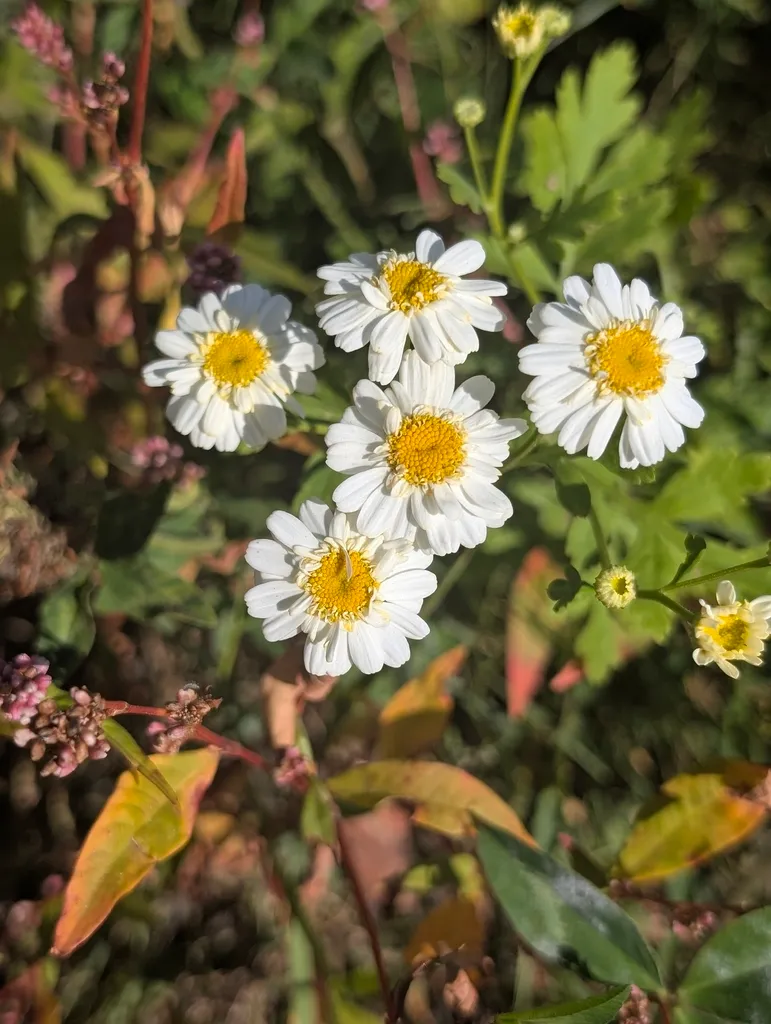
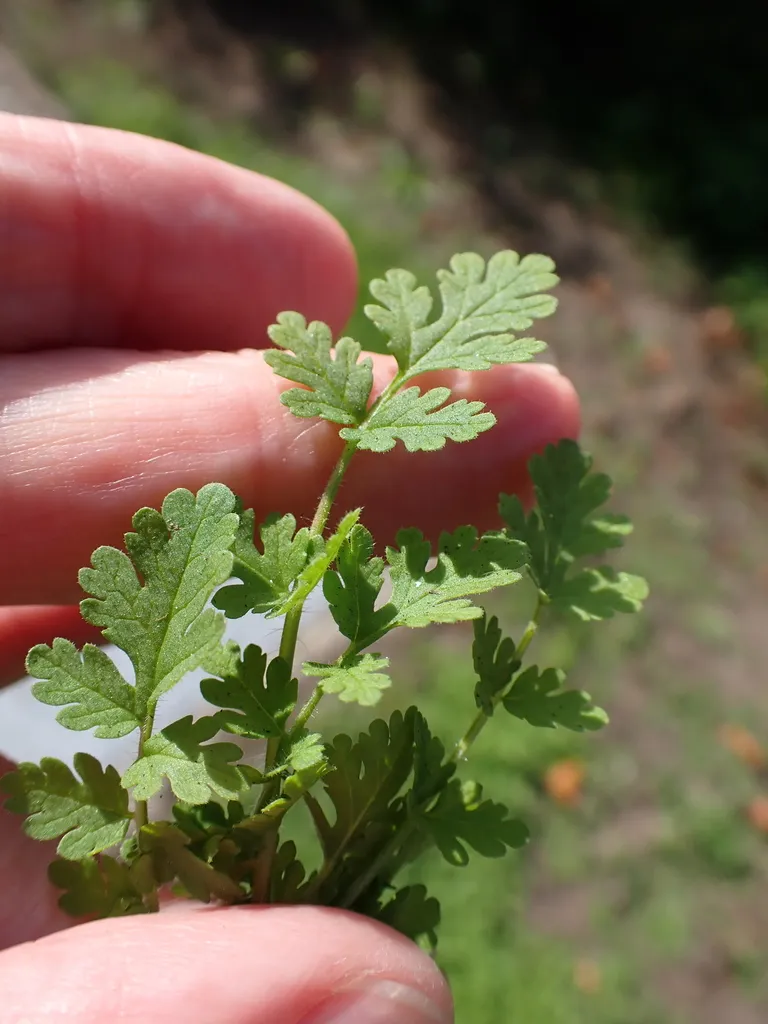
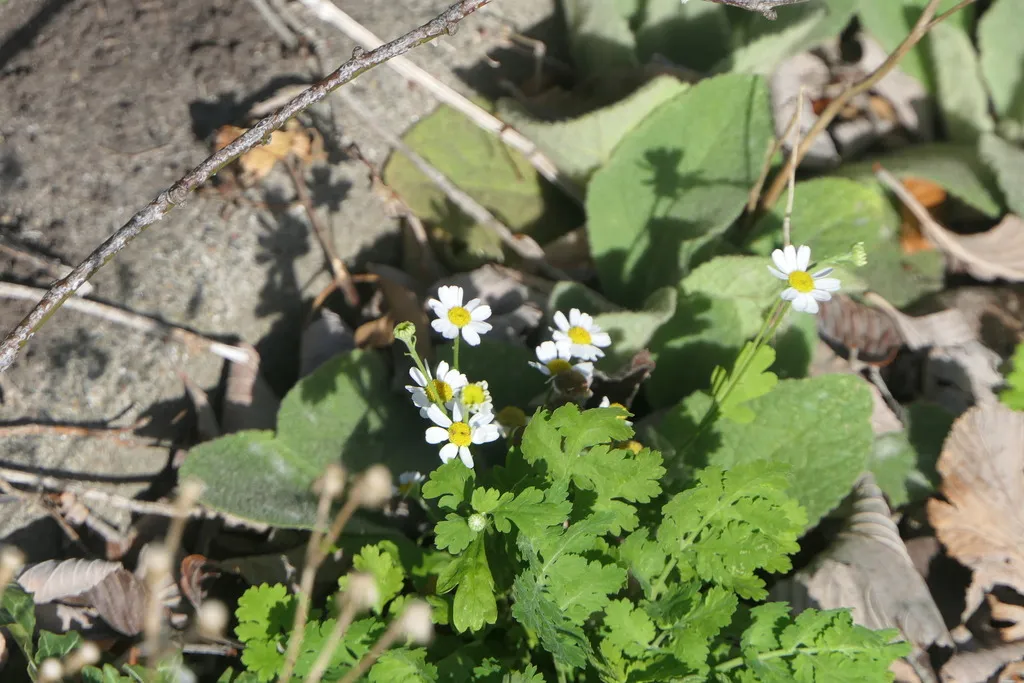
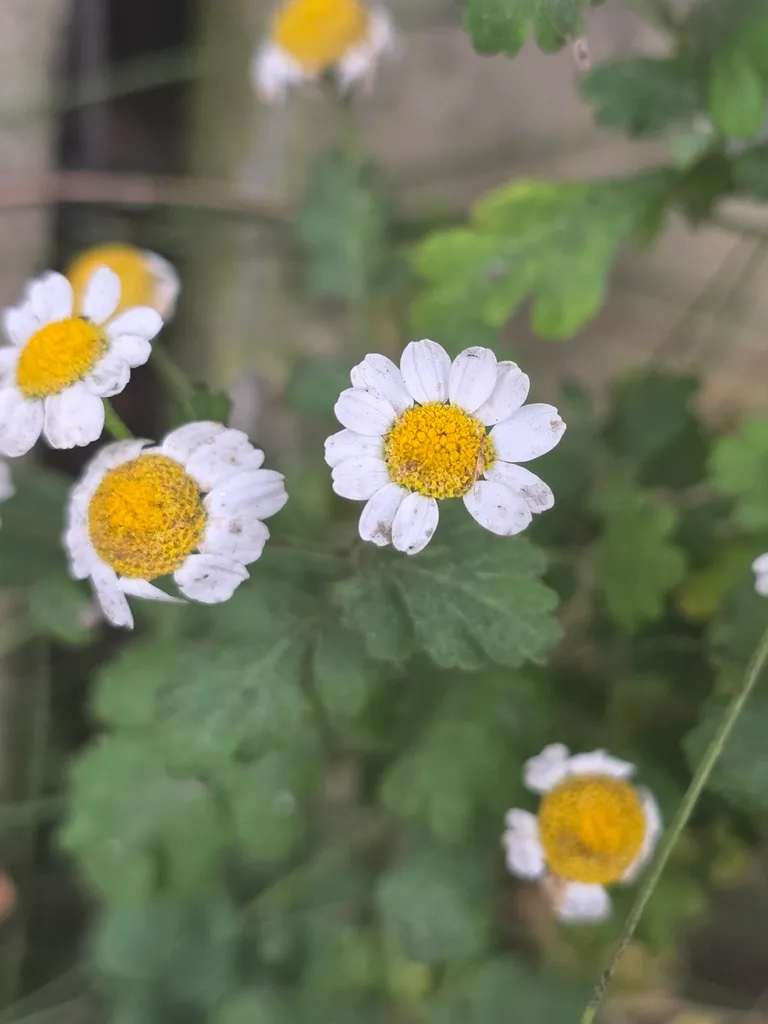
T. parthenium is a short-lived bushy perennial with pungently aromatic, ovate, pinnately lobed leaves and daisy-like flowerheads 2.5cm across, with white rays and yellow disk florets in summer
Scientific classification
- Species
- feverfew (Tanacetum parthenium)
- Genus
- Tanacetum
- Family
- Asteraceae
- Order
- Asterales
- Class
- Magnoliopsida
- Phylum
- Magnoliophyta
- Contact may irritate the skin. Wear gloves and other protective equipment when handling
- Toxicity
- Herbs - Culinary · Herbaceous Perennial
- Plant type
- 0.1-0.5 metres
- Height
- 0.1-0.5 metres
- Spread
- Deciduous
- Foliage
- Bushy
- Habit
- Spring · Summer · Autumn
- Season of interest
- Full sun
- Sunlight
- Information to be completed
- Ideal temperature









feverfew pictures
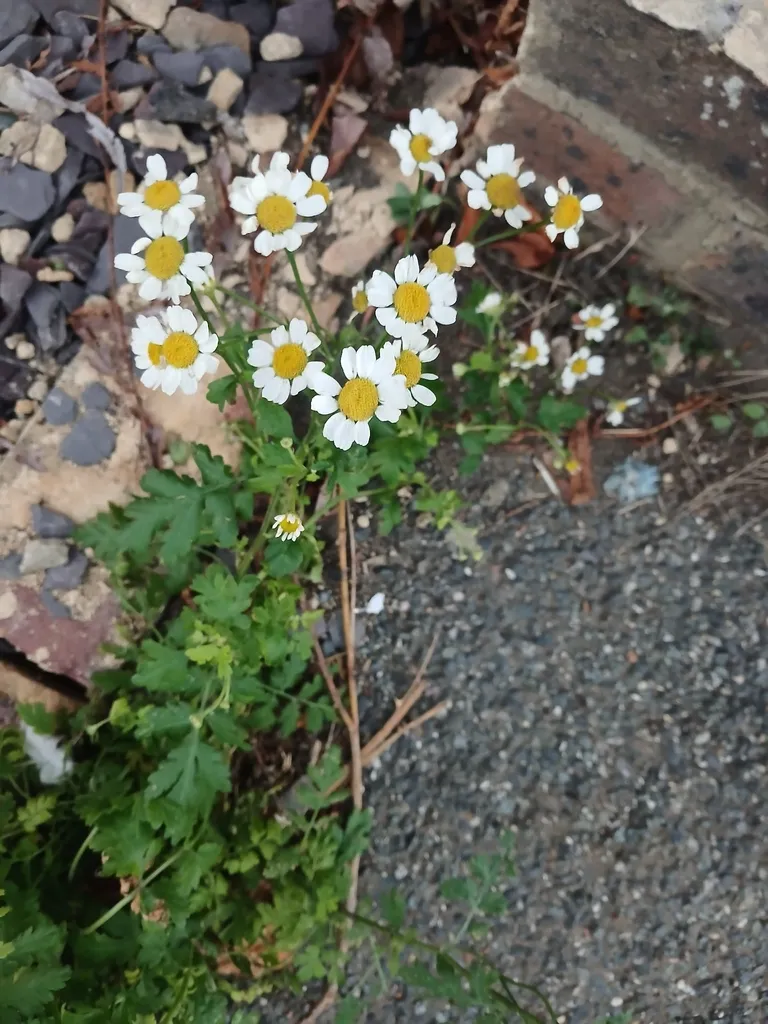
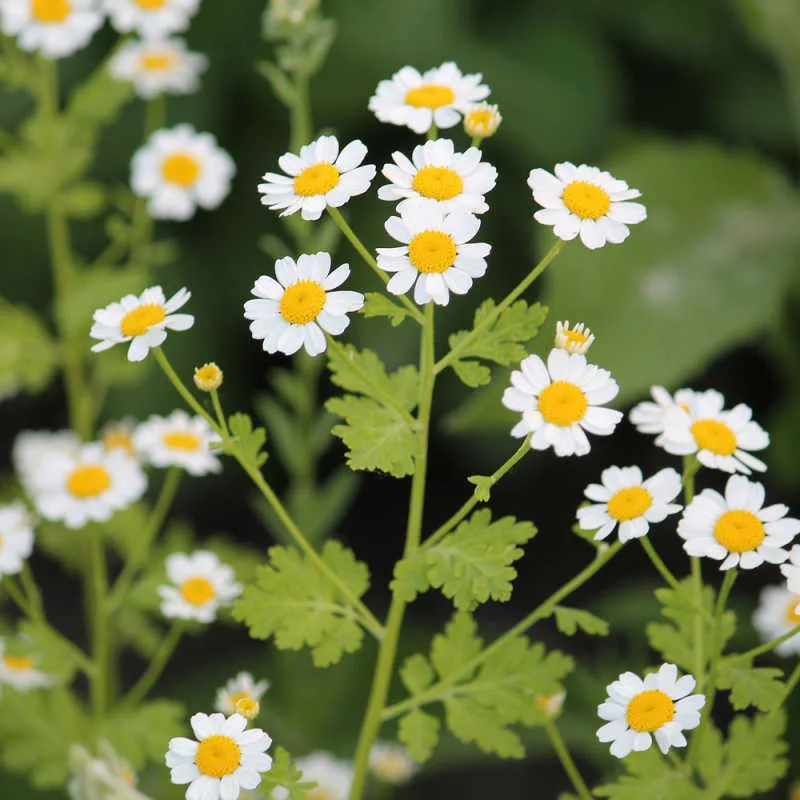
Distribution of feverfew
Distribution map
- Native
- Introduced
- Cultivated
Source:WCVP v16 · Royal Botanic Gardens, Kew · CC BY 3.0 · Boundaries:WGSRPD / TDWG
Toxicity
Contact may irritate the skin. Wear gloves and other protective equipment when handling
feverfew care guide
- Moderate regular watering, allowing brief slight drying between soakings
- Watering
- Full sun
- Sunlight

Watering
Moderate regular watering, allowing brief slight drying between soakings
Fertilizing
 Fertilizing
Balanced perennial feed every four weeks from spring through summer
Pruning
 Pruning
Cut back after flowering. Deadhead to prevent excessive self-seeding
Propagation
 Propagation
Propagate by seed sown in situ in spring, division or take basal cuttings
Growing
 Growing
Grow in any light, well-drained soil in full sun. Will not tolerate heavy, wet soils
Common pests and diseases
Diseases
Generally disease free
Pests
May be attacked by aphids, leaf and bud eelworms and leaf-mining flies
Explore the plant health library →




