
yellow ox eye
Also known as: heart-leaved ox eye; ox eye daisy
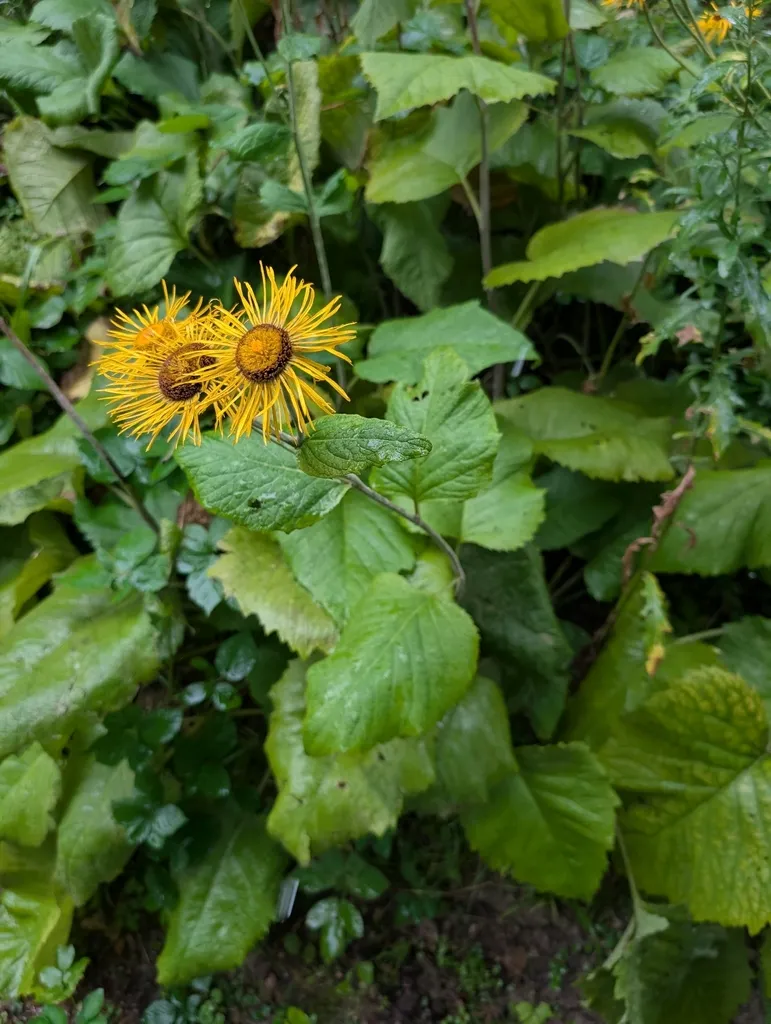
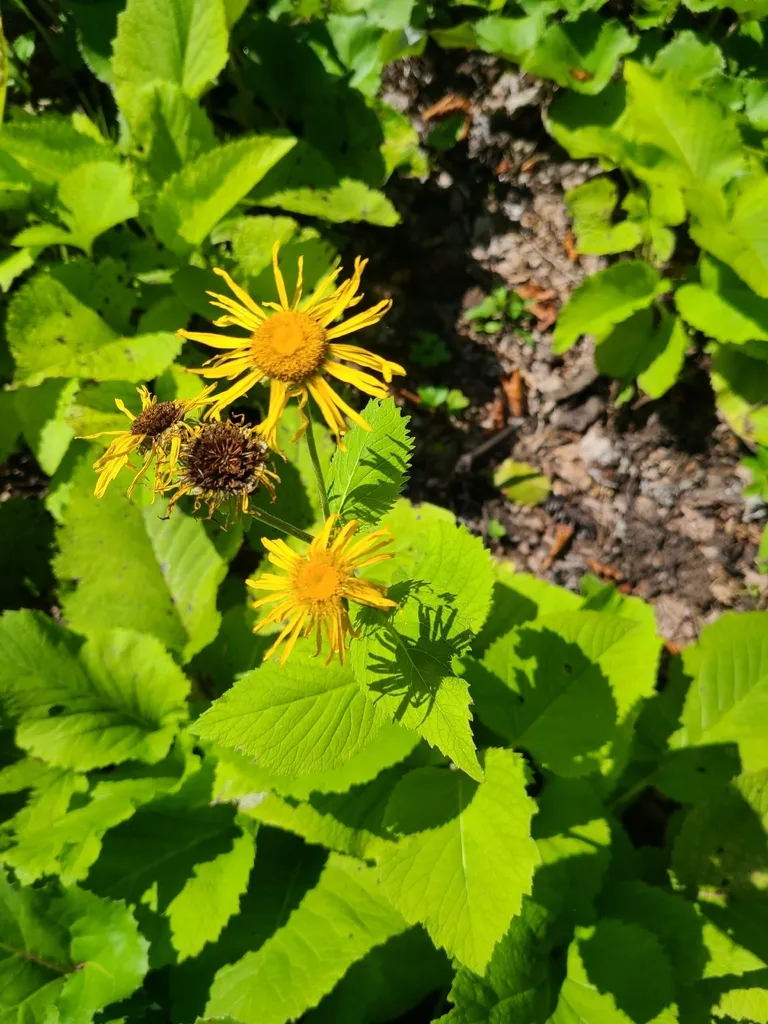
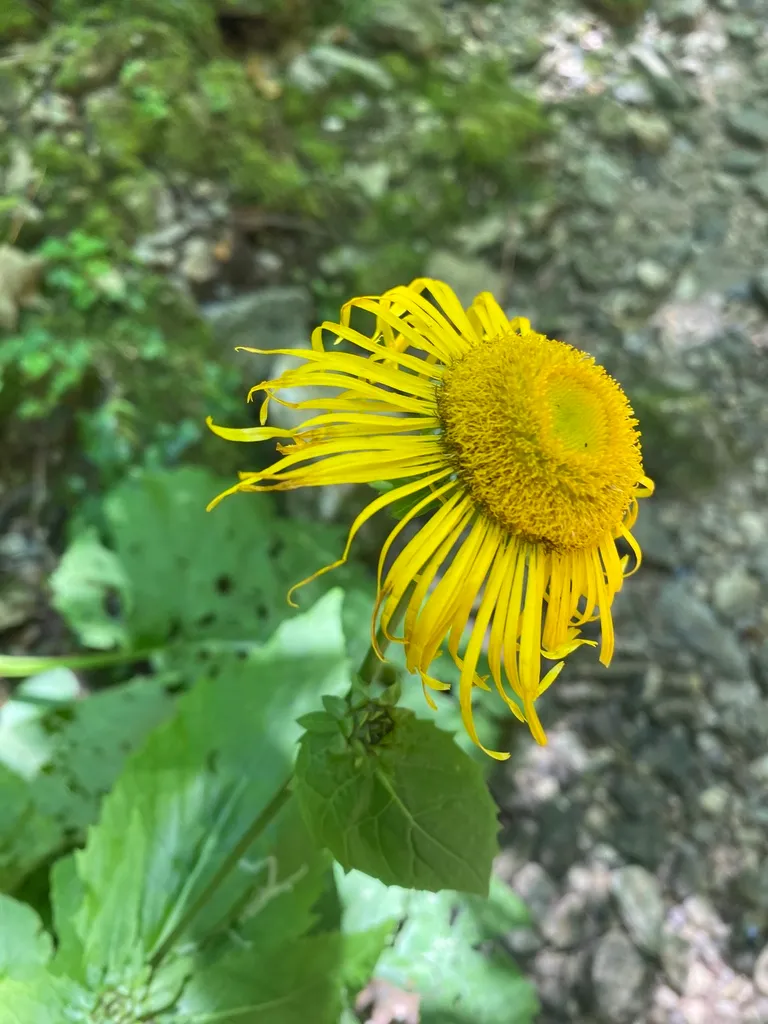
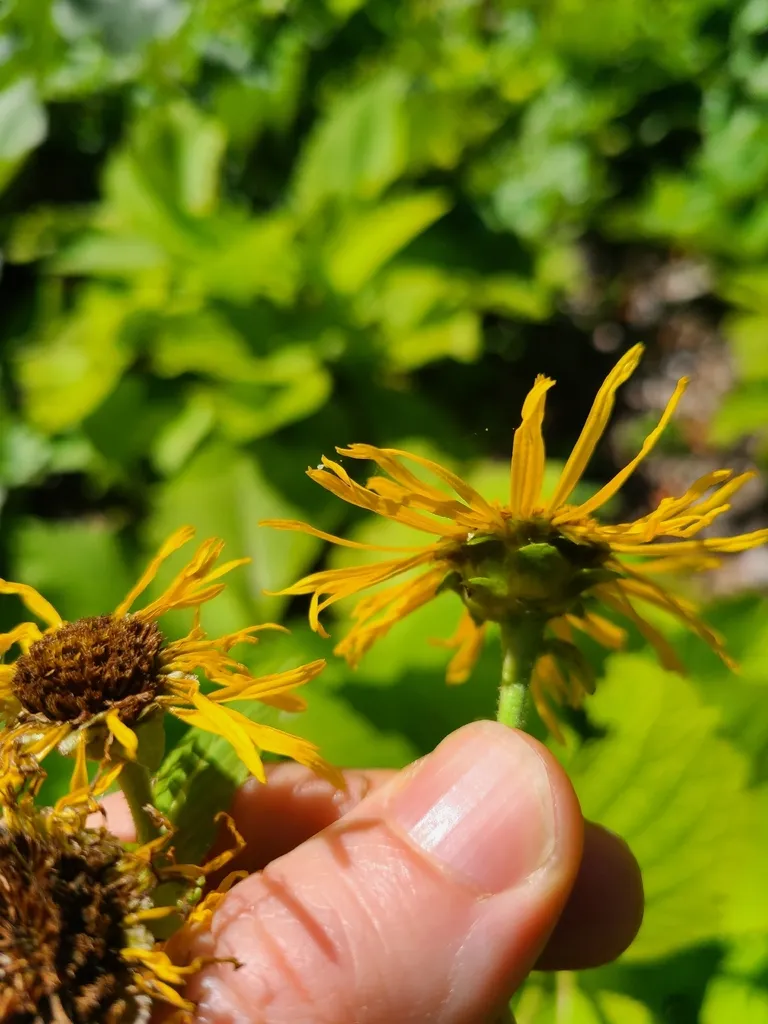
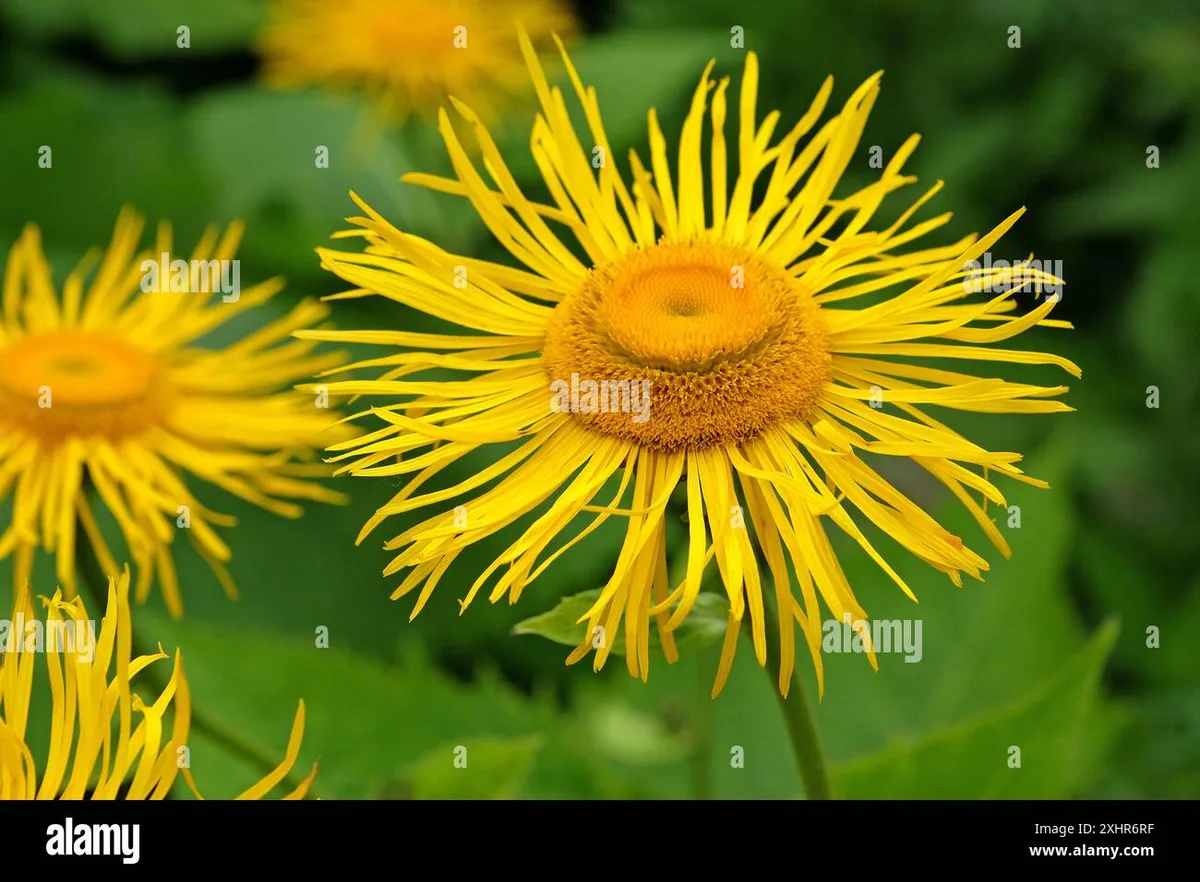
T. speciosa is a tall, herbaceous perennial to 2m with broadly oval to heart-shaped, aromatic leaves. Branched sprays of shaggy, yellow, daisy-like flowers are produced in late summer and early autumn
Scientific classification
- Species
- yellow ox eye (Telekia speciosa)
- Genus
- Telekia
- Family
- Asteraceae
- Order
- Asterales
- Class
- Magnoliopsida
- Phylum
- Magnoliophyta
- Information to be completed
- Toxicity
- Herbaceous Perennial
- Plant type
- 1.5-2.5 metres
- Height
- 0.5-1 metres
- Spread
- Deciduous
- Foliage
- Bushy
- Habit
- Spring · Summer · Autumn
- Season of interest
- Partial shade
- Sunlight
- Information to be completed
- Ideal temperature









yellow ox eye pictures

Distribution of yellow ox eye
Distribution map
- Native
- Introduced
- Cultivated
Source:WCVP v16 · Royal Botanic Gardens, Kew · CC BY 3.0 · Boundaries:WGSRPD / TDWG
yellow ox eye care guide
- Steady mild soil moisture, tolerates damp garden ground well
- Watering
- Partial shade
- Sunlight

Watering
Steady mild soil moisture, tolerates damp garden ground well
Fertilizing
 Fertilizing
Diluted perennial feed every three warm growing weeks
Pruning
 Pruning
Cut flowering stems down once the flowers have faded
Propagation
 Propagation
Propagate by seed sown in containers as soon as ripe, or by division in spring
Growing
 Growing
Grow in moist, not too fertile soil in partial shade with shelter from strong wind
Common pests and diseases
Diseases
Generally problem free
Pests
Young leaves may be damaged by slugs
Explore the plant health library →




