
iris 'Black Tie Affair'
Also known as: Information to be completed
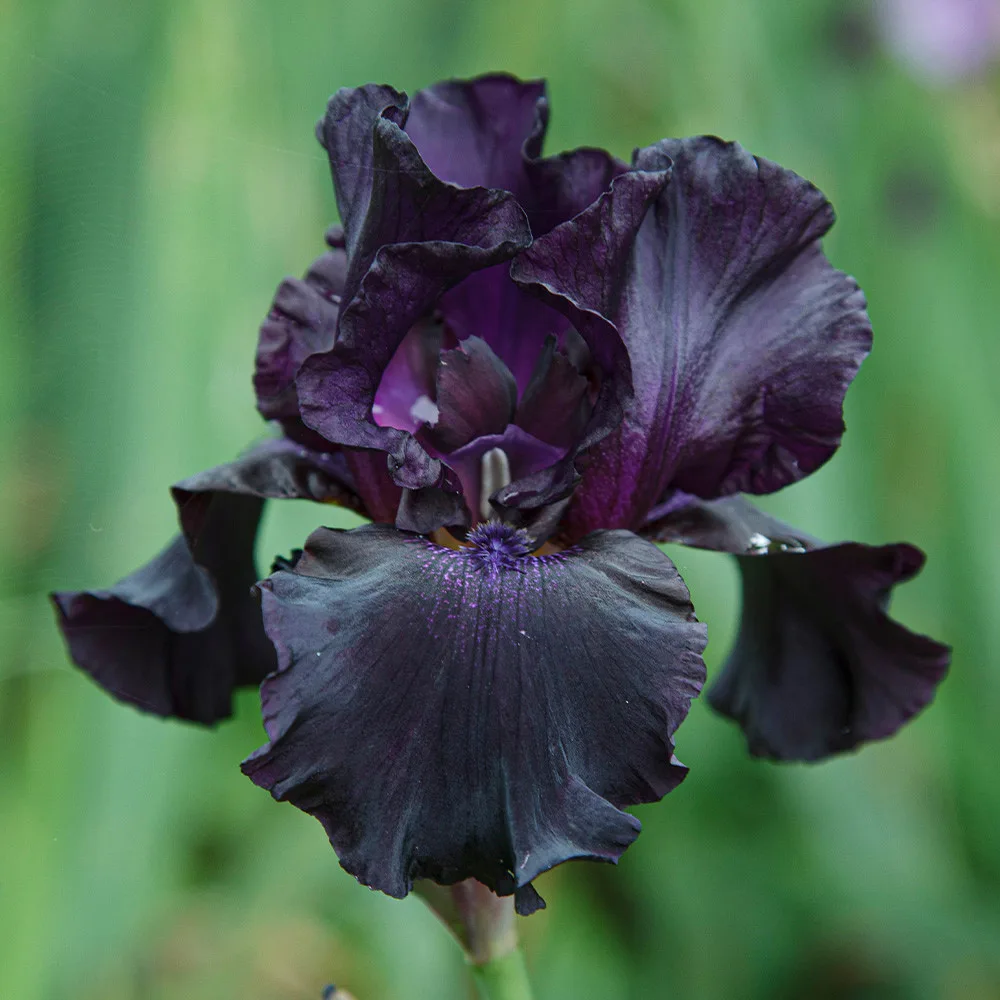
A rhizomatous perennial to 90cm tall with fans of slender grey-green leaves and ruffled lightly scented flowers, the standards and falls the darkest purplish-black, the deep inky colour of the falls is the most intense, with a dark blue-black beard, in late spring and early summer
Scientific classification
- Species
- iris 'Black Tie Affair' (Iris 'Black Tie Affair')
- Genus
- Iris
- Family
- Iridaceae
- Order
- Asparagales
- Class
- Liliopsida
- Phylum
- Magnoliophyta
- Harmful if eaten. Wear gloves and other protective equipment when handling
- Toxicity
- Herbaceous Perennial
- Plant type
- 0.5-1 metres
- Height
- 0.1-0.5 metres
- Spread
- Deciduous
- Foliage
- Clump forming
- Habit
- Spring · Summer · Autumn
- Season of interest
- Full sun
- Sunlight
- Information to be completed
- Ideal temperature









iris 'Black Tie Affair' pictures
Toxicity
Harmful if eaten. Wear gloves and other protective equipment when handling
iris 'Black Tie Affair' care guide
- Water moderately, let surface dry slightly between irrigations
- Watering
- Full sun
- Sunlight

Watering
Water moderately, let surface dry slightly between irrigations
Fertilizing
 Fertilizing
Low nitrogen feed in spring before and after bloom
Pruning
 Pruning
Cut down old flower stems after flowering, and remove any dying foliage in autumn
Propagation
 Propagation
Propagate by division of rhizomes after flowering, from midsummer to late summer; for more advice, see dividing irises
Growing
 Growing
Plant in full sun in well-drained soil, and with the top surfaces of the rhizomes exposed so that they bake in summer sun, which encourages flowering. See also bearded iris cultivation
Common pests and diseases
Diseases
May be susceptible to aphid-borne viruses, bacterial soft rot and grey moulds; see Iris diseases
Pests
May be susceptible to slugs, snails and thrips
Explore the plant health library →




