
wood sage
Also known as: garlic germander; garlic sage; hind-heal; mountain sage; wood germander
A woodland native with nearly evergreen, sage-like green leaves. The flower spikes consist of small, pale green flowers in summer which are rich in nectar
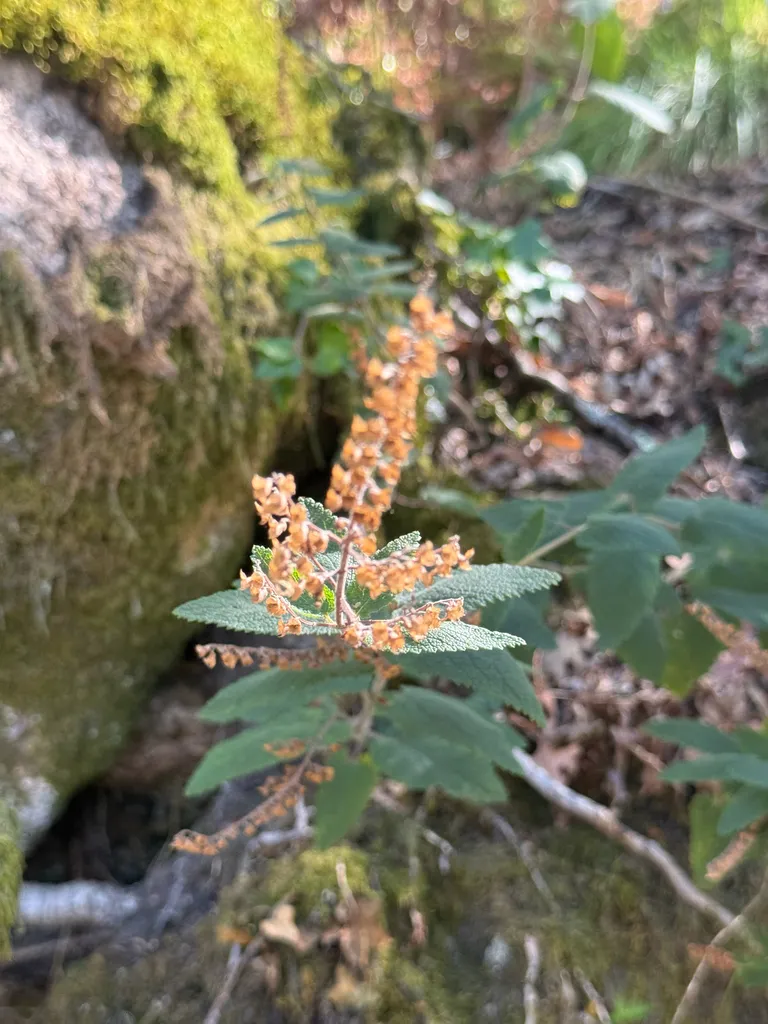
Scientific classification
- Species
- wood sage (Teucrium scorodonia)
- Genus
- Teucrium
- Family
- Lamiaceae
- Harmful if eaten. Wear gloves and other protective equipment when handling LJD
- Toxicity
- Herbaceous Perennial · Shrubs
- Plant type
- 0.5-1 metres
- Height
- 0.5-1 metres
- Spread
- Semi evergreen · Evergreen
- Foliage
- Clump forming · Bushy
- Habit
- Spring · Summer · Autumn · Winter
- Season of interest
- Partial shade · Full shade
- Sunlight
- Information to be completed
- Ideal temperature









wood sage pictures
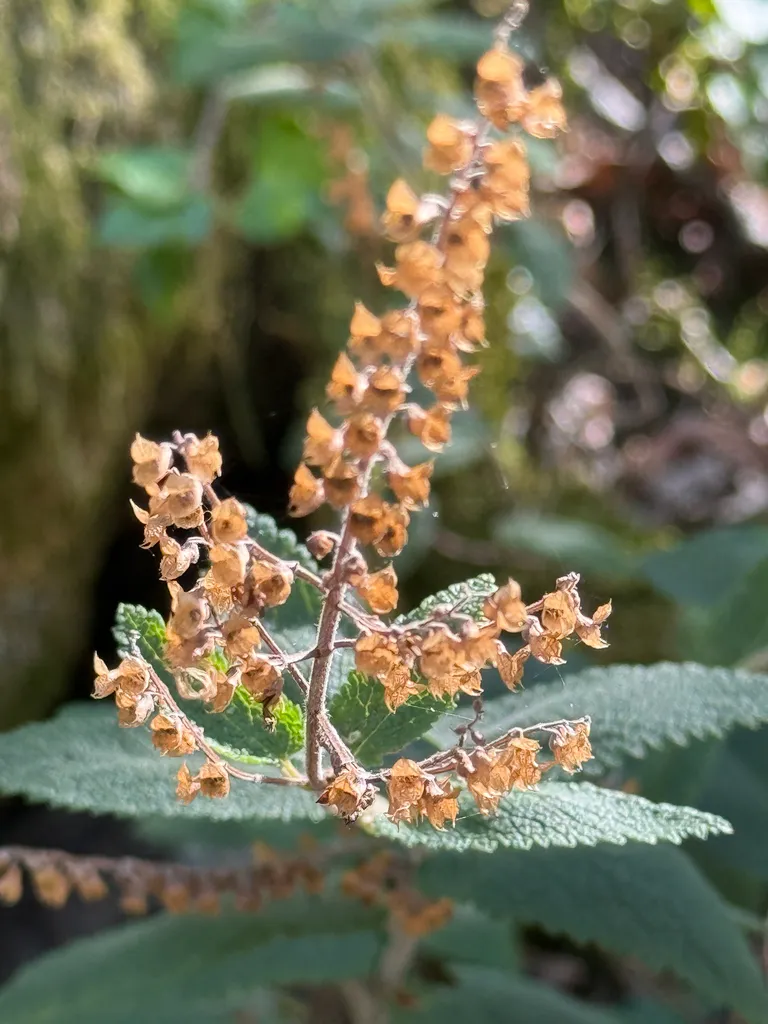
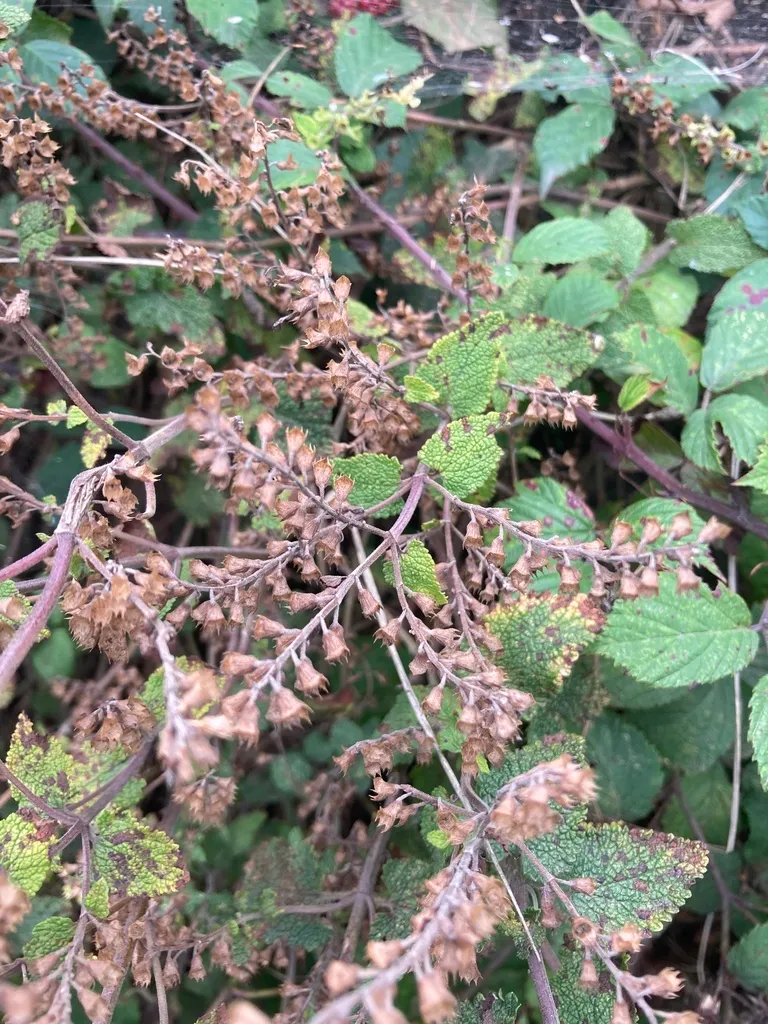
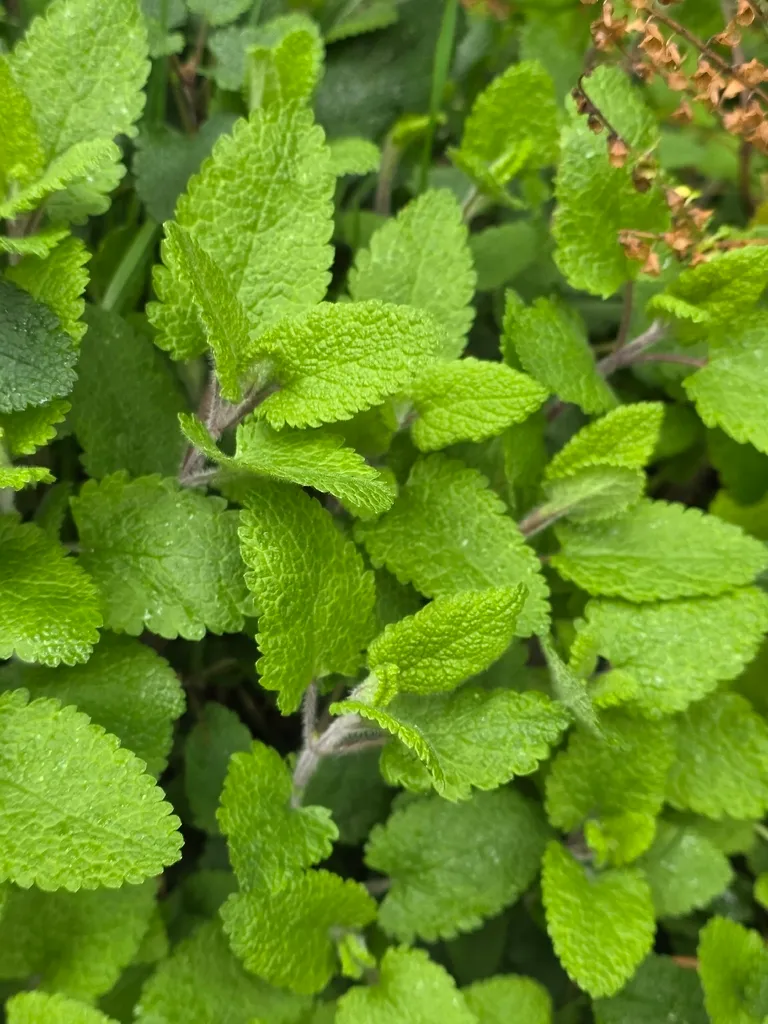
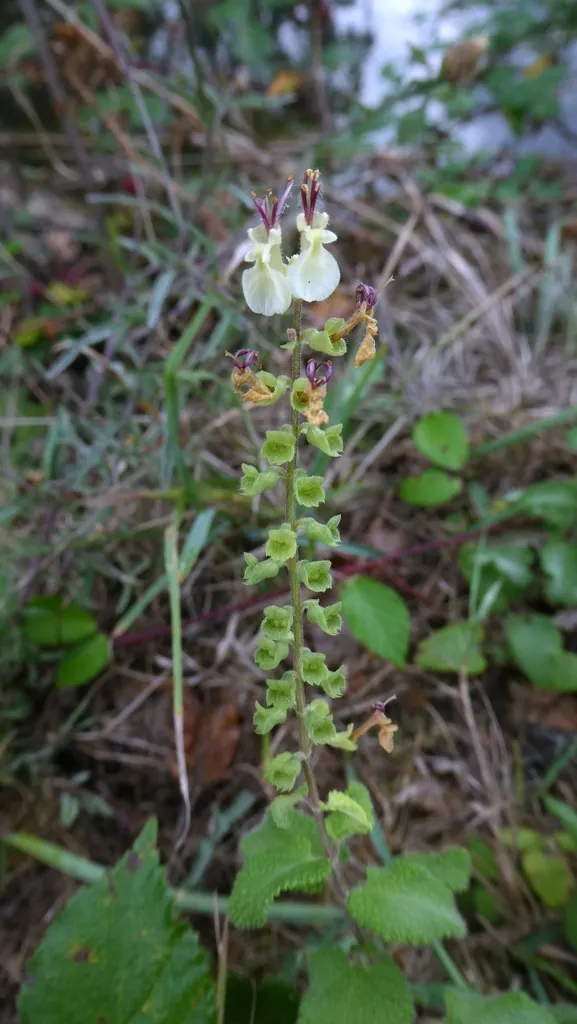
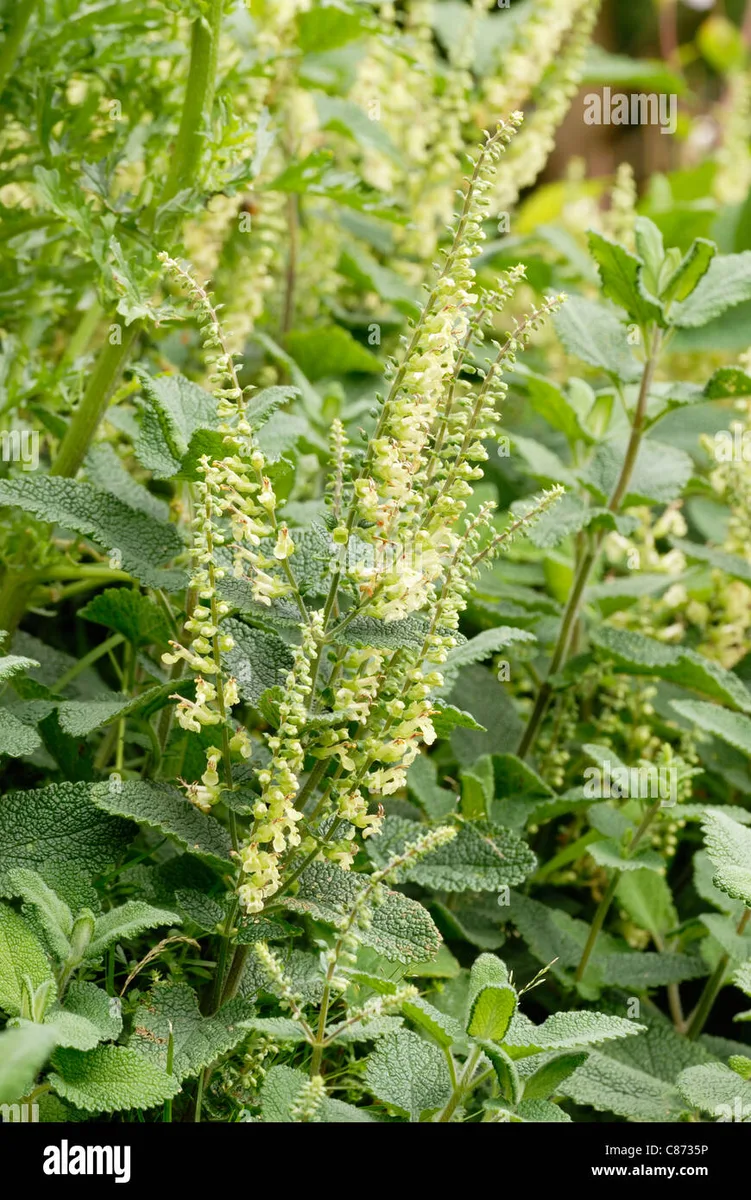
Distribution of wood sage
Distribution map
Information to be completed
Information to be completed
Culture
Information to be completed
Toxicity
Harmful if eaten. Wear gloves and other protective equipment when handling LJD
Quick identification of wood sage
Information to be completed
wood sage care guide
- Sparse watering, full soil drying tolerated through hot dry summers
- Watering
- Partial shade · Full shade
- Sunlight
- Information to be completed
- Ideal temperature

Watering
Sparse watering, full soil drying tolerated through hot dry summers
Fertilizing
 Fertilizing
Minimal diluted herb feed applied once per annual spring growth
Pruning
 Pruning
Prune with shears in spring, before new growth begins, to maintian shape
Propagation
 Propagation
Propagate by seed, or from softwood or semi-ripe cuttings
Growing
 Growing
Grow in light, well-drained soil in partial shade.
People also ask
Information to be completed
Common pests and diseases
Diseases
Generally disease-free
Pests
Generally pest-free
Explore the plant health library →




