
powdery alligator-flag
Also known as: Information to be completed
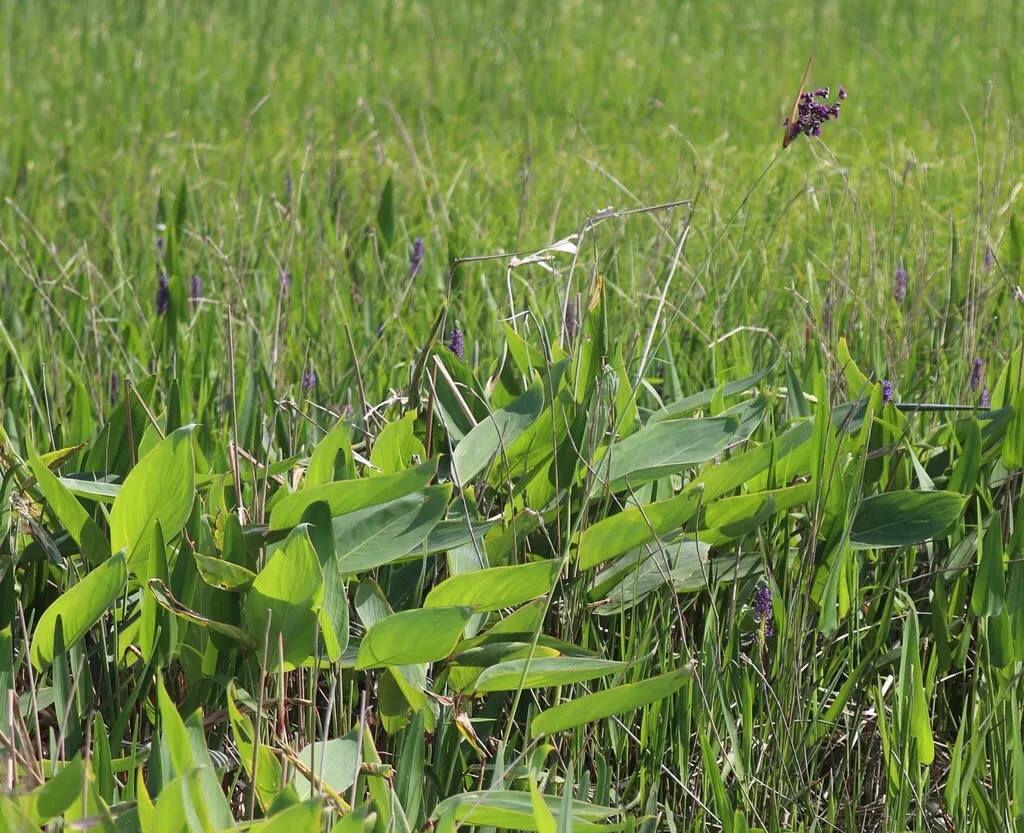
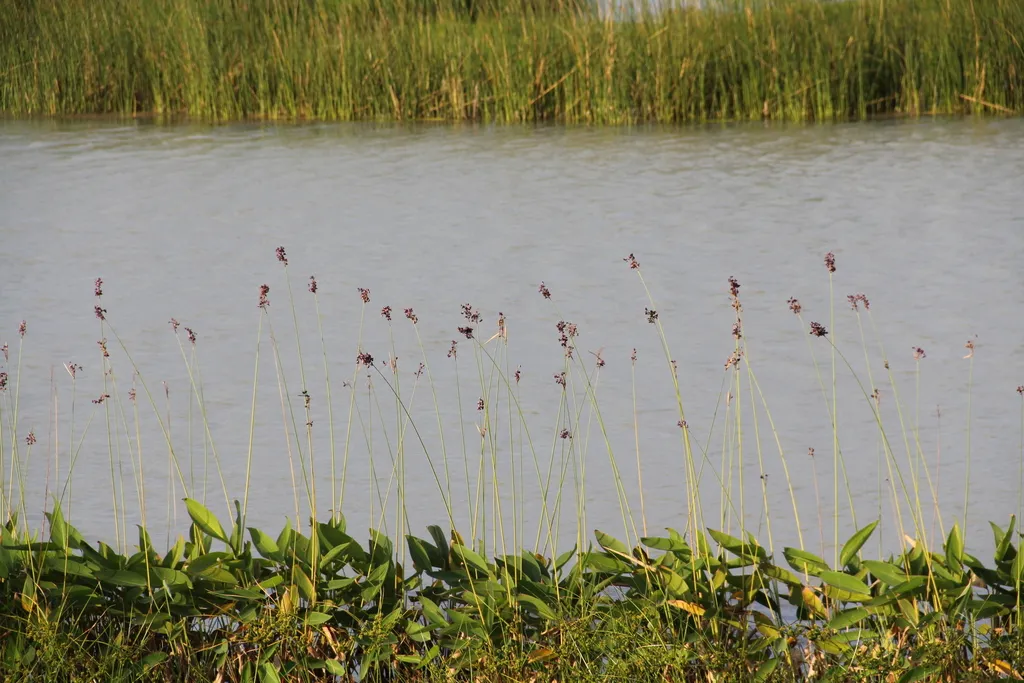
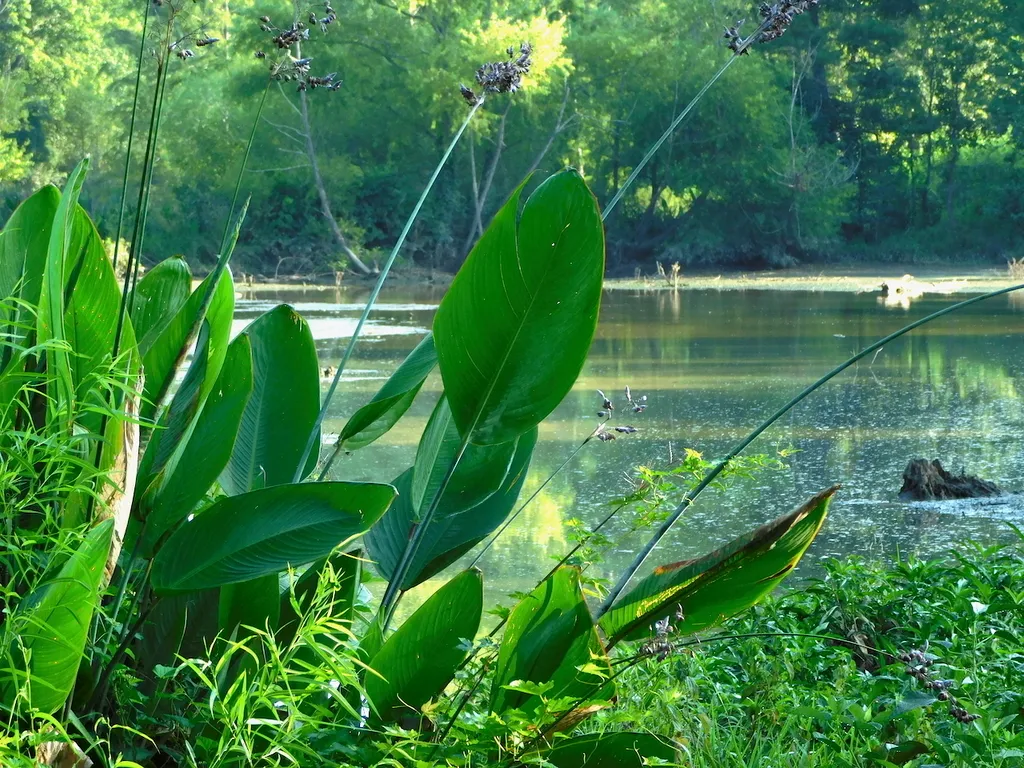
T. dealbata is an evergreen, marginal aquatic perennial forming a clump of long-stalked, erect, narrowly ovate leaves to 40cm in length, covered with white powder, and slender stems bearing panicles of purple flowers 2cm across. Although not carniverous as such, this plant may trap and kill small insects such as hoverflies and small bees during the pollination process.
Scientific classification
- Species
- powdery alligator-flag (Thalia dealbata)
- Genus
- Thalia
- Family
- Marantaceae
- Information to be completed
- Toxicity
- Aquatic · Herbaceous Perennial · Conservatory Greenhouse
- Plant type
- 1.5-2.5 metres
- Height
- 0.5-1 metres
- Spread
- Evergreen
- Foliage
- Clump forming
- Habit
- Spring · Summer · Autumn · Winter
- Season of interest
- Full sun
- Sunlight
- Information to be completed
- Ideal temperature









powdery alligator-flag pictures
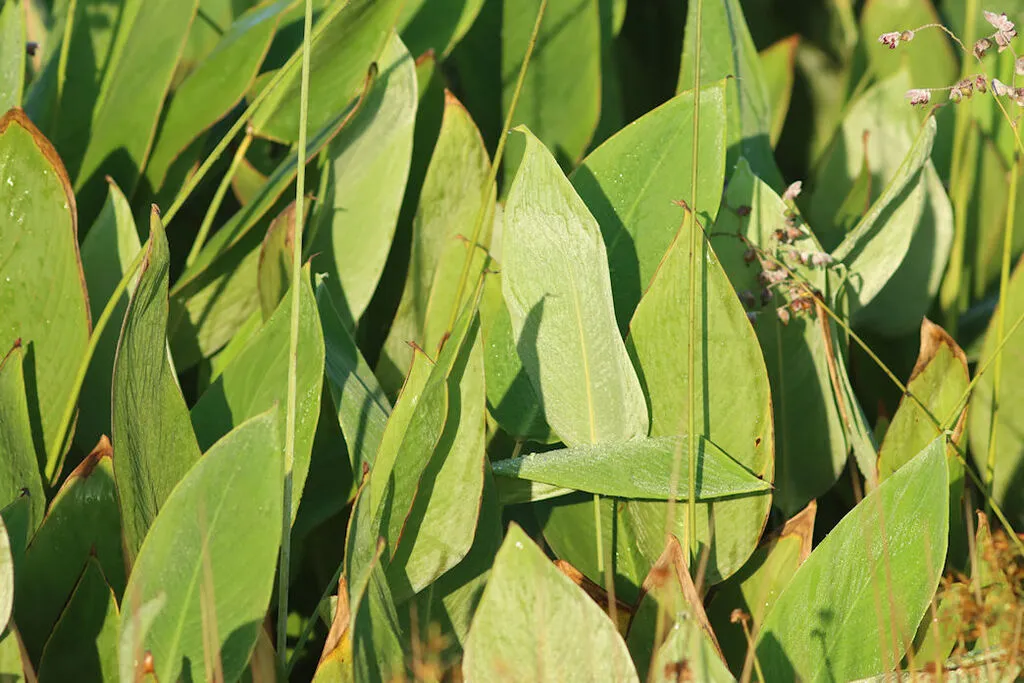
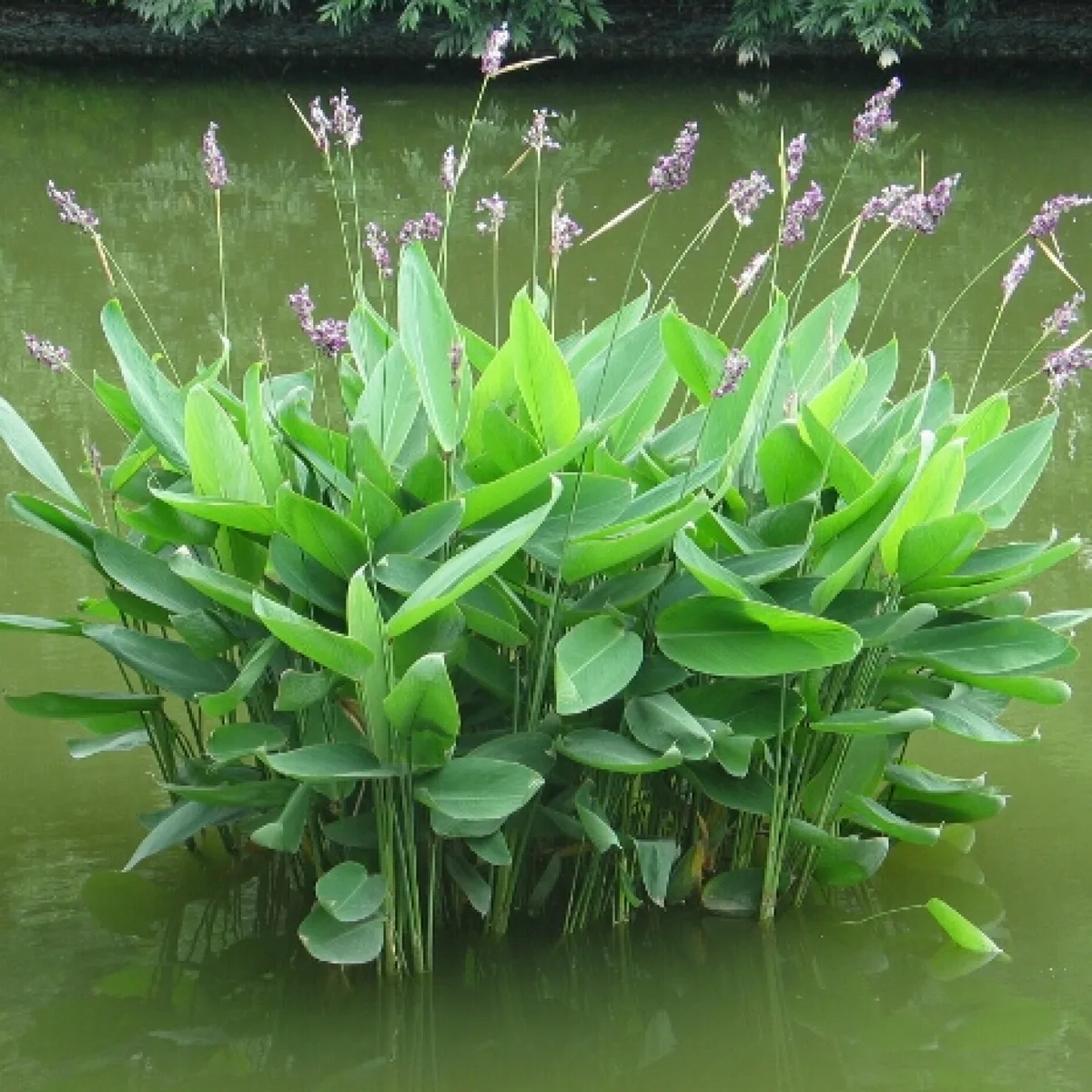
Distribution of powdery alligator-flag
Distribution map
Southern US, Mexico
Information to be completed
Culture
Information to be completed
Toxicity
Information to be completed
Quick identification of powdery alligator-flag
Information to be completed
powdery alligator-flag care guide
- Constantly submerged root zone, fully aquatic pond planting culture
- Watering
- Full sun
- Sunlight
- Information to be completed
- Ideal temperature

Watering
Constantly submerged root zone, fully aquatic pond planting culture
Fertilizing
 Fertilizing
Aquatic plant slow-release tablets inserted monthly in growing season
Pruning
 Pruning
Remove old flowers and leaves regularly
Propagation
 Propagation
Propagate by seed sown at 16-21°C, in moist seed compost, when ripe or in spring. Propagate by division in spring
Growing
 Growing
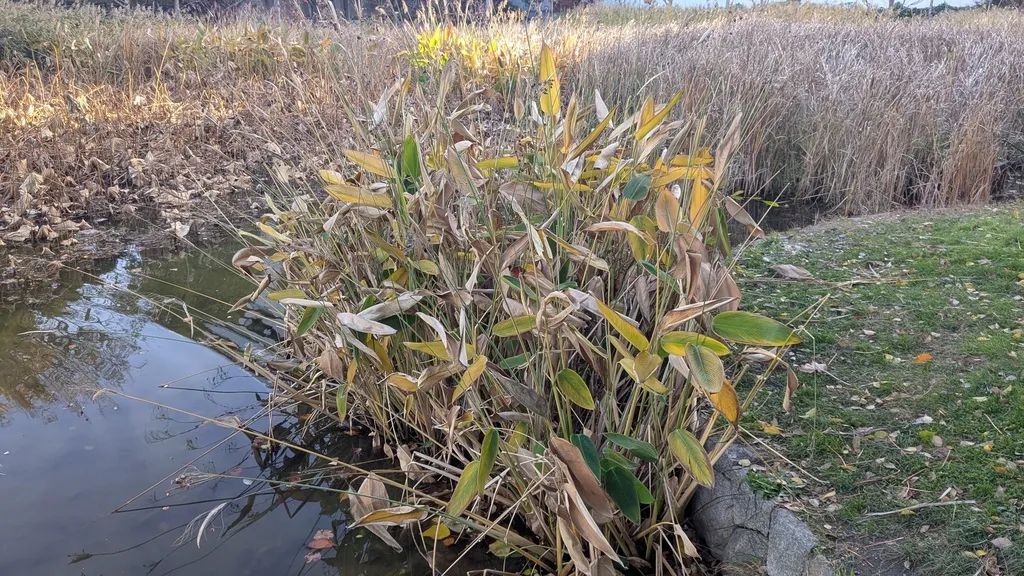
Under glass, grow in baskets of loam based compost in full light. Grow as a marginal aquatic in a planting basket of fertile, loamy, humus-rich soil in up to 15cm of water at the edge of a sunny pool. In colder areas it will become deciduous
People also ask
Information to be completed
Common pests and diseases
Diseases
Generally disease free
Pests
Generally pest-free
Explore the plant health library →




