
Lonicera subaequalis
Also known as: Information to be completed
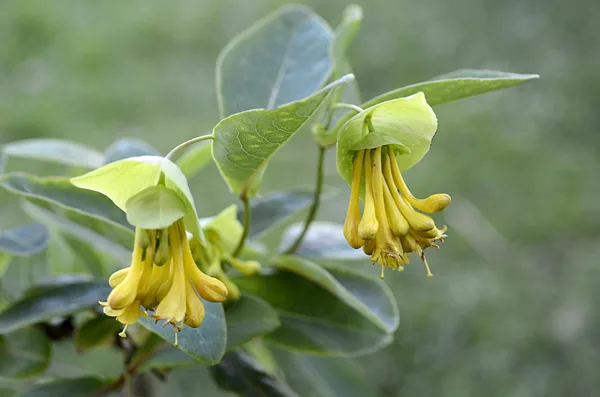
A hardy, semi-evergreen climber with dark green, glaucous leaves and lightly fragrant clusters of long, green-tubed yellow flowers appearing in the summer which are partly enclosed in a green hood . Not widely available, this variety may be found at a handful of specialist nurseries.
Scientific classification
- Species
- Lonicera subaequalis (Lonicera subaequalis)
- Genus
- Lonicera
- Family
- Caprifoliaceae
- Fruit are ornamental - not to be eaten. Wear gloves and other protective equipment when handling
- Toxicity
- Climber Wall Shrub
- Plant type
- 4-8 metres
- Height
- 0.5-1 metres
- Spread
- Semi evergreen
- Foliage
- Climbing
- Habit
- Spring · Summer · Autumn
- Season of interest
- Full shade · Partial shade
- Sunlight
- Information to be completed
- Ideal temperature









Lonicera subaequalis pictures
Distribution of Lonicera subaequalis
Distribution map
- Native
- Introduced
- Cultivated
Source:WCVP v16 · Royal Botanic Gardens, Kew · CC BY 3.0 · Boundaries:WGSRPD / TDWG
Culture
Information to be completed
Toxicity
Fruit are ornamental - not to be eaten. Wear gloves and other protective equipment when handling
Quick identification of Lonicera subaequalis
Information to be completed
Lonicera subaequalis care guide
- Moderate regular watering, allowing brief slight drying between soakings
- Watering
- Full shade · Partial shade
- Sunlight
- Information to be completed
- Ideal temperature

Watering
Moderate regular watering, allowing brief slight drying between soakings
Fertilizing
 Fertilizing
Balanced perennial feed every four weeks from spring through summer
Pruning
 Pruning
Routine pruning is unnecessary; shorten overlong shoots to fit the available space. Prune after flowering has finished.
Propagation
 Propagation
Propagate by layering, hardwood or semi-hardwood cuttings
Growing
 Growing
Hardy honesuckly which will tolerate any moist but well-drained soil. Best in shade such as woodland settings or grown through dense trees and shrubs or on a shady wall or fence.
People also ask
Information to be completed
Common pests and diseases
Diseases
May be susceptible to powdery mildews, fungal leaf spot, silver leaf and honey fungus (rarely)
Pests
May be susceptible to honeysuckle aphids, Thrips and glasshouse whitefly
Explore the plant health library →




