
western red cedar
Also known as: British Columbia cedar; Californian white cedar; giant arbor-vitae; Nootka Sound arbor-vitae; western arbor-vitae; yellow cypress
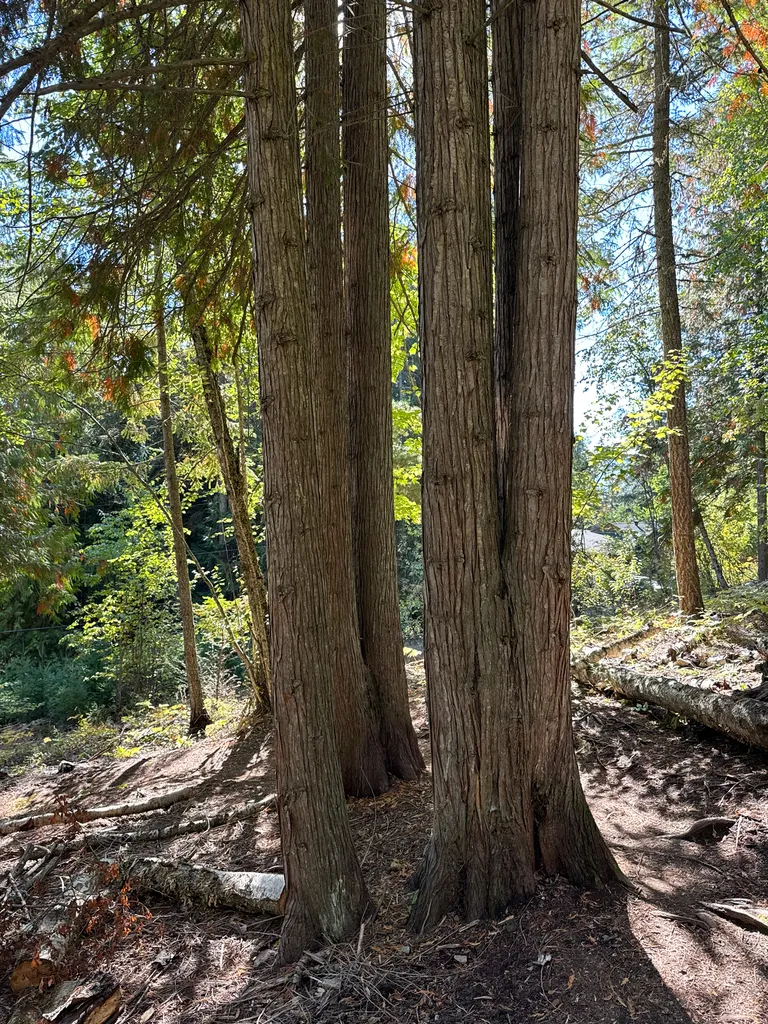
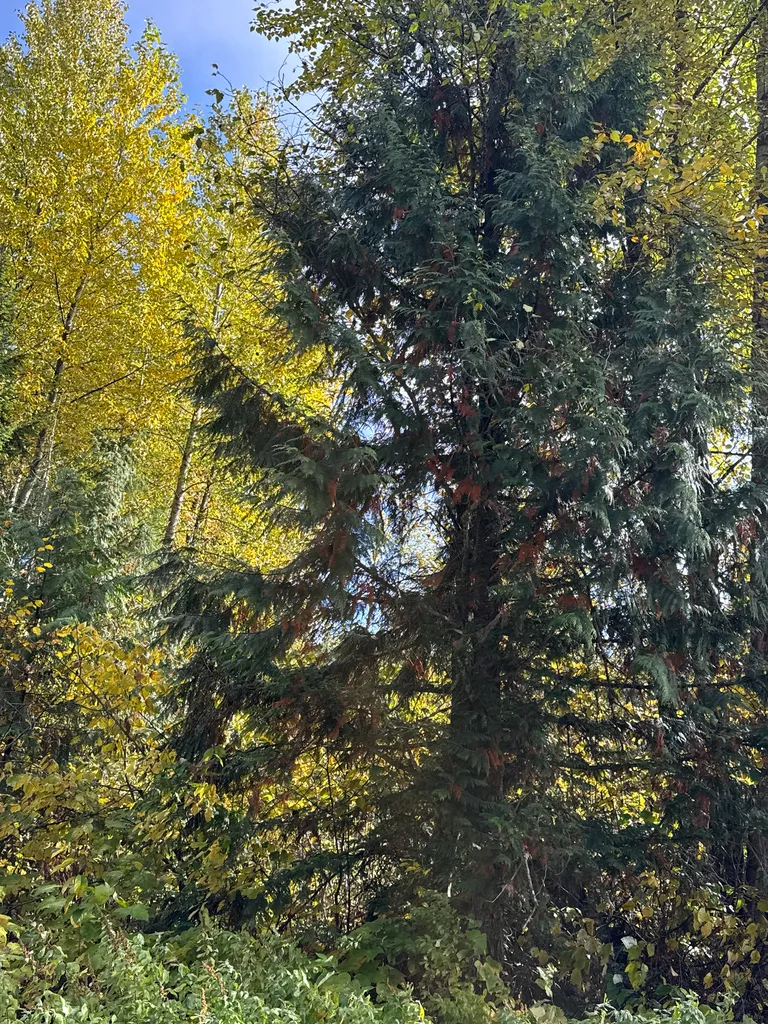
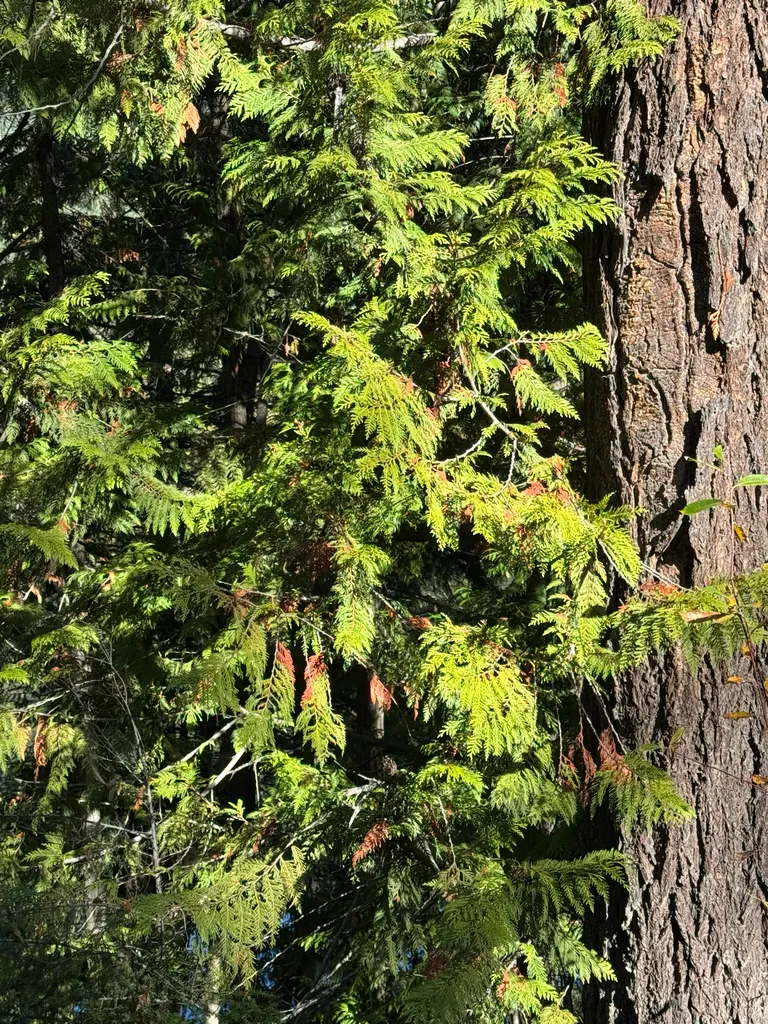
A large, evergreen, narrowly-pyramidal tree reaching an ultimate height of up to 35m. Aromatic, glossy, scale-like, sharply-pointed leaves are held in large drooping sprays on spreading branches that curve upwards at the end. Cones are egg-shaped and around 1.3cm long
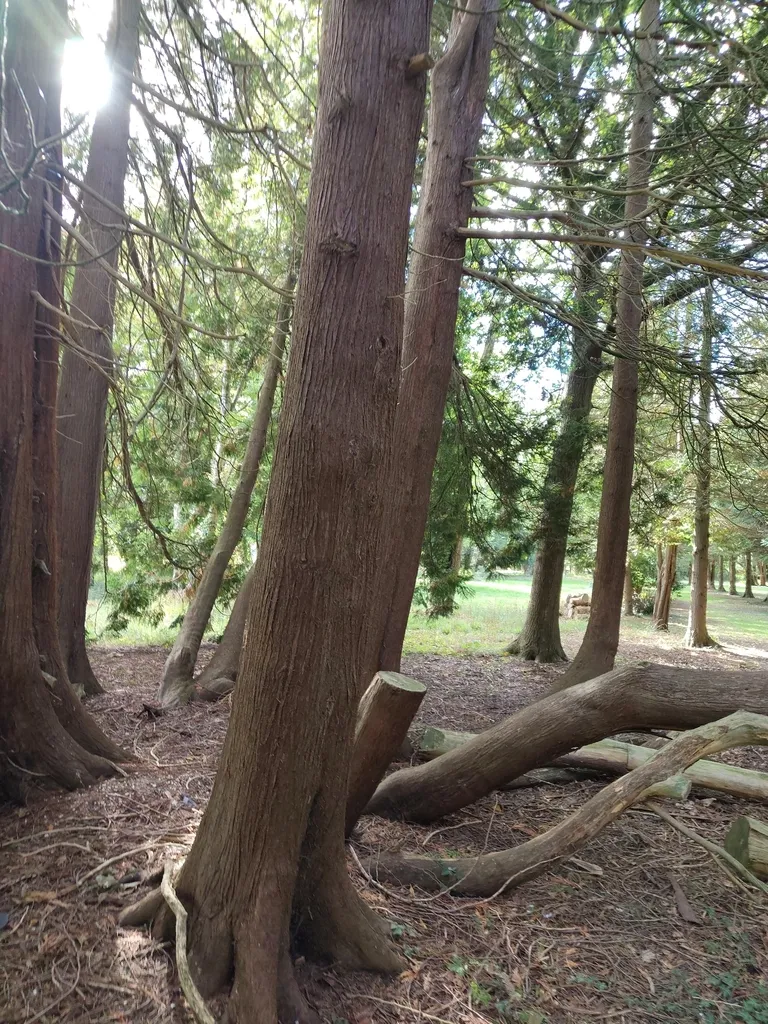
Scientific classification
- Species
- western red cedar (Thuja plicata)
- Genus
- Thuja
- Family
- Cupressaceae
- Harmful if eaten, skin allergen. Wear gloves and other protective equipment when handling]
- Toxicity
- Conifers · Trees
- Plant type
- Higher than 12 metres
- Height
- wider than 8 metres
- Spread
- Evergreen
- Foliage
- Columnar upright
- Habit
- Spring · Summer · Autumn · Winter
- Season of interest
- Full sun · Partial shade
- Sunlight
- Information to be completed
- Ideal temperature









western red cedar pictures
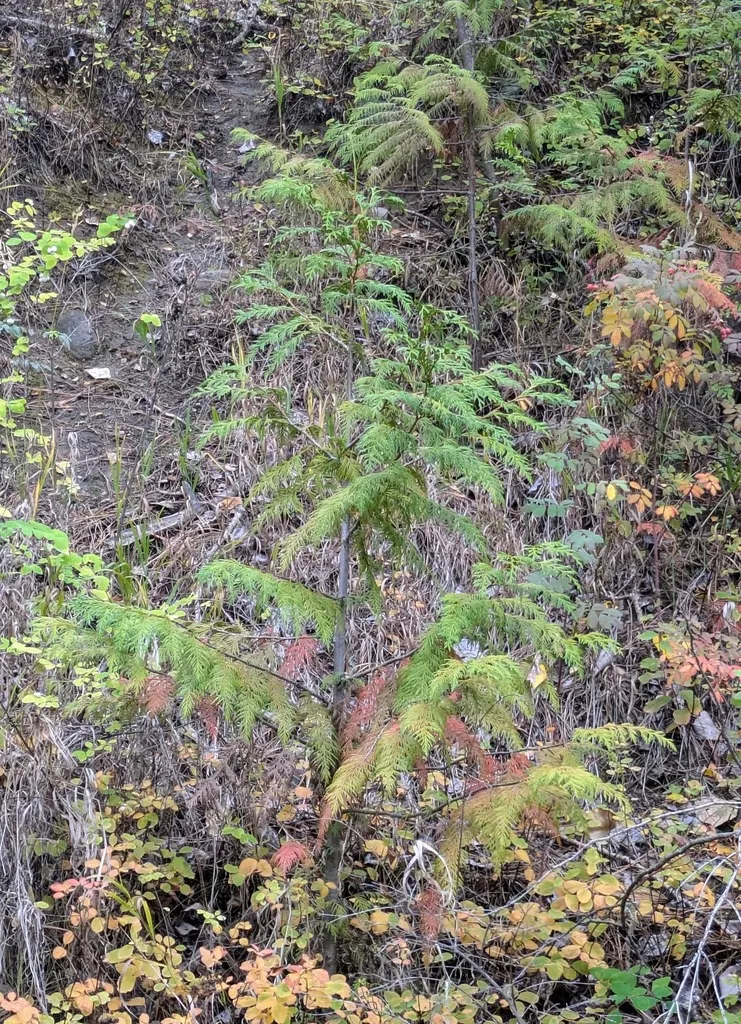
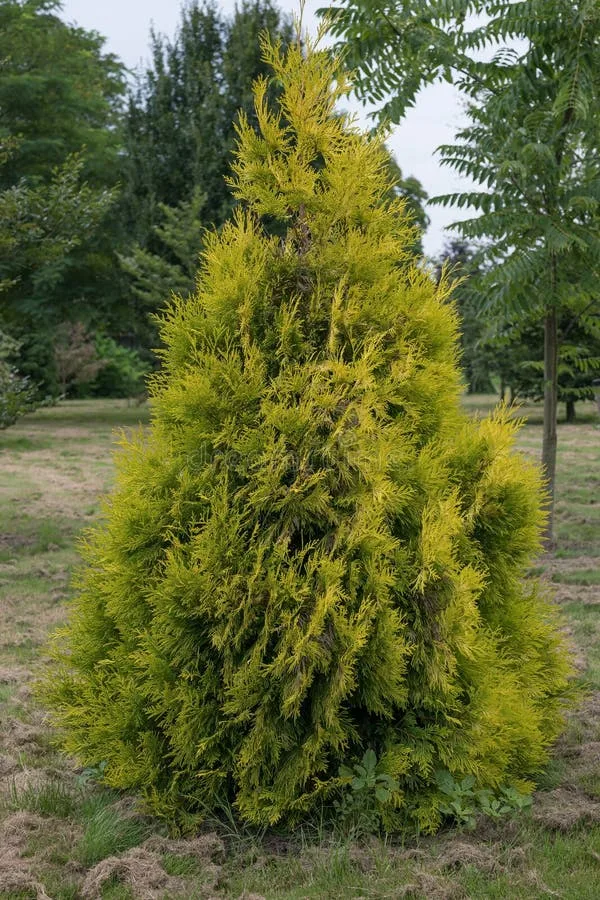
Distribution of western red cedar
Distribution map
Western North America
Information to be completed
Culture
Information to be completed
Toxicity
Harmful if eaten, skin allergen. Wear gloves and other protective equipment when handling]
Quick identification of western red cedar
Information to be completed
western red cedar care guide
- Moderate regular watering, allowing brief slight drying between soakings
- Watering
- Full sun · Partial shade
- Sunlight
- Information to be completed
- Ideal temperature

Watering
Moderate regular watering, allowing brief slight drying between soakings
Fertilizing
 Fertilizing
Balanced perennial feed every four weeks from spring through summer
Pruning
 Pruning
None required, unless grown as a hedge
Propagation
 Propagation
Propagate by semi-hardwood cuttings
Growing
 Growing
Grows best in moist but well-drained soil. Protect from drying winds especially when young. Suitable for hedging or screening
People also ask
Information to be completed
Common pests and diseases
Diseases
May be susceptible to honey fungus and other fungal diseases, particularly thuja blight and Coryneum canker (see conifers: brown patches)
Pests
May be susceptible to scale insects and conifer aphid
Explore the plant health library →




