
hiba
Also known as: hatchet-leaved arbor-vitae; hiba arbor-vitae
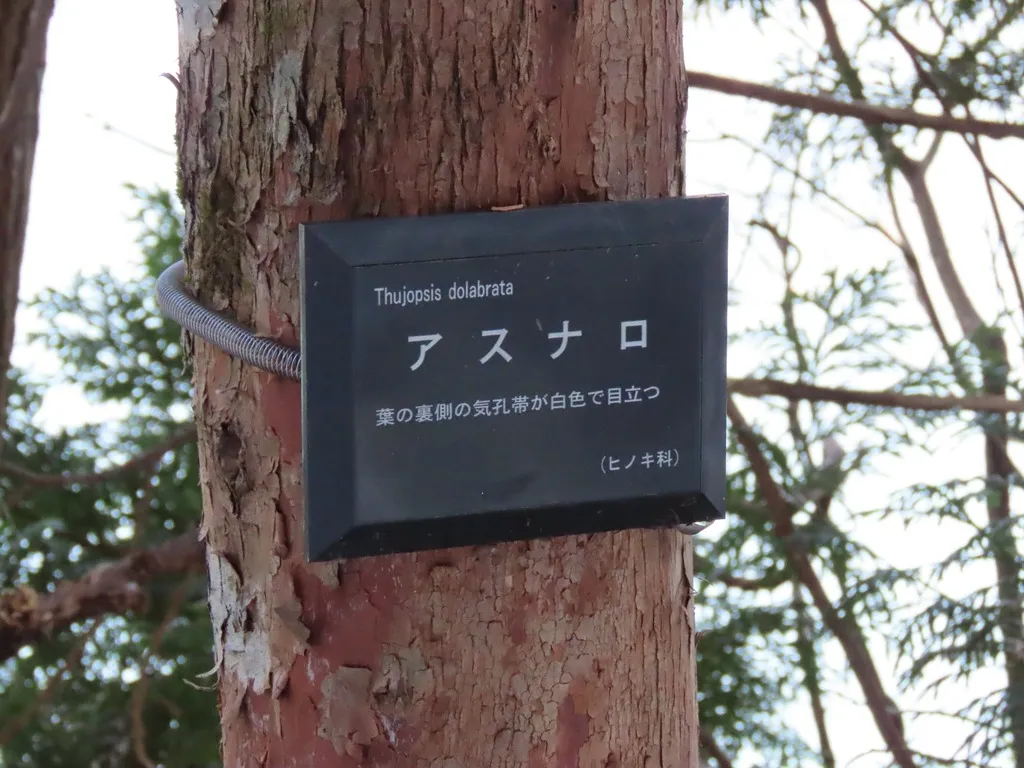
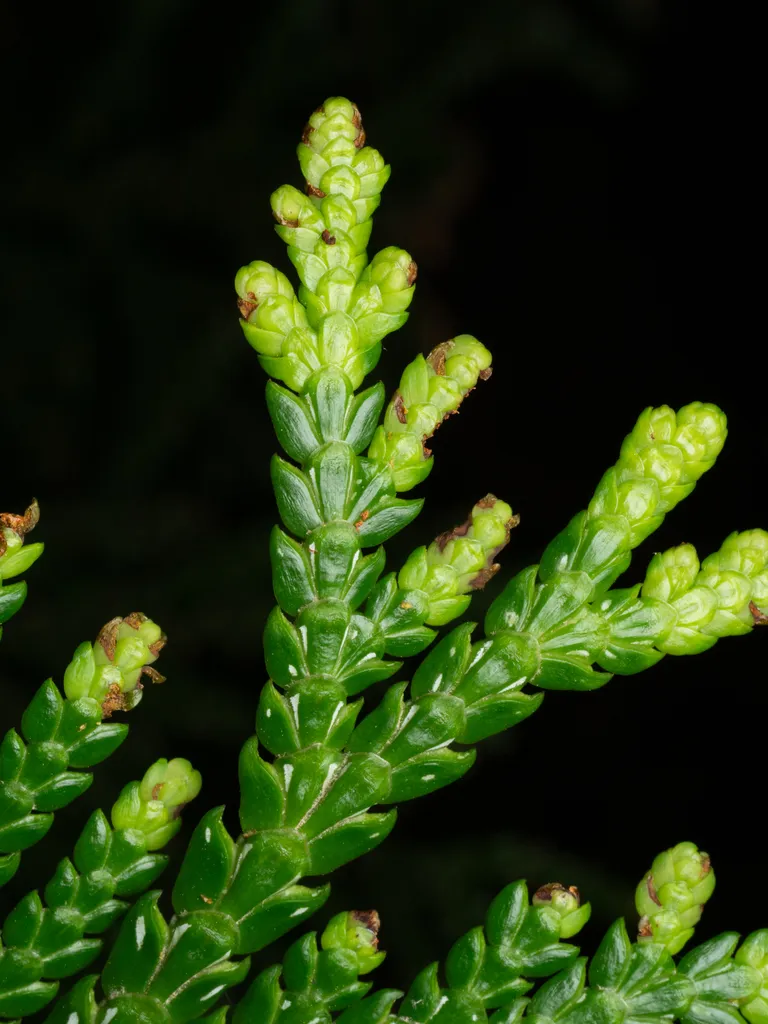
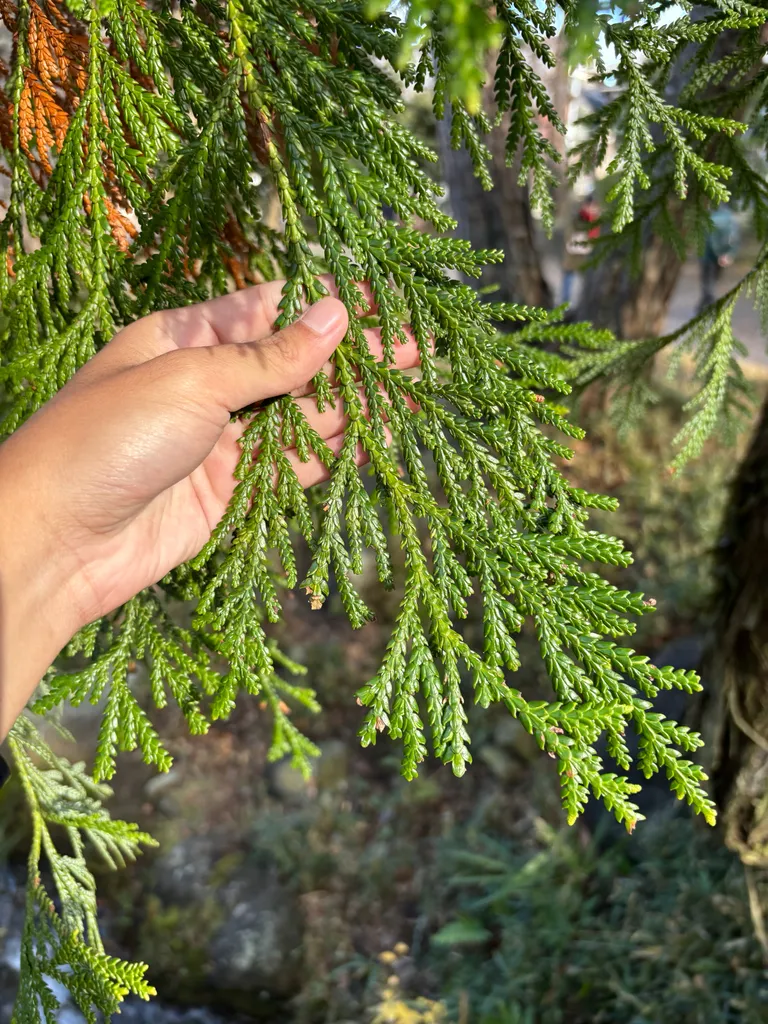
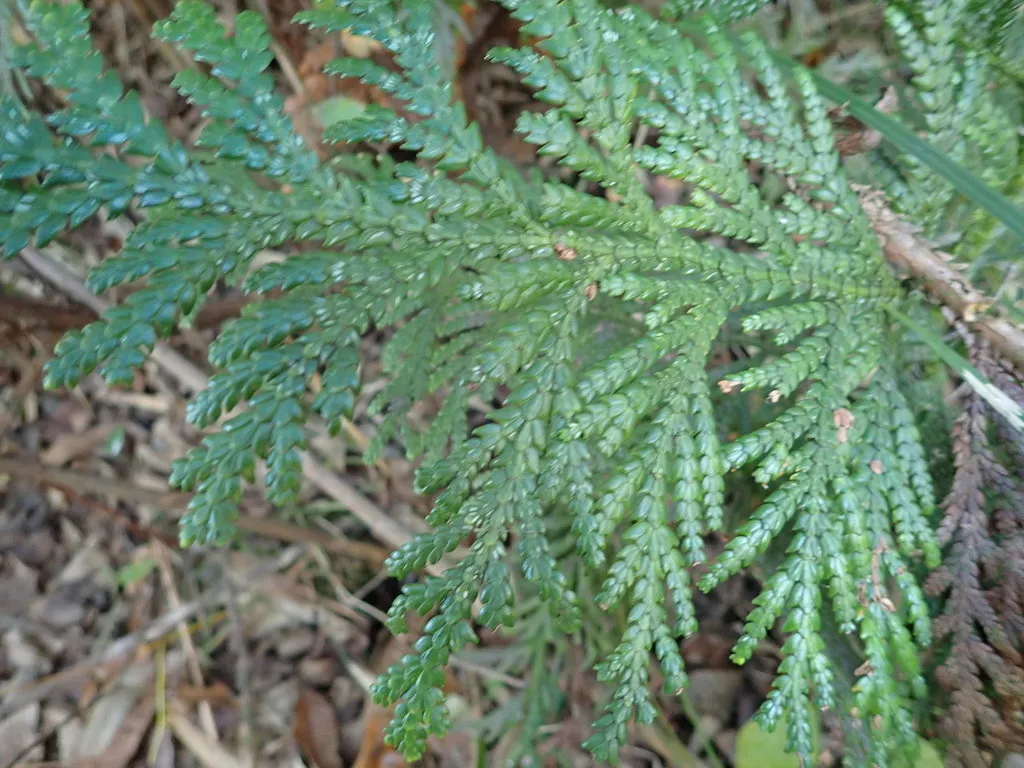
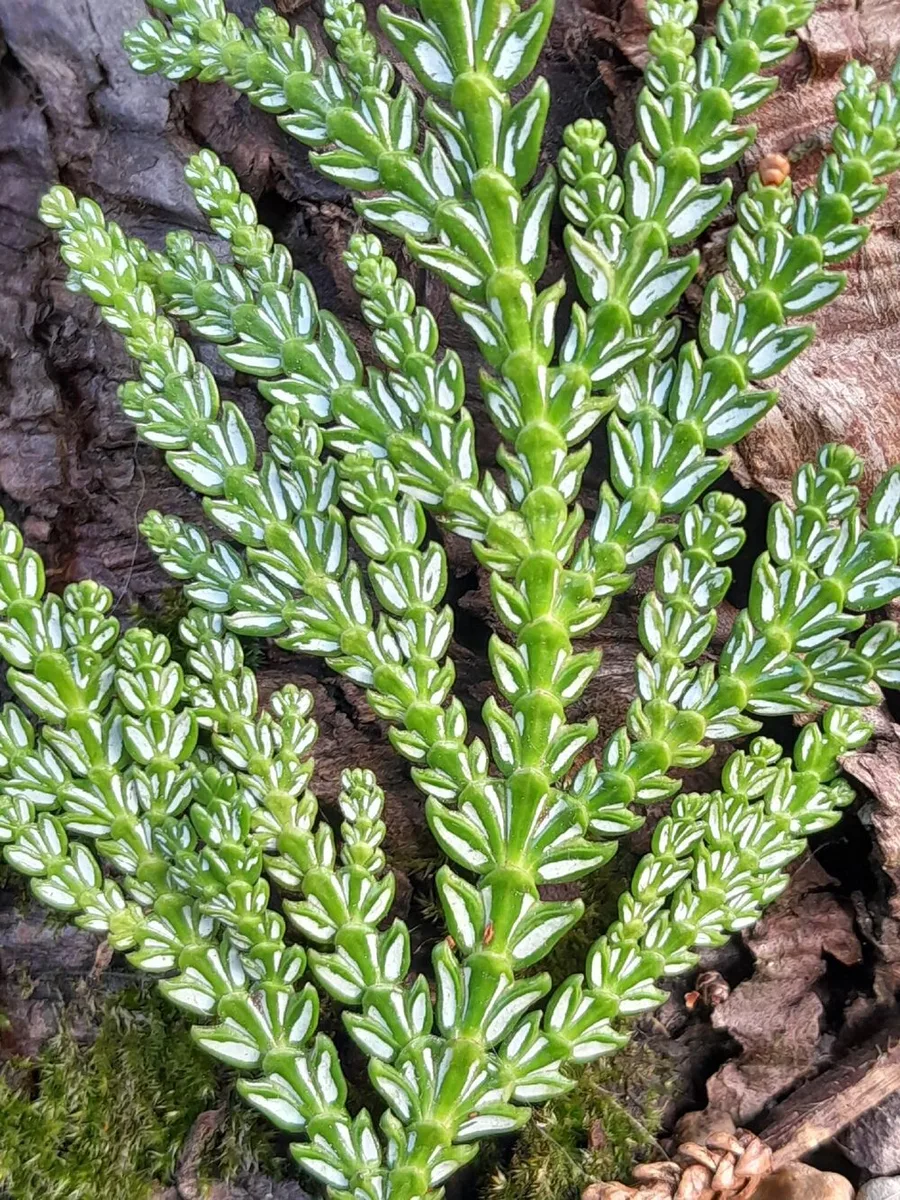
T. dolabrata is an evergreen conifer forming a large conical shrub or small tree with flattened sprays of large, glossy deep green scale-leaves with conspicuous white markings beneath
Scientific classification
- Species
- hiba (Thujopsis dolabrata)
- Genus
- Thujopsis
- Family
- Cupressaceae
- Information to be completed
- Toxicity
- Shrubs · Conifers · Trees
- Plant type
- Higher than 12 metres
- Height
- 4-8 metres
- Spread
- Evergreen
- Foliage
- Bushy
- Habit
- Spring · Summer · Autumn · Winter
- Season of interest
- Full sun
- Sunlight
- Information to be completed
- Ideal temperature









hiba pictures
Distribution of hiba
Distribution map
- Native
- Introduced
- Cultivated
Source:WCVP v16 · Royal Botanic Gardens, Kew · CC BY 3.0 · Boundaries:WGSRPD / TDWG
Culture
Information to be completed
Toxicity
Information to be completed
Quick identification of hiba
Information to be completed
hiba care guide
- Moderate watering schedule, deep soak during lengthy dry heat periods
- Watering
- Full sun
- Sunlight
- Information to be completed
- Ideal temperature

Watering
Moderate watering schedule, deep soak during lengthy dry heat periods
Fertilizing
 Fertilizing
Conifer slow-release fertilizer applied once yearly at early spring
Pruning
 Pruning
No pruning required
Propagation
 Propagation
Propagate by seed or semi-hardood cuttings
Growing
 Growing
Grow in moist but well-drained soil in full sun with shelter from cold dry winds. A good specimen tree in woodland
People also ask
Information to be completed
Common pests and diseases
Diseases
Generally disease free
Pests
Generally pest-free
Explore the plant health library →




