
camphor thyme
Also known as: Information to be completed
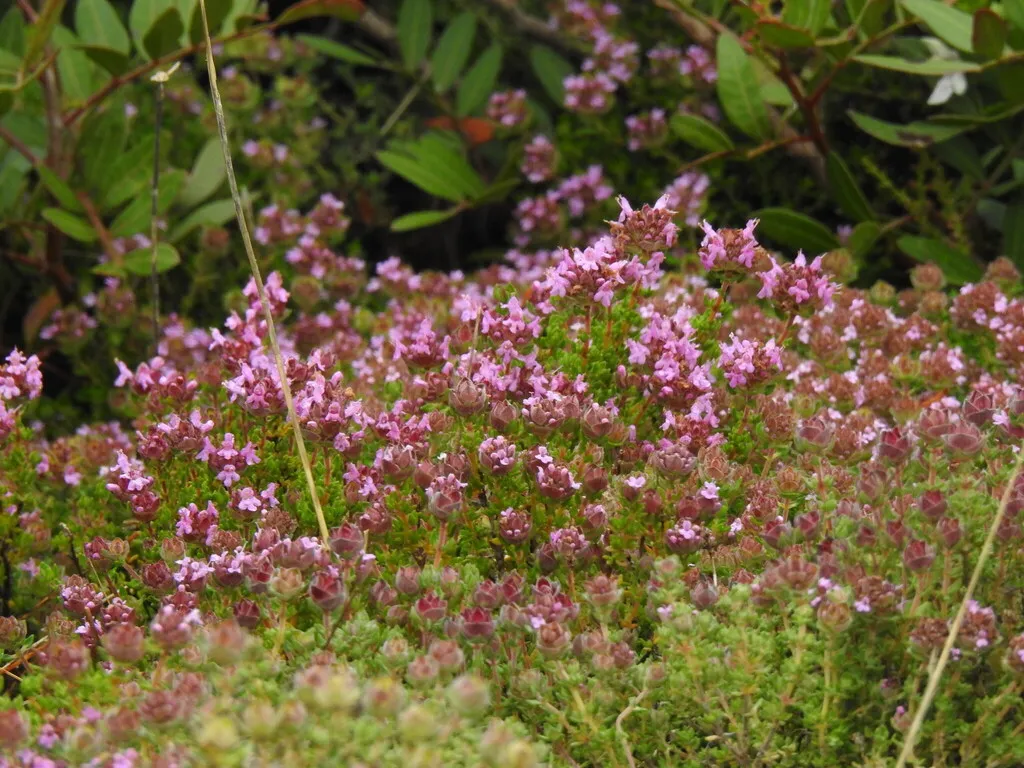
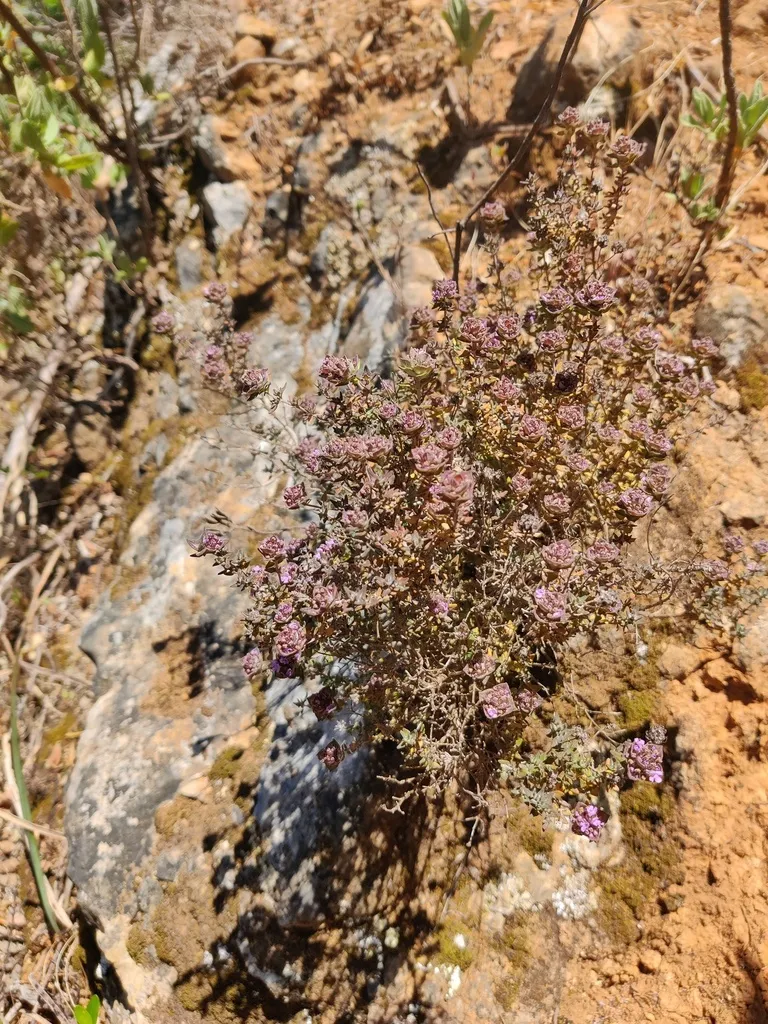
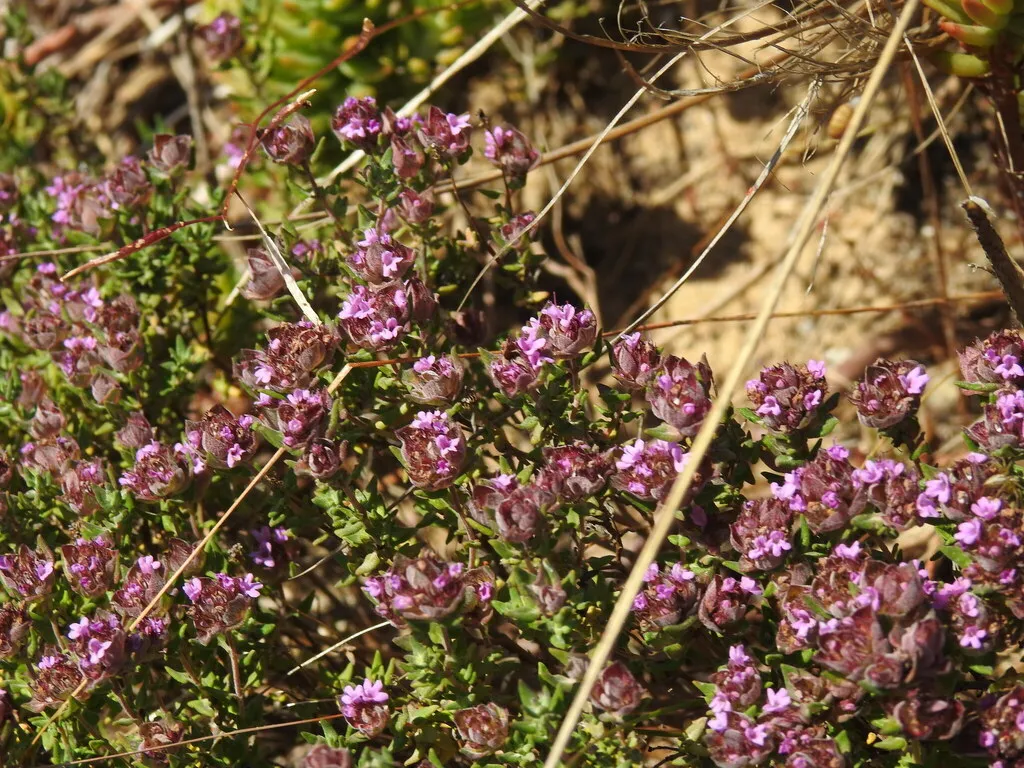
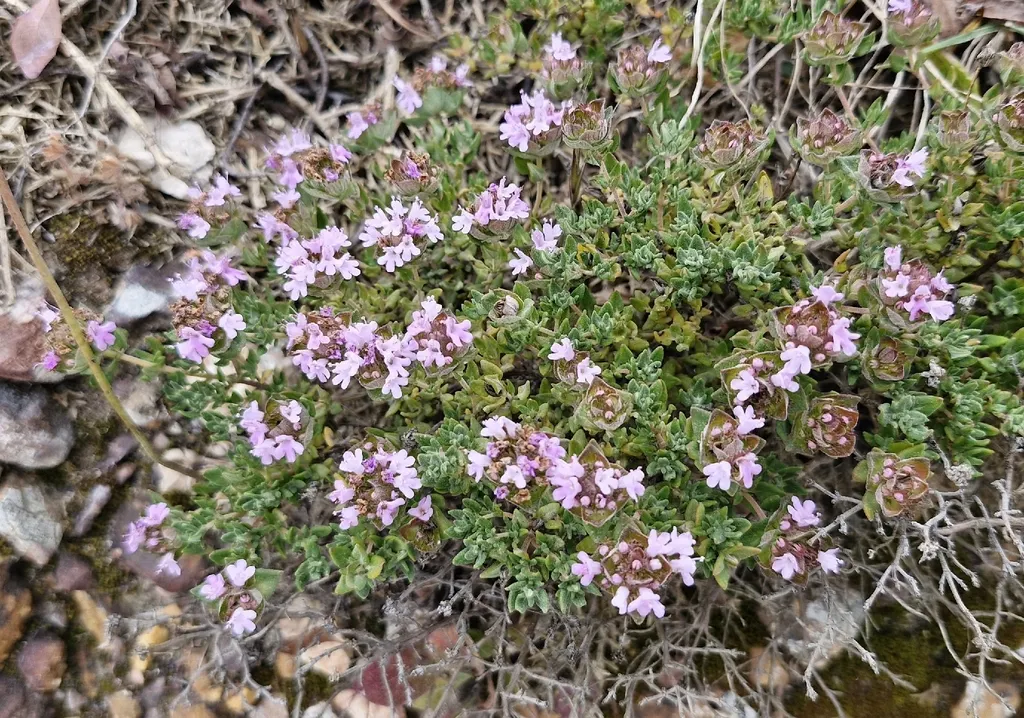
A mound-forming, bushy, evergreen shrub native to Southern Portugal with aromatic, camphor scented, ovate, dark green leaves and clusters of small, pale mauve flowers in late spring and early summer. Excellent for container growing
Scientific classification
- Species
- camphor thyme (Thymus camphoratus)
- Genus
- Thymus
- Family
- Lamiaceae
- Information to be completed
- Toxicity
- Shrubs · Herbs - Culinary
- Plant type
- 0.1-0.5 metres
- Height
- 0.1-0.5 metres
- Spread
- Evergreen
- Foliage
- Bushy · Clump forming
- Habit
- Spring · Summer · Autumn · Winter
- Season of interest
- Full sun
- Sunlight
- Information to be completed
- Ideal temperature









camphor thyme pictures
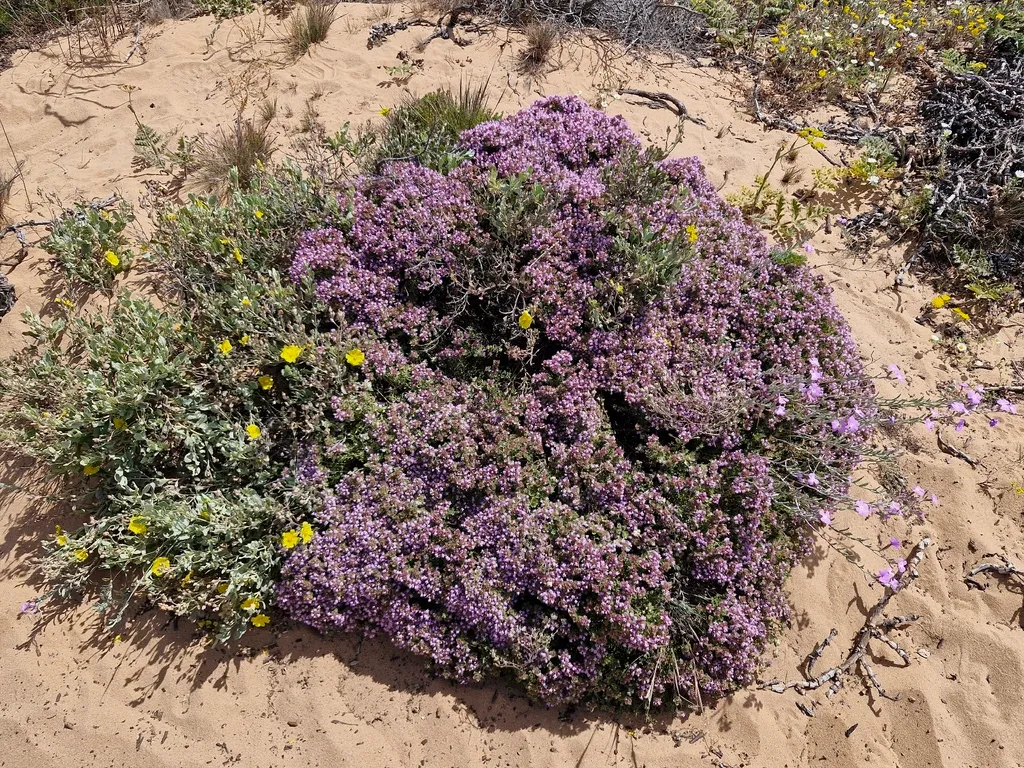
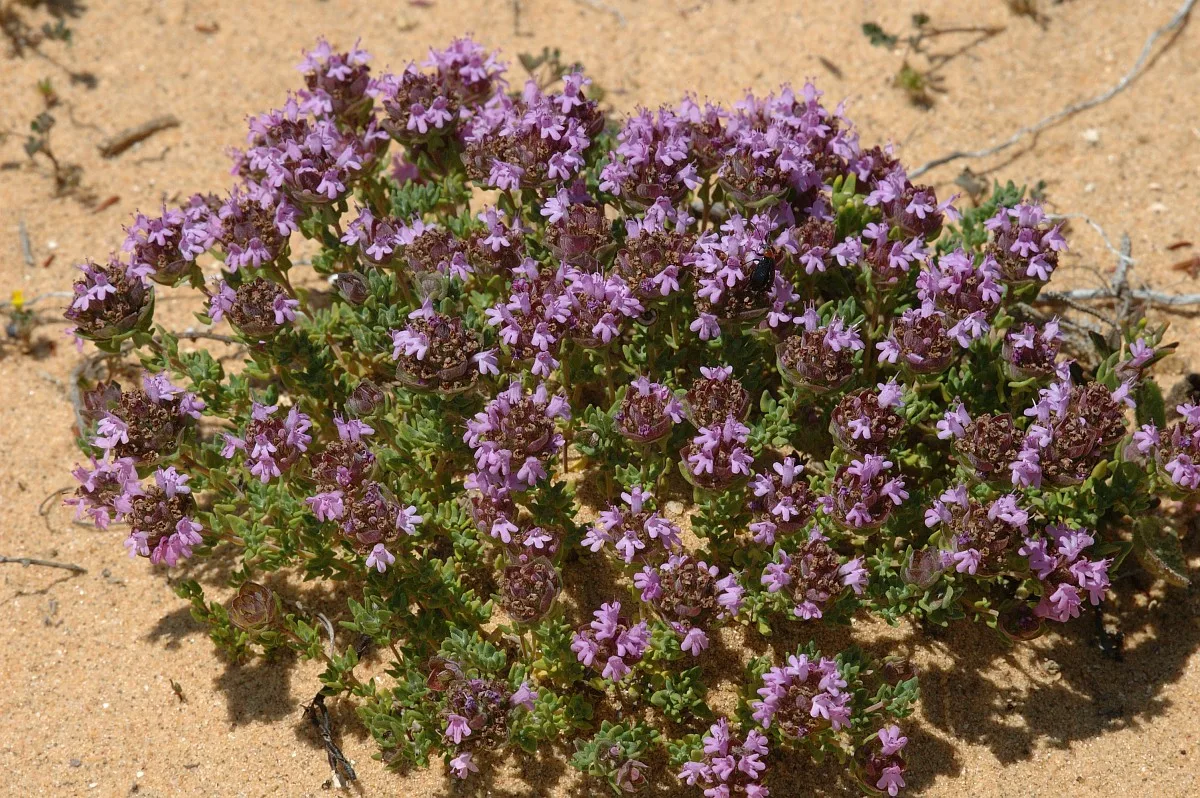
Distribution of camphor thyme
Distribution map
- Native
- Introduced
- Cultivated
Source:WCVP v16 · Royal Botanic Gardens, Kew · CC BY 3.0 · Boundaries:WGSRPD / TDWG
Culture
Information to be completed
Toxicity
Information to be completed
Quick identification of camphor thyme
Information to be completed
camphor thyme care guide
- Moderate regular watering, allowing brief slight drying between soakings
- Watering
- Full sun
- Sunlight
- Information to be completed
- Ideal temperature

Watering
Moderate regular watering, allowing brief slight drying between soakings
Fertilizing
 Fertilizing
Balanced perennial feed every four weeks from spring through summer
Pruning
 Pruning
Cut back after flowering to maintain compactness
Propagation
 Propagation
Propagate by division or semi-hardwood cuttings
Growing
 Growing
Grow in well drained, alkaline to neutral soil in full sun. Won't tolerate wet or waterlogged conditions. Will tolerate drought and poor soils. Best grown in a container in colder climates so it can be moved into a frost free glasshouse to overwinter. See thyme cultivation for more information
People also ask
Information to be completed
Common pests and diseases
Diseases
Generally disease-free
Pests
Generally pest-free
Explore the plant health library →




