
caraway thyme
Also known as: Information to be completed
An attractive, low growing, mat forming, evergreen sub-shrub with branches of oval-lance shaped, dark green leaves that carry a distinctive caraway scent and loose clusters of small, pale pink flowers that appear in early-mid-summer
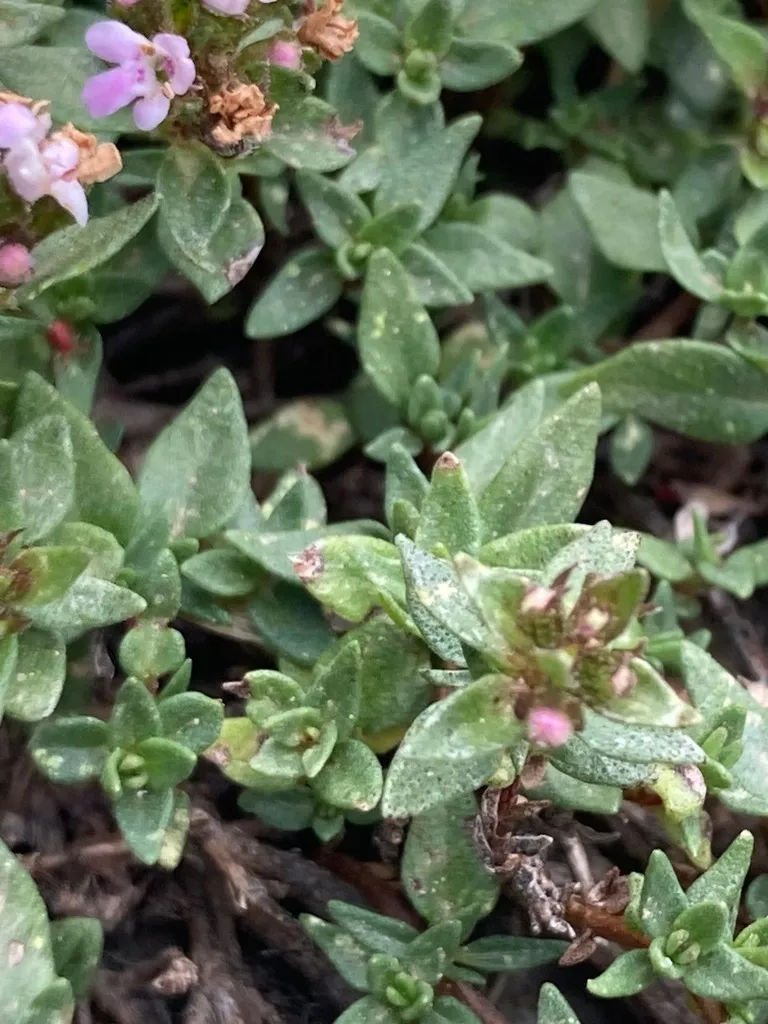
Scientific classification
- Species
- caraway thyme (Thymus herba-barona)
- Genus
- Thymus
- Family
- Lamiaceae
- Order
- Lamiales
- Class
- Magnoliopsida
- Phylum
- Magnoliophyta
- Information to be completed
- Toxicity
- Shrubs
- Plant type
- Up to 10 cm
- Height
- 0.1-0.5 metres
- Spread
- Evergreen
- Foliage
- Matforming
- Habit
- Spring · Summer · Autumn · Winter
- Season of interest
- Full sun
- Sunlight
- Information to be completed
- Ideal temperature









caraway thyme pictures
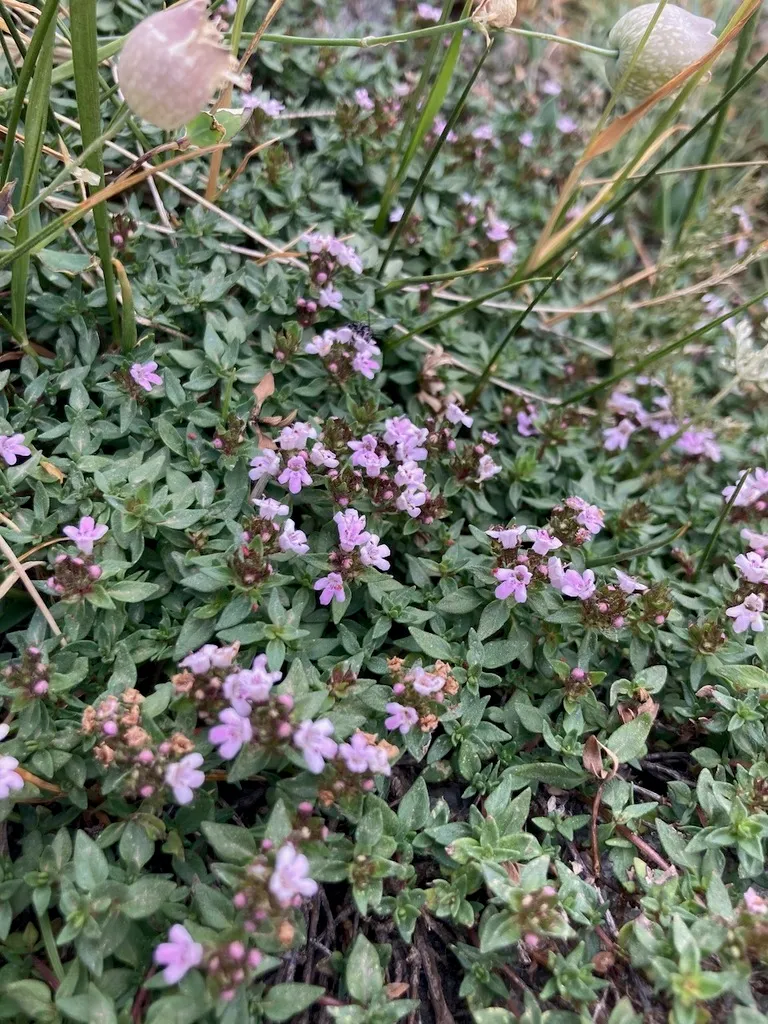
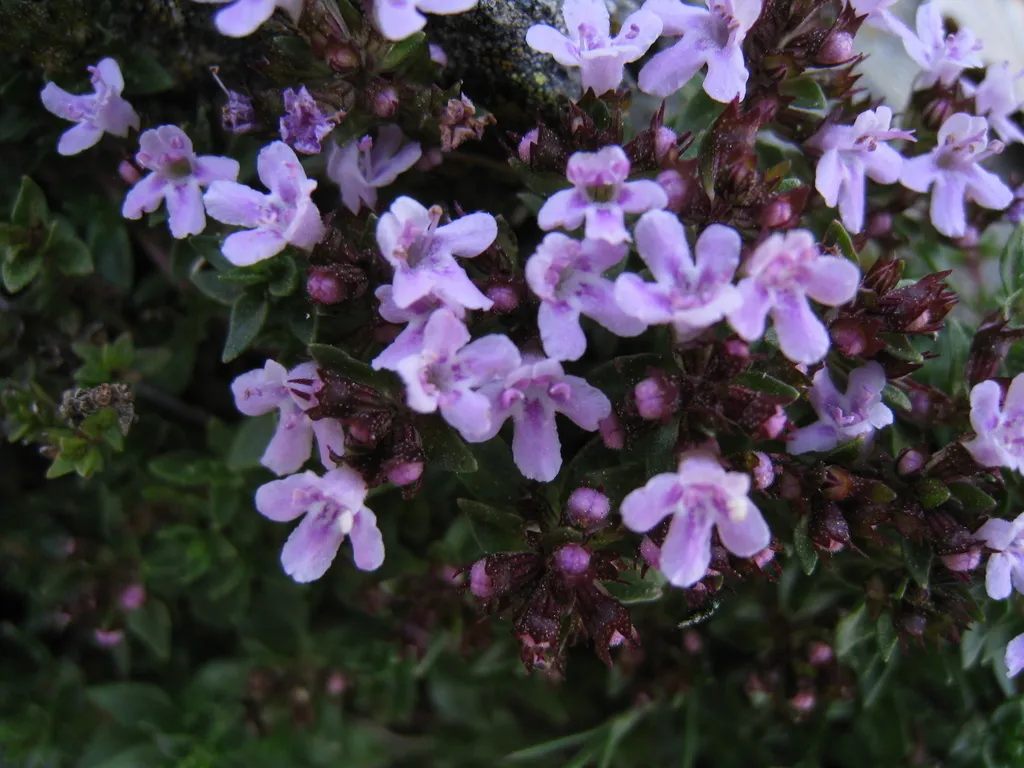
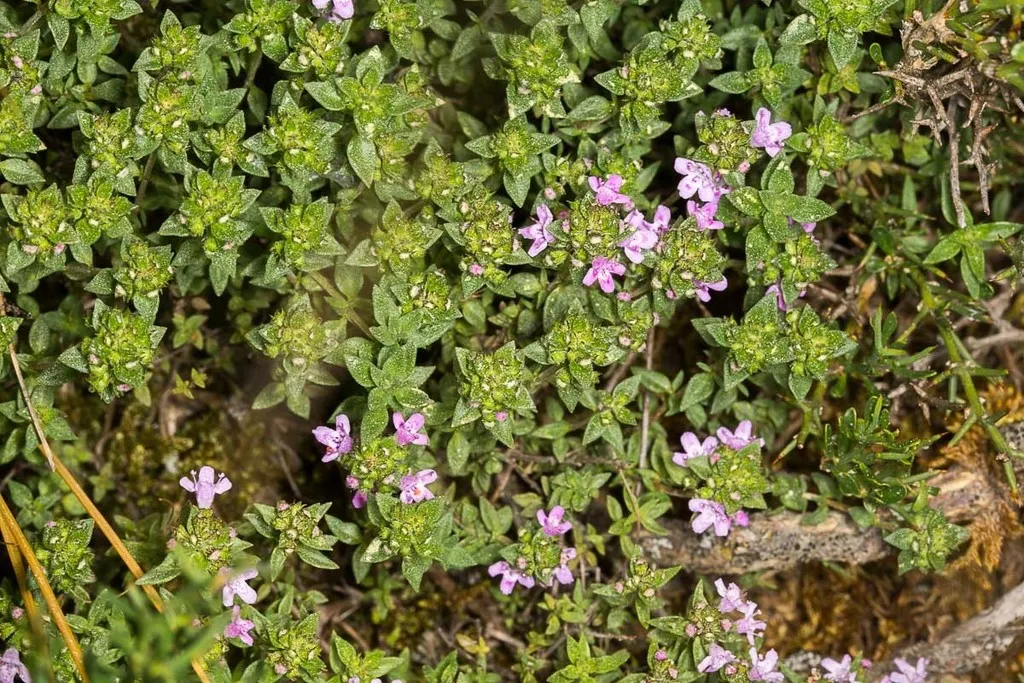
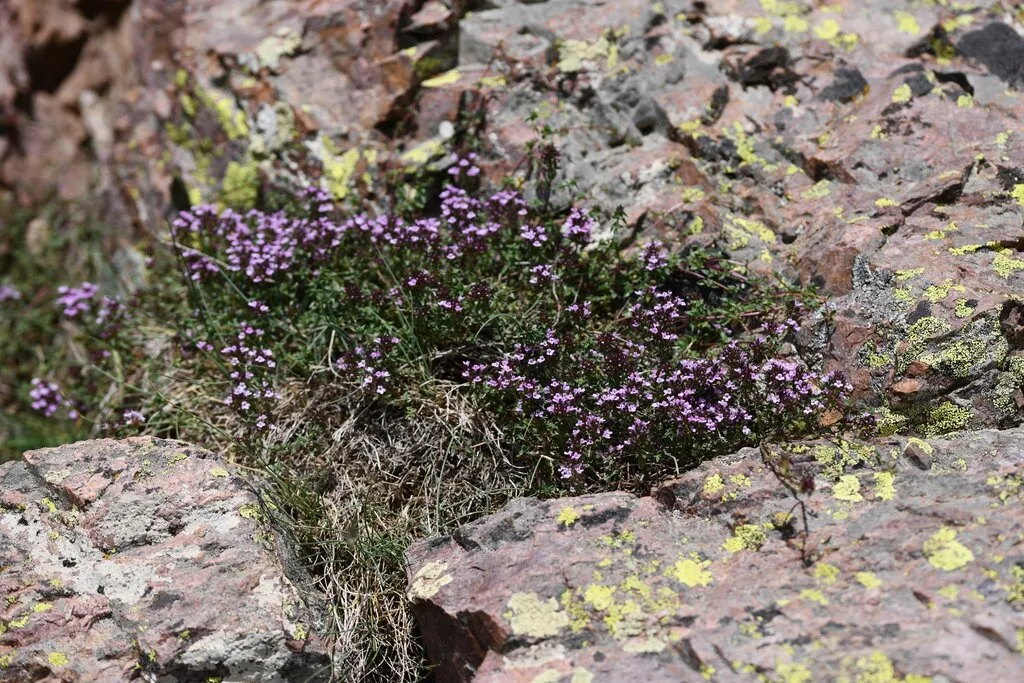
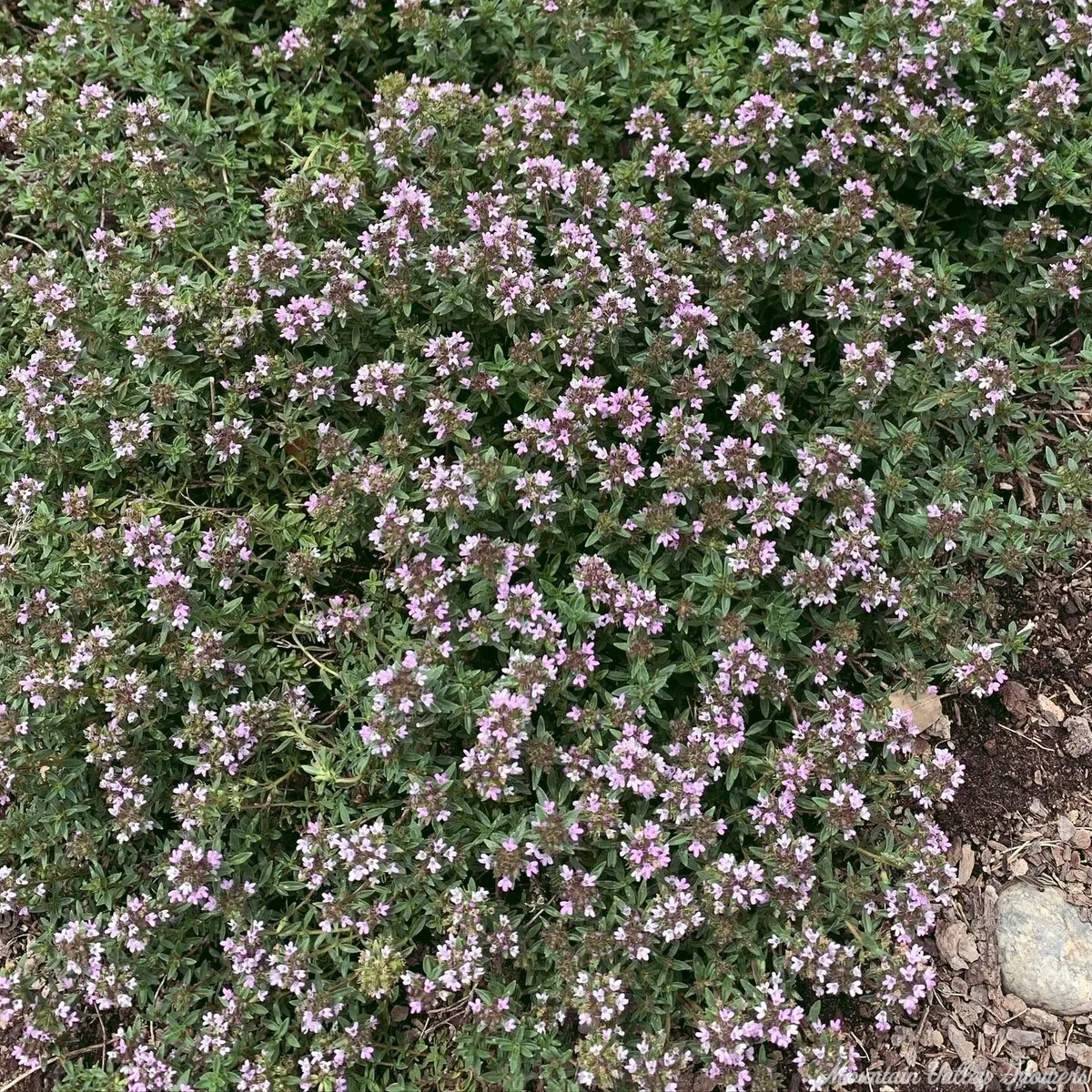
Distribution of caraway thyme
Distribution map
- Native
- Introduced
- Cultivated
Source:WCVP v16 · Royal Botanic Gardens, Kew · CC BY 3.0 · Boundaries:WGSRPD / TDWG
caraway thyme care guide
- Allow full top soil dry between watering, drought-tolerant herbaceous plant
- Watering
- Full sun
- Sunlight

Watering
Allow full top soil dry between watering, drought-tolerant herbaceous plant
Fertilizing
 Fertilizing
Weak balanced herb feed once monthly only during spring and summer months
Pruning
 Pruning
Cut back after flowering to maintain compactness
Propagation
 Propagation
Propagate by seed, division or softwood or semi-ripe cuttings
Growing
 Growing
Grow in well drained, alkaline to neutral soil in full sun. Suitable for rock garden or paving crevices where they release their fragrance when trodden on. See thyme cultivation for more information
Common pests and diseases
Diseases
Generally disease free
Pests
Generally pest-free
Explore the plant health library →




