
silver lime
Also known as: European white lime; white lime
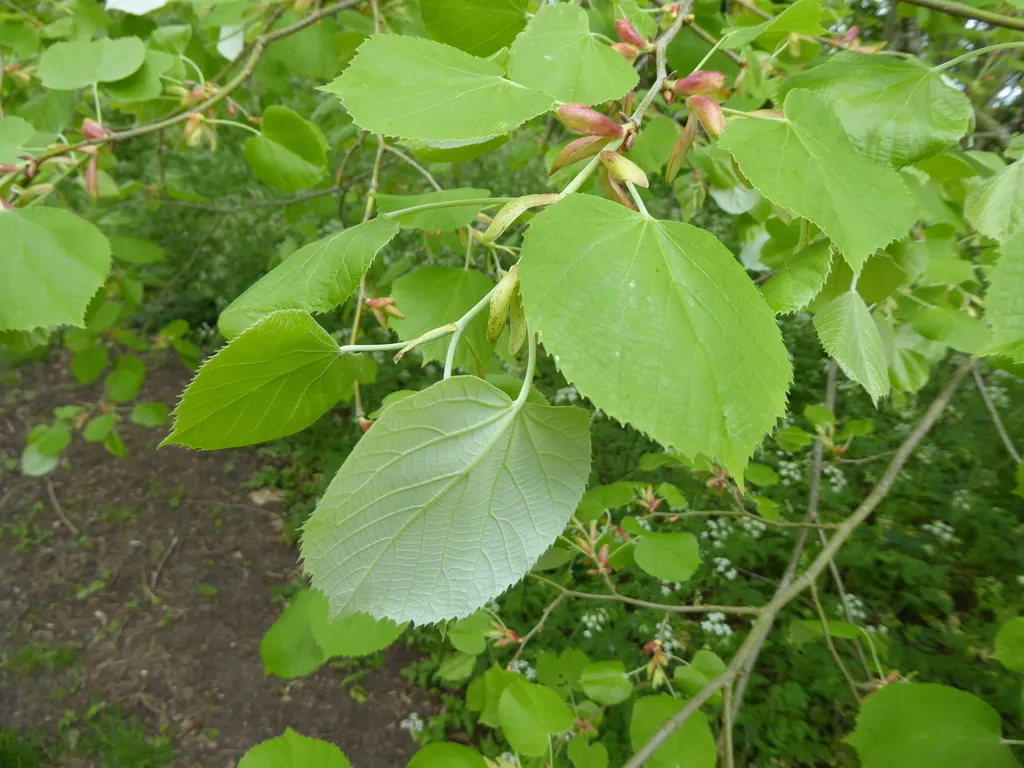
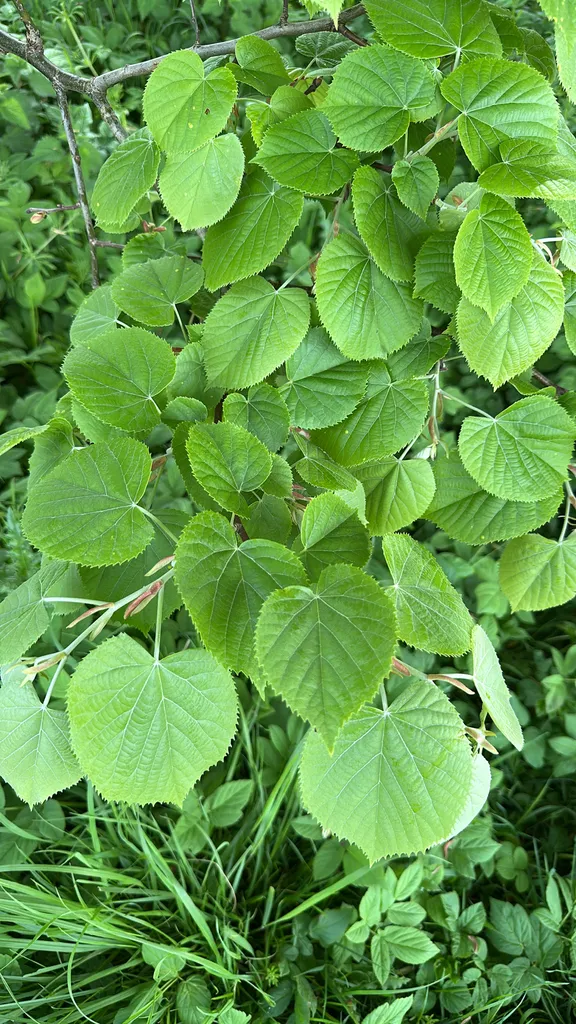
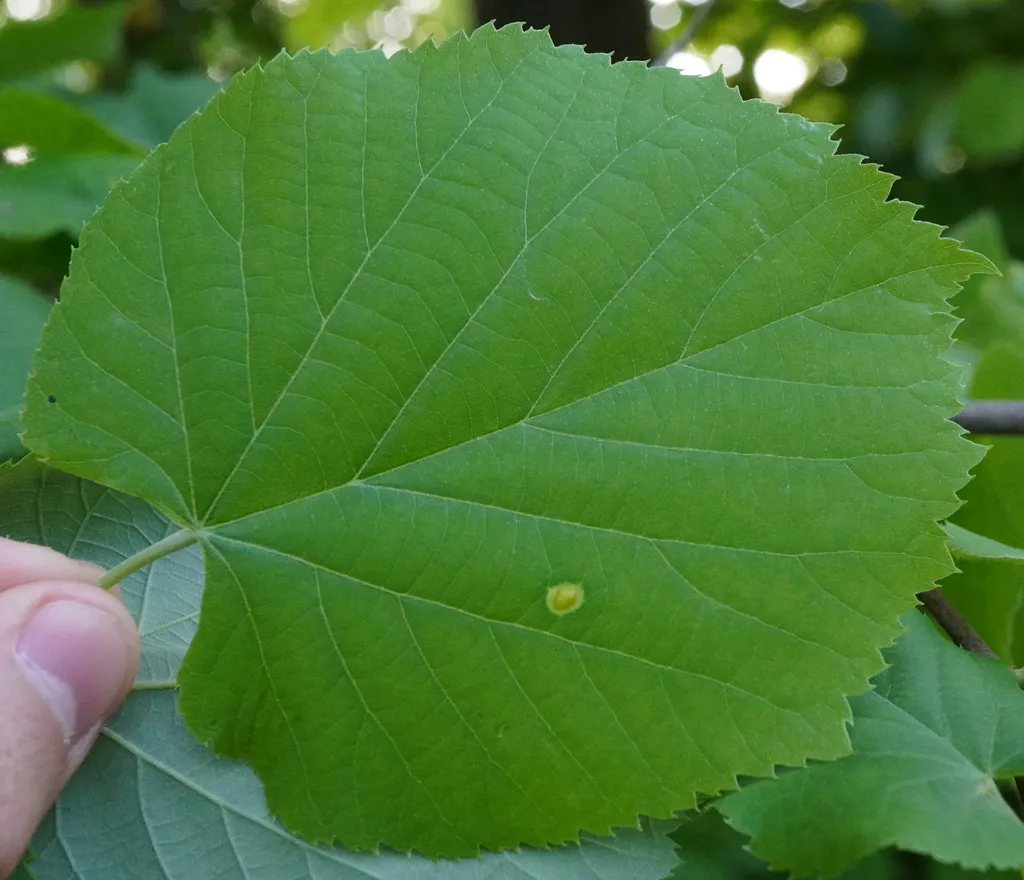
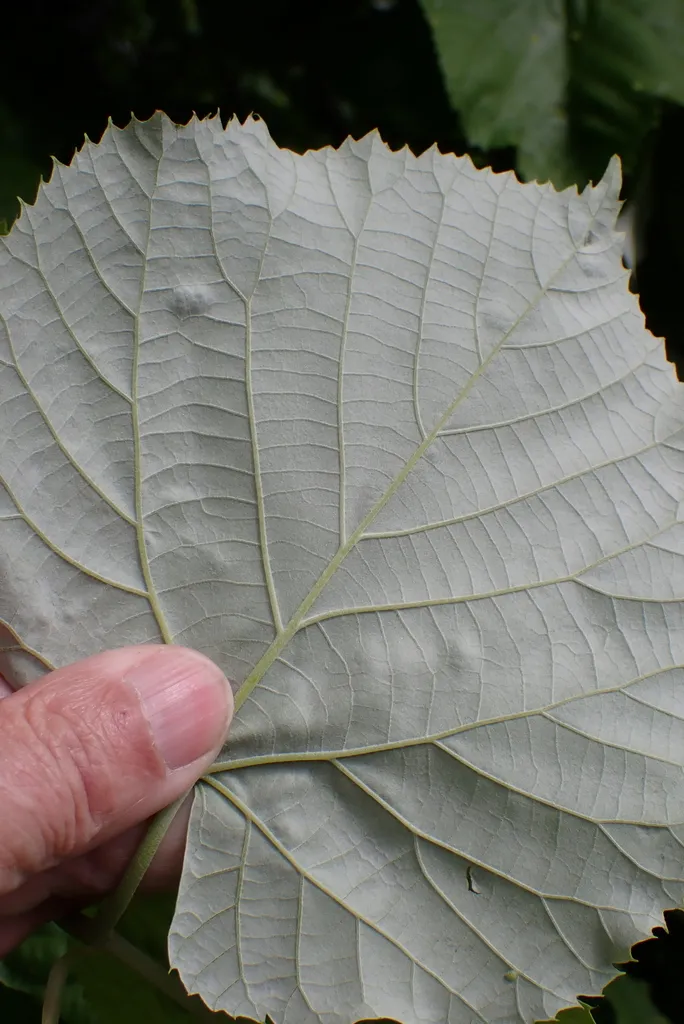
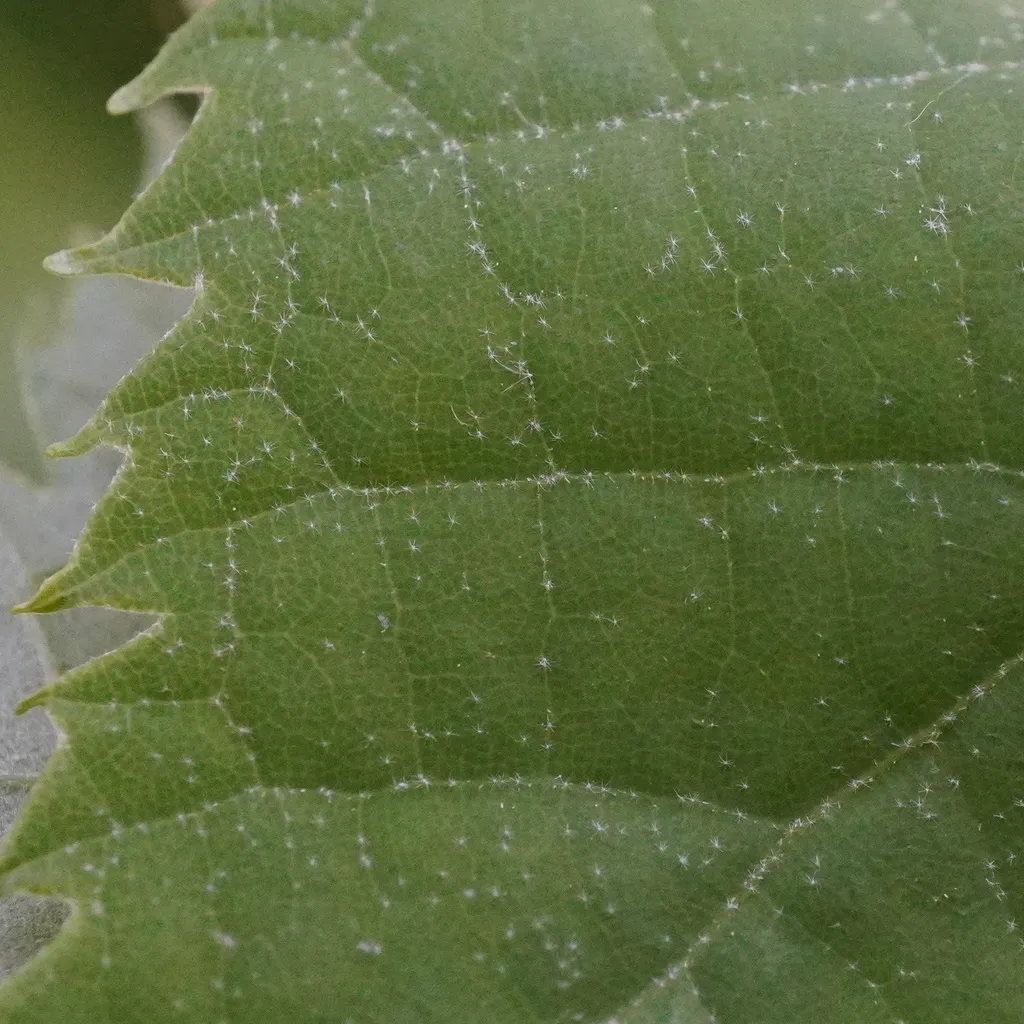
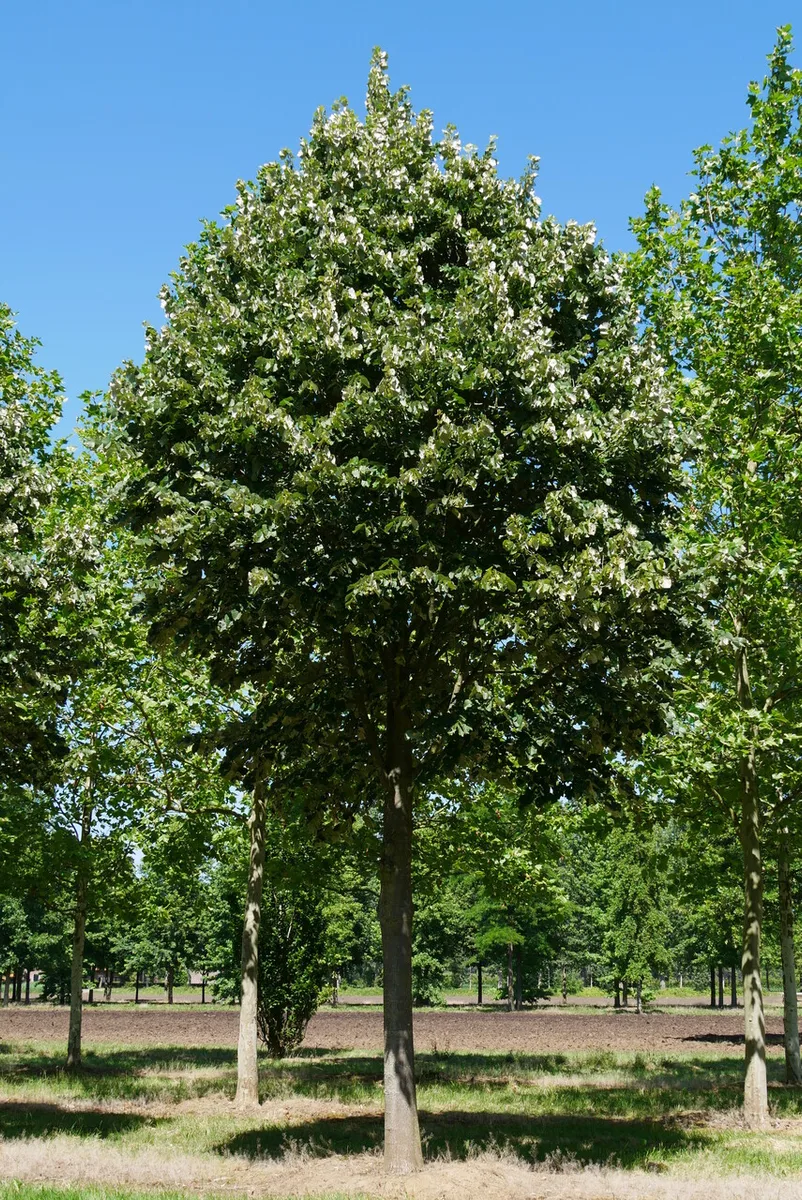
T. tomentosa is a large, deciduous tree of variable habit but usually broadly pyramidal reaching to 25m high. Erect branches are often pendent at their tips with white-felted shoots. Rounded leaves 5-13cm long are sharply-toothed, dark green above and covered in a silvery-white felt beneath, turning yellow in the autumn. Fragrant, small, creamy-white flowers are borne in late summer
Scientific classification
- Species
- silver lime (Tilia tomentosa)
- Genus
- Tilia
- Family
- Malvaceae
- Order
- Malvales
- Class
- Magnoliopsida
- Phylum
- Magnoliophyta
- Information to be completed
- Toxicity
- Trees
- Plant type
- Higher than 12 metres
- Height
- wider than 8 metres
- Spread
- Deciduous
- Foliage
- Columnar upright
- Habit
- Autumn · Spring · Summer
- Season of interest
- Full sun · Partial shade
- Sunlight
- Information to be completed
- Ideal temperature









silver lime pictures
Distribution of silver lime
Distribution map
- Native
- Introduced
- Cultivated
Source:WCVP v16 · Royal Botanic Gardens, Kew · CC BY 3.0 · Boundaries:WGSRPD / TDWG
silver lime care guide
- Moderate regular watering, allowing brief slight drying between soakings
- Watering
- Full sun · Partial shade
- Sunlight

Watering
Moderate regular watering, allowing brief slight drying between soakings
Fertilizing
 Fertilizing
Balanced perennial feed every four weeks from spring through summer
Pruning
 Pruning
Little pruning is needed. Remove diseased, damaged, crowded or crossing shoots and unwanted growth. Timing depends on the plant: generally late winter or early spring; plants prone to bleeding and deciduous magnolias need different timing, and deciduous azaleas and lilacs are pruned after flowering.
Propagation
 Propagation
Propagate by seed, layering, grafting or chip-budding onto a suitable rootstock
Growing
 Growing
Grow in moist but well-drained soil in full sun or partial shade; prefers alkaline to neutral soil but tolerant of acid conditions. Avoid very dry conditions and exposure to strong winds.\r\nTilia trees are sometimes associated with large numbers of dead bumblebees. Scientific studies have demonstrated that this is not due to toxic nectar or pollen, but may be due to a complex interaction of weather and suboptimal nectar. It does not usually happen every year and tends to coincide with the natural end of bumblebee nests, so is unlikely to cause any larger scale problems
Common pests and diseases
Diseases
May be susceptible to sooty mould, phytophthora root disease and honey fungus
Pests
May be susceptible to aphids, horse chestnut scale, caterpillars, sawflies and gall mites
Explore the plant health library →




